
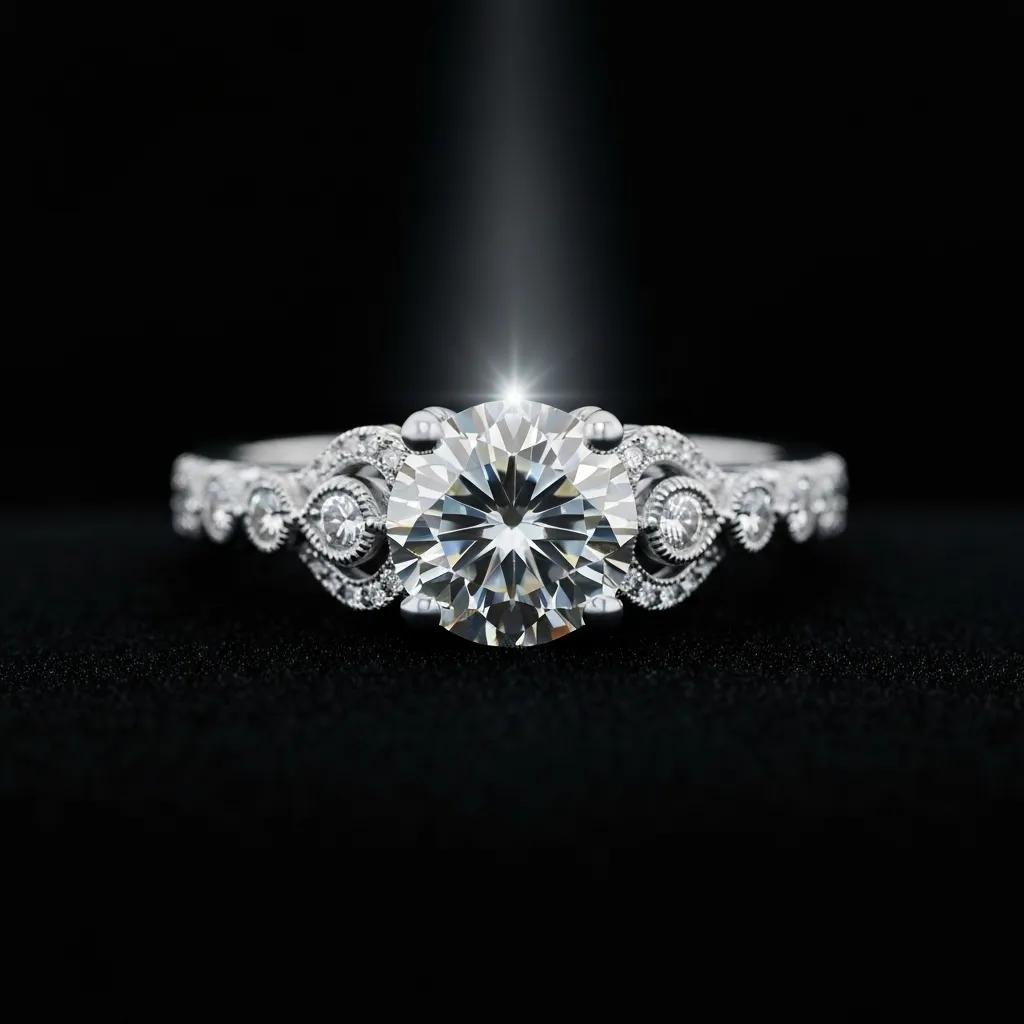
Ultimate Diamond Cuts: Engagement Rings – Australian Diamond Company
Choosing the right diamond cut can elevate an engagement ring from beautiful to breathtaking, yet over 70% of buyers feel overwhelmed by the variety of different diamond cuts explained online. This guide offers expert insights on what a diamond cut truly means, showcases the most popular and fancy cuts, outlines practical selection factors, and clarifies certification standards. Readers will learn:
- What defines diamond cut and its impact on brilliance
- Which cuts reign supreme and why
- How to align cut choice with style, budget, and setting
- The distinctions between classic and fancy shapes
- Industry benchmarks for cut quality and certification
Explore these themes and discover trusted advice—plus view exquisite engagement rings at the Australian Diamond Company—to confidently select the perfect cut.
What Is a Diamond Cut and Why Does It Matter for Your Engagement Ring?
Diamond cut describes a gemstone’s proportions, symmetry, and polish, determining how effectively it returns and disperses light to create brilliance, fire, and scintillation. Precise cut quality transforms raw carbon into a radiant focal point for any engagement ring and directly influences sparkle. Understanding cut fundamentals is essential before examining light performance and shape distinctions.
What Defines Diamond Cut and Its Impact on Brilliance
Diamond cut encompasses a gemstone’s proportions, symmetry, and polish, which determine how effectively it reflects and disperses light, creating brilliance, fire, and scintillation. Precise cut quality transforms raw carbon into a radiant focal point for any engagement ring and directly influences sparkle.
This research explains how brilliance, fire, and scintillation are the three components of diamond sparkle.
How Does Diamond Cut Affect Brilliance, Fire, and Sparkle?
Diamond cut affects brilliance, fire, and sparkle by dictating how light enters, reflects, and disperses within the stone, ensuring optimal visual performance.
- Brilliance: White light return influenced by table and crown angles
- Fire: Colored light dispersion through precise pavilion facets
- Sparkle (Scintillation): Flash patterns created by facet arrangement
How Diamond Cut Affects Brilliance, Fire, and Sparkle
Diamond cut affects brilliance, fire, and sparkle by dictating how light enters, reflects, and disperses within the stone, ensuring optimal visual performance. Brilliance is the white light return, fire is the colored light dispersion, and sparkle (scintillation) is the flash patterns created by facet arrangement.
This source explains how brilliance, fire, and scintillation are the three components of diamond sparkle.
What Is the Difference Between Diamond Cut and Diamond Shape?
Diamond cut refers to the quality of light performance—how well a gem returns light—while diamond shape defines its silhouette, such as round, princess, or pear. For example, a round shape can feature an Excellent cut grade for unmatched brilliance. Distinguishing cut from shape ensures buyers prioritize light return over mere outline preference.
What Is the Difference Between Diamond Cut and Diamond Shape?
Diamond cut refers to the quality of light performance, while diamond shape defines its silhouette, such as round, princess, or pear. For example, a round shape can feature an Excellent cut grade for unmatched brilliance.
This source explains the difference between diamond cut and diamond shape.
What Are Facets and How Do They Influence a Diamond’s Appearance?
Facets are the flat, polished surfaces on a diamond that control internal reflections and define its scintillation pattern.
- Table: Largest top facet determining light entry
- Crown & Pavilion: Angled facets that refract and reflect light
- Girdle & Culet: Edge and bottom facets affecting durability and light leakage
What Are Facets and How Do They Influence a Diamond’s Appearance?
Facets are the flat, polished surfaces on a diamond that control internal reflections and define its scintillation pattern. The table is the largest top facet determining light entry, while the crown and pavilion are angled facets that refract and reflect light.
Diana Rafael Jewelry, Understanding the Brilliance, Fire, and Scintillation of Diamonds ([2023])
This source explains how facets affect a diamond’s appearance.
Which Are the Most Popular Diamond Cuts for Engagement Rings?
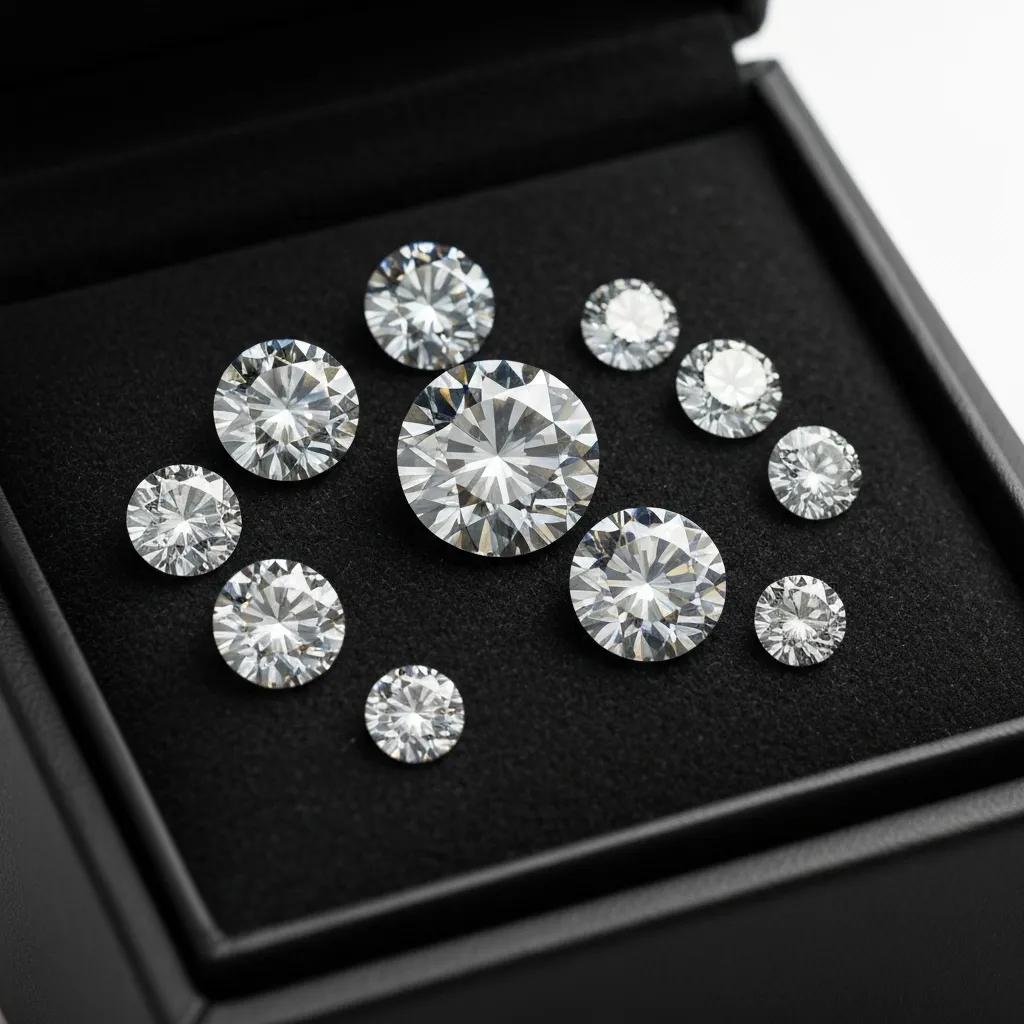
The most popular diamond cuts combine aesthetic appeal with superior light performance to suit diverse tastes and budgets. Below is a comparison of leading cuts:
What Makes the Round Brilliant Cut the Most Popular Choice?
Round Brilliant cut achieves widespread popularity through an ideal facet arrangement that maximizes light return and scintillation.
- 57 or 58 facets create balanced light performance
- Symmetrical proportions ensure consistent brilliance
- High market demand maintains strong resale value
What Makes the Round Brilliant Cut the Most Popular Choice?
Round Brilliant cut achieves widespread popularity through an ideal facet arrangement that maximizes light return and scintillation. The 57 or 58 facets create balanced light performance, and symmetrical proportions ensure consistent brilliance.
This source explains the history of the round brilliant cut.
How Does the Princess Cut Combine Modern Elegance and Sparkle?
Princess Cut merges a contemporary square silhouette with angled facets that deliver pronounced fire and crisp lines.
- 57 to 76 sharp-angled facets enhance sparkle
- Versatile settings suit both solitaires and halos
- Cost-effective per carat compared to round shapes
Why Choose the Emerald Cut for Vintage Sophistication and Clarity?
Emerald Cut offers vintage sophistication by emphasizing clarity through large, step-cut facets that create a hall-of-mirrors effect.
- Fewer facets showcase internal purity
- Elongated shape visually lengthens the finger
- Elegant profile suits understated, classic settings
What Are the Characteristics of Other Popular Cuts Like Oval and Cushion?
Oval cut presents an elongated silhouette that gently lengthens the finger, while cushion cut features rounded corners and larger facets that produce a soft, romantic fire. These alternatives blend timeless appeal with unique light patterns, laying the groundwork for personalized ring designs.
How Do You Choose the Perfect Diamond Cut for Your Engagement Ring?
Choosing the perfect diamond cut involves aligning personal style, budget, finger shape, and setting type with light performance priorities, ensuring a harmonious and lasting symbol of love. Consider each criterion to identify a cut that resonates on all levels.
What Factors Should You Consider: Style, Budget, and Finger Shape?
- Style: Classic (round) vs. trendy (oval)
- Budget: Allocate more to cut grade for sparkle
- Finger Shape: Elongating cuts (marquise) vs. wider cuts (emerald)
How Does Setting Type Influence the Best Diamond Cut Choice?
- Prong: Maximizes light entry for optimal brilliance
- Bezel: Protects edges but slightly reduces sparkle
- Halo: Amplifies perceived size and augments fire
Which Diamond Cuts Best Suit Different Personal Styles?
- Classic: Round Brilliant, Emerald
- Modern: Princess, Radiant
- Romantic: Cushion, Pear
- Avant-Garde: Marquise, Asscher
What Are the Key Differences Between Fancy Diamond Cuts and Classic Cuts?
Fancy diamond cuts feature distinctive silhouettes like marquise and pear for bold aesthetics, while classic cuts prioritize traditional symmetry and optimal light performance. Understanding these categories helps buyers decide between exclusive flair and proven brilliance.
What Are Fancy Cuts Like Marquise, Pear, Asscher, and Radiant?
- Marquise: Elongated boat shape for finger elongation
- Pear: Teardrop silhouette blending round and marquise facets
- Asscher: Square step-cut with vintage art-deco flair
- Radiant: Trimmed corners with brilliant-style faceting
How Do Fancy Cuts Affect Sparkle and Light Performance?
- Elongated cuts may exhibit bow-tie shadows
- Step cuts emphasize clarity over scintillation
- Mixed cuts like radiant boost fire with varied facets
What Are the Pros and Cons of Choosing a Fancy Diamond Cut?
- Pros: Unique appearance, tailored flair
- Cons: Visible inclusions, potential light-pattern shadows
What Are the Industry Standards for Diamond Cut Quality and Certification?
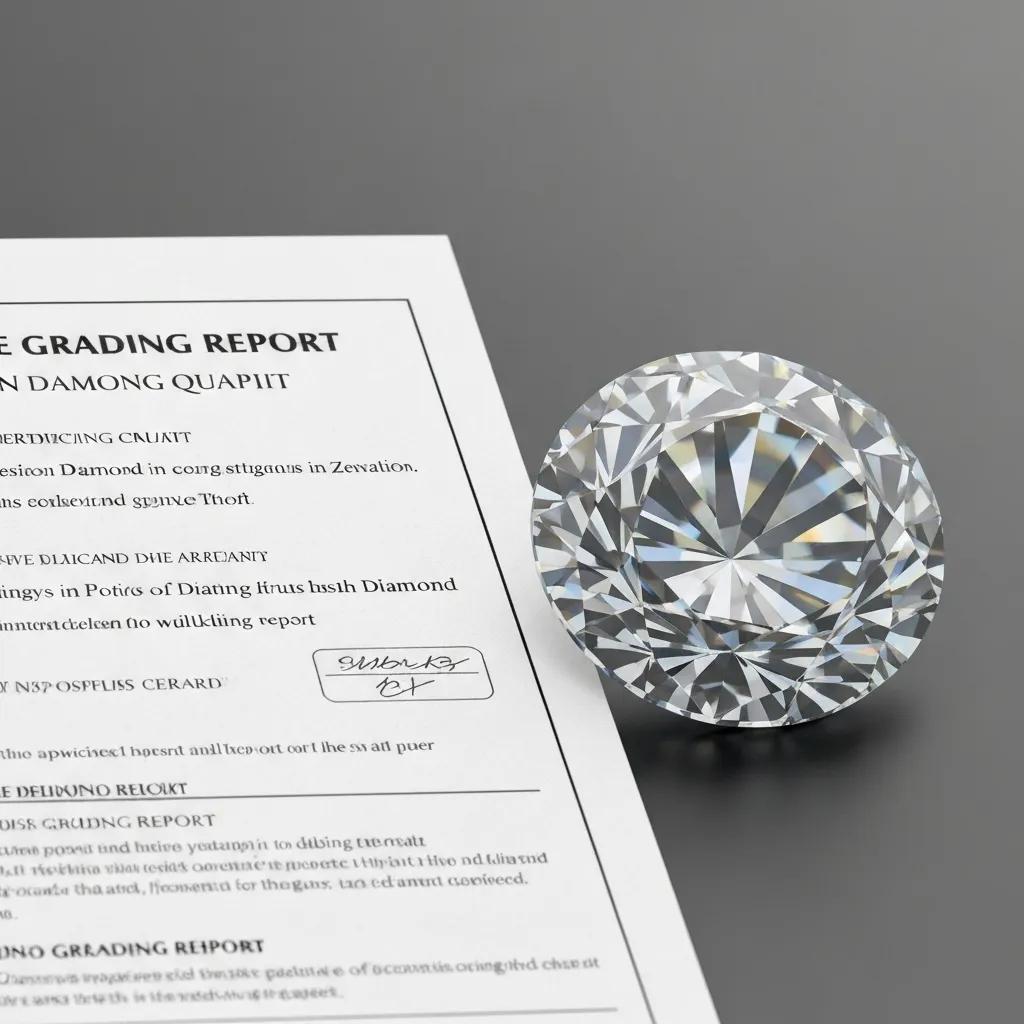
Industry standards like GIA and AGS cut grades quantify cut quality through systematic evaluation of proportions, symmetry, and finish, guiding certified diamond selection for guaranteed brilliance and trust.
What Are the Industry Standards for Diamond Cut Quality and Certification?
Industry standards like GIA and AGS cut grades quantify cut quality through systematic evaluation of proportions, symmetry, and finish, guiding certified diamond selection for guaranteed brilliance and trust. The GIA cut grade is based on an assessment of seven components, including brightness, fire, and scintillation.
This source explains how GIA assigns a diamond cut grade.
How Does the GIA Cut Grade Influence Diamond Brilliance?
GIA’s cut grade directly correlates to measured light performance, with Excellent grades reflecting optimal proportions that maximize brilliance and fire. Buyers can rely on this benchmark for consistent sparkle.
What Role Did Marcel Tolkowsky Play in Defining the Ideal Round Brilliant Cut?
Marcel Tolkowsky pioneered mathematical proportions for the ideal Round Brilliant cut, establishing a benchmark for symmetry and facet angles still upheld by gemologists worldwide. His legacy anchors modern cut quality standards.
What Role Did Marcel Tolkowsky Play in Defining the Ideal Round Brilliant Cut?
Marcel Tolkowsky pioneered mathematical proportions for the ideal Round Brilliant cut, establishing a benchmark for symmetry and facet angles still upheld by gemologists worldwide. His work, published in 1919, set the global standard for diamond proportions.
This source explains the history of Marcel Tolkowsky and his contributions to the ideal cut.
How Can You Verify Diamond Cut Quality When Buying Online?
Verifying cut quality online involves reviewing GIA or AGS certification reports, examining proportion diagrams, and assessing high-resolution images or interactive videos to confirm precision and light performance.
Selecting the right diamond cut ensures an enduring symbol of love that radiates brilliance, mirrors personal style, and aligns with trusted certification. Whether drawn to classic symmetry or fancy silhouettes, buyers can apply these insights to discover the perfect cut for a lifetime of sparkle. For an expert selection experience, explore bespoke engagement rings at the Australian Diamond Company.


