
Engagement Ring Diamond Shape Guide – Australian Diamond Company
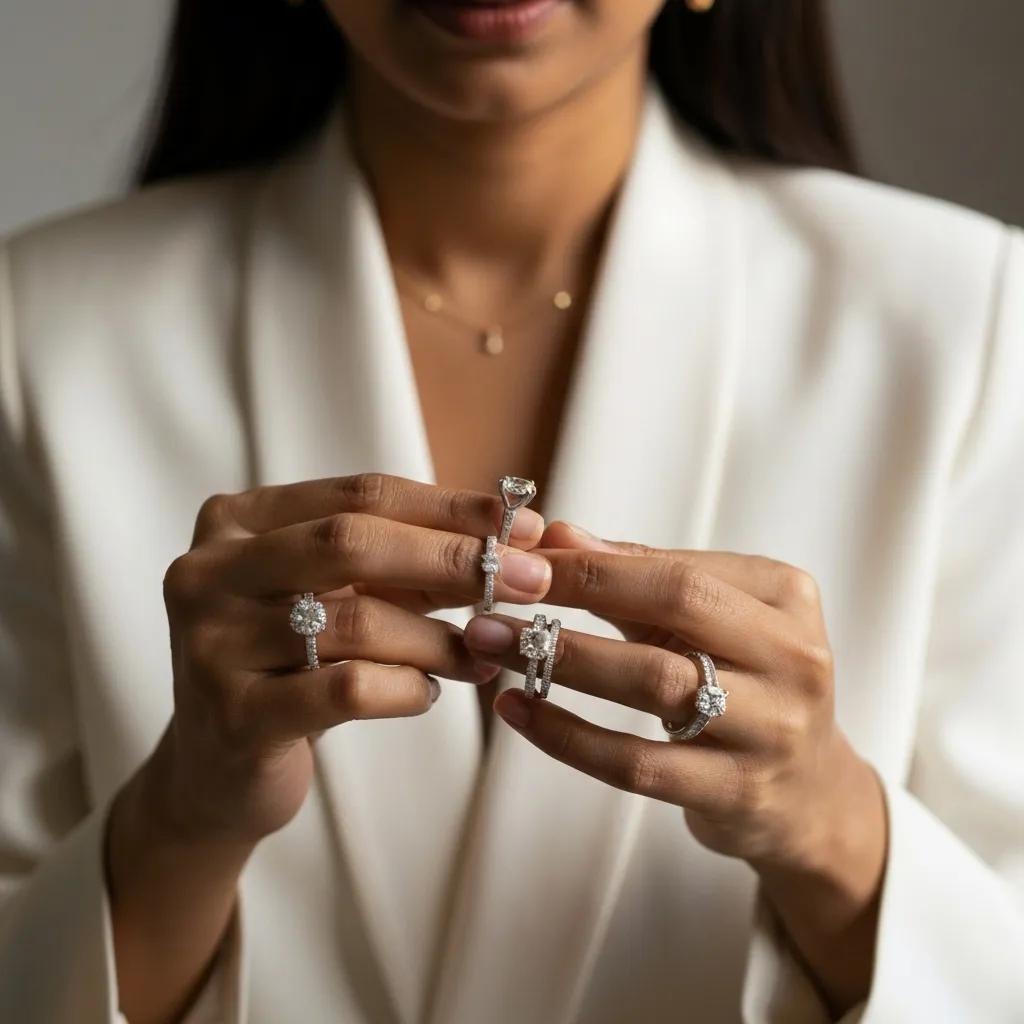
Which diamond shape best captures the sparkle of your love? This engagement ring diamond shape guide will help you navigate geometry, brilliance, and budget to find a diamond that reflects your style. Readers will explore five popular silhouettes for 2025, learn how shape differs from cut, match outlines to finger profiles and personal taste, compare cost versus perceived size, and discover emerging trends and expert tips. Along the way, subtle insights into ADC’s engagement ring collection illustrate how a leading jeweler pairs each shape with ideal settings for timeless elegance.
What Are the Different Diamond Shapes for Engagement Rings?
Diamond shape refers to the stone’s external outline, defining how much surface area is exposed and influencing light interaction. From the classic round outline to elegant ovals or dramatic step cuts, each form delivers distinct visual impact and practical considerations. Recognising the range of shapes lays the groundwork for matching geometry to personal style and ring settings.
Which Diamond Shapes Are Most Popular in 2025?
The following list highlights the top five diamond shapes driving engagement ring choices in 2025:
- Round Brilliant leads sales with maximum fire and versatile settings.
- Oval diamonds account for roughly 20 percent of engagements thanks to their elongating effect.
- Princess Cut ranks third by offering modern square proportions with intense sparkle.
- Cushion cuts deliver vintage romance through rounded corners and soft brilliance.
- Emerald cuts emphasise clarity and hall-of-mirrors flashes in a refined rectangular form.
Popular Diamond Shapes in 2025
Round brilliant, oval, princess cut, cushion, and emerald cuts are among the most popular diamond shapes in 2025. These shapes are favored for their distinct visual characteristics and ability to complement different finger shapes and personal styles, influencing engagement ring choices.
The Diamond Council of America, “Diamond Shapes and Styles” (2024)
This citation provides context for the article’s discussion of current trends in diamond shapes.
How Do Diamond Shapes Affect the Look of Your Engagement Ring?
Each shape alters the ring’s overall profile and perceived scale: elongated forms like marquise and pear slenderize fingers, while rounded shapes such as round brilliant or cushion appear versatile and balanced. Choice of shape also dictates setting style, step cuts often suit bezel or prongless mounts, whereas brilliant cuts thrive in halo or pavé designs ensuring the outline harmonises with metalwork and wearer preferences.
Diamond Shapes and Light Interaction
The shape of a diamond significantly influences how light interacts with the stone, affecting its brilliance, fire, and overall visual impact. Different shapes expose varying surface areas, which in turn, alter the way light is reflected and refracted, impacting the sparkle and perceived size of the diamond.
Gemological Institute of America (GIA), “Diamond Cut Grading System”
This research supports the article’s explanation of how diamond shape affects light performance and visual appearance.
What Are the Unique Characteristics of Each Diamond Shape?
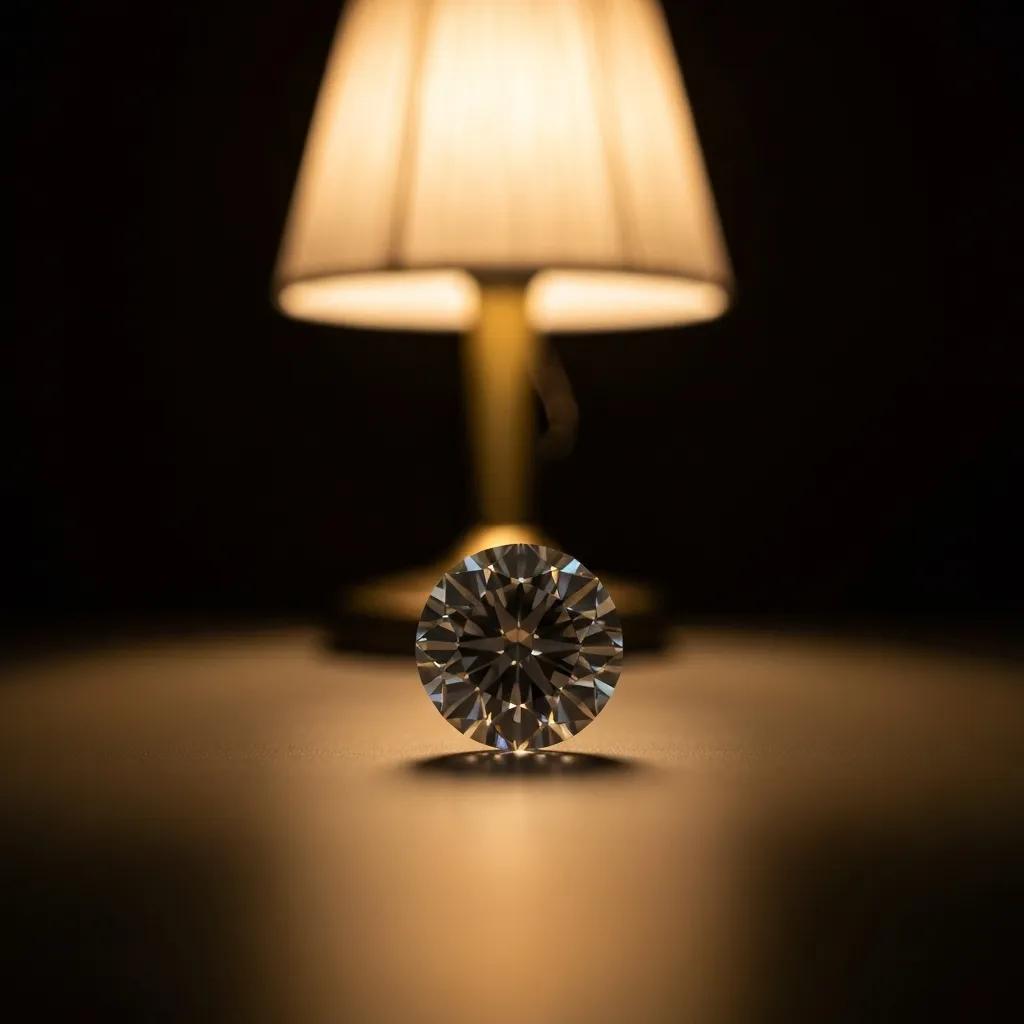
Below is a concise outline of signature attributes for key shapes:
- Round Brilliant: 57 or 58 facets create unmatched fire and a circular silhouette.
- Oval: Elongated outline lengthens the finger and boosts perceived carat size.
- Princess Cut: Square corners and brilliant facets deliver modern geometry and shimmer.
- Cushion Cut: Soft edges and large facets evoke vintage charm with warm fire.
- Emerald Cut: Step-cut facets produce dramatic clarity highlights and sleek geometry.
These highlights show how each silhouette contributes distinct flair to an engagement ring design.
How Do Diamond Shape and Diamond Cut Differ?
Diamond shape is the stone’s outline, while diamond cut describes how facets are proportioned and polished to interact with light. Shape determines the ring’s visual footprint; cut governs brilliance, fire, and scintillation. Understanding both elements ensures you select a shape that flatters and a cut that maximises sparkle and value.
This comparison underscores why pairing the right outline with an ideal cut grade delivers both beauty and performance.
What Is Diamond Shape vs. Diamond Cut?
Diamond shape refers to the external form, round, oval, pear while diamond cut measures facet precision and proportions that affect how light reflects and refracts within the stone to create sparkle and rainbow flashes.
How Does Cut Influence Brilliance and Sparkle?
A superior cut grade enhances brilliance by reflecting more light internally, increases fire through carefully angled facets, and amplifies scintillation, those dancing flashes ultimately making the diamond appear brighter and more lively in varied lighting conditions.
Why Is Understanding Both Important for Your Engagement Ring?
By grasping shape for style and cut for sparkle, you ensure the ring achieves the desired aesthetic and light performance, balancing personal taste with maximum visual impact and long-term value retention.
How to Choose the Perfect Diamond Shape for Your Style and Finger?
Selecting an ideal outline hinges on finger proportions, personal taste, and lifestyle: elongated fingers often favor oval or marquise, while shorter or wider fingers pair beautifully with round or cushion shapes. Integrating style preferences from classic to contemporary ensures the final design complements both wearer and setting.
Which Diamond Shapes Flatter Different Finger Shapes?
- Oval and marquise shapes visually lengthen abbreviated fingers.
- Round and cushion shapes maintain symmetry on slender fingers.
- Emerald and asscher cuts suit wider fingers by adding linear emphasis.
Matching outline to finger profile enhances both comfort and elegance.
How Does Personal Style Influence Diamond Shape Choice?
Classic tastes often gravitate to round brilliant or emerald cuts for timeless appeal, while modern preferences favor princess or radiant cuts for crisp lines. Vintage-inspired styles embrace cushion or asscher shapes to evoke historic glamour.
What Are the Best Settings for Each Diamond Shape?
- Solitaire settings spotlight round brilliant and princess cuts.
- Halo accents enhance oval, pear, and cushion shapes.
- Bezel mounts protect pointed corners on princess, marquise, and pear cuts.
- East-West settings highlight dramatic silhouettes like emerald and marquise.
Optimal settings secure durability while showcasing each outline’s character.
What Are the Cost and Size Considerations for Different Diamond Shapes?
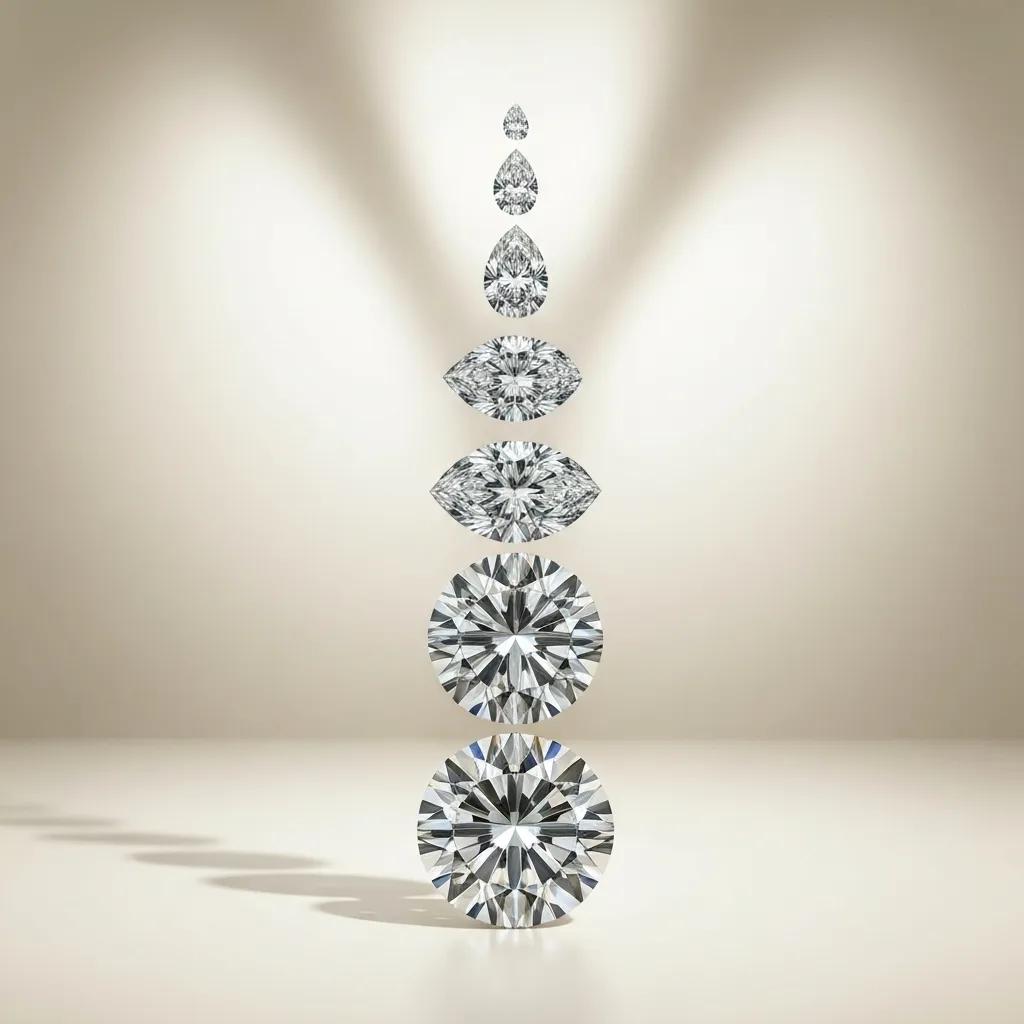
Cost and perceived size vary by shape: elongated outlines often appear larger for the same carat weight, and fancy shapes typically cost less per carat than round brilliants. Balancing budget with visual impact ensures the chosen silhouette maximises value without compromising on presence.
Which Diamond Shapes Appear Largest for Their Carat Weight?
- Oval, pear, and marquise shapes reveal greater surface area, creating an illusion of a larger stone compared to more compact outlines of the same weight.
How Do Fancy Shapes Compare to Round Brilliant in Price?
Fancy shapes such as emerald, cushion, and princess cuts can be up to 20 percent less expensive per carat than round brilliants of similar quality, offering superior value for size-focused budgets.
What Durability Factors Affect Diamond Shape Selection?
Shapes with pointed corners princess, pear, marquise, benefit from protective settings like bezels or prongs with guard beads, while step cuts and round shapes generally exhibit greater resistance to chipping in standard prong mounts.
What Are the Latest Trends and Expert Tips for Engagement Ring Diamond Shapes?
Emerging 2025 trends include east-west settings for ovals and marquises, mixed-shape cluster rings, and growing interest in lab-grown options that pair sustainability with budget flexibility. Expert guidance emphasises aligning shape with lifestyle, balancing sparkle preferences with clarity considerations, and choosing certified diamonds for lasting brilliance.
What Diamond Shapes and Settings Are Trending in 2025?
- East-west oval and emerald rings create a modern horizontal look.
- Mixed-shape cluster bands offer unique asymmetry.
- Lab-grown diamonds in princess and radiant cuts gain popularity for ethical value.
These trends reflect evolving tastes toward innovation and sustainability.
How Do Lab-Grown Diamonds Influence Shape Choices?
Lab-grown diamonds offer consistent color and clarity across fancy shapes at lower price points, enabling buyers to select larger or more unique outlines without exceeding budget constraints.
What Do Experts Recommend When Selecting a Diamond Shape?
- Prioritise GIA-certified stones for guaranteed cut quality.
- View diamonds in natural light to assess true sparkle and hue.
- Consider finger proportions and daily wear to choose both shape and setting that maximise comfort and longevity.
By following these insights, you ensure your engagement ring captures both personal style and enduring beauty.


