
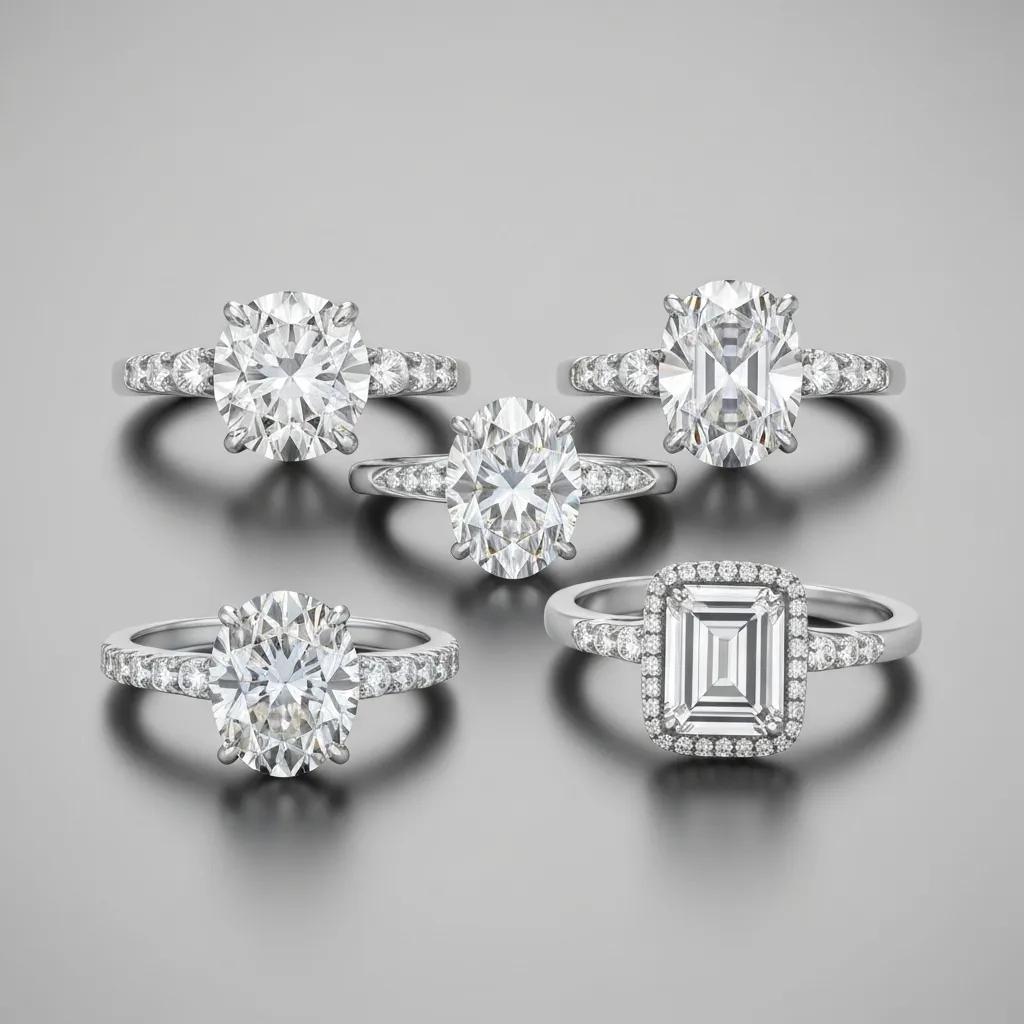
Your Guide to Dazzling Diamond Settings by Australian Diamond Company
Choosing the right setting can transform any diamond into a masterpiece that balances brilliance, security, and style. This guide covers the most popular setting options for diamonds, how to match settings to specific shapes, lifestyle considerations, upcoming trends, and answers to common questions. For an in-depth overview of each style, see “What Are the Different Diamond Setting Types” on ADC.
What Are the Most Popular Diamond Setting Types and Their Benefits?
Diamond setting types determine how light interacts with the stone and how securely it’s mounted. Prong, bezel, halo, channel, pavé, and tension settings each offer unique advantages in sparkle, protection, and aesthetic appeal.
How Does the Prong Setting Maximise Diamond Brilliance and Security?
A prong setting secures a diamond with metal claws that maximise light exposure and hold the stone firmly. The following pros and cons illustrate why prong settings remain a classic choice:
- Pros:Maximises light refraction for superior fireMinimal metal coverage highlights the diamond
- Cons:Prongs can catch on fabrics over timeRequires periodic tightening to maintain security
Prong Setting Benefits
Prong settings maximise light refraction, enhancing a diamond’s fire and brilliance, while also minimising the amount of metal covering the stone, which further highlights the diamond. However, prongs can catch on fabrics and may require periodic tightening to maintain security.
The Diamond Pro
This source discusses the benefits and drawbacks of prong settings, which aligns with the article’s discussion of prong settings.
These characteristics make prong settings ideal for showcasing brilliance with reliable support, leading naturally to modern alternatives.
Why Is the Bezel Setting Known for Modern Elegance and Ultimate Protection?

A bezel setting surrounds a diamond with a continuous metal rim that offers sleek aesthetics and robust protection. Key features include:
- Full Rim Coverage: Shields the stone from impact
- Low Profile Design: Reduces snag risk and daily wear
- Custom Contours: Adapts to round, oval, or fancy shapes
Bezel settings blend contemporary style with unmatched security, paving the way for designs that amplify perceived size.
What Makes the Halo Setting Ideal for Enhancing Diamond Size and Sparkle?
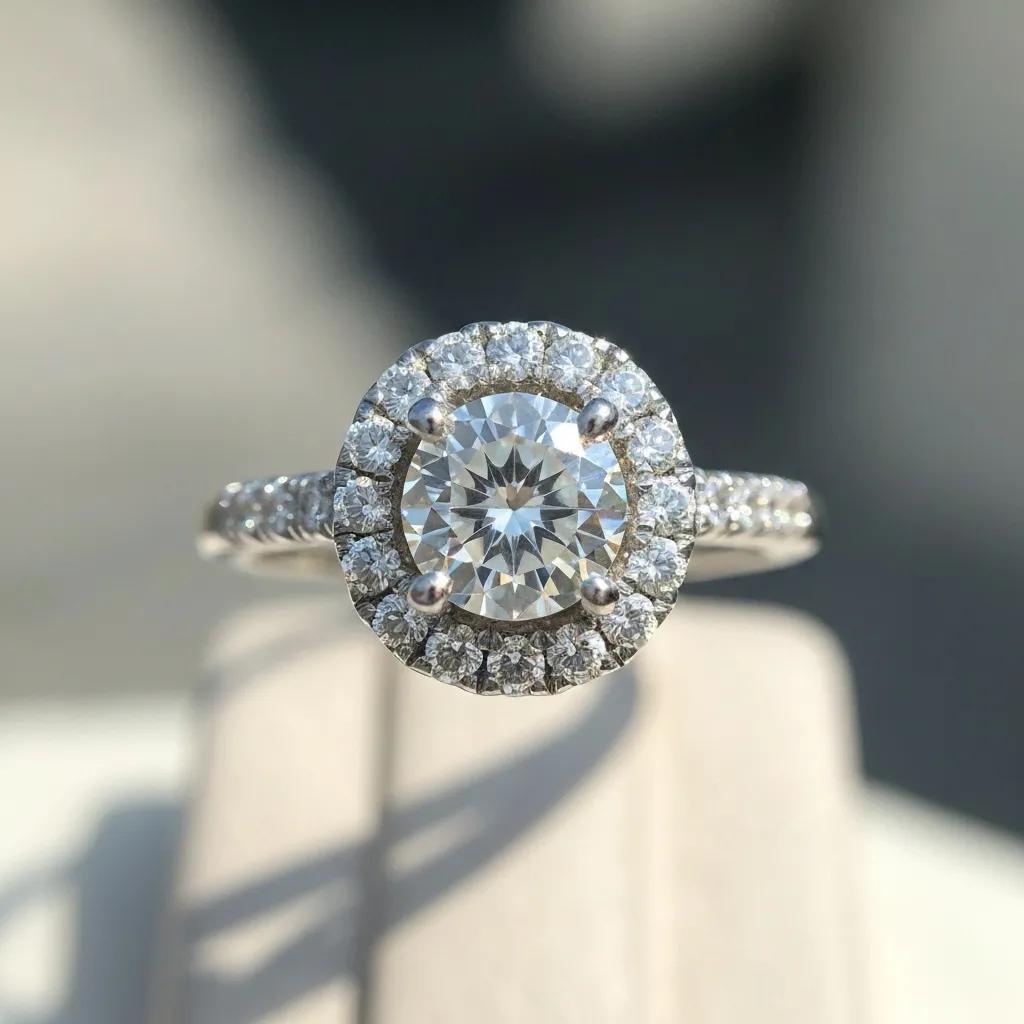
A halo setting encircles the center diamond with smaller stones to amplify perceived size and intensify radiance. Common halo variations:
- Single Halo: Frames the center for subtle enlargement
- Double Halo: Multiplies sparkle with two accent circles
- Hidden Halo: Conceals smaller stones beneath the diamond for secret shimmer
Halo configurations deliver dramatic sparkle and visual impact, preparing the transition to band-integrated settings.
How Do Channel and Pavé Settings Offer Durability and Continuous Sparkle?
Channel and pavé settings embed diamonds into a band groove or surface for seamless shimmer and secure placement. Comparison of key attributes:
- Channel Setting:Diamonds set between walls of metal for protectionIdeal for straight-line cuts like emerald and princess
- Pavé Setting:Micro-set stones cover the band for intense brillianceCreates a continuous field of sparkle
By integrating stones directly into the band, these settings ensure uninterrupted sparkle and sturdy wear.
What Unique Appeal Does the Tension Setting Provide with Its Floating Diamond Illusion?
A tension setting grips the diamond between two metal ends, creating a floating illusion while maintaining a secure hold. Distinctive qualities:
- Modern Aesthetic: Eye-catching “suspended” appearance
- High-Tension Alloys: Alloy strength replaces prong security
- Open Profile: Maximises light entry from all angles
Tension settings deliver avant-garde style and robust security, guiding us to the next topic of shape-specific recommendations.
How Do You Choose the Best Diamond Setting for Different Diamond Shapes?
Matching setting options to a diamond’s cut enhances its inherent attributes and visual symmetry. The table below matches diamond shapes to ideal settings based on symmetry, protection, and light performance.
Selecting a setting aligned with each cut ensures optimal sparkle and durability, leading us to lifestyle considerations that influence your choice.
What Lifestyle Factors Should Influence Your Diamond Setting Choice?
Daily activities, maintenance preferences, and metal properties shape the ideal setting for each wearer.
Which Settings Are Most Durable for Active and Everyday Wear?
Bezel, flush, and channel settings top the list for durability in active lifestyles because they minimise snagging and protect the diamond. Durable options include:
- Bezel Setting for full-rim protection
- Flush Setting for no protruding elements
- Channel Setting for stones secured between metal walls
These robust designs endure daily wear without sacrificing style.
How Do Metal Types Impact the Style and Longevity of Diamond Settings?
Metal choice influences both aesthetics and wear resistance, with platinum, white gold, rose gold, and yellow gold each offering distinct benefits:
- Platinum: Hypoallergenic with superior durability
- White Gold: Bright luster that complements colorless diamonds
- Rose Gold: Warm tone that accentuates vintage and modern designs
- Yellow Gold: Classic warmth with strong corrosion resistance
Selecting a metal that complements lifestyle demands and personal style completes the setting choice process.
What Are the Budget Considerations When Selecting a Diamond Setting?
Setting complexity and metal type affect overall cost, with simple prong or solitaire designs in base metals being most budget-friendly. Common budget tiers:
- Entry Level: Four-prong solitaire in white gold
- Mid Range: Halo or channel settings in 14K gold
- High End: Custom tension or cathedral settings in platinum
Understanding cost drivers helps align setting aspirations with budget constraints.
What Are the Latest Trends in Diamond Settings for 2025 and Beyond?
Emerging preferences reflect a blend of minimalist design, vintage revival, and sustainability concerns in modern settings.
Why Are Bezel and Minimalist Settings Gaining Popularity?
Bezel and minimalist settings are trending for their clean lines, low-profile security, and compatibility with lab-grown diamonds. Trend highlights:
- Sleek metal frames that emphasise geometry
- Low-profile silhouettes for comfortable wear
- Seamless pairing with ethically sourced stones
Minimalist approaches underscore the diamond’s natural beauty in every context.
How Are Vintage and Art Deco Styles Making a Comeback?
Vintage and Art Deco settings captivate with geometric patterns, milgrain detailing, and historical charm that resonate with individual expression. Signature motifs:
- Filigree scrolls for intricate elegance
- Angular shapes for bold, architectural flair
- Milgrain edges for classic texture
These nostalgic designs reconnect wearers with iconic eras through detailed craftsmanship.
What Role Do Lab-Grown Diamonds and Sustainable Metals Play in Setting Choices?
Lab-grown diamonds paired with recycled gold or platinum underscore a commitment to ethical sourcing and environmental stewardship. Sustainability drivers:
- Lab Diamonds: Affordable, eco-friendly alternatives
- Recycled Metals: Reduced environmental footprint
- Traceable Supply Chains: Transparency from mine to setting
Sustainable materials reshape setting options by aligning elegance with ethical values.
What Are the Most Common Questions About Diamond Settings?
Key queries focus on security, sparkle, versatility, and maintenance to guide confident setting decisions.
What Is the Most Secure Diamond Setting?
The bezel setting is widely considered the most secure diamond setting because its continuous metal rim fully encases the stone, shielding it from impact and reducing risk of loosening. This robust protection makes bezels ideal for active lifestyles.
Which Diamond Setting Sparkles the Most?
Prong and halo settings deliver maximum sparkle by exposing more surface area to light and surrounding the center stone with accent diamonds for intensified brilliance. These configurations enhance fire and flash through optimised light refraction.
What Is the Best Setting for an Engagement Ring?
A classic four-prong solitaire remains the best setting for an engagement ring due to its timeless elegance, straightforward maintenance, and versatility across diamond shapes. This enduring choice balances aesthetics, security, and adaptability.
How Do You Maintain and Care for Different Diamond Settings?
Regular professional cleaning, gentle daily brushing, and periodic inspections ensure prong integrity and prevent debris buildup in bezel, channel, and pavé settings. Recommended steps include:
- Soaking in mild soap and warm water
- Brushing with a soft-bristle brush
- Inspecting prongs and channels every six months
Routine care preserves setting security and diamond brilliance over time.
By evaluating setting types, matching to shape, considering lifestyle and trends, every wearer can select a diamond setting that dazzles daily. Applying this guide ensures your gem remains secure and radiant through any occasion. Discover each style’s unique advantages to find the setting that complements your vision and life. Let precise selection transform your diamond into a legacy piece of enduring beauty.


