
Engagement Ring Metals: Which Offers Best Durability?
Selecting the right metal for an engagement ring directly impacts its ability to withstand daily wear and maintain its appearance. This guide delivers a clear durability comparison of ring metals by examining hardness, wear resistance, patina development, alloy composition, and lifestyle suitability. Readers will learn key durability factors, compare precious and alternative metals, understand the Mohs hardness scale, and match metals to active, sensitive-skin, or budget needs. Customers can also explore durable metal options from the Australian Diamond Company, a leading source for platinum, gold, and alternative metal rings.
Engagement Ring Metal Durability Factors: Australian Diamond Company
Metal durability reflects resistance to deformation, surface damage, and long-term aging, making it essential for everyday wear. Hardness and scratch resistance prevent visible marks; wear resistance and patina influence finish and shape retention; alloy composition and maintenance determine structural strength and ongoing upkeep. Understanding these factors ensures a ring choice that preserves brilliance and integrity.
Key Factors in Metal Durability
Metal durability is determined by its resistance to deformation, surface damage, and long-term aging, which is essential for everyday wear. Hardness and scratch resistance prevent visible marks, while wear resistance and patina influence finish and shape retention. Alloy composition and maintenance also play a role in structural strength and upkeep.
What Are the Key Factors That Determine Engagement Ring Metal Durability?
This citation supports the idea that understanding these factors ensures a ring choice that preserves brilliance and integrity.
How Do Hardness and Scratch Resistance Affect Ring Longevity?
Hardness measures a metal’s capacity to resist surface indentations, with higher Mohs ratings correlating to fewer scratches and lasting polish. Scratch resistance determines how a ring endures knocks against countertops or tools, reducing the need for frequent refinishing. Metals scoring above 4 on the Mohs scale generally maintain a pristine surface under normal daily activities.
What Role Do Wear Resistance and Patina Play in Metal Durability?
Wear resistance describes a metal’s ability to retain shape under friction, preventing thinning or rounding of edges. Patina forms when displaced atoms create a subtle surface finish instead of actual material loss, often adding character while protecting underlying metal. A developing patina can signal superior alloy stability and long-term resilience.
How Do Alloy Composition and Maintenance Impact Durability?
Alloying pure metals with elements like copper, nickel, or palladium enhances strength, hardness, and colour stability. For example, 14K gold blends increase scratch resistance relative to 24K gold. Regular maintenance such as rhodium replating for white gold or polishing for platinum restores protective layers and extends ring lifespan.
Which Precious Metals Offer the Best Durability for Engagement Rings?
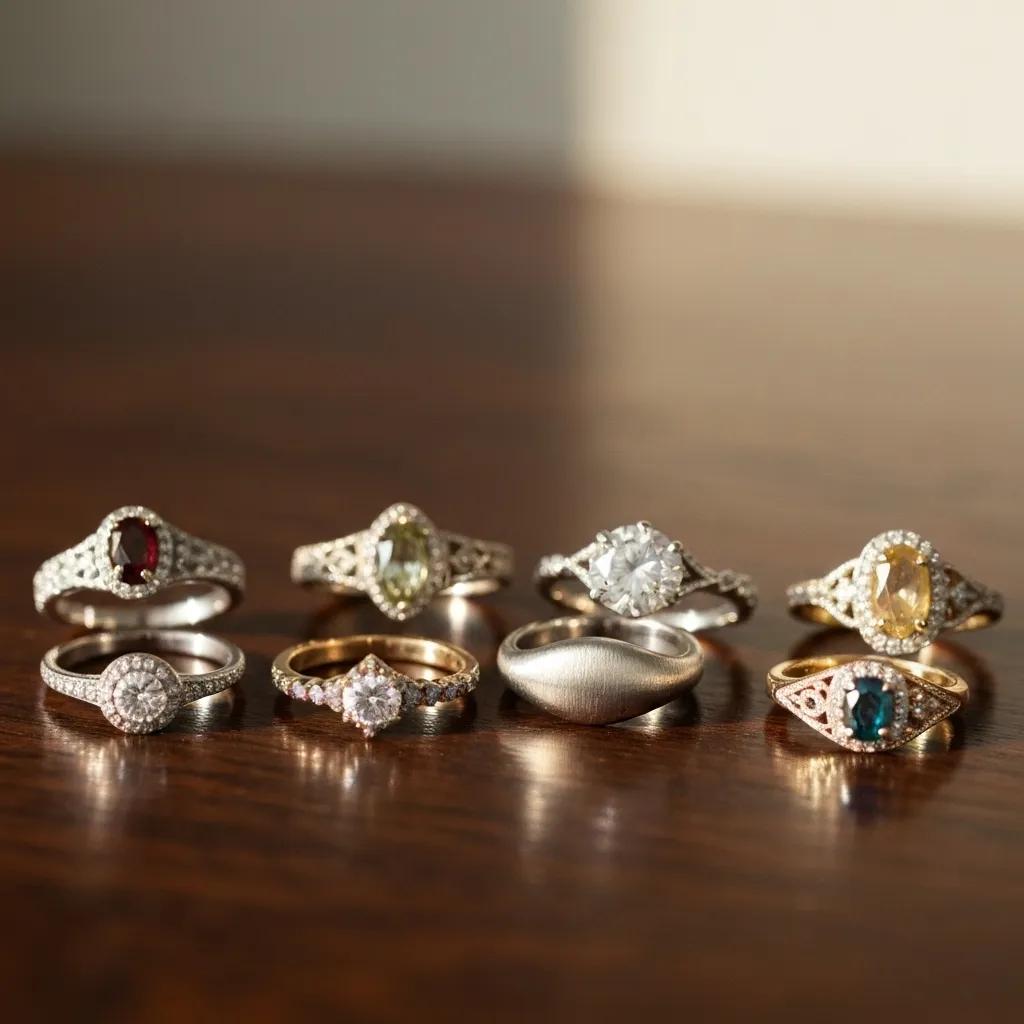
Precious metals range from dense platinum to alloy-reinforced gold and lightweight palladium. Each option balances hardness, wear resistance, hypoallergenic properties, and upkeep demands to deliver lasting beauty and structural integrity.
How Durable Is Platinum Compared to Other Precious Metals?
Platinum combines high density with moderate hardness (Mohs 4–4.5), resisting wear by displacing rather than shedding atoms and developing a natural patina. Its hypoallergenic nature and superior stone-setting strength make it exceptionally durable for everyday rings, though it requires occasional polishing to restore shine.
Platinum Durability
Platinum combines high density with moderate hardness (Mohs 4–4.5), resisting wear by displacing rather than shedding atoms and developing a natural patina. Its hypoallergenic nature and superior stone-setting strength make it exceptionally durable for everyday rings.
Guide to Metals: Pros and Cons of Yellow Gold, White Gold, Rose Gold, vs. Platinum
This citation supports the idea that platinum is a great option for durable rings.
What Are the Durability Differences Among Yellow, White, and Rose Gold?
Gold alloys vary in hardness and maintenance based on karat and composition. The table below compares common gold types:
Rose gold’s copper content gives it greater strength, while white gold relies on rhodium plating to maintain brightness, requiring periodic reapplication.
Gold Alloy Durability
Gold alloys vary in hardness and maintenance based on karat and composition. Rose gold’s copper content gives it greater strength, while white gold relies on rhodium plating to maintain brightness, requiring periodic reapplication.
Guide to Metals: Pros and Cons of Yellow Gold, White Gold, Rose Gold, vs. Platinum
This citation supports the idea that gold alloys vary in hardness and maintenance based on karat and composition.
How Does Palladium Compare in Durability and Weight?
Palladium shares platinum’s hypoallergenic profile and similar wear resistance but offers lighter weight and lower cost. With a Mohs hardness around 4.8, it balances comfort and resilience, making it an appealing alternative for those seeking platinum-like performance.
Is Sterling Silver a Durable Choice for Engagement Rings?
Sterling silver (92.5% silver, 7.5% copper) scores around 2.5–3 on the Mohs scale, making it prone to scratches and tarnish. It demands regular polishing and occasional rhodium plating to maintain appearance, so it suits occasional wear or budget-minded buyers rather than daily wearers.
What Are the Most Durable Alternative Metals for Engagement Rings?
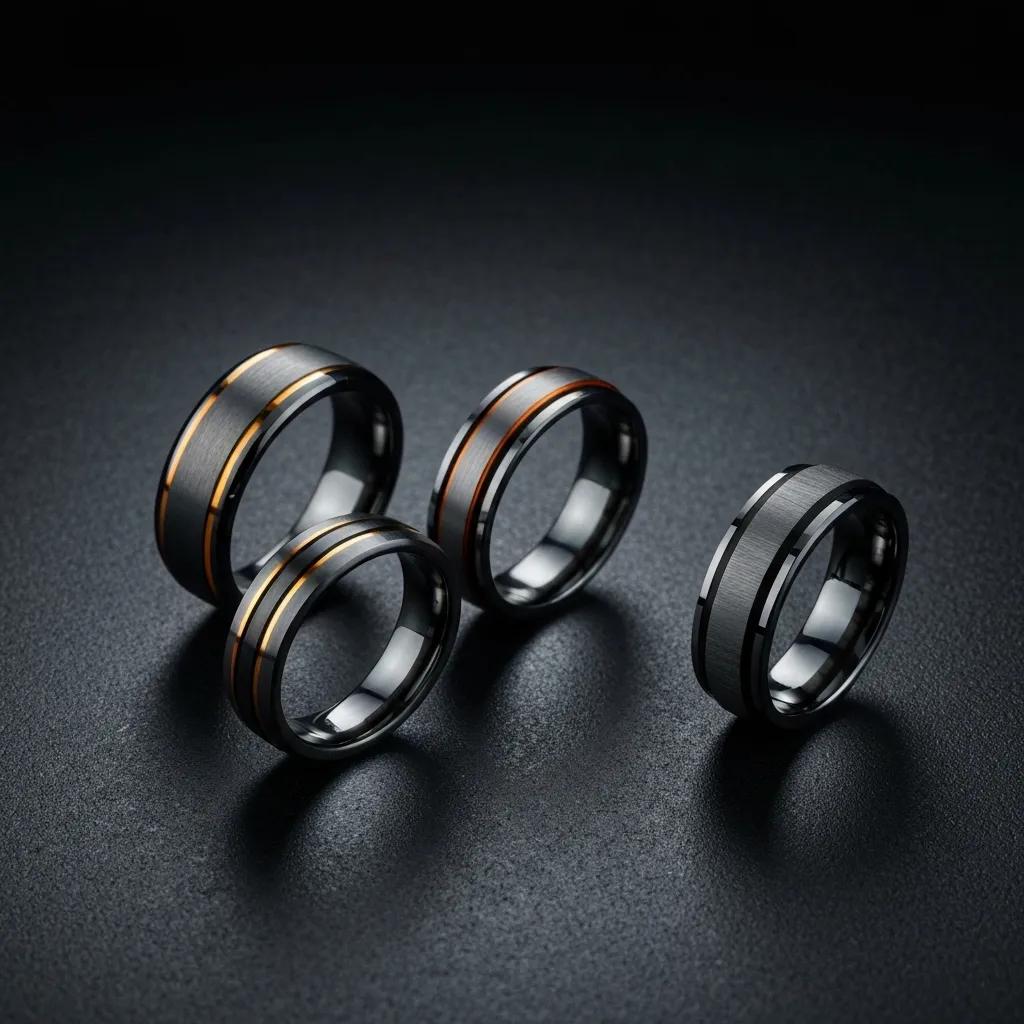
Non-precious metals deliver exceptional hardness and low maintenance, though some present resizing or brittleness trade-offs. These options cater to active lifestyles and modern aesthetics.
Why Is Tungsten Carbide Considered the Hardest Ring Metal?
Tungsten carbide ranks 8–9 on the Mohs scale, providing unmatched scratch resistance that keeps surfaces pristine. Its high brittleness prohibits resizing and makes it susceptible to shattering under extreme impact, so it’s best for wearers who don’t anticipate frequent size adjustments.
Tungsten Carbide Hardness
Tungsten carbide ranks 8–9 on the Mohs scale, providing unmatched scratch resistance that keeps surfaces pristine. Its high brittleness prohibits resizing and makes it susceptible to shattering under extreme impact.
Metal Guide – Luvari
This citation supports the idea that tungsten carbide is the hardest ring metal.
How Does Titanium Balance Strength, Weight, and Scratch Resistance?
Titanium offers a robust yet lightweight structure with a Mohs rating of 6, resisting dents while remaining comfortable for all-day wear. Its hypoallergenic character and corrosion resistance minimise maintenance, though it can develop minor surface scratches over time.
What Makes Cobalt Chrome a Durable and Hypoallergenic Option?
Cobalt chrome combines high hardness (Mohs 5.5–6) with biocompatibility, resisting wear and discolouration without plating. Its weight feels substantial like precious metals, and its scratch resistance keeps rings looking new with minimal care.
How Do Tantalum, Black Zirconium, Ceramic, and Stainless Steel Compare?
These metals each present unique durability traits:
- Tantalum: Hardness ~6, ductile, develops a subtle patina over time.
- Black Zirconium: Nitrogen-treated to form a scratch-resistant oxide layer; hardness ~7.
- Ceramic: Extremely hard (Mohs ~8.5) and lightweight, yet brittle under sharp impact.
- Stainless Steel: Affordable and corrosion-resistant with moderate hardness (~5–6) but limited resizing options.
Collectively, they offer low-maintenance alternatives for ring wearers with varying priorities.
How Does the Mohs Hardness Scale Help Compare Engagement Ring Metals?
The Mohs scale quantifies scratch resistance by comparing minerals’ relative hardness from 1 (softest) to 10 (hardest). Mapping ring metals on this scale clarifies their practical performance against everyday abrasives and tools.
Mohs Hardness Scale
The Mohs scale quantifies scratch resistance by comparing minerals’ relative hardness from 1 (softest) to 10 (hardest). Mapping ring metals on this scale clarifies their practical performance against everyday abrasives and tools. Metals are ranked based on their ability to scratch softer substances.
Metal Hardness Scale – A Chart of the Mohs Scale of Hardness – Alan’s Factory Outlet (2025-07-10)
This citation provides a basic comparative measure for metal hardness.
What Are the Mohs Hardness Values of Common Engagement Ring Metals?
This comparison highlights how each metal resists everyday contact and informs maintenance expectations.
How Does Hardness Translate to Real-World Durability and Scratch Resistance?
Hardness directly correlates with a ring’s ability to avoid surface marring when brushing against keys, countertops, or tools. Metals above 5 on the Mohs scale generally maintain a near-untouched finish under normal wear, reducing polishing frequency and preserving intricate designs.
Which Engagement Ring Metals Are Best Suited for Different Lifestyles?
Matching metal properties to daily activities and skin sensitivities ensures long-term satisfaction and minimal upkeep.
What Are the Top Durable Metals for Active and Outdoor Lifestyles?
For hands-on occupations or outdoor hobbies, choose:
- Tungsten Carbide for unmatched scratch resistance
- Titanium for strength and lightness
- Platinum for density and wear resistance
These metals withstand abrasion and impact while retaining structural integrity.
Which Metals Are Best for Sensitive Skin and Hypoallergenic Needs?
Individuals with nickel allergies benefit from:
- Platinum and Palladium, naturally nickel-free
- Titanium and Cobalt Chrome, biocompatible alloys
Hypoallergenic Metals
Individuals with nickel allergies benefit from platinum and palladium, which are naturally nickel-free, as well as titanium and cobalt chrome, which are biocompatible alloys. These options minimise irritation and maintain skin health.
Rings for Sensitive Skin – Your Guide to Hypoallergenic Rings for Men – Newman Bands (2025-07-26)
This citation supports the idea that certain metals are best for sensitive skin.
How Should Budget Influence Your Choice of Durable Ring Metal?
Cost considerations often balance durability:
- Stainless Steel and Sterling Silver suit tight budgets but need more upkeep.
- 14K and 18K Gold offer mid-range durability with moderate maintenance.
- Platinum, Palladium, and Tungsten Carbide command higher investment for exceptional resilience.
Choosing the ideal engagement ring metal depends on balancing hardness, wear resistance, maintenance requirements, and lifestyle priorities. By comparing precious and alternative metals through hardness ratings, alloy properties, and real-world performance, couples can select a ring that endures as long as their commitment.


