
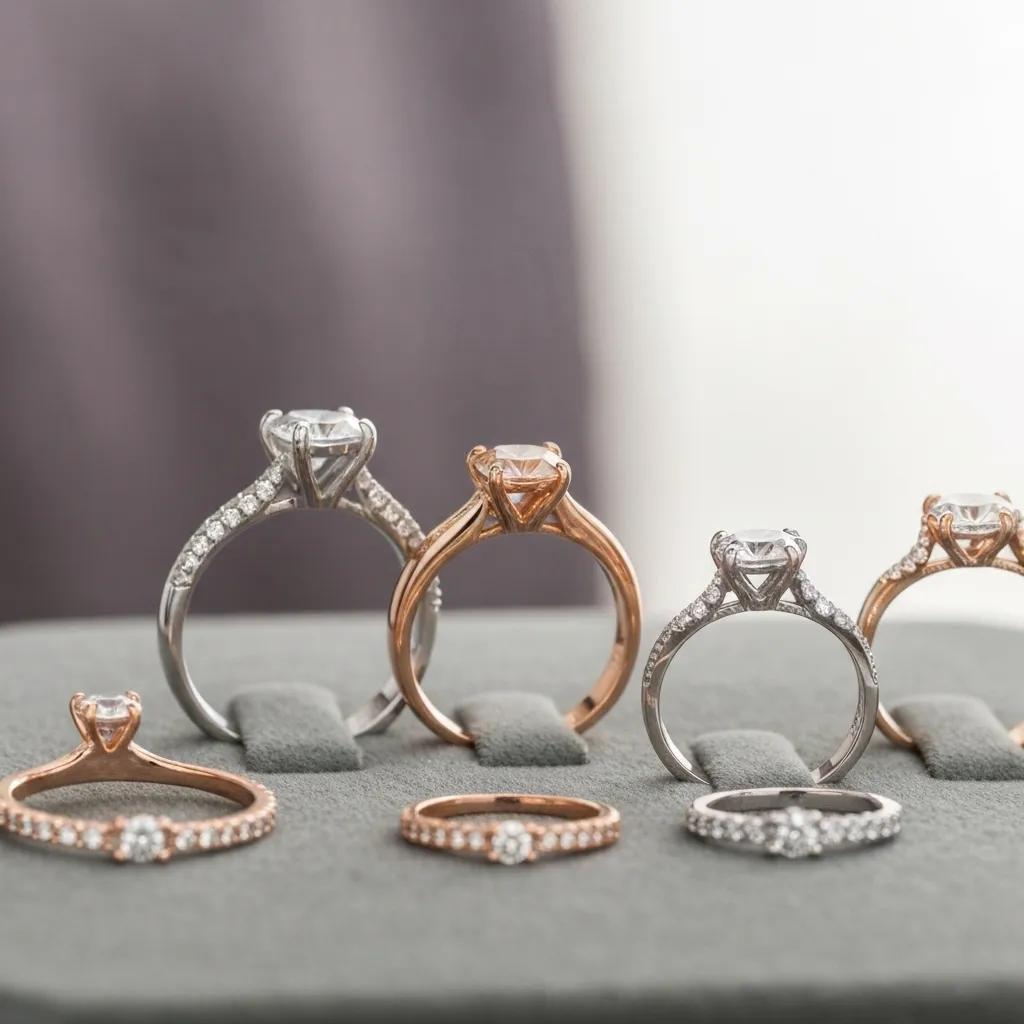
Durable & Stylish Engagement Ring Metals by Australian Diamond Company
Selecting the ideal metal for an engagement ring can determine its longevity, comfort, and aesthetic harmony. This guide cuts through the noise to reveal which metals excel in durability, hypoallergenic performance, cost‐to‐care balance, lifestyle compatibility, and sustainability. Readers will discover:
- The most durable metals and their hardness profiles
- Hypoallergenic options for sensitive skin
- Cost versus maintenance trade-offs
- How metal choice complements active lives and gemstone colour
- Ethical and eco-friendly metal sources
For bespoke diamond engagement rings in 18ct white, rose, and yellow gold or 950 platinum, explore the Australian Diamond Company.
What Are the Most Durable Metals for Engagement Rings?
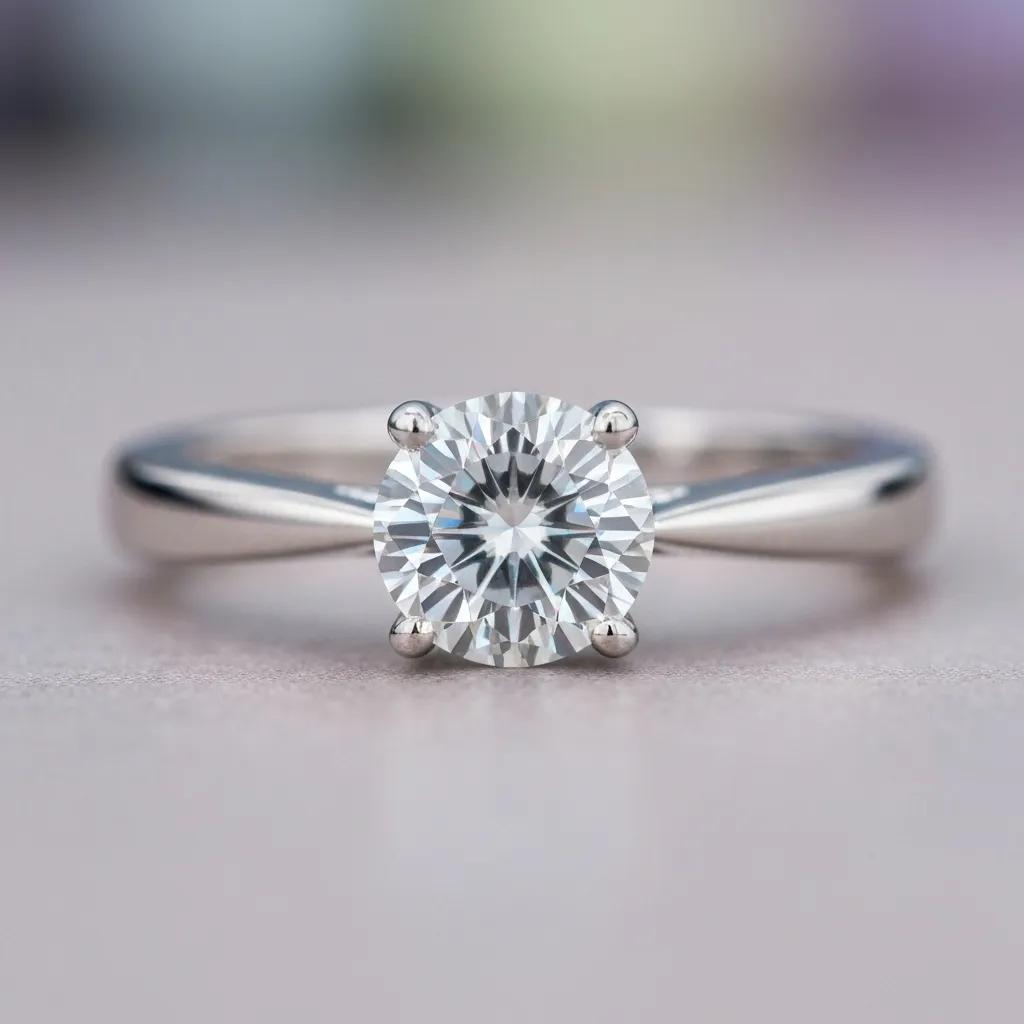
Platinum, palladium, and high-karat rose gold rank at the top for scratch resistance and wear longevity, ensuring heirloom quality.
Why Is Platinum Considered the Most Durable Metal?
Platinum’s exceptional density (21.45 g/cm³) and Mohs hardness (4–4.5) translate into minimal metal loss under daily wear, safeguarding prong settings and gemstone security. Its patina develops rather than erodes, promoting both resilience and a classic finish that endures.
Durability of Platinum
Platinum is exceptionally durable, withstanding daily wear and tear due to its high density and resistance to scratches and corrosion. This makes it a great choice for engagement rings, ensuring they can last for generations.
How Does Rose Gold Compare in Durability to Yellow and White Gold?
Rose gold combines gold and copper alloys to achieve a Mohs hardness of 3.5–4, making it harder than yellow or white gold (2.5–3). The copper content not only deepens colour but also resists scratches more effectively, offering a robust alternative without sacrificing warm hue.
Is Palladium a Lightweight Yet Durable Alternative?
Palladium features a Mohs hardness of 4.75 and density of 12.0 g/cm³, making it both lighter and nearly as wear-resistant as platinum. Its platinum-group composition endows it with excellent scratch resistance and lasting lustre, all while reducing ring weight for daily comfort.
These profiles demonstrate why platinum and palladium outperform traditional gold in sustaining a flawless appearance under constant wear.
Which Metals Are Best for Sensitive Skin and Allergies?
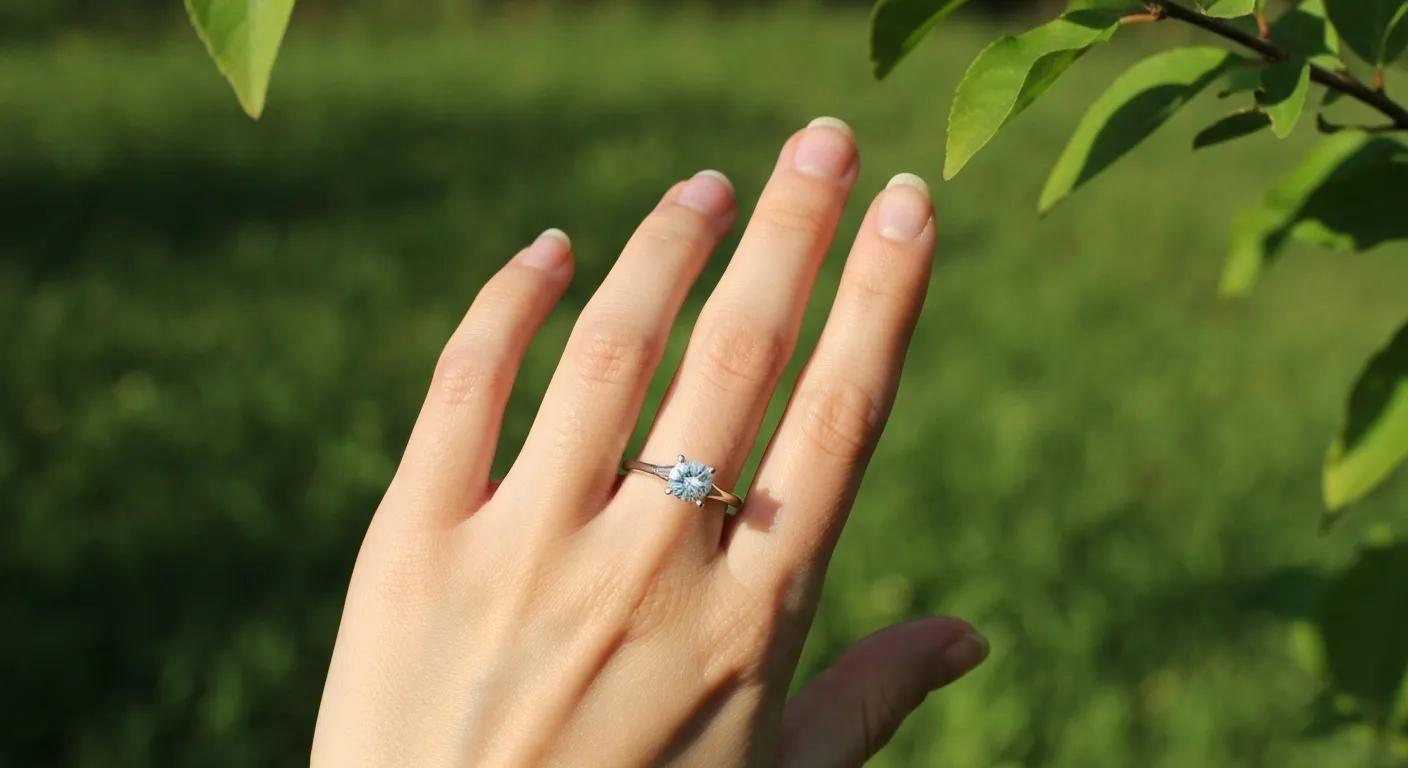
Hypoallergenic metals like platinum and nickel-free gold alloys minimise irritation for those prone to metal reactions.
What Makes Platinum Hypoallergenic and Ideal for Sensitive Skin?
Platinum’s chemical inertness and 95%–98% purity eliminate common irritants, preventing redness or rash even with extended skin contact. Its naturally white tone remains stable without additional plating, further reducing exposure to allergenic coatings.
Hypoallergenic Properties of Platinum
Platinum is a hypoallergenic metal, making it ideal for those with sensitive skin because of its purity and composition. It is less likely to cause allergic reactions, which is a common and popular choice for engagement rings.
Are There Nickel-Free White Gold Options for Allergy Sufferers?
Yes. White gold alloys using palladium or silver instead of nickel provide the same bright finish while avoiding common allergens. These nickel-free formulations maintain strength and colour stability, though they may require occasional rhodium plating to refresh lustre.
Can Rose Gold Cause Skin Irritation Due to Copper Content?
Rose gold contains up to 25% copper, which can trigger sensitivity in rare cases. However, modern 18ct rose gold blends often balance copper with silver to mitigate irritation while preserving durability and hue.
How Do Cost and Maintenance Affect Your Choice of Engagement Ring Metal?
Cost considerations must account for both upfront investment and long-term upkeep to preserve finish and integrity.
Why Is Platinum More Expensive but Lower Maintenance?
Platinum’s rarity and high density drive a premium price—roughly 20%–50% above comparable gold settings. However, its natural white sheen and patina development eliminate the need for plating, reducing annual upkeep.
Maintenance of White Gold vs. Platinum
White gold requires rhodium plating every 1-2 years to maintain its bright white surface, while platinum does not need plating and develops a patina over time. This makes platinum a lower-maintenance option compared to white gold.
What Maintenance Does White Gold Require Compared to Other Metals?
White gold demands rhodium plating every 1–2 years to restore its bright white surface and conceal yellow undertones. This process incurs additional costs and occasional polishing to address surface wear.
Is Palladium a More Affordable Alternative to Platinum?
Palladium typically costs 30%–40% less than platinum while delivering comparable hypoallergenic and durability benefits. Minimal maintenance beyond routine cleaning makes it a cost-effective choice for budget-conscious buyers.
This comparison clarifies the trade-offs between initial spend and ongoing care across popular metals.
How to Match Engagement Ring Metals to Lifestyle and Personal Style?
Choosing a metal should reflect daily activities, professional environments, and individual aesthetic preferences.
Which Metals Are Best for Active or Professional Lifestyles?
Platinum and palladium stand out for active wearers—healthcare workers, athletes, or manual-labour professionals—due to their superior scratch resistance and low-maintenance profiles that uphold ring integrity under rigorous use.
How Does Metal Colour Influence Diamond Appearance and Skin Tone?
White metals (platinum, white gold) enhance the brilliance of colourless diamonds, creating a crisp contrast, while warm metals (yellow, rose gold) complement champagne or brown diamonds and flatter warmer skin tones by reflecting a subtle glow.
What Are the Latest Trends in Engagement Ring Metals for 2025?
Designers forecast a resurgence of 18ct yellow gold for its vintage appeal, alongside growth in rose gold for romantic warmth. Platinum remains a staple for minimalist and modern settings, and palladium gains traction as a lightweight, sustainable alternative.
What Ethical and Sustainable Metal Options Are Available for Engagement Rings?
Consumers increasingly seek metals with transparent sourcing, minimal environmental impact, and social responsibility.
How Are Recycled and Ethically Sourced Metals Changing the Market?
Recycled platinum and gold reduce mining demand by up to 40%, while certified fair-trade gold ensures responsible labour practices. These ethically sourced metals adhere to rigorous environmental and human-rights standards, empowering conscious purchasing.
Ethical Sourcing of Metals
Recycled platinum and gold reduce mining demand, and certified fair-trade gold ensures responsible labour practices. Ethical sourcing involves using diamonds and precious metals obtained through responsible practices, avoiding conflict diamonds and ensuring fair labour conditions and minimal environmental impact.
Which Metals Offer Eco-Friendly Alternatives Without Compromising Quality?
Palladium and recycled 18ct gold alloys deliver the same durability and beauty as newly mined metals. Their lower ecological footprint and traceable supply chains affirm a commitment to sustainable luxury.
Adopting recycled and responsibly mined metals advances both environmental stewardship and the creation of a lasting symbol of commitment.
Engagement ring metal choice unites practical performance, personal expression, and ethical values—ensuring a timeless treasure that endures in style and conscience.


