

Smart Engagement Ring Budgeting Tips from Australian Diamond Company
Engagement rings cost an average of $6,504 in 2025, making engagement ring budgeting strategies a critical step for couples who want to balance celebration and financial health. This guide pinpoints real cost benchmarks, debunks misleading salary myths, reveals saving tactics—from lab-grown alternatives to savvy shopping—and outlines financing paths and communication best practices. By following these steps, couples can confidently allocate funds, avoid overspending, and align ring choices with future goals. For a customized budgeting tool, explore ADC’s engagement ring budgeting calculator.
What Is the Average Cost of an Engagement Ring in 2025?
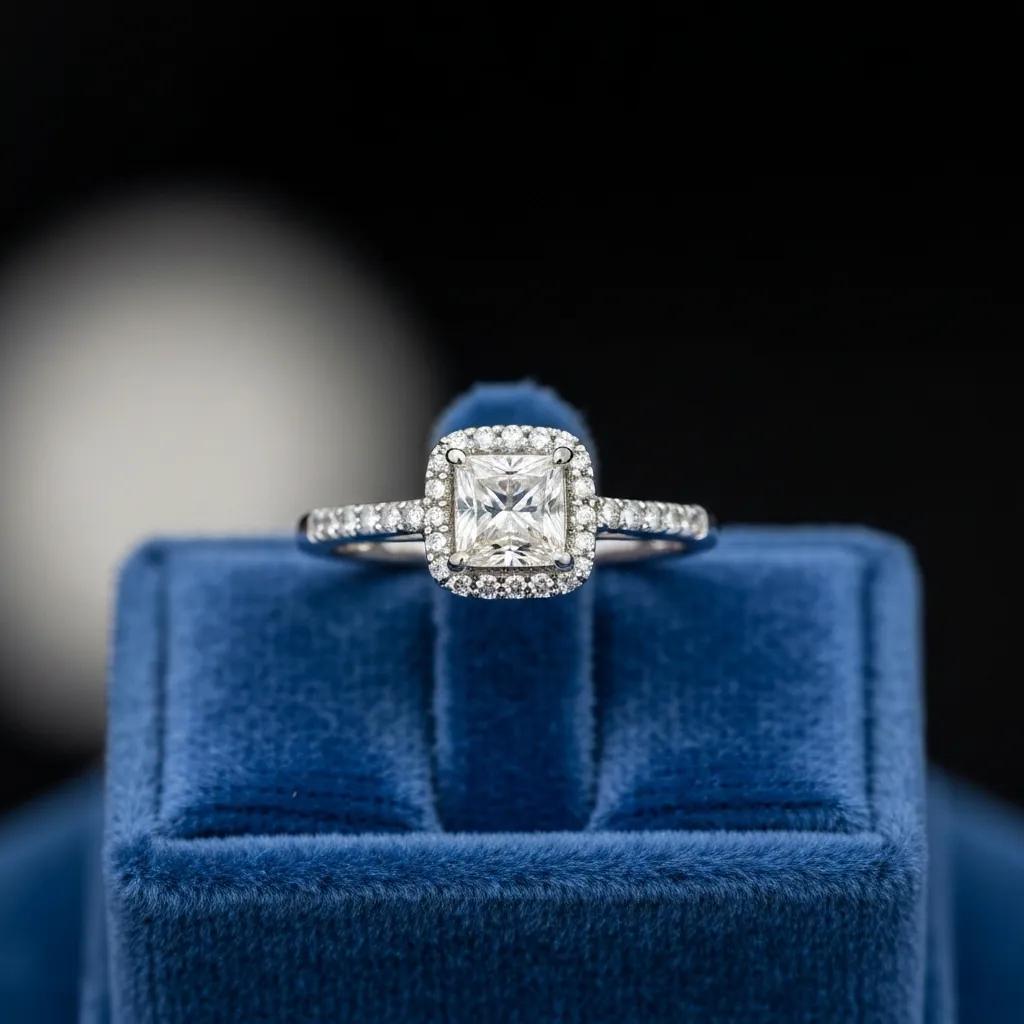
The average engagement ring in 2025 costs around $6,504 due to rising metal and gemstone prices, economic shifts, and design trends. This figure helps couples set a realistic spending limit by comparing industry data and personal finances. For instance, a mid-range diamond solitaire often averages $4,000–$6,000, guiding partners toward a balanced budget that supports both quality and savings.
The Knot, Real Wedding Study (2024)
To illustrate regional variations and drivers, consider the following cost breakdown:
These benchmarks clarify spending expectations and set the stage for understanding which factors push costs higher.
How Do the 4 Cs Affect Engagement Ring Prices?
The 4 Cs—Carat, Cut, Clarity, Color—directly determine diamond value by combining weight, brilliance, purity, and hue.
- Carat weighs the stone and boosts price exponentially with size.
- Cut controls sparkle and influences perceived size.
- Clarity rates internal flaws, with higher grades commanding premiums.
- Color measures tint, where near-colorless diamonds enhance brilliance.
By mastering the 4 Cs, couples can fine-tune each attribute to improve sparkle and control cost allocation.
What Other Factors Influence Engagement Ring Costs?
Beyond the 4 Cs, material and design choices shape the final price:
- Metal selection (platinum vs. gold alloys) adjusts durability and value.
- Setting type (halo, solitaire, vintage) impacts labor and complexity.
- Brand reputation adds markup for designer names.
- Customization options (engraving, unique shapes) elevate craftsmanship fees.
Considering these elements ensures a comprehensive ring budget and leads naturally into identifying and avoiding common budgeting myths.
Which Engagement Ring Budget Myths Should Couples Avoid?
Many budgeting rules originate in marketing rather than financial planning, risking overspending and stress. By distinguishing fact from fiction, couples can protect their financial stability and enjoy the engagement process with confidence.
Is the Two-Month Salary Rule a Reliable Budgeting Guide?
No, the “two-month salary” rule is an outdated marketing tactic, not a financial mandate. It pressures purchasers to allocate a fixed income proportion irrespective of debt, savings goals, or long-term plans. Couples benefit more from a spending limit tied to emergency funds and debt levels, promoting genuine financial health.
Financial Planning Association, Consumer Financial Education (2023)
How Can Couples Prioritize Financial Health Over Societal Pressure?
Couples can strengthen their financial foundation by:
- Establishing joint savings goals aligned with short- and long-term plans.
- Reviewing monthly cash flow to set a flexible spending ceiling.
- Consulting with a financial planner to integrate ring costs into overall budgets.
These steps support responsible decision-making and transition smoothly into actionable saving strategies.
How Can Couples Save Money on Their Engagement Ring?
Smart saving starts with exploring affordable alternatives and optimizing design choices. By reassessing traditional diamond norms, couples can redirect savings toward future goals like a home or honeymoon.
What Are the Benefits of Diamond Alternatives Like Lab-Grown Diamonds and Moissanite?
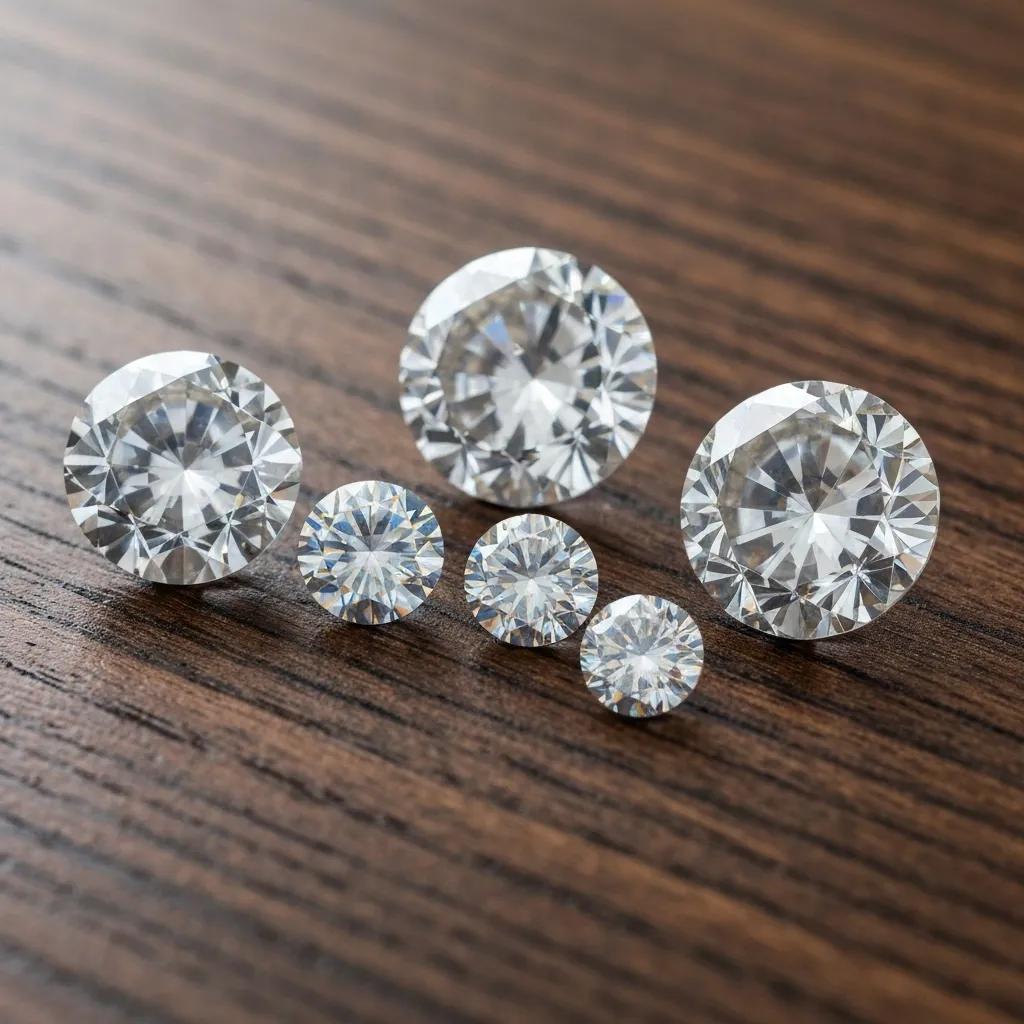
Alternatives reduce upfront costs by 40–70 percent while still offering brilliance and hardness.
These choices enhance budget flexibility and improve ethical alignment, paving the way for optimizing traditional diamonds.
How Can You Optimize the 4 Cs to Fit Your Budget?
Couples can control price by:
- Prioritizing Cut for maximum sparkle at a lower carat.
- Accepting near-colorless grades (G–H) with minimal hue impact.
- Choosing VS clarity to hide inclusions without premium costs.
This approach balances quality and spending limits.
What Savvy Shopping Tips Help Lower Engagement Ring Costs?
To secure the best value:
- Compare online and brick-and-mortar retailers for competitive pricing.
- Shop end-of-season or during sale events.
- Consider certified pre-owned or vintage rings for unique styles at reduced rates.
These tactics refine your cost allocation before exploring financing options.
What Financing and Payment Options Are Available for Engagement Rings?
Understanding payment structures allows couples to invest responsibly without depleting emergency reserves. By evaluating each option, partners can select the most supportive plan for their financial situation.
How Do Payment Plans and Loans Work for Engagement Ring Purchases?
Payment plans let buyers split costs over 6–24 months, often with interest or promotional APR. Personal loans provide a lump-sum purchase with fixed monthly payments. While payment plans improve cash flow, loans may incur higher overall interest—couples should compare total cost before committing.
What Are Practical Steps to Save Up for an Engagement Ring?
A structured saving roadmap can accelerate goal attainment:
- Define a target amount and timeline.
- Automate monthly transfers to a dedicated ring fund.
- Reduce discretionary spending on nonessential items.
- Explore side gigs to boost savings velocity.
This disciplined approach transitions naturally into collaborative budgeting discussions.
How Can Couples Personalize Their Engagement Ring Budget Together?
Joint financial planning fosters trust and ensures ring spending aligns with shared objectives. By co-creating a budget, partners build mutual understanding and establish a framework for future milestones.
Why Is Open Communication About Budget Important for Couples?
Transparent dialogue about spending priorities prevents misunderstandings and unearths individual expectations. When partners share financial histories and goals, they co-design a budget that reflects mutual respect and responsibility.
How Can Ring Choices Align with Future Financial Goals?
Couples can select ring styles that complement long-term plans—for example, choosing a modest diamond now and using saved funds for a home down payment later. This balanced approach supports both immediate celebration and enduring ambitions.
Ring budgeting becomes a shared journey that strengthens a couple’s financial partnership and enriches their commitment to one another.


