
How Durable Are Your Wedding Band Options? Find Out!
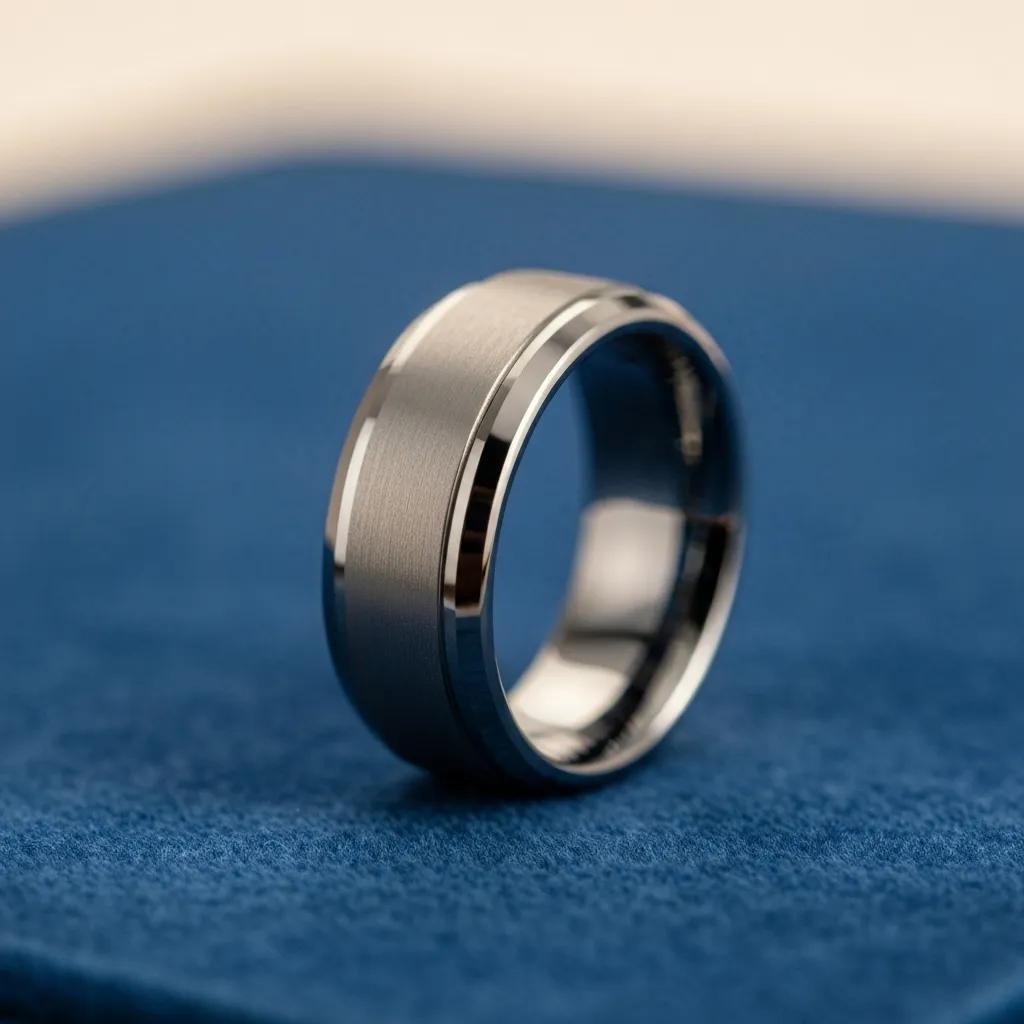
Durable Scratch-Resistant Wedding Bands – Australian Diamond Company
Durability of different wedding band types defines how your ring weathers everyday life without losing its lustre or structural integrity. When couples commit to a lifetime together, the wedding band must resist scratches, corrosion, impact and skin sensitivities from day one onward. This guide examines five critical durability factors, compares precious and alternative metals, aligns recommendations to active lifestyles, explores ethical sourcing trends and clarifies how durability influences value and maintenance, empowering you to select a ring that endures like your bond.
What Are the Key Factors That Define Wedding Band Durability?
Wedding band durability combines material hardness, scratch resistance, corrosion tolerance, impact resilience and hypoallergenic properties to ensure a ring retains its finish and comfort through years of wear. These factors arise from each metal’s atomic structure, alloy composition and surface chemistry. For example, a high-hardness metal withstands abrasion, while an inert surface avoids tarnish. Understanding these attributes creates a clear framework for comparing metals under the unified concept of everyday resilience.
How Does Metal Hardness Affect Wedding Band Longevity?
Metal hardness measures a ring’s resistance to surface deformation on the Mohs scale, where each integer step represents a markedly firmer material that better preserves its polished finish. Higher hardness reduces micro-abrasions and maintains lustre during routine activities such as typing or cooking.
Tungsten carbide’s superior hardness makes it nearly impervious to scratches, while gold alloys require more frequent polishing. These hardness differentials directly influence the long-term appearance of each ring and set the stage for evaluating scratch resistance next.
Which Metals Offer the Best Scratch Resistance for Wedding Rings?
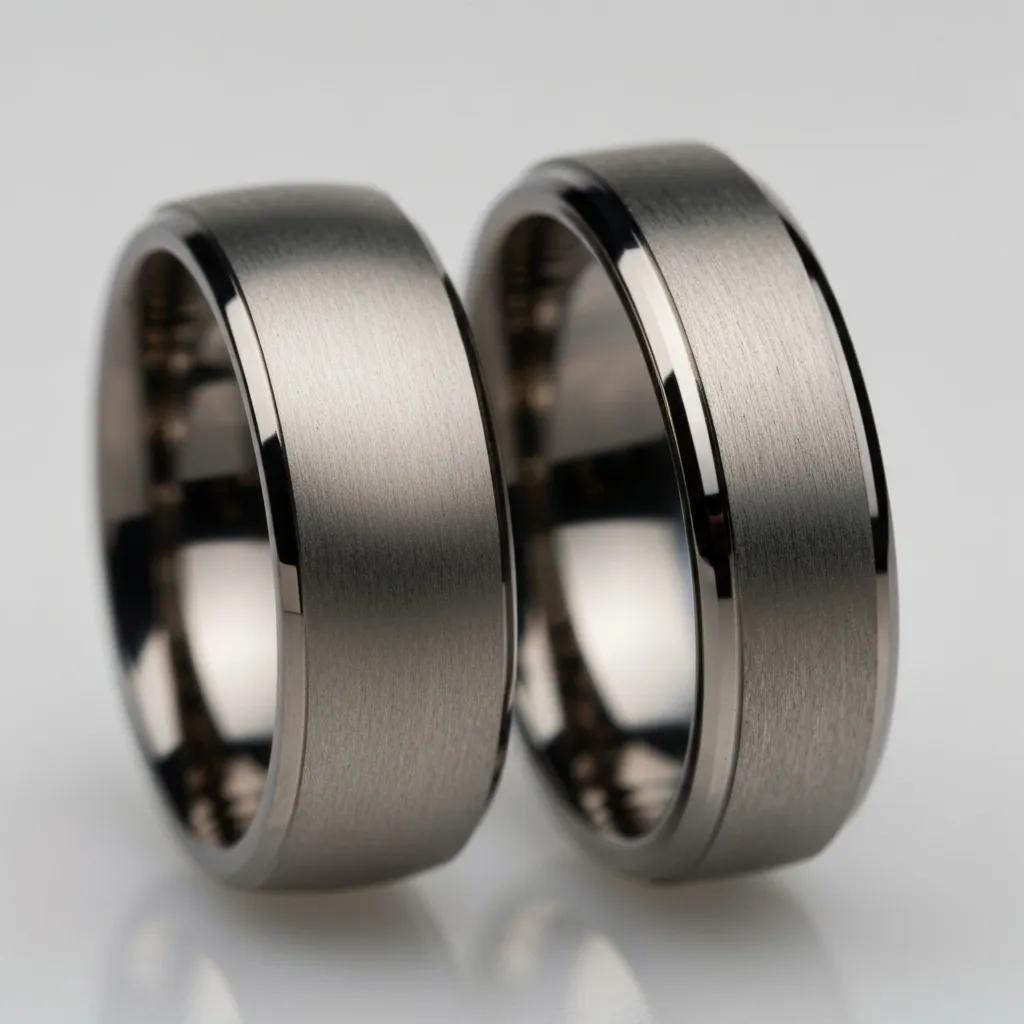
Scratch resistance indicates how well a ring surface avoids fine abrasions that dull its appearance. Rings crafted from tungsten carbide and ceramic sustain a pristine finish with minimal maintenance, enhancing everyday elegance.
- Tungsten carbide resists surface marks through its dense carbides, preserving shine without plating or coating. (parisieninc.com)
- Ceramic wedding bands maintain a flawless profile due to their high silicon-based hardness and chemical stability.
- Cobalt chrome rings combine hardness with ductility, resisting scratches while avoiding catastrophic shattering.
Exceptional scratch resistance translates into a ring that retains its original polish, paving the way to consider long-term tarnish and corrosion performance.
How Important Is Tarnish and Corrosion Resistance in Wedding Bands?
Tarnish resistance measures a metal’s ability to avoid surface discoloration from oxidation or chemical exposure, directly impacting a ring’s enduring aesthetic. Platinum and palladium remain chemically inert, delivering a naturally white sheen that never needs plating. Stainless steel alloys also exhibit strong corrosion resistance in seawater and perspiration environments. This property preserves visual appeal and informs the choice of metals for daily wear with minimal upkeep.
What Role Does Impact Resistance and Brittleness Play in Durability?
Impact resistance reflects how well a ring withstands sudden force without fracturing, whereas brittleness describes its tendency to crack under shock. While tungsten carbide and ceramic excel at resisting scratches, their limited ductility makes them brittle under heavy impact. In contrast, titanium and gold alloys flex slightly on impact, reducing the risk of shattering but increasing the likelihood of surface marks. Balancing scratch resistance with impact performance ensures a ring remains both intact and attractive.
Which Wedding Band Metals Are Hypoallergenic and Suitable for Sensitive Skin?
Hypoallergenic metals minimise allergic reactions by excluding nickel and irritant alloys, ensuring comfort for sensitive skin. Platinum meets medical-grade standards for biocompatibility, while titanium’s inert oxide layer prevents dermatitis, making both ideal for daily wear without irritation. Palladium shares these hypoallergenic qualities, offering an elegant alternative with reduced weight. Prioritising skin compatibility secures both durability and comfort for lifelong enjoyment.
Which Are the Most Durable Precious Metals for Wedding Bands?
Precious metals have long symbolised luxury and commitment, but their wear resistance varies by density and alloy composition. Platinum, gold and palladium remain the core valuable options, each offering distinct balances of hardness, maintenance and weight. Examining their characteristics clarifies which precious metal best aligns with your durability priorities.
Why Are Platinum Wedding Bands Known for Their High Durability and Elegance?
Platinum wedding bands combine density and natural whiteness to deliver exceptional scratch resistance and enduring lustre. This metal’s atomic structure resists surface deformation, while its inert chemistry prevents corrosion and tarnish.
- High density enhances resistance to everyday abrasion.
- Natural white sheen requires no rhodium plating to maintain colour.
- Hypoallergenic purity minimises skin reactions.
Platinum’s Durability and Hypoallergenic Properties
Platinum wedding bands are known for their durability, with a Mohs hardness of 4–4.5, and natural white sheen. Platinum is also hypoallergenic, making it suitable for sensitive skin.
Larson Jewelers, The Diamond Pro, Nodeform, Diamond Heaven (2023-2025)
Platinum’s premium durability and timeless appearance make it a natural choice for those seeking a ring that honours both elegance and endurance.
How Does Gold Durability Vary by Karat and Colour?
Gold durability depends on karat purity and alloy composition, where each reduction in karat increases hardness through added metals. Colour variations result from different alloy blends that also influence corrosion resistance and care.
Gold Karat and Durability
The durability of gold varies with its karat, with lower karats (like 14K) being more durable due to the presence of alloy metals. 18K gold offers a balance of durability and rich colour.
Adita Jewels Factory, Melorra Jewellery Guide, The Diamond Pro, Brinker’s Jewelers, My Jewelry Repair (2025)
This citation clarifies how gold’s durability is affected by its karat composition, as discussed in the article.
What Are the Durability and Maintenance Considerations for Palladium Rings?
Palladium, a member of the platinum group, delivers similar hardness and hypoallergenic performance at a lighter weight and lower cost. Its naturally white finish resists tarnish, but occasional polishing restores peak brilliance after years of wear. This combination of durability and manageable maintenance positions palladium as an appealing precious-metal alternative.
Are Silver and Sterling Silver Wedding Bands Durable Enough for Daily Wear?
Pure silver rings tarnish rapidly due to surface oxidation, while sterling silver alloys (92.5% silver, 7.5% copper) improve hardness and corrosion resistance. Despite this enhancement, sterling silver remains softer than gold or platinum alloys and is best suited for occasional wear or as a budget-friendly option with regular polishing. Choosing silver demands acceptance of more frequent maintenance to retain shine.
What Are the Best Alternative Metals for Scratch-Resistant and Durable Wedding Bands?
Alternative metals engineered for industrial applications deliver remarkable hardness, lightweight strength and modern aesthetics. Tungsten carbide, titanium, ceramic, cobalt chrome and stainless steel each present unique advantages for couples seeking rings that shrug off life’s demands with minimal care.
Why Is Tungsten Carbide Considered the Hardest and Most Scratch-Resistant Metal?
Tungsten carbide achieves hardness near 9 on the Mohs scale by fusing tungsten particles with carbon under extreme heat and pressure. This microstructure prevents surface scratches and keeps polish intact for years.
- Exceptional scratch resistance preserves a pristine profile.
- High compressive strength ensures shape retention under load.
- Black or grey finishes provide striking modern contrast.
Tungsten Carbide: The Champion of Scratch Resistance
Tungsten carbide, a compound of tungsten and carbon, is exceptionally hard, with a Mohs hardness rating of 8–9, making it highly resistant to scratches and wear. This makes it a top choice for those seeking a durable ring that can withstand daily wear.
Newman Bands, Happy Laulea, ZHONGBO, Larson Jewelers, Steven G Designs (2022-2025)
Tungsten carbide’s unmatched hardness ensures a ring retains its original polish, transitioning us to explore how titanium balances strength with weight.
How Does Titanium Combine Lightweight Strength with Durability?
Titanium’s excellent strength-to-weight ratio stems from its strong metallic bonds and low density, offering a durable ring that feels feather-light. Its natural oxide layer prevents corrosion and provides a subtle grey sheen without plating.
- High impact resistance reduces the risk of cracking.
- Biocompatible surface minimises skin irritation.
- Limited resizing options require precise initial sizing.
Titanium’s Strength and Lightweight Nature
Titanium wedding bands are known for their strength, lightweight nature, and resistance to scratching and corrosion. Titanium is also hypoallergenic, making it a good choice for those with sensitive skin.
Larson Jewelers, Trysor Jewellers, Hitched.co.uk, Wolf&Bond (2016-2024)
Titanium’s blend of strength, comfort and hypoallergenic qualities positions it as a top choice for active lifestyles.
What Are the Durability Features of Ceramic and Cobalt Chrome Wedding Bands?
Ceramic and cobalt chrome rings deliver scratch resistance and lasting colour stability through engineered compositions. Ceramic’s silicon-based hardness achieves near-diamond toughness, while cobalt chrome’s high chromium content prevents tarnish and sustains bright whiteness.
- Ceramic avoids all metal allergies and flexes without denting.
- Cobalt chrome resists corrosion and sustains mirror polish.
- Both materials maintain colour without replating.
These modern materials offer durable, low-maintenance alternatives for couples seeking non-metallic finishes.
How Do Stainless Steel and Other Metals Compare in Durability and Maintenance?
Stainless steel combines moderate hardness with strong corrosion resistance, making it a cost-effective option for daily wear. While harder than silver, it lacks the scratch resistance of tungsten or ceramic and often requires occasional buffing to remove surface marks. Other specialty alloys like zirconium also resist corrosion and weigh less than traditional metals, broadening the spectrum of practical, durable rings.
How Can You Choose the Most Durable Wedding Band for Your Lifestyle?
Selecting the ideal durable wedding band involves matching metal properties to daily activities, comfort preferences and maintenance expectations. Considering occupational demands, recreational habits and weight tolerance guides a personalised choice that enhances both resilience and enjoyment.
Which Wedding Band Metals Are Best for Active and Tradesperson Lifestyles?
For heavy-duty work, rings must endure knocks, abrasion and exposure to chemicals:
- Tungsten Carbide blends extreme scratch resistance with high compressive strength.
- Titanium offers impact resilience and lightweight comfort during manual labour.
- Cobalt Chrome sustains polish under abrasive contact and resists corrosion.
These metals ensure a ring stands up to demanding trades without constant touch-ups.
What Are the Ideal Metals for Athletes and Outdoor Enthusiasts?
Outdoor activities expose rings to moisture, sweat and repeated impact. The best options include:
- Titanium for its corrosion resistance and minimal weight during endurance exercise.
- Stainless Steel for moderate hardness and easy cleanup after swims or hikes.
- Ceramic for flawless scratch resistance that endures trail encounters.
Choosing a metal tuned to your sports and adventures keeps your band looking new.
How Does Weight and Comfort Influence Durable Wedding Band Choices?
Weight and comfort determine how effortlessly a ring integrates into daily life. Heavier metals like platinum improve scratch resistance but can feel cumbersome during extended wear. Conversely, titanium and ceramic provide durable rings that feel almost imperceptible. Prioritising comfort alongside durability ensures you enjoy both resilience and ease.
What Maintenance Practices Extend the Life of Durable Wedding Bands?
Regular care prolongs a ring’s finish and structural integrity through:
- Gentle Cleaning with mild soap and a soft brush to remove debris.
- Professional Polishing every 1–2 years for precious metals.
- Inspection for chips or loose insets to prevent damage.
- Timely Re-Plating of white gold or plating-dependent alloys.
Proactive maintenance enhances durability and sustains your ring’s original beauty.
How Do Ethical Sourcing and Sustainability Impact Durable Wedding Band Material Choices?
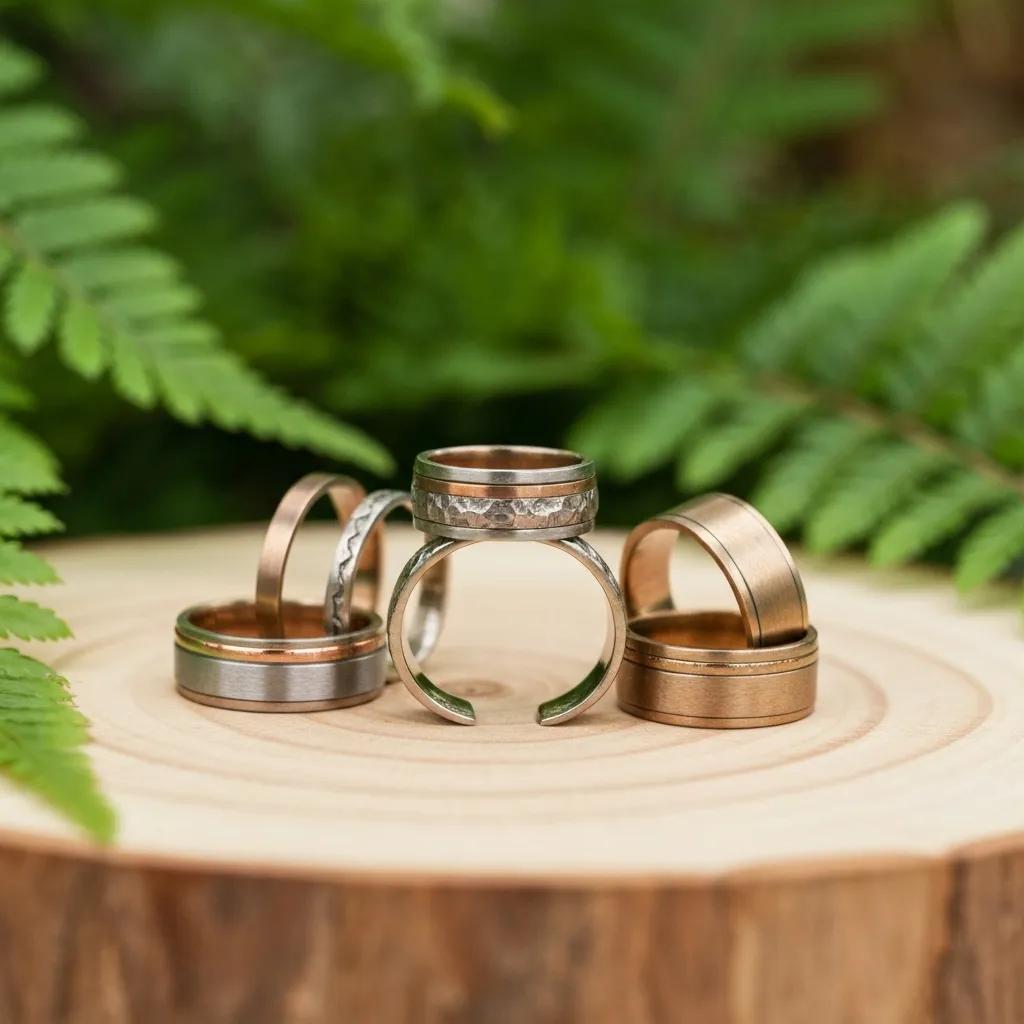
Ethical sourcing links durability with social and environmental responsibility by ensuring materials come from traceable, low-impact origins. Recycled metals and lab-grown diamonds reduce ecological footprints while offering identical durability and aesthetic quality. Embracing sustainability aligns lasting craftsmanship with conscientious values.
Ethical Sourcing and Sustainable Materials
Ethical wedding bands are made with responsibly sourced materials, such as recycled or Fairmined gold and platinum, to minimise environmental harm and respect workers’ rights.
Lebrusan Studio, Catbird, Bario Neal, Emma Aitchison Jewellery (2024)
Why Is Ethical Sourcing Important for Durable Diamond and Metal Jewelry?
Ethical sourcing builds confidence that metals and gems are mined or produced under fair labour and environmental standards, strengthening both product integrity and long-term value. Rings crafted from responsibly sourced platinum or recycled gold maintain the same hardness and corrosion resistance while minimising ecological harm. This approach fuses durability with trust.
How Do Lab-Grown Diamonds Affect Durability and Material Compatibility?
Lab-grown diamonds exhibit the same hardness (10 on Mohs scale) and brilliance as natural stones. Their controlled creation environment ensures consistent quality and fewer inclusions, while seamlessly integrating into durable settings like titanium or platinum. Choosing lab-grown stones combines exceptional wear resistance with a reduced environmental footprint.
Which Sustainable Metals Offer Both Durability and Eco-Friendly Benefits?
These options affirm that environmental stewardship and longevity can coexist in a single treasured ring.
What Are the Most Common Questions About Wedding Band Durability?
Buyers often ask which metals last longest, how gold holds up daily, or whether scratch-resistant rings can fracture on impact. Common answers clarify that tungsten carbide ranks top for hardness, 14K and 18K gold require periodic maintenance but offer classic appeal, and brittle metals may chip if struck sharply. Platinum and titanium emerge as versatile, hypoallergenic choices, while re-plating and professional polishing every few years preserve finishes across all durable materials.
How Does Wedding Band Durability Affect Price and Long-Term Value?
Durable metals command higher upfront costs due to rarity and manufacturing complexity, yet they often require less maintenance and sustain resale value. Understanding this cost-vs-longevity balance transforms your wedding band into an investment in enduring beauty and peace of mind.
How Does Material Durability Influence Wedding Band Cost?
High-density, rare metals such as platinum and palladium cost more per gram because of limited supply and refined processing, yet their resistance to scratches and tarnish reduces polishing or replating fees over time. Lower-price alternative metals like stainless steel and titanium offer budget-friendly durability with minimal upkeep, shifting value from initial spend to lifetime practicality.
Are More Durable Metals Better Investments for Wedding Rings?
Metals with superior scratch and corrosion resistance maintain aesthetic integrity and resale potential, making them prudent choices for those who view a wedding band as both heirloom and asset. The reduced need for professional refinishing or repair enhances long-term value beyond the purchase price.
How Does Customisation Impact the Durability of Wedding Bands?
Intricate engravings, channel-set stones and complex inlays introduce micro-stress points that may weaken metal under repeated wear. Thoughtful design by skilled jewellers minimises these vulnerabilities, preserving ring strength while delivering personalised artistry that stands the test of time.
Engaging expert guidance and quality craftsmanship ensures that your wedding band not only symbolises a lifelong commitment but endures as a testament to enduring love. Explore tailored options at our Australian showrooms or discover our complete diamond jewellery collection online to find a ring that matches your vision, lifestyle and legacy.


