
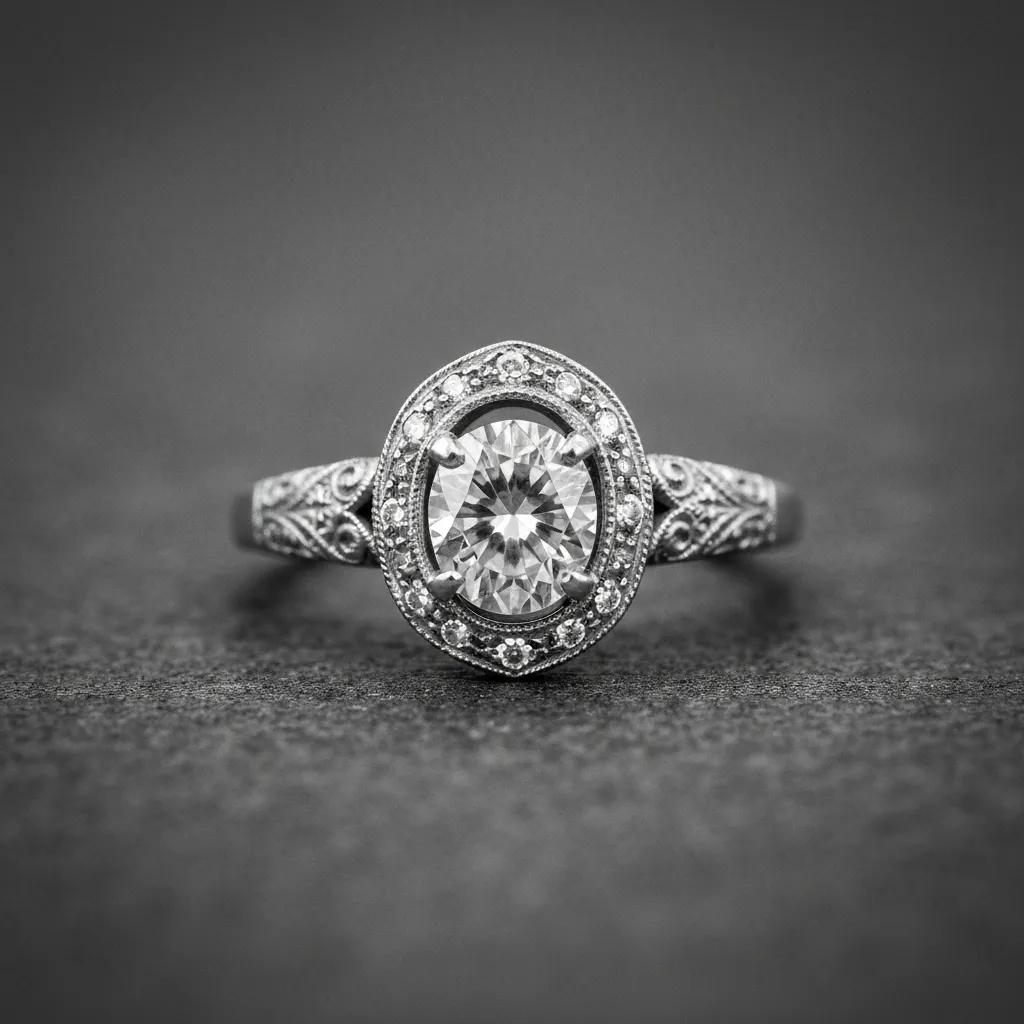
GIA Diamond Colour Scale Buyer’s Guide by Australian Diamond Company
Understanding diamond colour grades can elevate your engagement ring from simply beautiful to truly spectacular, reflecting your unique story. You’ll learn how the GIA Diamond Colour Scale, spanning from D (utterly colourless) to Z (a hint of colour), impacts its value, visual appeal, and the perfect setting. This guide covers all the essentials:
- The GIA scale: the industry benchmark and its significance
- Why D–F diamonds represent the pinnacle of rarity and price
- How G–J grades offer exceptional beauty and value
- The role of K–Z diamonds with faint to light colours and unique fancy hues
- How cut, shape, setting, and fluorescence influence colour perception
- Practical advice for choosing the ideal colour for your dream ring
- Current Australian diamond colour trends and ADC’s commitment to excellence
What is the GIA Diamond Colour Scale and Why Does It Matter?
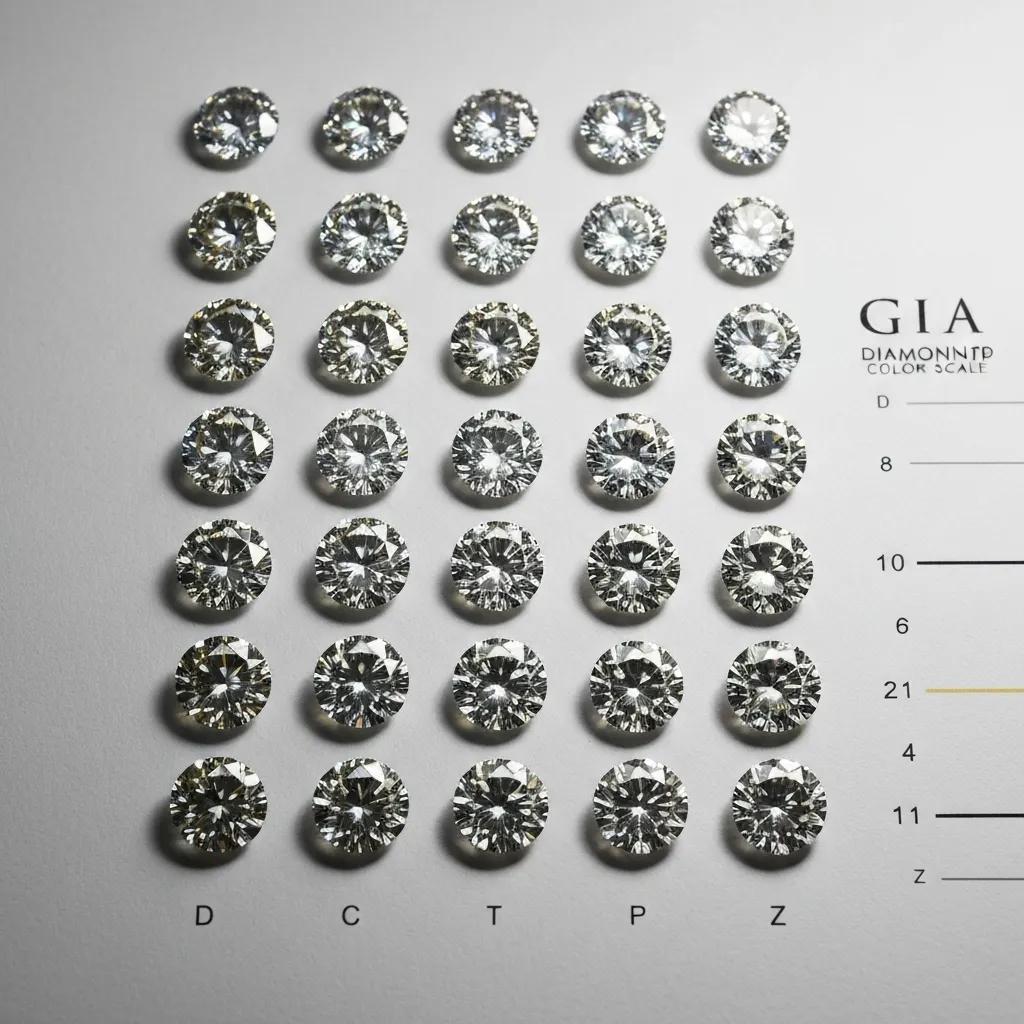
The GIA Diamond Colour Scale is the definitive standard for assessing a diamond’s hue, grading it from D (no discernible colour) to Z (a noticeable yellow or brown tint). This scale is crucial as it influences the diamond’s market value and how “white” or “warm” it appears. By precisely measuring subtle colour differences, the GIA scale ensures consistency among gemological laboratories and jewellers, giving you the confidence and clarity needed for an informed choice.
The GIA Diamond Colour Scale is the globally recognised standard for grading diamond colour, ranging from D (colourless) to Z (light tint). This scale is fundamental in determining a diamond’s value and visual characteristics.
Gemological Institute of America (GIA), Diamond Grading Report (2024)
This authoritative report from the GIA provides the essential framework for understanding how diamonds are graded for colour.
How Does the GIA Diamond Colour Scale Work from D to Z?
Diamonds are meticulously compared against a set of master stones under controlled lighting conditions to assign a precise colour grade.
- D–F grades signify diamonds that are truly colourless.
- G–J grades are considered near-colourless, appearing white to the naked eye.
- K–M grades exhibit a faint warmth, which can be beautifully suited to specific settings.
- N–R grades show very light yellow or brown tints.
- S–Z grades possess light hues that can be ideal for vintage-inspired designs.
Each step down the scale represents a measurable increase in body colour, affecting the diamond’s rarity, price, and perceived brilliance. Master stones are kept under strict conditions to ensure unwavering grading consistency.
What is the History and Role of GIA in Diamond Colour Grading?
Established in 1931, the Gemological Institute of America revolutionised gemstone grading with its scientific approach. They introduced the D–Z colour scale in 1953. GIA’s rigorous methodology, including standardised lighting and impartial assessments, set the modern standard for evaluating diamond hue. This trusted system is the foundation for certification by leading jewellery brands and remains the global benchmark for comparing both natural and lab-grown diamonds.
How Does the GIA Scale Compare to Other Colour Grading Systems?
While most systems align with GIA grades, some, like AGS, employ a numerical scale from 0 to 10 for colour.
GIA’s universal recognition offers unparalleled acceptance, while AGS provides a more granular scale for those seeking ultimate precision.
What Are Colourless Diamonds (D-F Grades) and Why Are They the Pinnacle?
Diamonds graded D, E, or F are completely free of any discernible colour, making them the rarest and most coveted gems. Their exceptional brilliance and extreme scarcity appeal to those who seek absolute perfection, enduring elegance, and the highest potential for resale value.
What Are the Key Characteristics of D, E, and F Colour Diamonds?
Before considering settings, understand these defining qualities:
- D Colour: Absolutely colourless, delivering exceptional light performance.
- E Colour: Possesses only the slightest trace of colour, detectable only by expert graders.
- F Colour: Shows a very subtle hue under magnification, but appears perfectly white in jewellery.
Each of these grades enhances the diamond’s brilliance and fire, creating a crisp, snow-white sparkle that captivates the eye.
Why Are Colourless Diamonds Rare and More Valuable?
The formation of diamonds under immense geological pressure and heat requires exceptionally pure carbon for colourless stones, with minimal trace elements. As only a small percentage of mined diamonds meet the D–F standard, their limited supply naturally drives up their price, making them highly prized as heirlooms and investments.
A diamond’s colour is a significant factor in its value, with colourless diamonds (D-F) being the rarest and most expensive. Near-colourless diamonds (G-J) offer an excellent balance of appearance and affordability.
De Beers, The Diamond Insight Report (2023)
This report underscores the direct relationship between a diamond’s colour and its market value.
Which Metal Settings Best Enhance Colourless Diamonds?
Platinum and white gold settings are ideal for D–F diamonds, as their cool, neutral tones reflect light back through the stone, amplifying its icy brilliance. These white metals ensure no warm undertones interfere with the diamond’s pristine colour, creating a seamless and pure visual effect.
The choice of metal for an engagement ring can significantly influence how a diamond’s colour is perceived. White metals like platinum and white gold enhance the colourless appearance of a diamond, while yellow or rose gold can impart a warmer tone.
The Jewellery Council of America, Engagement Ring Guide (2024)
This guide explains how different metal settings can subtly alter the perceived colour of a diamond.
Why Are Near-Colourless Diamonds (G-J Grades) Considered the Best Value?
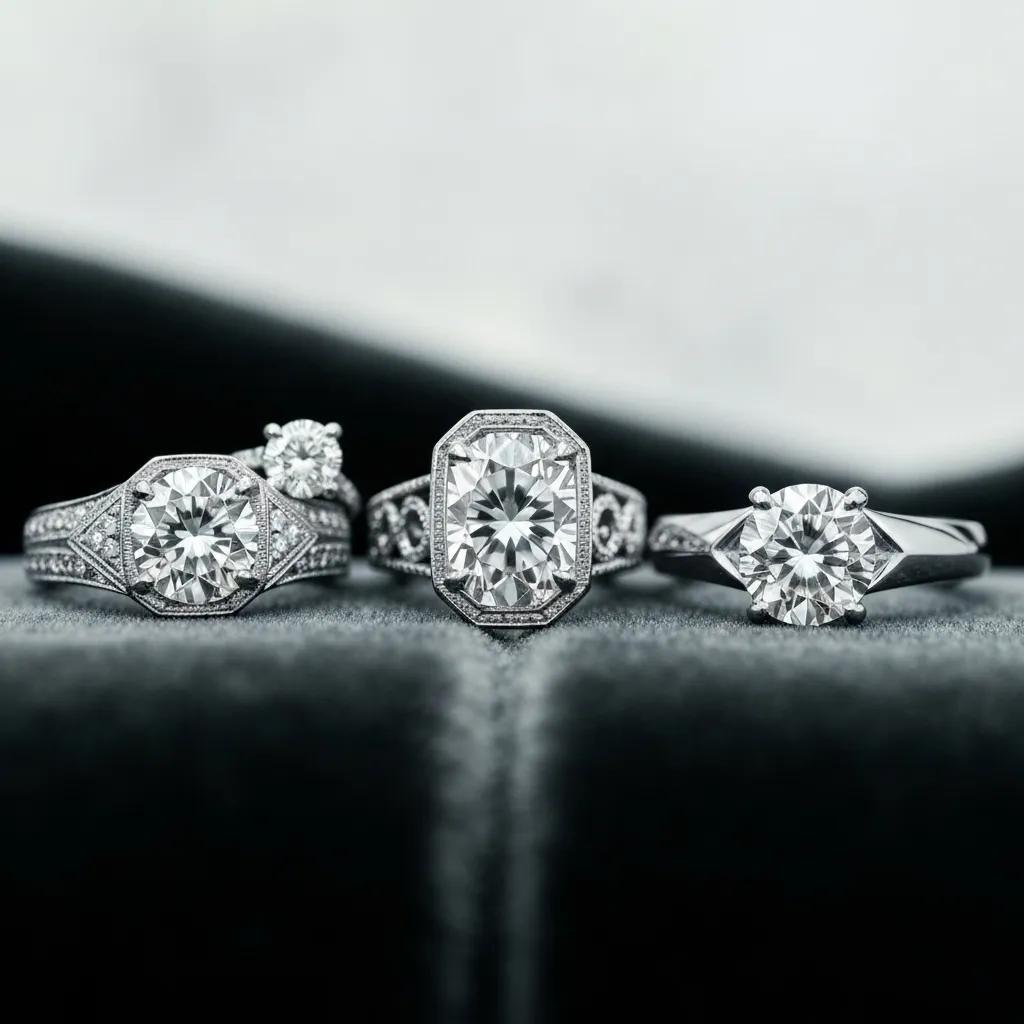
Diamonds in the G, H, I, and J colour grades offer a superb balance of a nearly white appearance with more accessible pricing. Any subtle warmth is typically undetectable to the naked eye in most settings, providing both stunning aesthetics and considerable cost savings—perfect for discerning buyers who want exceptional elegance without compromise.
How Do G, H, I, and J Diamonds Appear to the Naked Eye?
When set and viewed from the top, these grades present a virtually white appearance in typical lighting:
- G Colour: For most observers, indistinguishable from an F colour diamond.
- H Colour: May show a very slight warmth upon close, expert examination.
- I Colour: A hint of warmth might become apparent in white metal settings.
- J Colour: A mild tint is noticeable only under very bright, direct light.
This range allows buyers to enjoy the visual benefits of higher grades at a significantly lower price point.
What Settings Complement Near-Colourless Diamonds Best?
The right setting can enhance the diamond’s brilliance and minimise any subtle warmth:
- Yellow Gold: The warm tone of yellow gold beautifully complements and can even mask slight colour in the diamond, creating a harmonious glow.
- Rose Gold: Its soft pink hues harmonise wonderfully with faint colour, lending a romantic aesthetic.
- White Gold: A neutral backdrop helps maintain a crisp, white appearance for the diamond.
Choosing the appropriate metal accentuates the diamond’s strengths while subtly downplaying any minor warmth.
How Do Near-Colourless Diamonds Balance Quality and Budget?
Opting for G–J colour grades unlocks several advantages:
- Significant cost savings, often 20–40% less than D–F grades.
- Excellent face-up whiteness that appears brilliant in most ring designs.
- The flexibility to allocate more of your budget towards a superior cut or larger carat weight.
By carefully balancing these factors, you can achieve a breathtaking diamond without exceeding your budget.
What Should You Know About Faint to Light Colour Diamonds (K-Z Grades)?
Diamonds graded K–Z exhibit warmer hues that can be perfect for distinctive designs or creating unique colour contrasts. While perhaps less suited for classic solitaire rings in white metal, these faint and light colours can offer excellent value in vintage, two-tone, or custom settings where warmth is an intentional design element.
What Defines Faint Colour Diamonds (K-M) and Their Uses?
Faint-colour diamonds (K, L, M) display subtle yellow or brown tones.
- K Grade: Possesses a balanced warmth that works well in yellow gold settings or halos.
- L Grade: A noticeable warmth that is ideal for antique or rustic-inspired designs.
- M Grade: Warm hues that pair beautifully with rose or yellow gold, enhancing their romantic appeal.
These grades are exceptional for bespoke and vintage styles that celebrate warmth as a key part of their aesthetic.
When Are Very Light to Light Colour Diamonds (N-Z) Suitable?
Very light and light grades can be excellent choices for more budget-conscious pieces or for designs where a warm tone is intentionally desired:
- N–R (Very Light): A soft tint that is well-suited for fashion jewellery and accent stones.
- S–Z (Light): A more pronounced hue that can be striking in fancy colour contexts or mixed-metal designs.
In creative jewellery, these grades can transform perceived colour into a deliberate and artistic feature.
How Do Fancy Colour Diamonds Differ from White Diamonds?
Fancy colour diamonds achieve their premium pricing due to unique chemical compositions. Their vibrant colours are assessed on a distinct scale that celebrates colour itself, rather than measuring its absence.
How Do Diamond Cut, Shape, and Setting Influence Colour Perception?
A diamond’s cut, shape, and the chosen metal setting work together to influence how its colour is perceived. The precision of the facets, the outline of the stone, and the surrounding metal all interact with light, either masking or amplifying the diamond’s inherent hue.
How Does Diamond Cut Affect the Appearance of Colour?
An expertly executed cut maximises a diamond’s brilliance and fire, scattering light so effectively that it can overpower any subtle warmth. Diamonds with Excellent or Ideal cuts can visually neutralise faint tints, making near-colourless stones appear whiter than their grade suggests and enhancing overall sparkle.
Which Diamond Shapes Show More or Less Colour?
The chosen shape of a diamond can directly impact how visible its colour is:
- More Colour Visible: Emerald, Asscher, and Radiant cuts feature larger, elongated facets that can allow colour to appear more concentrated.
- Less Colour Visible: Round, Oval, and other brilliant-cut shapes utilise numerous smaller facets to diffuse light, effectively masking subtle colour tones.
A round brilliant cut is often excellent at concealing slight tints, while step cuts can accentuate them, lending a vintage charm.
How Do Different Metal Settings Affect Diamond Colour?
White metals like platinum and white gold reflect neutral tones, which enhances a diamond’s perceived whiteness. Conversely, warm metals such as yellow and rose gold can complement and even camouflage slight colouration, creating a warmer, more unified look. Bezel settings and two-tone designs can also create optical effects that alter the perceived colour.
What Is Diamond Fluorescence and How Does It Affect Colour?
Diamond fluorescence refers to the glow a diamond emits under ultraviolet light, a phenomenon caused by trace elements. Moderate blue fluorescence can sometimes make diamonds with a faint yellow tint appear whiter in daylight by counteracting the warmth. However, very strong fluorescence might lead to a slightly hazy appearance. Understanding fluorescence can help refine your colour selection based on the specific diamond and lighting conditions.
How Can You Choose the Best Diamond Colour for Your Engagement Ring?
Selecting the ideal diamond colour involves balancing hue with the other 4Cs—cut, clarity, and carat weight—while also reflecting your personal style and budget. A thoughtful approach ensures that every aspect contributes to the diamond’s overall impact and beauty.
How Do You Balance Colour with Cut, Clarity, and Carat?
To optimise your diamond investment:
- Prioritise an Excellent or Very Good cut to achieve maximum fire and brilliance.
- Consider G–I colour grades when aiming for larger carat weights on a budget.
- Opt for VS2 or VVS1 clarity to ensure eye-clean stones that maintain exceptional sparkle.
- Reallocate savings from near-colourless grades to enhance carat size or cut quality.
What Colour Grades Are Recommended for Different Engagement Ring Styles?
What Should You Know About Lab-Grown Diamond Colour Grades?
Lab-grown diamonds are graded using the exact same GIA criteria as natural diamonds, receiving D–Z colour ratings. Many lab-grown diamonds achieve top colour grades at a more accessible price point, offering ethical sourcing, traceability, and sustainability without compromising on hue, brilliance, or durability.
How Can You Maximise Visual Impact While Staying on Budget?
Employ these smart strategies for maximum value:
- Choose G-H grades set in white metals to maintain a bright, white appearance.
- Opt for I–J grades set in yellow or rose gold to achieve a warm, inviting glow.
- Invest any savings into an Ideal-cut diamond for unparalleled sparkle.
- Explore lab-grown options for D–F colour quality at a reduced cost.
By combining strategic grade selection with thoughtful choices in cut and setting, you can achieve maximum visual impact within your financial plan.
What Are the Latest Australian Diamond Colour Trends and ADC’s Expertise?
Australian couples increasingly seek unique designs, ethical sourcing, and exceptional craftsmanship. At ADC, we tailor our selection and certification process to offer the finest colour choices, backed by GIA reports and our bespoke design expertise.
What Diamond Colour Grades Are Most Popular in Australia?
Current buying patterns reveal distinct preferences among Australian consumers:
- G–I Grades: A popular choice for their near-colourless appearance, offering a superb balance of value and visual purity.
- Oval and Pear Shapes in H Grade: These shapes, combined with an H grade, create an illusion of length while maintaining subtle warmth.
- Yellow Gold Settings with I–J Diamonds: This combination evokes a romantic, vintage-inspired aesthetic.
- Lab-Grown D–F Diamonds: An increasingly favoured ethical alternative offering top-grade colour.
These trends reflect a desire for both visual perfection and deeply personal expression in jewellery choices.
How Does ADC Ensure Quality and Certification for Diamond Colour?
ADC exclusively partners with GIA-certified gemological laboratories, meticulously verifying every diamond’s D–Z grade, clarity, and cut. Our in-house gemologists conduct thorough inspections of each diamond under controlled lighting, cross-referencing official reports to guarantee authenticity and colour accuracy in every bespoke creation we craft.
Why Are Lab-Grown Diamonds Gaining Popularity in Australia?
Lab-grown diamonds are resonating with eco-conscious couples who value:
- A traceable origin, free from the environmental impact of mining.
- Competitive pricing for D–F colour grades.
- Modern craftsmanship and cutting-edge technological innovation.
- Identical chemical and optical properties to natural diamonds.
A growing emphasis on sustainability and transparent sourcing is driving this exciting trend.
What Are the Most Common Questions About Diamond Colour Grades?
Understanding the key considerations will empower you to make a confident choice. These answers address the core queries that guide purchasing decisions.
What Is the Best Diamond Colour for an Engagement Ring?
The ideal diamond colour strikes a balance between purity and budget. While D–F diamonds offer the ultimate in whiteness, G–I grades often appear virtually identical to the naked eye and allow for greater investment in size or cut quality, ensuring a brilliant result without overspending.
How Does the GIA Diamond Colour Scale Affect Diamond Price?
Each step down the GIA scale from D to Z typically results in a price reduction of 5–15% per grade, varying with carat weight and cut. Colourless grades (D–F) command the highest premiums, while near-colourless (G–J) offer substantial savings alongside excellent face-up whiteness.
Does the Metal Setting Really Change How Diamond Colour Looks?
Absolutely. White metals like platinum and white gold enhance a diamond’s white appearance, whereas yellow and rose gold can subtly mask slight warmth, creating a warmer overall tone. Your choice of metal setting directly influences the perceived hue and should complement the selected colour grade.
Which Diamond Shapes Hide Colour Best?
Round brilliant and oval shapes, with their numerous facets, effectively diffuse light and minimise visible tint, thus hiding slight warmth. Step-cut shapes, such as emerald and Asscher, tend to reveal colour more readily, making them best suited for diamonds with higher colour grades.
How Can You Compare Diamond Colour Grades Using a Colour Chart?
A GIA-based colour chart provides side-by-side comparisons of diamonds under consistent lighting. By viewing graded samples (e.g., D vs. G vs. I), you can discern subtle differences in hue before making your purchase, ensuring you select the grade that aligns with your visual preferences and budget.
Choosing the perfect diamond hue involves understanding the interplay between grade, cut, shape, and setting, all of which shape its brilliance and value. With this comprehensive guide, you can confidently explore ADC’s exquisite collection, request a personalised consultation, and commission a ring that truly embodies your vision.


