
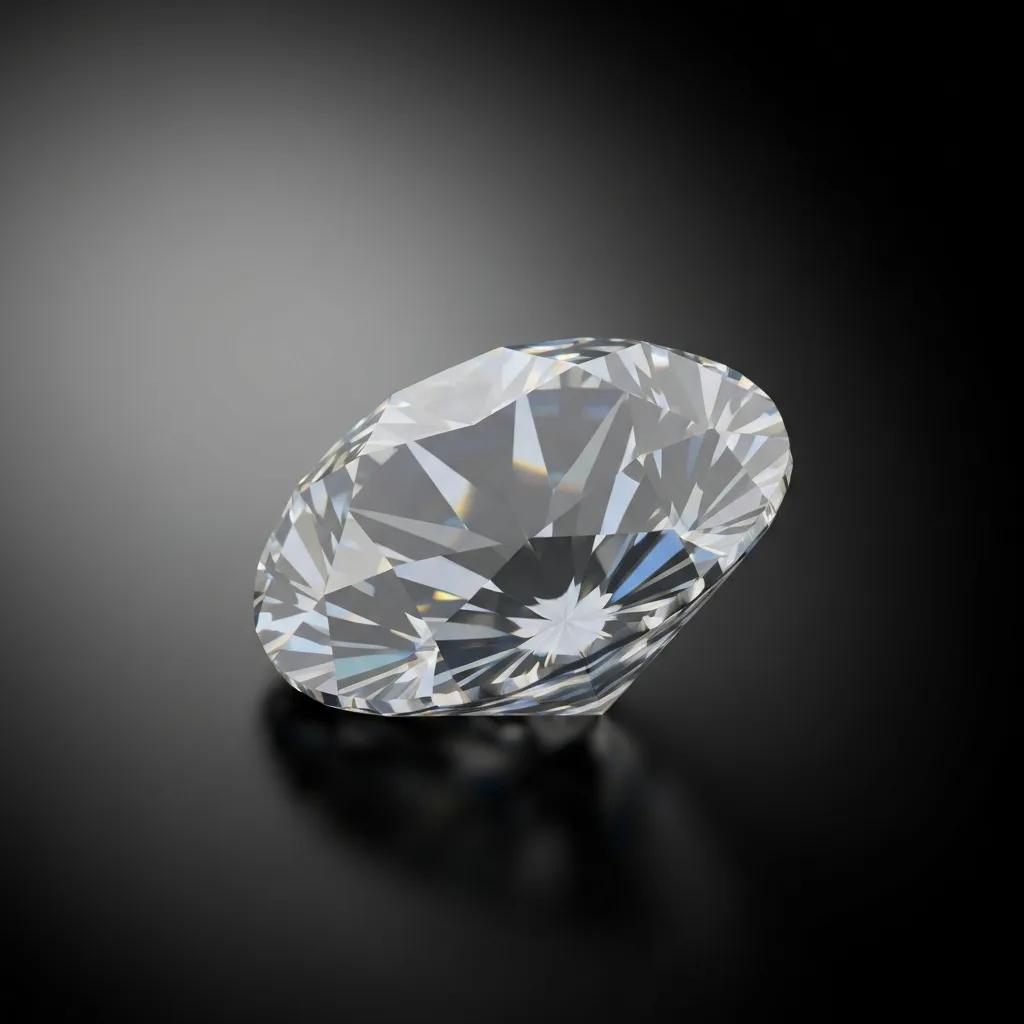
Unlock Diamond Brilliance: Your Essential Guide to Diamond Cut Quality
The way a diamond is cut dictates how its facets interact with light, creating the captivating brilliance, fiery flashes, and scintillating sparkle that define a truly exceptional gem. This guide will illuminate why cut reigns supreme among the 4Cs, explore the distinct characteristics of various diamond shapes, and reveal how precision, proportions, and artistry elevate a diamond’s glow. We’ll delve into:
- The fundamental role of diamond cut in light performance
- Key diamond cut families and their unique visual appeal
- Understanding GIA and AGS grading systems for cut quality
- Selecting the perfect cut to complement your style and values
- The essential elements of diamond anatomy: facets, proportions, and finish
- Simple methods to preserve your diamond’s radiance for years to come
- Answers to your most pressing questions about diamond cuts
By the end, you’ll possess the knowledge to confidently assess diamond cut quality and discover the exquisite selection of natural and lab-grown diamonds at Australian Diamond Company, each cut to perfection.
What Exactly Is a Diamond Cut, and Why Is It So Crucial for Quality?
A diamond’s cut is the masterful blend of art and science that transforms a rough stone into a faceted jewel designed to capture and reflect light with maximum impact. The precise angles and arrangement of its facets are what unlock its brilliance, fire, and scintillation, the very qualities that determine its visual allure and value. Grasping the significance of cut is the first step towards selecting a diamond that truly mesmerizes and aligns with your personal aesthetic and budget.
Defining Diamond Cut and Its Role in Creating Brilliance
The cut encompasses a diamond’s proportions, its faceting pattern, and the quality of its finish, all of which govern how light enters, travels within, and exits the gem. A diamond cut with exceptional precision will return almost all the light that strikes it, manifesting as dazzling white light, or brilliance. For instance, an ideal round brilliant diamond, with perfectly calibrated pavilion depth and crown angles, directs light internally, preventing it from escaping through the base and thereby amplifying its brightness and perceived size—key factors when evaluating diamond cuts for quality.
How Brilliance, Fire, and Scintillation Work Together, Driven by Cut
Brilliance is the pure white light reflected back, fire is the dispersion of light into spectral colours, and scintillation is the dynamic play of light and shadow as the diamond moves. The cut’s proportions and the symmetry of its facets orchestrate these effects:
- Precise crown and pavilion angles are essential for maximising white-light reflection (brilliance).
- The correct table size and facet alignment are crucial for enhancing the colourful flashes (fire).
- A balanced facet arrangement and a flawless polish create captivating patterns of sparkle (scintillation).
Together, these elements define a diamond’s overall light performance, underscoring why cut is the most influential of the 4Cs.
Why Cut Stands Out as the Most Important of the 4Cs
A diamond’s cut quality is the sole determinant of how effectively it interacts with light, directly impacting its brilliance, fire, and scintillation. A diamond with flawless colour and clarity can appear lifeless if its cut is subpar. Conversely, a masterfully cut diamond can outshine others with superior colour or clarity grades by maximising its inherent sparkle. Prioritising cut ensures your diamond delivers exceptional visual appeal and enduring value, particularly for significant pieces like engagement rings.
Exploring the Spectrum of Diamond Cuts and Their Unique Traits
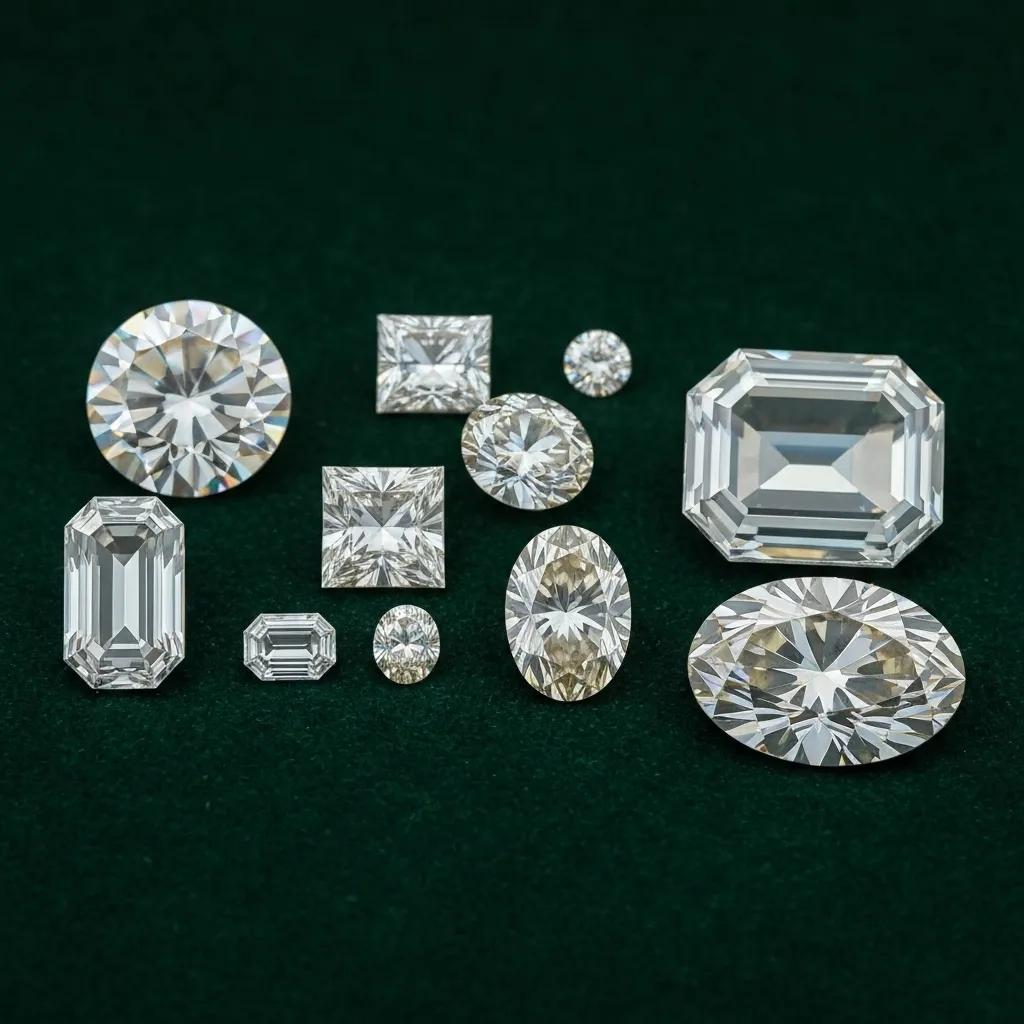
Diamond cuts can be broadly categorised into three families: brilliant cuts, modified brilliant cuts, and step cuts. Each offers a distinct visual character and light performance. Understanding their defining features, typical facet counts, and characteristic sparkle will guide you in comparing options and finding a cut that resonates with your personal style.
The Round Brilliant Cut: The Pinnacle of Sparkle
The round brilliant cut is the undisputed standard for light performance, boasting 58 precisely angled facets meticulously designed to maximise brilliance and fire. Its classic circular shape and harmonious facet symmetry expertly channel light back towards the viewer, producing a breathtaking, consistent sparkle that complements virtually any jewellery setting.
Modified Brilliant Cuts: Princess and Oval Variations
Modified brilliant cuts ingeniously adapt the light-reflecting principles of the round brilliant to other captivating shapes:
- The princess cut, with its square silhouette and chevron facets, delivers intense sparkle with a contemporary edge.
- The oval cut, essentially an elongated round brilliant, offers comparable brilliance and often creates the illusion of a larger carat weight.
These cuts provide exceptional light performance while catering to diverse aesthetic preferences.
Step Cuts: The Elegance of Emerald and Asscher
Step cuts are characterised by their broad, flat planes arranged in parallel tiers:
- The emerald cut showcases long, rectangular facets that highlight a diamond’s clarity and create a sophisticated hall-of-mirrors effect.
- The Asscher cut, a square variant with cropped corners, features concentric step facets that produce striking flashes of light.
These cuts emphasise geometric beauty and clarity over the intense sparkle of brilliant cuts.
Comparing Cuts: Brilliance vs. Fire
Round and oval brilliant cuts excel in delivering a combined impact of brilliance and fire. Step cuts, on the other hand, offer a more understated elegance and focus on clarity. Choosing the ideal cut involves balancing optical performance with your personal aesthetic preferences.
Decoding Diamond Cut Grades: Understanding GIA and AGS Standards
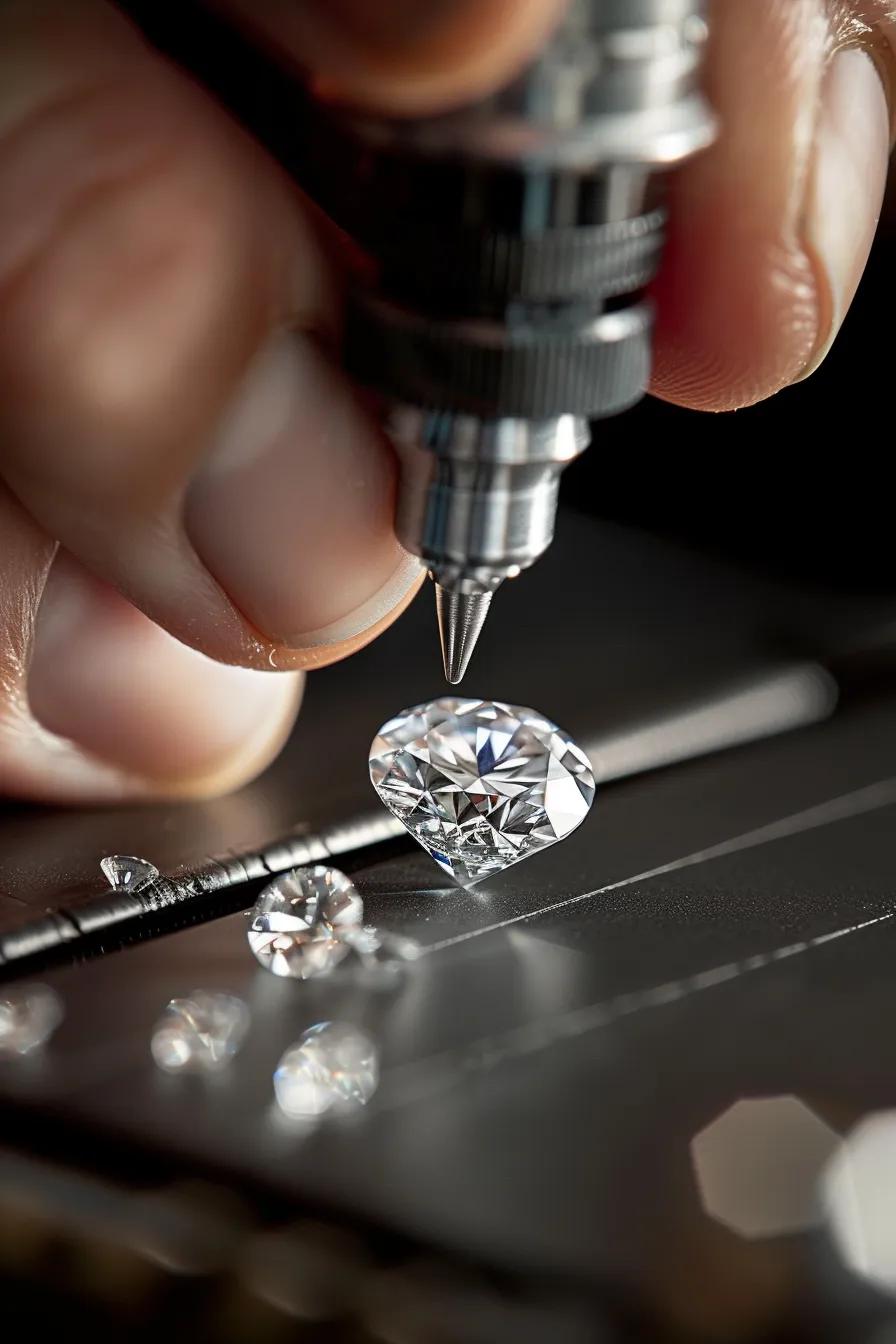
Diamond cut grading is a systematic evaluation of a diamond’s proportions, symmetry, and polish, culminating in a quality designation. Leading gemological laboratories, such as GIA and AGS, employ stringent criteria to assist consumers in comparing cut quality and making confident purchasing decisions.
GIA’s Diamond Cut Grading Scale and Its Benchmarks
The Gemological Institute of America (GIA) assesses round brilliant diamonds using a five-point scale, ranging from Excellent to Poor. This evaluation is based on:
- Light performance (brilliance, fire, scintillation)
- Design (proportions and facet arrangement)
- Craftsmanship (symmetry and polish)
An Excellent cut signifies optimal proportions including table percentage, depth percentage, crown angle, and pavilion angle that collectively maximise light return and visual sparkle.
The GIA Diamond Cut Grading System Explained
The Gemological Institute of America (GIA) has established a comprehensive system for grading diamond cut, focusing on the proportions, symmetry, and polish of round brilliant diamonds. This system assigns grades from Excellent to Poor, reflecting how effectively a diamond interacts with light. The GIA’s grading methodology is a cornerstone of the global diamond industry.
*GIA, GIA Diamond Cut Grading System, (2024)*
The AGS Ideal Cut: A Standard of Ultimate Precision
The American Gem Society (AGS) Ideal cut represents the zenith of precision for round brilliant diamonds, adhering to even more exacting proportion tolerances than the GIA Excellent grade. While both grades signify exceptional light performance, the AGS Ideal cut is engineered for absolute light efficiency, yielding the utmost brilliance with minimal light leakage.
Navigating Diamond Cut Certificates and Reports
Every certified diamond report provides crucial details about its cut, including:
- Cut Grade: The overall assessment (e.g., GIA Excellent, AGS Ideal).
- Proportions: Key measurements like table %, depth %, crown angle, and pavilion angle.
- Finish: Grades for symmetry and polish.
- Light Performance: Descriptive notes or visual light maps provided by some labs.
Understanding these elements in conjunction is vital for making accurate comparisons, whether you’re shopping online or in person.
Choosing the Perfect Diamond Cut: Style, Budget, and Value
Selecting the ideal diamond cut involves harmonising your personal aesthetic, your desired level of sparkle, and your budget. By understanding how cut influences both visual appeal and market value, you can confidently prioritise the characteristics that matter most to you.
Which Diamond Cut Best Suits Your Sparkle Preference?
For unparalleled brilliance and fire, the round brilliant cut remains the ultimate choice. If you favour a contemporary square shape, the princess cut offers exceptional sparkle. For those drawn to vintage charm, oval and radiant cuts provide a beautiful balance of brilliance and distinctive silhouettes.
How Cut Quality Influences Price and Enduring Value
Cut quality is a significant driver of a diamond’s price. Diamonds with superior cut grades command higher prices due to the intricate skill required and the inherent yield loss during the cutting process, alongside their superior light performance.
The Profound Impact of Diamond Cut on Value
Extensive research confirms that a diamond’s cut quality profoundly influences its perceived value and market price. Diamonds graded as Excellent or Ideal typically achieve higher prices, reflecting their enhanced brilliance, fire, and scintillation qualities highly sought after by discerning buyers.
*The Diamond Council of America, The 4Cs of Diamonds, (2023)*
However, the visual splendour of an Excellent or Ideal cut often justifies the investment, offering greater perceived size and timeless beauty compared to diamonds with lower cut grades.
Comparing Cut Quality: Lab-Grown vs. Natural Diamonds
Lab-grown diamonds can achieve the same exceptional cut standards as their natural counterparts, offering comparable brilliance and fire. Often, the inherent clarity of lab-grown diamonds allows cutters to optimise proportions with even greater consistency, resulting in premium cut quality at a more accessible price point, coupled with assured ethical sourcing.
Enhancing Cut Quality Through Customisation and Craftsmanship
At Australian Diamond Company, our master cutters collaborate closely with gemmologists to tailor facet arrangements and proportions to each client’s unique vision. Employing advanced cutting techniques, meticulous symmetry control, and expert hand-finishing ensures that every custom-designed diamond achieves its maximum light performance, reflecting your individual style.
Understanding Diamond Cut Anatomy: Key Facets and Proportions
Familiarising yourself with a diamond’s structural components will deepen your appreciation for how each facet and proportion contributes to its overall light performance. This knowledge empowers you to make informed comparisons between technical specifications and visual results.
The Essential Facets: Crown, Pavilion, Table, Girdle, and Culet
The crown, situated above the girdle, comprises bezel and star facets that refract light into the diamond. The table is the prominent flat facet on top. The pavilion, below the girdle, directs light back through the crown. The girdle forms the diamond’s outer edge, and the culet is a small facet at the pavilion’s apex:
- Crown facets are key to producing fire.
- Pavilion facets are critical for brilliance.
- Table size influences the balance between light return and fire.
- Girdle thickness affects durability.
- Culet, when correctly sized, protects against chipping.
The precision of each element is paramount for achieving balanced and captivating light performance.
How Proportions Shape Cut Quality: Table, Depth, Crown, and Pavilion Angles
The Indispensable Roles of Symmetry and Polish in Cut Excellence
Symmetry ensures that each facet is precisely aligned, creating uniform light patterns and preventing visual distortions. Polish refers to the smoothness of the diamond’s surface, allowing light to enter and exit without obstruction. High grades in symmetry and polish are essential for facets to work in harmony, delivering maximum brilliance and fire.
The Mesmerising “Hearts and Arrows” Phenomenon
The distinctive “Hearts and Arrows” pattern is a hallmark of exceptionally precise round brilliant cuts. When viewed under specific magnification, eight symmetrical arrowheads are visible through the crown, while eight heart shapes appear in the pavilion view. This pattern is a testament to superior facet alignment and cutting accuracy, indicating outstanding light performance.
Preserving Your Diamond’s Radiance: Essential Care and Maintenance
Even the most exquisitely cut diamonds require diligent care to maintain their breathtaking brilliance and fire. Simple cleaning routines and periodic professional inspections will keep your diamond free from obstructions and ensure its enduring sparkle.
Best Practices for Keeping Your Diamond Sparkling
A gentle soak in warm water with a mild detergent, followed by a soft brush, effectively removes everyday oils and grime. For a professional refresh that restores maximum light performance, consider having your diamond professionally cleaned by an expert jeweler at least twice a year, ensuring the safety of its setting and prongs.
When to Assess or Address Your Diamond’s Cut Integrity
While a diamond’s cut itself is permanent, factors like worn settings, minor chips on the girdle, or loose prongs can subtly affect facet alignment and light return. If you notice a decrease in sparkle, visible damage, or any looseness in the mount, schedule a professional inspection to ensure your diamond continues to perform at its brilliant best.
Frequently Asked Questions About Diamond Cuts
What Diamond Cut Delivers the Ultimate Sparkle?
The round brilliant cut, with its 58 meticulously placed facets and optimised proportions, offers the most exceptional combination of brilliance, fire, and scintillation for unparalleled sparkle.
How Do Experts Determine Diamond Cut Quality?
Experts meticulously evaluate cut quality by measuring key proportions (table%, depth%), assessing facet symmetry and polish, and analysing light performance using specialised tools and light-mapping techniques, assigning a standardised grade for consistent evaluation.
What Distinguishes an Ideal Cut from an Excellent Cut Diamond?
An Ideal Cut, as defined by AGS standards, represents the most stringent tolerances for proportions and facet symmetry, maximising light efficiency. A GIA Excellent Cut adheres to similarly high standards, with slightly broader tolerances that are typically indistinguishable to the naked eye.
How Does the Cut Quality of Lab-Grown Diamonds Compare to Natural Diamonds?
Lab-grown diamonds can achieve identical cut grades to natural diamonds, often benefiting from superior clarity that enables cutters to achieve precise proportions with remarkable consistency, resulting in premium sparkle at a competitive price.
Diamonds cut to ideal proportions ensure light performs at its absolute best, delivering brilliance, fire, and scintillation that endure through time. Whether your preference leans towards classic round brilliants, contemporary princess cuts, or uniquely bespoke designs, understanding diamond cut anatomy, grading standards, and the artistry of craftsmanship will empower you to select a diamond of truly exceptional quality.
For personalised expert advice and to explore our curated collection of natural and lab-grown diamonds, visit Australian Diamond Company or connect with one of our dedicated diamond specialists today.


