
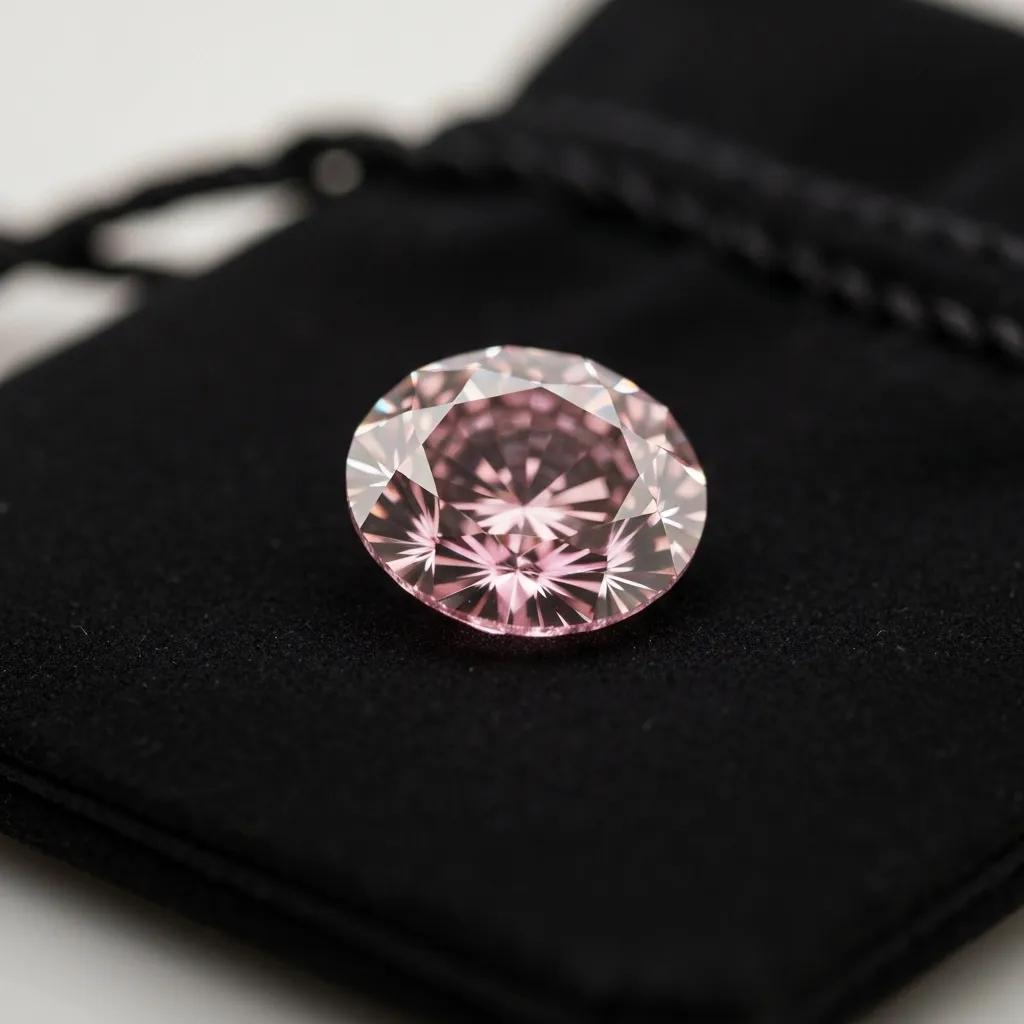
Argyle Pink Diamonds: Rarity & Investment Australian Diamond Company
Pink Argyle diamonds stand as some of nature’s most elusive and sought-after treasures, enchanting both seasoned collectors and couples embarking on their journey of love with their delicate shades and rich history. Navigating the world of pink Argyle diamonds can seem daunting, from understanding their specialised grading scales to evaluating their long-term investment prospects. This comprehensive guide will illuminate why Argyle pink diamonds command such exceptional prices, how they are formed deep within the Earth, the intricacies of their distinctive colour grading system, and crucial considerations for discerning buyers when certifying or investing in these remarkable gems. We also delve into bespoke jewellery designs that beautifully showcase their allure and offer a comparison between natural Argyle diamonds and their lab-grown counterparts, all enriched with expert insights from the Australian Diamond Company to assist you in selecting or crafting the perfect piece.
Why Are Argyle Pink Diamonds So Exceptionally Rare and Valuable?
The extraordinary scarcity of Argyle pink diamonds, coupled with immense global demand, positions them as some of the most valuable gemstones available. A mere fraction, less than 0.1%, of all diamonds unearthed worldwide exhibit a pink hue, and until its closure in 2020, the Argyle mine was the source of over 90% of this limited output. Today, as this finite resource dwindles with each subsequent tender, its rarity intensifies, driving prices ever upward. A thorough understanding of these market dynamics is key to appreciating why collectors and investors alike treasure Argyle pink diamonds as both magnificent jewellery centrepieces and sound tangible assets.
What Makes Argyle Pink Diamonds So Uniquely Rare?
Argyle pink diamonds constitute less than 1% of the Argyle mine’s total diamond production, rendering them almost legendary in their scarcity.
- Global pink diamonds: represent less than 0.1% of all gem-quality diamonds mined worldwide.
- Argyle’s contribution: supplied over 90% of the global market supply before its closure.
- Fancy Red and Fancy Vivid grades: fewer than ten such stones are produced annually across the globe.
How Has the Closure of the Argyle Diamond Mine Affected Pink Diamond Availability?
The mine’s cessation of operations in 2020 marked the end of a 37-year era of production, effectively removing the world’s primary source for these coveted pink gems.
- Supply reduction: has led to a consistent increase in tender prices since the closure.
- Collector demand: presents fewer opportunities to acquire loose stones directly.
- Secondary market expansion: has seen a significant surge in auction and private sale volumes.
A Glimpse into the Argyle Diamond Mine’s Legacy
Nestled in Western Australia, the Argyle Diamond Mine was the preeminent source of pink diamonds, responsible for over 90% of the world’s supply until its closure in 2020. The mine’s distinctive geological environment was instrumental in the formation of these exceptionally rare gemstones.
Australian Diamond Company, “The Unrivalled Rarity of Argyle Pink Diamonds” (2024)
This provides essential historical context regarding the Argyle mine and its pivotal role in the global pink diamond market, as detailed within this article.
What Are the Primary Drivers of Argyle Pink Diamond Value?
- Colour Saturation – Deeper, more intense pink hues command exponentially higher prices.
- Rarity Classification – Categories such as Fancy Vivid and Fancy Deep Purplish Pink are exceptionally scarce.
- Origin and Provenance – Certified Argyle diamonds, complete with recognised lot numbers and detailed origin reports, hold significant value.
- Carat Weight – Larger diamonds exhibiting strong colour maintain exceptional rarity and value.
- Cut and Clarity – Expertly executed cuts maximise colour brilliance, while high clarity grades further enhance their rarity.
How Does Rarity Enhance the Investment Potential of Argyle Pink Diamonds?
Rarity amplifies desirability by restricting future supply, thereby fostering a deflationary market environment.
- Tangible asset: small, easily transportable, and with verifiable provenance.
- Historical performance: have demonstrated an average price growth of 398% between 2005 and 2024.
- Competitive advantage: have outperformed many traditional asset classes over the same period.
Their collectibility and finite availability make Argyle pink diamonds a compelling choice for diversifying investment portfolios.
What is the Geological Genesis and Formation of Argyle Pink Diamonds?
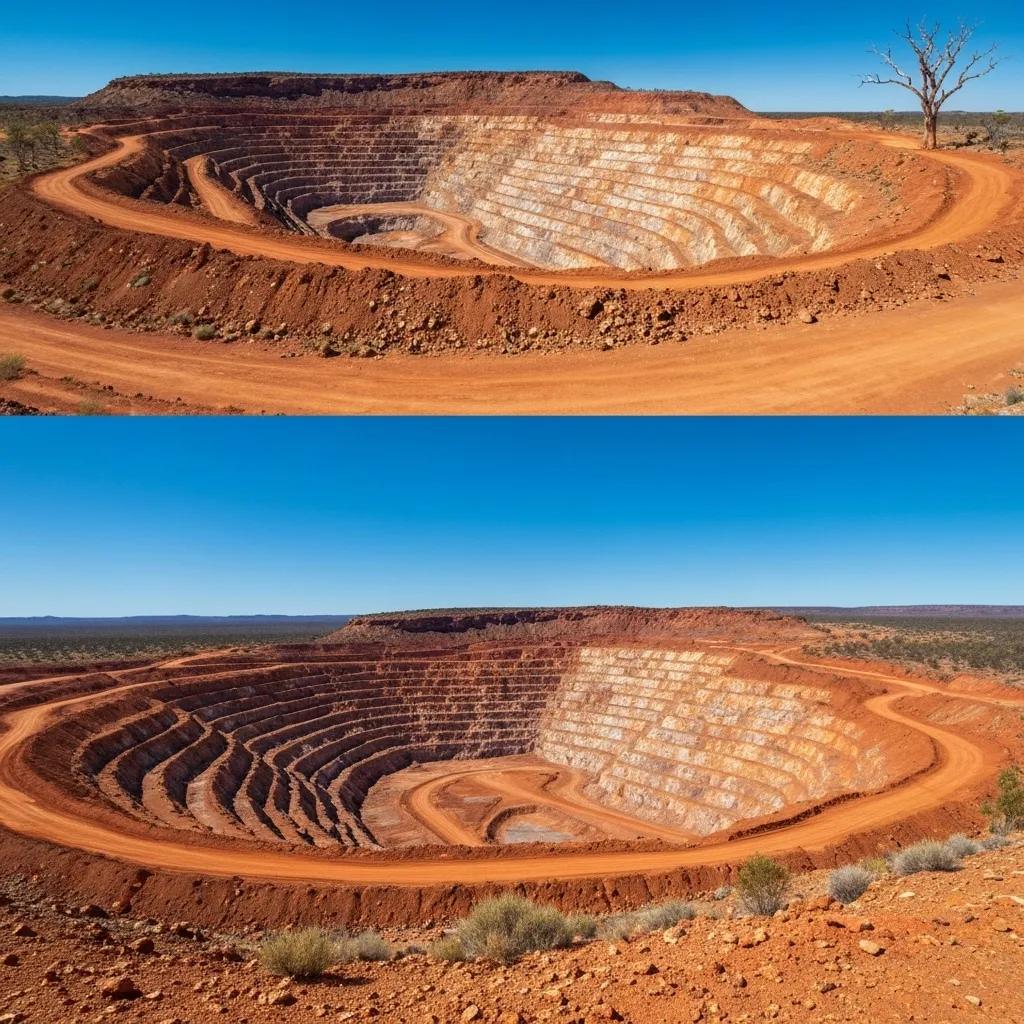
The distinctive pink hue of Argyle pink diamonds is a testament to ancient geological processes that shaped the Earth’s crust over billions of years. Formed at depths exceeding 150 km under immense pressure and heat, these gemstones underwent crystal lattice distortions, a phenomenon known as plastic deformation which created permanent colour centres. A deeper appreciation of this geological marvel connects mineralogy with paleogeography, revealing the profound wonder inherent in each stone.
The Science Behind Pink Diamond Colouration
The captivating colour of pink diamonds arises from plastic deformation within their crystal lattice, a result of extreme pressure and heat. This process, occurring deep within the Earth during diamond formation, is the fundamental reason for their unique colouration.
Australian Diamond Company, “The Geological Origins of Pink Diamonds” (2024)
This source provides critical insights into the geological processes responsible for the formation of pink diamonds, essential for understanding their rarity and inherent value.
How Does Plastic Deformation Impart the Distinctive Pink Colour?
- The Process – Shear stress alters the angles of carbon bonds, influencing how light is absorbed and reflected.
- Colour Centres – The resulting strain fields absorb specific wavelengths of light, primarily in the green and yellow spectrum, causing the diamond to reflect pink hues.
- Colour Stability – This lattice distortion becomes an integral part of the crystal structure, ensuring the colour remains permanent throughout the diamond’s existence.
This unique mechanism distinguishes Argyle pink diamonds from those whose colour is derived from impurities, such as the blue colouration in boron-infused diamonds.
What Role Did the Breakup of the Nuna Supercontinent Play in Argyle Diamond Formation?
- Tectonic Convergence – This geological event was responsible for the formation of diamond-bearing kimberlite pipes.
- Magma Upwelling – The rapid ascent of volatile-rich magma played a crucial role in preserving the strain features within the diamonds.
- Unique Geological Setting – The specific age and tectonic history of the Argyle diamond deposit set it apart from other diamond-producing regions globally.
This ancient geological narrative is literally embedded within the atomic structure of each pink diamond.
Why is Argyle’s Geological Environment Unique for Diamond Formation?
- Lamproite Pipes – These are an uncommon type of volcanic rock that hosts diamonds.
- Sustained Deformation – Prolonged tectonic stress in the region intensified the lattice distortion process.
- Geographical Isolation – The remote location helped preserve Argyle’s unique geological signature throughout geological time.
These converging factors result in the production of pink diamonds with characteristics unmatched by those found in mines across Africa, Canada, or Russia.
How is the Colour of Argyle Pink Diamonds Graded?
Argyle pioneered a specialised grading system designed to precisely capture the subtle variations in pink hues and their intensities, setting it apart from the broader GIA fancy colour scale. This system defines distinct categories for hue variations and ranks the intensity of colour saturation within each stone. This dual-axis approach ensures accuracy and consistency in valuing these exceptionally rare gems.
The Argyle Pink Diamond Grading Framework
The Argyle grading system, a proprietary method, evaluates pink diamonds based on their hue and intensity. It includes categories such as Purplish Pink, Pink, Pink Rosé, and Pink Champagne. This system offers a more detailed assessment than the GIA system and directly influences the diamond’s valuation.
Australian Diamond Company, “Understanding the Argyle Pink Diamond Grading System” (2024)
This source provides a detailed explanation of the Argyle grading system, which is fundamental to understanding how these diamonds are assessed and valued.
What Are the Argyle Colour Categories and Intensity Levels?
Each combination of category and intensity possesses a unique rarity profile and associated price multiplier.
How Does Argyle’s Grading System Differ from the GIA’s?
- Greater Granularity – Features four distinct hue categories complemented by nine intensity tiers.
- Focus on Lattice Strain – Specifically captures the visual impact of plastic deformation.
- Direct Link to Tender Pricing – Ensures consistent outcomes in auction results.
This level of specificity provides buyers with precise insights into colour quality and scarcity.
Why is Colour the Paramount Factor for Argyle Pink Diamonds?
- Consumer appeal – The intensity of the pink colour significantly influences emotional impact and perceived status.
- Market dynamics – Fewer diamonds achieve the highest colour grades, increasing their exclusivity.
- Visual brilliance – Uniform colour distribution enhances the diamond’s sparkle and fire under jewellery lighting.
As the depth and saturation of colour increase, prices escalate dramatically, reflecting the gemstone’s ultimate rarity.
Are Argyle Pink Diamonds a Prudent Investment? Key Considerations for Buyers
Investing in Argyle pink diamonds offers a unique blend of aesthetic pleasure and financial strategy. However, prospective buyers must possess a clear understanding of market dynamics, essential certification standards, and how these gems fit within their overall investment portfolio. These diamonds represent tangible, portable, and inflation-resistant assets, but realising long-term gains necessitates expert verification and careful selection.
How Has the Value of Argyle Pink Diamonds Appreciated Historically?
- Average appreciation – An impressive 398% increase observed between 2005 and 2024.
- Top-tier performance – Fancy Vivid and Fancy Deep Purplish Pink grades have frequently seen growth exceeding 500% over two decades.
- Auction milestones – Numerous individual stones have achieved prices surpassing US $3 million per carat.
This consistent track record highlights their potential as a robust store of value.
What Makes Argyle Pink Diamonds a Tangible and Portable Investment?
- Value Density – High value is concentrated in small carat weights, making them highly portable.
- Global Recognition – Certified diamonds are readily accepted worldwide, facilitating easier resale.
- Minimal Maintenance – They require no storage fees or complex security measures.
Their physical nature and universal appeal simplify asset management compared to assets like art or real estate.
How Does the Argyle Mine Closure Impact Future Investment Prospects?
- Guaranteed scarcity – The absence of new primary production ensures the market will not be diluted.
- Tender-driven economics – Limited annual auctions help sustain elevated price levels.
- Secondary market premiums – Dealers can command higher margins on existing inventory.
These factors collectively position Argyle pink diamonds for continued long-term value appreciation.
What Should Australian Investors Keep in Mind When Purchasing Argyle Pink Diamonds?
- GST Considerations – Investigate the applicable tax treatment for investment-grade diamonds.
- Certification Requirements – Always insist on official Argyle lab reports and independent GIA grading.
- Provenance Verification – Confirm the documented chain of custody tracing back to the original mine tender.
Engaging with reputable specialists in Melbourne can ensure compliance with regulations and maximise potential resale value.
How to Authenticate and Acquire Genuine Argyle Pink Diamonds?
Ensuring the authenticity of Argyle pink diamonds hinges on adherence to established certification standards and meticulous provenance documentation. Properly certified Argyle pink diamonds will feature lot numbers from the original mine tender, transparent grading reports, and complementary GIA analysis. This multi-layered validation process safeguards buyers against misrepresentation and supports the long-term preservation of value.
What Are the Essential Certification Standards for Argyle Pink Diamonds?
- Argyle Tender Report – This official document includes the unique lot number, colour category, and intensity grade.
- GIA Colour Report – Provides independent verification of the diamond’s hue and saturation.
- Laser Inscription – The diamond’s girdle is micro-inscribed with its corresponding lot number.
Possessing all three of these documents provides irrefutable proof of the stone’s origin, colour quality, and cut specifications.
How Can Buyers Confirm the Authenticity and Provenance of Pink Diamonds?
- Comprehensive Lab Reports – Cross-reference Argyle and GIA documentation for complete verification.
- Detailed Sales Invoices – Ensure transaction records from accredited jewellers are thorough.
- Digital Archive Verification – Match lot numbers against the Argyle mine’s archived tender results.
These diligent steps confirm that each diamond is genuine and fully traceable.
Beyond the 4 Cs, What Key Factors Matter for Argyle Pink Diamonds?
- Intensity Grade – This is often more influential than carat size when evaluating pink diamonds.
- Provenance Assurance – Secure documentation, including letters of authenticity and chain-of-custody records, is vital.
- Masterful Cut Quality – Precision cutting is essential for maximising the diamond’s colour return and brilliance.
Understanding these unique purchasing criteria is crucial for securing both aesthetic beauty and investment value.
What Jewellery Designs Showcase Argyle Pink Diamonds? How Does Bespoke Design Elevate Their Appeal?
Argyle pink diamonds lend themselves beautifully to a diverse array of jewellery settings, from timeless solitaire designs to avant-garde contemporary creations. A bespoke design approach allows for the accentuation of each diamond’s unique hue while perfectly aligning with personal style preferences. By collaborating with the expert designers at the Australian Diamond Company, clients can bring to life one-of-a-kind pieces that optimise colour performance and emotional resonance.
Why Are Argyle Pink Diamonds Highly Coveted for Engagement Rings?
- Emotional symbolism – Their pink hues evoke feelings of passion, romance, and enduring commitment.
- Distinctive statement – The unique colour ensures each ring is truly one-of-a-kind.
- Customised settings – Designs like halos and three-stone arrangements amplify the centre stone’s sparkle.
This combination of factors makes Argyle pink diamonds an exceptionally compelling choice for unforgettable proposals.
How Does ADC’s Bespoke Design Process Craft Unique Pink Diamond Jewellery?
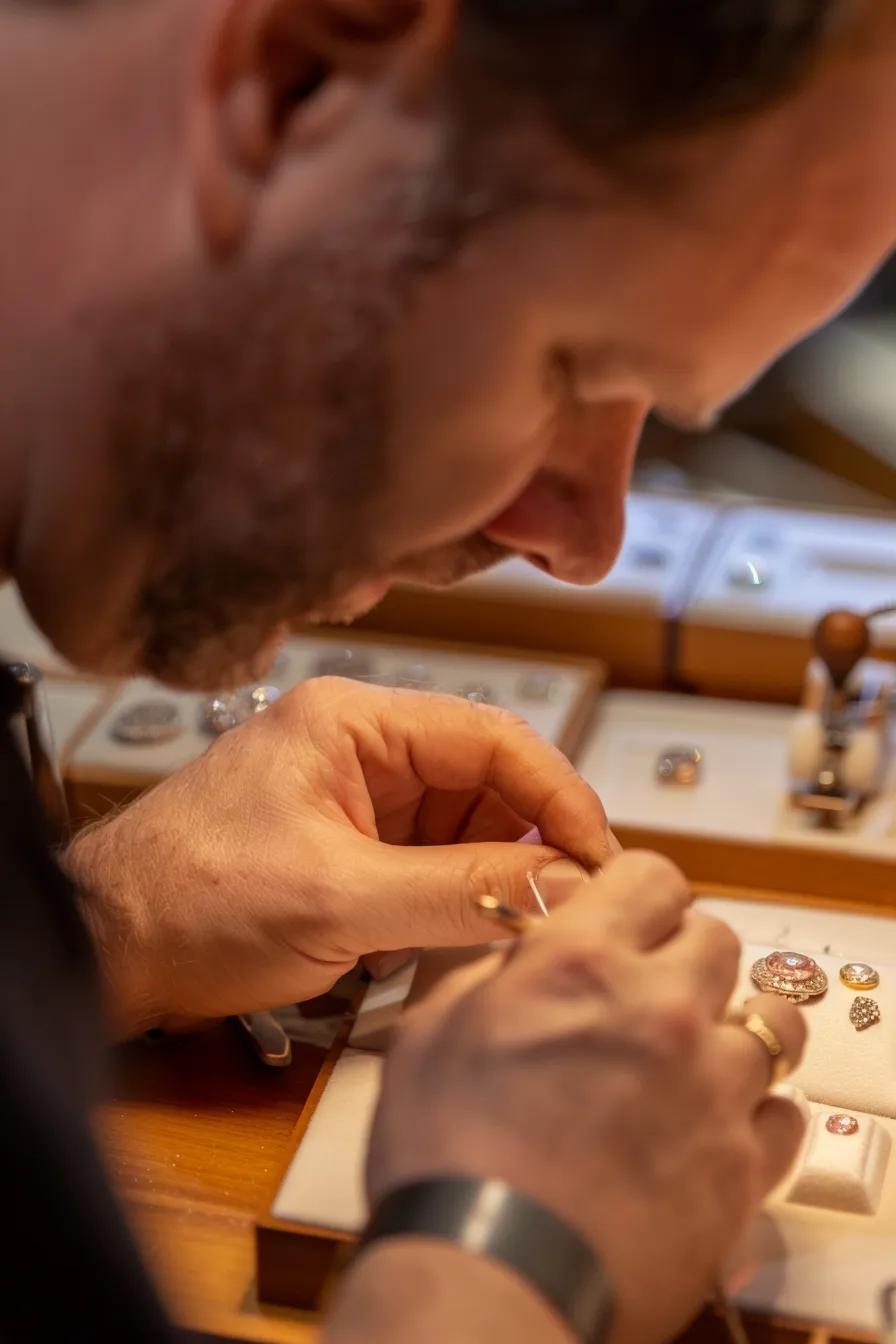
- Selection of the ideal Argyle pink diamond from our certified inventory.
- Collaborative design sessions focusing on ring sketches, preferred metals, and complementary accent stones.
- Review of detailed digital renders and physical prototypes prior to final crafting in our Melbourne studio.
This transparent, client-focused process ensures every design element enhances the diamond’s inherent depth and brilliance. Discover our comprehensive custom design services at Australian Diamond Company – Bespoke Diamond Jewellery Melbourne.
What Are the Most Popular Settings and Styles for Pink Argyle Diamonds?
- Halo Settings – A surrounding border of white diamonds serves to intensify the pink centre stone’s colour.
- Bezel Mounts – A sleek metal frame encircles the diamond, emphasising its colour purity and providing excellent protection.
- Vintage-Inspired Designs – Elements like milgrain detailing and intricate filigree work enhance the romantic appeal of these delicate hues.
These styles harmonise enduring elegance with a contemporary sensibility, allowing the gemstone’s natural charm to take centre stage.
Natural Argyle Pink Diamonds vs. Lab-Grown Pink Diamonds: A Comparison
Natural Argyle pink diamonds possess a unique geological history, finite supply, and premium collectibility. Lab-grown pink diamonds offer consistent colour, ethical sourcing assurances, and more accessible price points. Understanding the distinctions in their origin, market perception, and certification is crucial for making informed decisions that align with your budget, values, and long-term value expectations.
What Are the Key Differences in Origin and Value Between Natural and Lab-Grown Pink Diamonds?
How Do Ethical and Market Considerations Influence the Choice Between Natural and Lab-Grown Diamonds?
- Natural Scarcity Appeal – Appeals to collectors seeking unique, tangible assets with a rich history.
- Ethical Sourcing Assurance – Lab-grown diamonds eliminate concerns related to traditional mining practices.
- Resale Market Liquidity – Natural Argyle stones benefit from established secondary market values and demand.
Each option caters to different priorities, ranging from investment security to a preference for sustainable and ethically produced gems.
What Should Buyers Know About Lab-Grown Pink Diamond Quality and Certification?
- Laboratory Reports – IGI or GIA reports confirm origin, colour grading, and other quality parameters.
- Growth Method Disclosure – Certificates should clearly state whether the diamond was grown using CVD or HPHT methods.
- Quality Guarantees – Reputable jewellers typically offer warranties covering colour stability and cut quality.
With appropriate certification, lab-grown pink diamonds present a compelling and accessible alternative for buyers mindful of their budget.
Argyle pink diamonds uniquely combine geological wonder, profound emotional significance, and significant investment potential, a combination few other gemstones can match. Their inherently finite supply, the exclusive proprietary grading system, and their historic provenance from a closed mine contribute to a market that continues to captivate collectors and couples alike. By thoroughly understanding rarity metrics, the mechanics of their origin, the nuances of their grading, and the importance of certification standards and by partnering with expert designers like those at the Australian Diamond Company, you can confidently select or design a piece that serves as both an enduring symbol of love and a valuable asset for the future. For personalised assistance in sourcing certified Argyle pink diamonds and crafting bespoke creations, we invite you to connect with our Melbourne studio and embark on your journey to discover one of nature’s most exquisite treasures.


