
Diamond Shapes, 4 Cs and Certification – Australian Diamond Company
Selecting the perfect diamond is a journey of balancing quality, personal style, and your budget to ensure a treasure you’ll cherish forever. This expert guide will equip you with the knowledge to master the 4 Cs: carat weight, cut, colour, and clarity, the cornerstones of informed diamond selection. You’ll also delve into the captivating world of diamond shapes and how they influence jewellery design, explore the distinctions between natural and lab-grown diamonds, understand the significance of certification reports from leading grading bodies, and learn practical strategies for engagement ring budgets and settings. We’ll also touch upon ethical sourcing standards and essential terminology every discerning buyer should know. As Australia’s trusted diamond specialists, the Australian Diamond Company is dedicated to providing personalised guidance and a meticulously certified inventory to support you at every step. By the end of this guide, you’ll feel empowered to identify the diamond that perfectly reflects your taste, the occasion, and your financial vision.
Understanding the 4 Cs: The Foundation of Diamond Value and Beauty
The 4 Cs: carat weight, cut, colour, and clarity, are the universally recognised grading system that defines a diamond’s intrinsic value and visual appeal. By meticulously assessing a diamond’s mass, facet precision, hue, and internal characteristics, this framework ensures buyers can compare stones with confidence and consistency. A thorough understanding of these attributes empowers you to prioritise brilliance, size, and budget, ultimately leading you to a diamond that truly resonates with your personal preferences.
Carat Weight: The Measure of Size and Its Impact on Price
Carat weight is the metric unit used to measure a diamond’s mass, directly influencing its perceived size and market value. As carat weight increases, so does rarity, which in turn drives the price up exponentially rather than linearly. For instance, a 1.00-carat diamond will typically command a significantly higher price than a 0.75-carat stone of comparable cut and clarity. Strategically balancing carat weight with cut quality can help you achieve an optimal blend of sparkle and presence without exceeding your budget.
The Art of Diamond Cut: Unlocking Brilliance and Sparkle
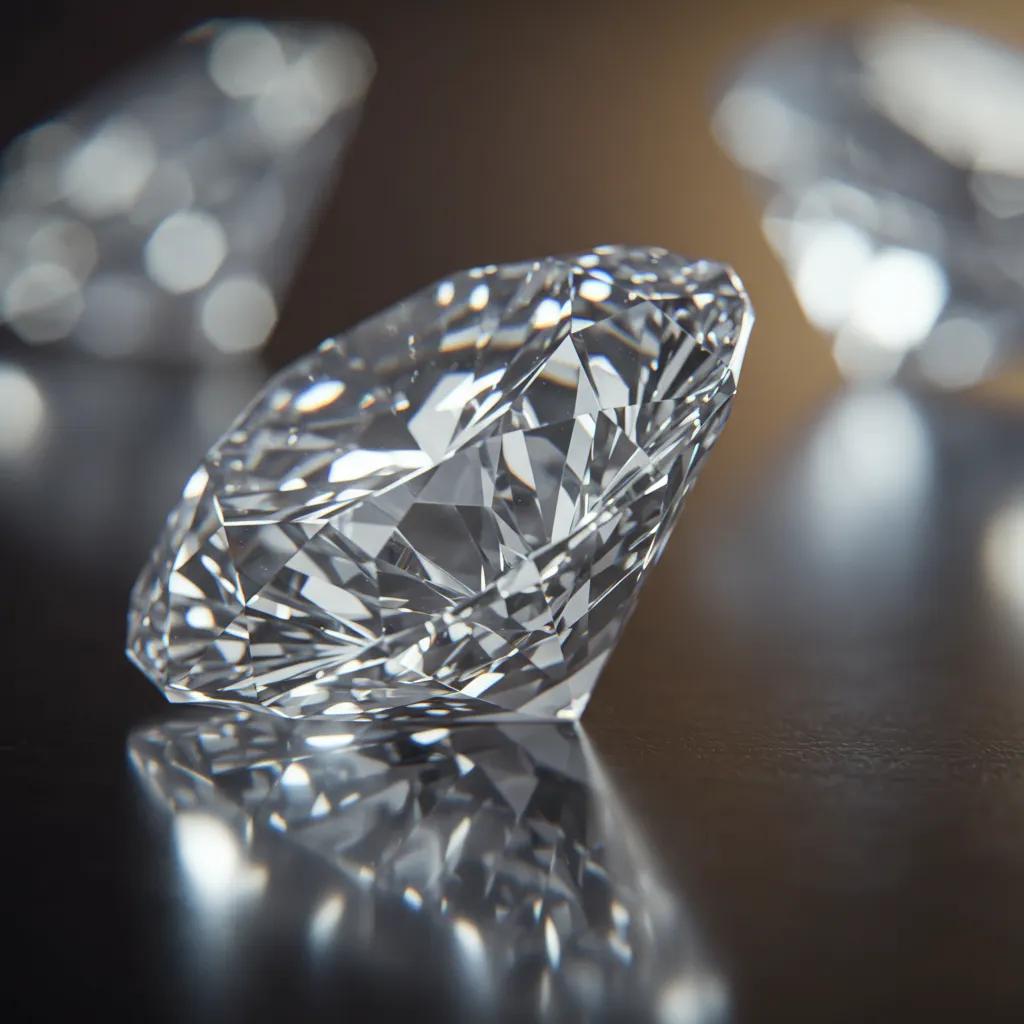
A diamond’s cut grade is a critical evaluation of its facet proportions and symmetry, dictating how light interacts within the stone to create its mesmerising brilliance and fire. A precisely executed table-to-crown ratio and exact pavilion angles are essential for reflecting light back through the crown, maximising the diamond’s sparkle. Opting for an ideal or excellent cut grade will ensure the most vibrant and lively appearance, even if you adjust other grades like carat or colour to align with your budget.
Diamond Colour Grades: Navigating the Spectrum of Hue
Diamond colour is graded on a scale from D (completely colourless) to Z (noticeable warmth), with even subtle variations impacting a diamond’s transparency and fire. Stones graded D–F exhibit an icy white appearance and maximise light return, while grades G–J offer near-colourless beauty at more accessible price points. Choosing a slightly lower colour grade can be a smart way to preserve brilliance, especially when paired with an excellent cut and a complementary setting.
Clarity: The Measure of Purity and Its Effect on Appearance
Clarity assesses the presence of internal inclusions and external blemishes when viewed under 10× magnification, directly influencing a diamond’s visual purity and overall value. Grades range from Flawless (containing no imperfections) to Included. Often, VS2–SI1 grades represent the best value, as any internal features are typically invisible to the naked eye. Selecting a clarity grade where inclusions are undetectable without magnification ensures exceptional sparkle and significant cost savings.
The Importance of Diamond Certification: Guaranteeing Quality and Trust
Certification from a reputable, accredited laboratory provides an impartial and expert evaluation of a diamond’s 4 Cs, serving as a guarantee of its quality and authenticity. Reports from leading grading authorities empower you to compare diamond attributes with confidence and verify that the retailer’s description accurately reflects the stone you are purchasing. This crucial validation underpins trust in your investment and simplifies future decisions regarding resale or upgrades.
Now that you have a solid grasp of these fundamental quality factors, let’s explore the diverse array of diamond shapes available to suit your unique style and setting preferences.
Exploring Diamond Shapes: Finding the Perfect Cut for Your Style
Diamond shape refers to the distinctive outline and facet arrangement of a gemstone, significantly influencing its visual character and its compatibility with various jewellery styles. The selection of a shape involves a thoughtful balance of optical performance, finger-flattering proportions, and your personal aesthetic. Understanding the unique attributes of each shape will guide you in matching form to function and desired appearance.
Popular Diamond Shapes and Their Defining Characteristics
The most cherished diamond shapes include the round brilliant, princess, cushion, oval, and emerald cuts, each offering distinct light-reflection properties:
- Round Brilliant Featuring 58 precisely engineered facets, this cut delivers unparalleled sparkle and fire.
- Princess A square silhouette with sharp, chevron-faceted edges, offering modern brilliance and a contemporary edge.
- Cushion Characterised by rounded corners, this cut beautifully blends vintage charm with lively, captivating fire.
- Oval An elongated form that elegantly creates the illusion of greater size on the finger.
- Emerald A step-cut design with broad, open facets that showcase exceptional clarity and an elegant, sophisticated appeal.
These iconic shapes form the heart of contemporary engagement and fashion jewellery, providing a rich selection for every taste and occasion.
How Diamond Shapes Influence Style and Setting Choices
Each diamond shape naturally complements specific settings, enhancing its optical strengths and contributing to a cohesive design. For instance, a round brilliant centre stone is perfectly showcased in a classic solitaire setting that highlights its dazzling sparkle, while a princess cut diamond benefits from a protective V-prong setting to safeguard its delicate corners. Step-cut shapes like the emerald often look stunning surrounded by a halo, adding contrast and visual depth.
Thoughtfully aligning the diamond shape with its setting amplifies both the durability and the aesthetic impact of your chosen piece, guiding your next design decision with confidence.
Matching Diamond Shape to Your Personal Style and Occasion
Choosing the ideal diamond shape involves considering factors such as finger shape, lifestyle, and the sentimental significance of the piece. Round and oval diamonds are excellent choices for everyday wear due to their resilience in prong settings, while emerald and Asscher cuts exude an art deco elegance, perfect for formal or heirloom-quality pieces. Consulting with an expert jeweller will ensure your shape selection beautifully complements both your personal fashion sense and practical needs.
With a clear understanding of diamond shapes, you’re now ready to compare how lab-grown options measure up against their natural counterparts.
Lab-Grown Diamonds: An Innovative Alternative to Natural Diamonds
Lab-grown diamonds are genuine carbon crystals meticulously formed under controlled laboratory conditions, effectively replicating the natural diamond-creation process with advanced technology. These stones possess identical chemical, physical, and optical properties to natural diamonds, offering a compelling and more budget-friendly alternative. Understanding their unique characteristics will help you determine if a lab-grown gem aligns with your values and aesthetic aspirations.
The Advantages and Considerations of Lab-Grown Diamonds
Lab-grown diamonds present a range of compelling benefits alongside important factors to consider:
- They are typically priced 30–40 percent lower than comparable natural diamonds.
- The controlled growth process allows for the creation of diamonds with exceptional colour and clarity at more accessible price points.
- Some individuals may prefer the traditional appeal and perceived value associated with natural origin.
Carefully evaluating these pros and cons will enable you to make an informed decision that aligns with your priorities regarding quality, cost, and personal values.
Laboratory-Grown Diamonds: The Future of Ethical JewelleryLaboratory-grown diamonds are diamonds produced in laboratories, benefiting from almost 70 years of development. To assess whether this novel alternative represents a viable opportunity to meet the demands of the evolving jewellery market, this research sought to observe the genuine potential of this man-made gemstone through a thorough understanding of its characteristics, market perception, and concrete sustainable solutions. Consequently, it is observed that there is a discernible interest in finding a new alternative possessing the same attributes to reassure all stakeholders. The definition of a gemstone is fundamentally the association between its chemical composition and crystal structure. This has led to bifurcated perspectives, where neither position is inherently correct but rather a matter of brand positioning. New generations of consumers increasingly recognise the significance of ethical consumption in luxury products. Negative publicity concerning child labour and conflicts, such as “Blood Diamonds”, has created an uncertain environment in which the new generation, Gen Z, is currently uncomfortable purchasing unconsciously. Again, arguments for and against laboratory-grown diamonds are emerging.Lab-grown diamond–the shape of tomorrow’s jewelry, Unknown Author, 2021
Lab-Grown Diamonds: Price and Quality Comparisons
Lab-grown diamonds generally command lower prices due to the scalability of their production, which is more predictable than the finite supply of mined diamonds. The quality remains exceptionally high, with top-tier lab-grown gems achieving D–F colour and Internally Flawless clarity grades. A direct comparison with natural diamonds of similar specifications reveals consistent optical performance at a significantly reduced cost.
This transparency in pricing empowers buyers to maximise the visual impact and quality of their diamond within their defined budget.
Certification and Trust for Lab-Grown Diamonds
Leading grading laboratories apply the same rigorous standards to lab-grown diamonds as they do to natural stones, issuing certificates that clearly specify their origin. Certified lab-grown diamonds bear a distinct designation of their creation method alongside the comprehensive 4 Cs report. This assurance reinforces buyer confidence and simplifies the process of comparing natural and lab-grown options.
Understanding these certifications is key to appreciating the full spectrum of grading authorities in the diamond industry.
Diamond Certification: Ensuring Quality and Authenticity Through Expert Grading
Diamond certification refers to the independent grading reports issued by established gemological laboratories, each employing stringent criteria to meticulously evaluate a diamond’s attributes. These comprehensive reports document the 4 Cs, fluorescence, and other critical characteristics, providing a transparent foundation of trust for your purchase. Familiarising yourself with the leading laboratories and learning to interpret their certificates is an essential step for any discerning diamond buyer.
The World’s Premier Diamond Grading Laboratories
The most respected and widely recognised diamond grading authorities include:
These esteemed institutions form the bedrock of the diamond trade, providing the trustworthy evaluations that the Australian Diamond Company relies upon to guarantee the integrity of its certified inventory.
Decoding Your Diamond Certificate: What to Look For
A complete diamond certificate will detail the carat weight, cut grade, colour grade, clarity grade, polish, symmetry, and fluorescence information. Begin by verifying that the carat weight precisely matches the seller’s description, then carefully review the cut proportions to assess its brilliance potential. Examine the clarity plot to understand the location of any inclusions and confirm any inscriptions on the girdle to ensure the diamond’s authenticity.
- Scrutinise facet diagrams for exact angles and symmetry.
- Note the fluorescence intensity if you prefer a minimal blue glow.
- Identify any clarity characteristics that might subtly affect light performance.
A thorough understanding of these details will safeguard your purchase and build unwavering confidence in your selection of the perfect diamond.
Why Diamond Certification is Crucial for Australian Buyers
In Australia, consumers rely on certification to navigate the nation’s robust consumer protection laws and ensure they are receiving fair market value for their diamond purchase. An accredited report serves as vital legal documentation of your diamond’s precise attributes, simplifying insurance appraisals and future resale processes. Buyers can trust certified stones to consistently match advertised qualities, thereby avoiding common grading discrepancies and ensuring a secure investment.
With a comprehensive understanding of certification, you are now well-prepared to apply practical strategies for selecting your ideal engagement diamond.
Expert Tips for Choosing Your Perfect Engagement Diamond
Selecting an engagement diamond is a deeply personal process that beautifully blends emotional significance with technical considerations, culminating in a cherished heirloom. By thoughtfully balancing the 4 Cs within your budget, harmonising setting styles with the diamond’s unique characteristics, and diligently verifying quality in any purchasing environment, you can ensure your decision brings enduring joy for years to come.
Mastering the 4 Cs Within Your Budget: A Strategic Approach
Effectively allocating your budget across the 4 Cs involves prioritising the attributes that are most visually impactful to the naked eye:
- Cut Always prioritise an excellent or ideal cut for maximum brilliance and sparkle.
- Carat Select the largest carat weight your budget allows after securing the desired cut quality.
- Colour Opt for near-colourless grades (G–J) to achieve a beautiful appearance at a balanced cost.
- Clarity Choose a clarity grade where imperfections are not visible without magnification for optimal visual purity.
This strategic prioritisation ensures you acquire a stunning diamond while keeping the overall expenditure perfectly aligned with your financial plan.
Complementary Settings and Jewellery Styles for Every Diamond
Choosing the right ring setting for your engagement diamond is essential for highlighting its unique strengths and ensuring its protection:
- Solitaire prong An elegant choice that elevates round and oval cuts, allowing maximum light exposure for unparalleled sparkle.
- Halo This popular setting encircles the centre stone, enhancing its brilliance and creating the illusion of a larger size.
- Bezel A secure metal rim that fully encloses the diamond, offering excellent protection, particularly for cushion and emerald cuts.
- Three-stone This design frames the main diamond with complementary side stones, adding significant brilliance and symbolic depth.
By thoughtfully matching the jewellery style to the diamond, you create a cohesive and personalised design that perfectly reflects your individual taste and lifestyle.
Verifying Diamond Quality: In-Store and Online Best Practices
Effective quality verification encompasses examining certification documents, reviewing high-resolution imagery, and inspecting the diamond under optimal lighting conditions. In person, utilise a jeweller’s loupe to confirm clarity and facet precision. When shopping online, request interactive video presentations or detailed scans of the certificate. Partnering with accredited retailers and reputable diamond advisors ensures complete consistency between what you see and what you ultimately receive.
By integrating these expert tips, you can confidently select an engagement diamond that resonates deeply on both an emotional and technical level.
Ethical Sourcing and Certification: Making a Conscious Diamond Choice
Ethical sourcing addresses the crucial environmental and social considerations inherent in diamond production, ensuring that gemstones are mined or grown under responsible and sustainable conditions. Certification schemes for conflict-free and ethically sourced diamonds provide essential transparency, allowing you to align your purchase with your personal values. Understanding these factors adds a profound layer of integrity and meaning to your diamond selection process.
The Significance of Ethical Diamond Sourcing
Ethical sourcing guarantees that diamonds are extracted or cultivated without contributing to human rights abuses or environmental degradation. Standards such as the Kimberley Process, alongside independent audits, confirm that diamonds are free from conflict and adhere to fair labour practices. By choosing ethically sourced diamonds, you actively support social responsibility and sustainable development within the global jewellery industry.
Identifying Conflict-Free and Sustainable Diamonds
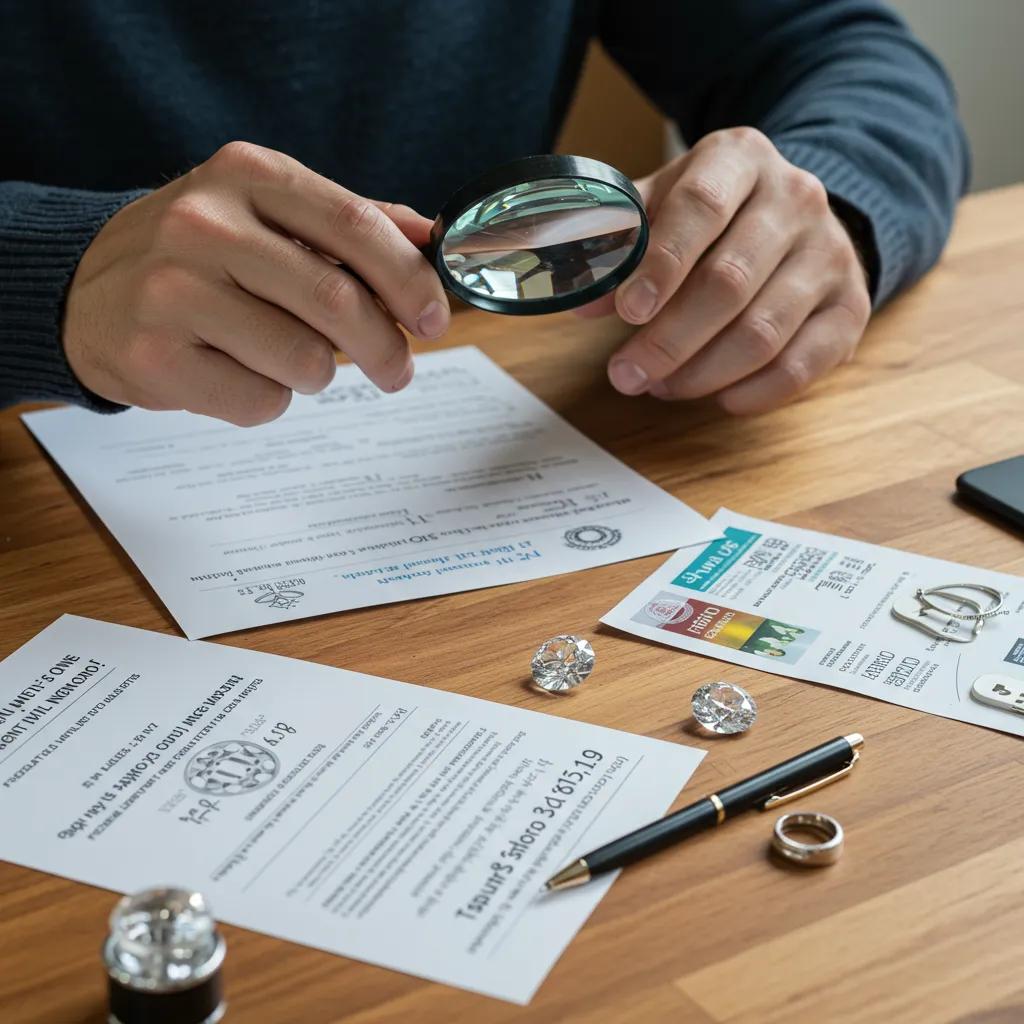
Look for official certification seals and transparent supply-chain documentation that meticulously tracks a diamond from its origin to the retail point of sale. Ethically sourced diamonds often come with origin certificates, detailed chain-of-custody records, and independent third-party audit reports. Inquire about environmental impact assessments and community engagement initiatives to ensure the diamond’s provenance aligns perfectly with your values.
Exploring Fancy Coloured and Unique Diamond Options
Fancy coloured diamonds occur naturally in a spectrum of captivating hues, including yellow, pink, blue, and green, with colour intensity significantly influencing their rarity and price. Advanced lab-grown processes can also produce stones with vibrant, saturated tones at more accessible price points through controlled elemental infusion. Whether you are drawn to a rare natural hue or a vivid lab-created colour, exploring these specialty options opens up a world of creative possibilities beyond traditional white diamonds.
With a thorough understanding of ethical considerations and unique colour options, you are now ready to master the essential terminology that underpins confident diamond buying.
Essential Diamond Buying Terms and Frequently Asked Questions
Familiarity with industry terminology is key to simplifying the selection process and reducing uncertainty when comparing diamonds. Understanding core concepts such as fluorescence, appraisal, and grading nomenclature empowers informed decision-making and protects you from potential misinterpretations of reports.
Understanding Fluorescence in Diamonds and Its Value Impact
Fluorescence refers to a diamond’s inherent property to emit a soft glow, typically blue, when exposed to ultraviolet light. While medium to strong fluorescence can subtly soften the colour appearance in D–G graded stones, it often presents a value advantage without compromising everyday brilliance. Buyers seeking an absolutely pristine white appearance may prefer minimal fluorescence to maintain consistent visual performance under various lighting conditions.
The Role and Importance of Diamond Appraisal
A professional appraisal provides an independent monetary valuation of your diamond, essential for insurance and resale purposes, based on current market data and the stone’s specific attributes. Certified appraisers meticulously assess carat weight, cut grade, colour, clarity, and estimated replacement cost to establish a fair market value. Maintaining an up-to-date appraisal safeguards your valuable investment and simplifies the claims process in the unfortunate event of loss or damage.
Addressing Common Diamond Selection Queries
Frequently asked questions often centre on budget allocation strategies, the suitability of different shapes, the authenticity of certification, ethical sourcing practices, and long-term resale potential. Shoppers commonly seek clarity on how to best balance the 4 Cs, the most effective ways to protect diamonds within settings, how to verify lab reports, and the key differences between natural and lab-grown options. Addressing these common concerns proactively accelerates the decision-making process and significantly enhances confidence in your final choice.
By mastering these essential terms and concepts, you will navigate the diamond market with unparalleled clarity and assurance.
Selecting the diamond that perfectly captures your vision and stands the test of time as a timeless symbol requires both a keen technical understanding and deep personal reflection. Armed with this comprehensive guide, you can approach every decision whether it concerns cut, shape, origin, or ethical practices with unwavering confidence. Explore your diamond possibilities with trusted expertise and discover the perfect gemstone that harmoniously balances brilliance, value, and profound meaning.


