
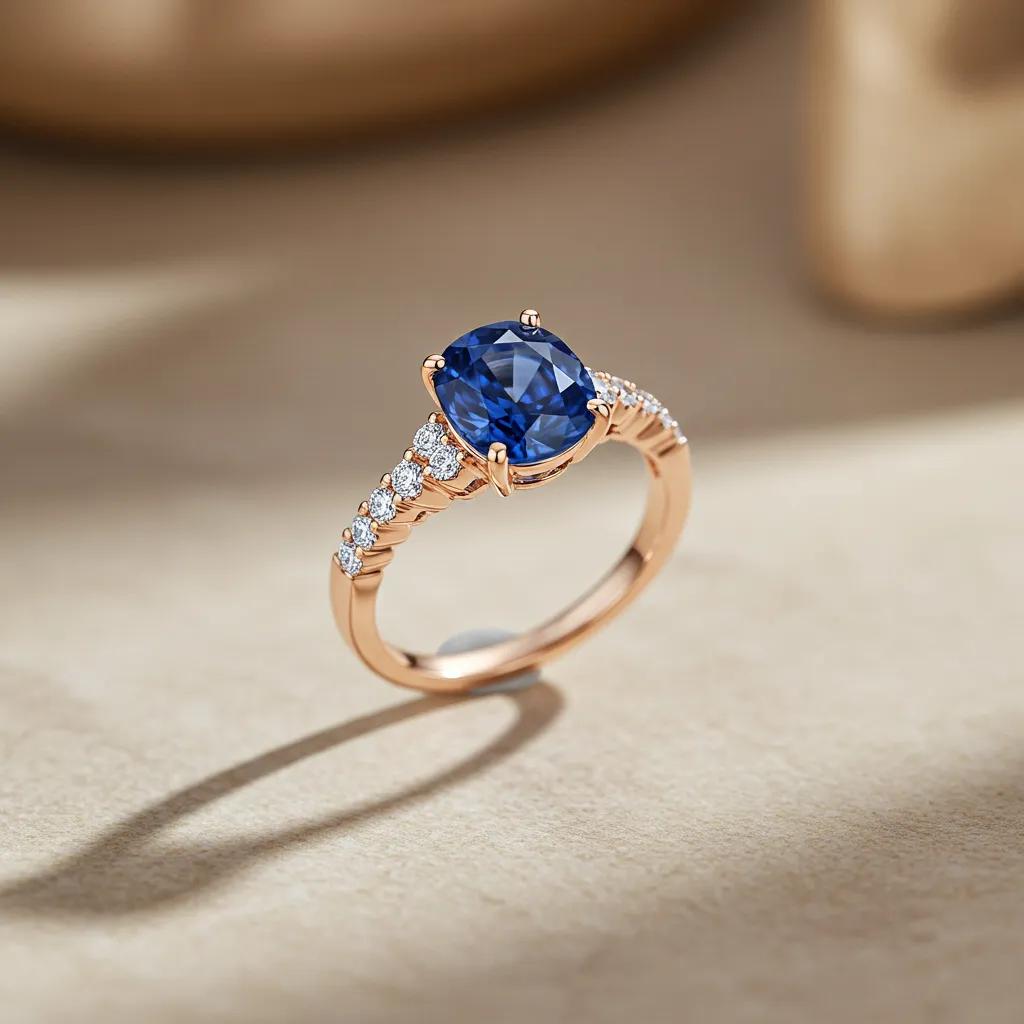
Your Guide to Royal Blue Sapphire Rings – Australian Diamond Company
Imagine adorning your hand with a gemstone that has graced royal collections for centuries, still radiating an unparalleled intensity. Blue sapphire engagement rings masterfully blend enduring hardness, captivating colour, and profound symbolism, offering both exquisite beauty and deep meaning. This guide equips discerning jewellery enthusiasts with everything they need to know about classic blue sapphire rings: from their unique characteristics and most sought-after styles in the UK to their finest origins, a comprehensive buying framework, rich cultural significance, expert care advice, and realistic price expectations. Whether you’re drawn to regal blue sapphire settings or searching for a certified Ceylon stone, you’ll uncover practical insights to select, cherish, and protect your dream ring, all backed by ADC’s curated expertise in fine gemstone jewellery.
What Makes Blue Sapphire Rings Truly Exceptional?
Blue sapphire rings stand out by combining the exceptional Mohs-9 hardness of corundum with a depth of colour that signifies trust and sophistication, delivering both remarkable durability and striking visual appeal. Their superior resistance to scratches and intense colour saturation, derived from trace amounts of iron and titanium, ensure each ring becomes a lasting heirloom.
Jewellery connoisseurs highlight three key advantages of blue sapphire rings:
- Unrivalled Durability: The inherent hardness of corundum guarantees exceptional resistance to scratches and daily wear.
- Rich Colour Palette: From deep, velvety royal blues to delicate cornflower hues, each sapphire boasts unique saturation and tone.
- Cultural Significance: Their historical association with royalty and their status as the September birthstone add layers of emotional depth.
What Defines a Classic Blue Sapphire?
A classic blue sapphire is distinguished by its vibrant hue, exceptional clarity, and esteemed heritage, merging geological rarity with meticulous cutting to maximise brilliance and colour purity. Originating as crystalline corundum, a sapphire’s classification is determined by three primary attributes: hue, tone, and saturation.
Essential quality indicators include:
- Hue Purity: A balanced blue shade with minimal green or violet undertones.
- Even Tone: A medium to strong tone that ensures the stone appears neither too dark nor too pale.
- High Saturation: Vivid colour intensity that remains consistent under various lighting conditions.
- Eye-Clean Clarity: Minimal visible inclusions, preserving the stone’s sparkle and transparency.
Why Are Blue Sapphires Revered as the Gemstone of Royalty?
Blue sapphires symbolise loyalty and wisdom, a reputation solidified by historical crowns and royal jewellery collections that favoured cornflower-blue stones for their regal aura. Their connection to monarchs dates back to medieval Europe, where sapphires adorned ecclesiastical rings and coronation regalia, signifying divine favour and elevated social standing.
Selective mining in Sri Lanka and Kashmir yielded stones that became potent symbols of power, reinforcing sapphire’s prestige as an emblem of sovereignty. Today, exceptional examples continue to inspire engagement ring designs that evoke royal elegance and honour time-honoured traditions.
Sapphire Rings: Royal Betrothal and Gemstone Characteristicsa sapphire ring, as did Prince George when he selected Princess Marina’s engagement ring. … imparting their distinct character, readily discernible by their hardness and specific gravity. …Ceylon Island of Gems, Unknown Author, 2004
How Resilient Are Blue Sapphire Rings for Daily Wear?
Indeed, blue sapphire rings offer exceptional resilience for daily wear, owing to corundum’s 9-point hardness on the Mohs scale, which provides superior resistance to scratches and maintains its polish far longer than many other gemstones. This inherent toughness ensures sapphire settings can withstand routine activities and retain their brilliant lustre for decades.
Beyond hardness, sapphires possess high toughness, meaning they can absorb impacts without easily chipping. Their stability under varying temperatures and chemical exposure further solidifies their suitability as dependable choices for everyday rings.
Which Blue Sapphire Ring Styles Are Most Coveted in the UK?
British jewellery aficionados gravitate towards blue sapphire rings that artfully combine classic silhouettes with contemporary touches, creating distinctive pieces perfect for engagements, anniversaries, and special occasions. The UK market has shown a strong preference for several iconic designs that strike a balance between tradition and modern elegance.
Popular sapphire ring designs include:
- Solitaire Settings – These designs elegantly showcase a single, eye-clean sapphire on a refined band for enduring minimalism.
- Halo Designs – A central sapphire is encircled by smaller pavé diamonds, amplifying its brilliance and perceived size.
- Vintage-Inspired Bands – Featuring intricate milgrain detailing, delicate filigree, and split shanks for a charming antique aesthetic.
- Trilogy Rings – These rings feature a sapphire paired with complementary side stones, often diamonds, symbolising past, present, and future.
What Are the Signature Blue Sapphire Engagement Ring Designs?
Iconic engagement ring designs highlight sapphire’s remarkable ability to shine in various settings while reflecting personal stories. The solitaire design accentuates the gemstone’s pure colour, while halo arrangements enhance brilliance by surrounding the sapphire with smaller diamonds. Vintage-inspired rings draw from Art Deco or Victorian motifs, incorporating intricate metalwork that beautifully frames the stone. Trilogy styles, with their three stones, symbolise significant life milestones, harmoniously blending sapphire’s depth with diamond’s sparkle.
Each design leverages sapphire’s inherent qualities: its hardness, vivid hue, and high refractive index to achieve a balanced elegance and lasting wearability.
How Do Blue Sapphire and Diamond Rings Harmonise Elegance?
Rings featuring both blue sapphire and diamonds masterfully employ the striking contrast between sapphire’s deep blue and diamond’s brilliant clarity, creating a dynamic interplay of colour and light. Designers frequently place tapered baguettes or brilliant-cut diamonds alongside a central sapphire, enhancing the sapphire’s hue while adding captivating sparkle and versatility.
- Visual Contrast: Diamond side stones accentuate and intensify the sapphire’s rich colour.
- Light Performance: Diamond facets reflect light back into the sapphire, significantly boosting its perceived brilliance.
- Symbolic Harmony: Sapphire’s representation of sincerity complements diamond’s symbolism of purity, enriching the ring’s emotional resonance.
The outcome is a sophisticated hybrid design that appeals to both contemporary tastes and cherished, time-honoured symbolism.
Are Blue Sapphire Rings Available Beyond Engagement Styles?
Dress and anniversary rings broaden sapphire’s appeal beyond engagements, offering versatile designs perfect for marking celebrations or complementing evening attire. Options include:
- Three-stone bands featuring multiple sapphires in graduated sizes.
- Eternity rings with alternating channels of sapphires and diamonds.
- Cocktail rings showcasing generously sized cushion or oval sapphires surrounded by decorative metalwork.
These diverse styles underscore sapphire’s remarkable adaptability and confirm its status as far more than just an engagement centrepiece.
Where Are the World’s Finest Blue Sapphires Sourced?
The most highly prized blue sapphires globally originate from deposits renowned for yielding ideal combinations of hue, clarity, and saturation. The origin of a sapphire significantly influences its value and unique character, guiding connoisseurs towards stones with recognised provenance.
Key sapphire sources include:
- Sri Lanka (Ceylon): Esteemed for its signature cornflower-blue tones and exceptional transparency.
- Kashmir (Northern India/Pakistan): Celebrated for its velvety royal blue sapphires, holding immense historical prestige.
- Madagascar: Produces vivid royal blue stones with remarkable saturation.
- Myanmar and Thailand: Offer sapphires with darker, deep tones and dramatic colour intensity.
What Makes Ceylon Sapphire Rings Distinctive?
Ceylon sapphire rings are highly valued for their characteristic cornflower blue shade: a medium-light tone with brilliant saturation, and for yielding stones of exceptional eye-clean clarity. Sri Lanka’s alluvial deposits produce sapphires with outstanding light return and minimal inclusion patterns, making them ideal for exquisite engagement designs.
This combination of clarity and hue ensures that Ceylon sapphires offer both captivating visual appeal and profound symbolic significance, reinforcing their esteemed position in luxury jewellery.
How Do Royal Blue and Kashmir Sapphires Differ in Value and Hue?
Royal blue sapphires command strong market interest and competitive prices due to their vivid, evenly saturated colour, which falls between a medium and dark tone, offering striking brilliance. Kashmir sapphires, conversely, are celebrated for a velvety, slightly muted saturation that diffuses light softly, creating a coveted, dreamy “velvet” appearance highly sought after by collectors.
Padder Blue Sapphire: Historical, Cultural, and Economic SignificanceOne of the purest forms of aluminium oxide, the Padder Sapphire, a blue gem variety of the mineral corundum, is considered to be the hidden wealth of the Kishtwar region. Found in the upper reaches of the remote village of Padder, it is reputed to be of the finest quality globally, second to none. Initially unknown and unexploited, found in abundance amongst the local populace, it became known as the wealth of Padder from the 19th century onwards, following its presentation by General Zorawar Singh to Maharaja Ranbir Singh of Jammu and Kashmir. Currently, the Padder sapphire is one of the most expensive gemstones in the world. However, its renown extends beyond its sheer lustre and brilliance. It is associated with profound historical, cultural, astrological, and traditional legends and beliefs, which contribute to its significance. This paper, therefore, endeavours to study the historical, cultural, and economic significance of the Padder sapphire and to illuminate the many facets of the Padder.The Legend of Himalayan Motherlode-Historical, Cultural and Economic Significance of T he Padder Blue Sapphire, Unknown Author, 2021
What Are the Defining Characteristics of Cornflower Blue Sapphires?
Cornflower blue sapphires are recognised for their balanced medium-light tone, strong saturation, and minimal green or violet undertones, resulting in a pure, captivating blue often associated with regal jewellery. Their high transparency and gentle glow under various lighting conditions distinguish them from darker or overly intense hues.
This precise combination of hue, tone, and saturation guides buyers towards the quintessential sapphire aesthetic cherished by designers and collectors alike.
How to Select the Ideal Blue Sapphire Ring: A Comprehensive Buying Guide
Choosing the perfect blue sapphire ring involves carefully evaluating specific quality factors, ethical considerations, and certification to ensure enduring beauty and value. A structured approach empowers consumers to compare stones and settings with confidence.
What Are the 4 Cs of Blue Sapphire Quality?
Assessing a sapphire’s quality involves evaluating colour, clarity, cut, and carat weight: criteria adapted from diamond grading standards to suit corundum’s unique properties.
Here’s a breakdown of each quality characteristic and its impact on appearance:
Should You Opt for Natural or Lab-Created Blue Sapphires?
Natural sapphires are formed over millions of years under intense geological pressure, often commanding higher prices and possessing unique character through natural inclusions and provenance. Lab-created sapphires, cultivated under controlled conditions, match natural stones in chemical composition and hardness, offering more affordable, ethically consistent alternatives with fewer inclusions.
Key considerations for each type:
- Natural Sapphire: Its provenance can enhance rarity and potential for untreated value.
- Lab-Created Sapphire: Offers predictable quality, a lower price point, and guaranteed traceability.
The choice between them hinges on your budget, ethical priorities, and preference for natural rarity versus engineered perfection.
Why Are Certification and Ethical Sourcing Crucial for Sapphire Rings?
Certification from reputable gemological institutes validates a sapphire’s quality attributes: colour, clarity, cut, and any treatments, providing essential transparency and building consumer confidence. Ethical sourcing guarantees fair labour practices and responsible mining operations, minimising environmental impact and supporting community development.
Prioritising certified, ethically sourced sapphires:
- Confirms the stone’s authenticity and treatment status.
- Protects against undisclosed enhancements.
- Supports sustainable supply chains, reinforcing consumer trust.
What Is the Symbolic Meaning Behind Classic Blue Sapphire Rings?
Classic blue sapphire rings embody profound themes of loyalty, wisdom, and sincerity, making them highly favoured choices for meaningful gifts and significant life events. Their deep blue hue evokes a sense of calmness and trust, while historical associations with royalty and spiritual devotion impart added layers of significance.
What Does a Blue Sapphire Ring Symbolise?
A blue sapphire ring represents unwavering devotion and clear communication, reflecting the gemstone’s historical use in matrimonial and ceremonial jewellery. Its deep blue colour signifies profound emotional depth and steadfast sincerity, making it an ideal emblem of commitment.
These symbolic qualities resonate across diverse cultures and generations, bridging tradition with contemporary expressions of love and loyalty.
A Study of a Roman-Period Gold Ring with SapphireThis article focuses on a Roman-period gold ring set with a blue sapphire. (a) The side view of the ring (maximum diameter of 2.24 cm) reveals the acanthus-like setting, …Study of a Third-Century ce Sapphire Gold Ring in the Archaeological Museum of Thessaloniki, Greece., Unknown Author, 2023
Why Are Blue Sapphire Rings Cherished as September Birthstone Gifts?
As the official birthstone for September, sapphire carries traditions of protection, insight, and inner strength for individuals born in that month. Gifting a sapphire ring in September aligns with personal identity and birthstone lore, offering both aesthetic beauty and symbolic relevance that deepens emotional connections.
How Should You Care for and Maintain Your Blue Sapphire Ring?
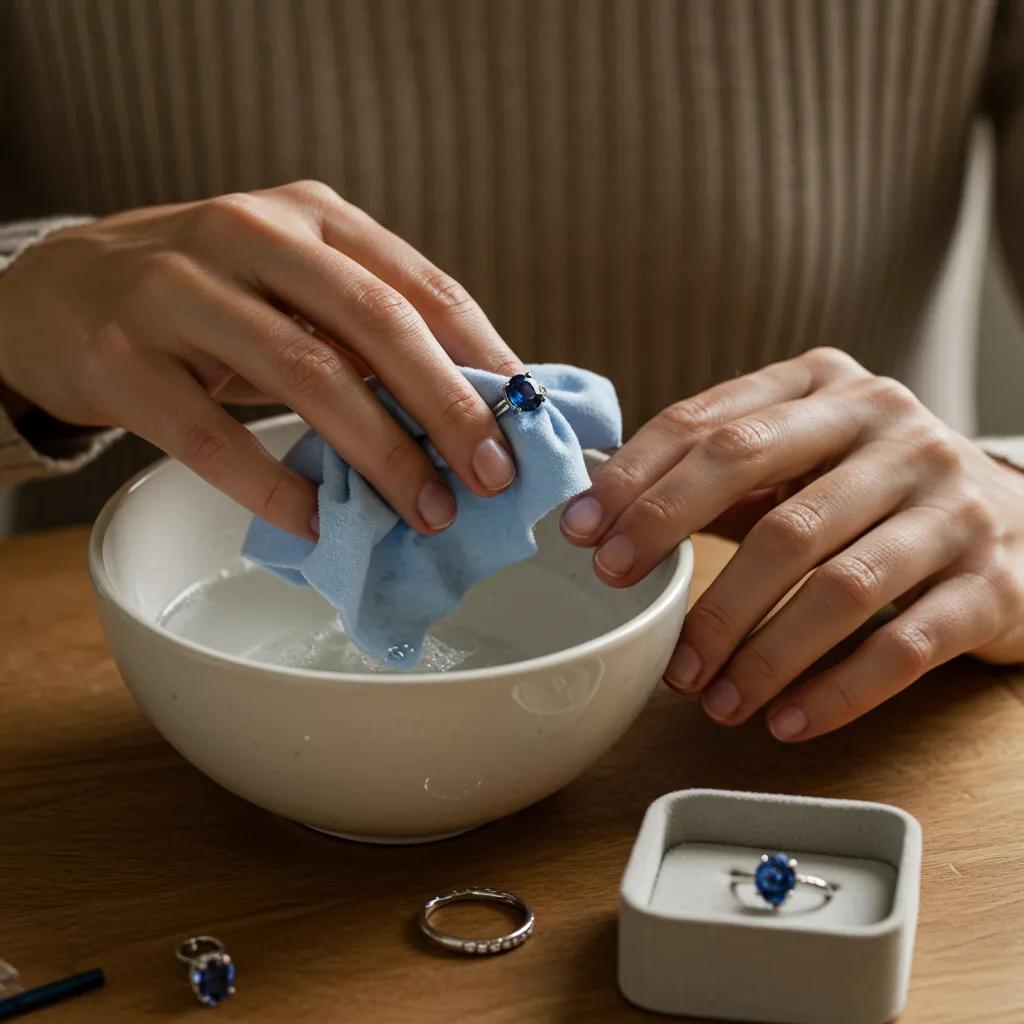
Proper care is essential for preserving a sapphire ring’s brilliance and structural integrity, ensuring its beauty endures for generations. Regular maintenance and mindful handling prevent damage and maintain its optimal sparkle.
What Are the Best Cleaning and Maintenance Practices for Sapphire Rings?
Gentle, regular cleaning effectively removes oils and residues that can dull the gemstone’s lustre. Use mild soap, warm water, and a soft brush to carefully clean beneath the setting. While ultrasonic cleaners can be suitable for heat-treated sapphires, they should be avoided for stones with fracture-filling treatments.
Essential maintenance steps include:
- Gently wipe the ring with a soft cloth after each wear.
- Briefly soak the ring in a solution of mild detergent and warm water.
- Use a soft-bristled brush to gently dislodge any accumulated debris.
- Ensure the ring is thoroughly dried before storing it in a lined jewellery box.
These practices help maintain the stone’s clarity and brilliance while protecting the metal setting.
How Can You Safeguard Your Blue Sapphire Ring from Damage?
Protect your sapphire rings by removing them before engaging in strenuous activities, exposure to harsh chemicals, or heavy manual labour. Store rings separately in padded compartments to prevent abrasion between metal and gemstones. Schedule annual professional inspections to ensure prongs remain secure and to identify any early signs of wear or loose stones.
Consistent, careful maintenance will preserve the ring’s pristine condition and extend its lifespan as a cherished heirloom.
What Is the Typical Cost of Classic Blue Sapphire Rings in the UK Market?
The pricing for classic blue sapphire rings varies considerably, influenced by the sapphire’s quality, origin, cut, and the complexity of the setting. Understanding the key factors that determine price allows buyers to align their expectations with their budgetary goals.
What Factors Influence the Price of Blue Sapphire Rings?
Key price determinants for sapphire rings include:
- Sapphire Quality: Stones with superior colour purity, clarity, and precise cutting command higher prices.
- Origin: The rarity and esteemed reputation of sources like Kashmir or Ceylon significantly add to the value.
- Carat Weight: Larger stones exhibiting top-tier colour and clarity increase in cost exponentially.
- Setting Material and Design: Settings crafted from platinum or 18k gold, especially those with intricate artistry, increase the overall price.
How Does the Value of Royal Blue Sapphire Compare to Other Blue Sapphires?
Royal blue sapphires typically achieve competitive prices due to their vivid saturation and strong market demand, although they often cost less than exceptionally rare Kashmir stones of comparable size and clarity. While cornflower-blue Ceylon sapphires offer excellent brightness at moderate price premiums, Kashmir sapphires command the highest per-carat rates owing to their extreme scarcity and historical allure.
Comparative pricing trends:
- Kashmir Sapphire: Attracts top-tier pricing driven by its exceptional rarity.
- Royal Blue Sapphire: Enjoys strong demand; commands a premium for its vivid hue.
- Ceylon Sapphire: Offers a favourable cost-to-quality ratio, making it a popular choice for many buyers.
By carefully balancing hue preferences with budget considerations, consumers can select the sapphire category that best aligns with their individual priorities.
When you choose a classic blue sapphire ring, you acquire not only a remarkably durable gemstone but also a storied symbol of loyalty and elegance. With expert guidance on style, sourcing, quality assessment, and care, you can make a wise investment and enjoy your sapphire’s enduring brilliance for many years to come. Discover ADC’s curated collection of sapphire jewellery, featuring certified, ethically sourced stones and professional support to help you find the perfect ring.


