
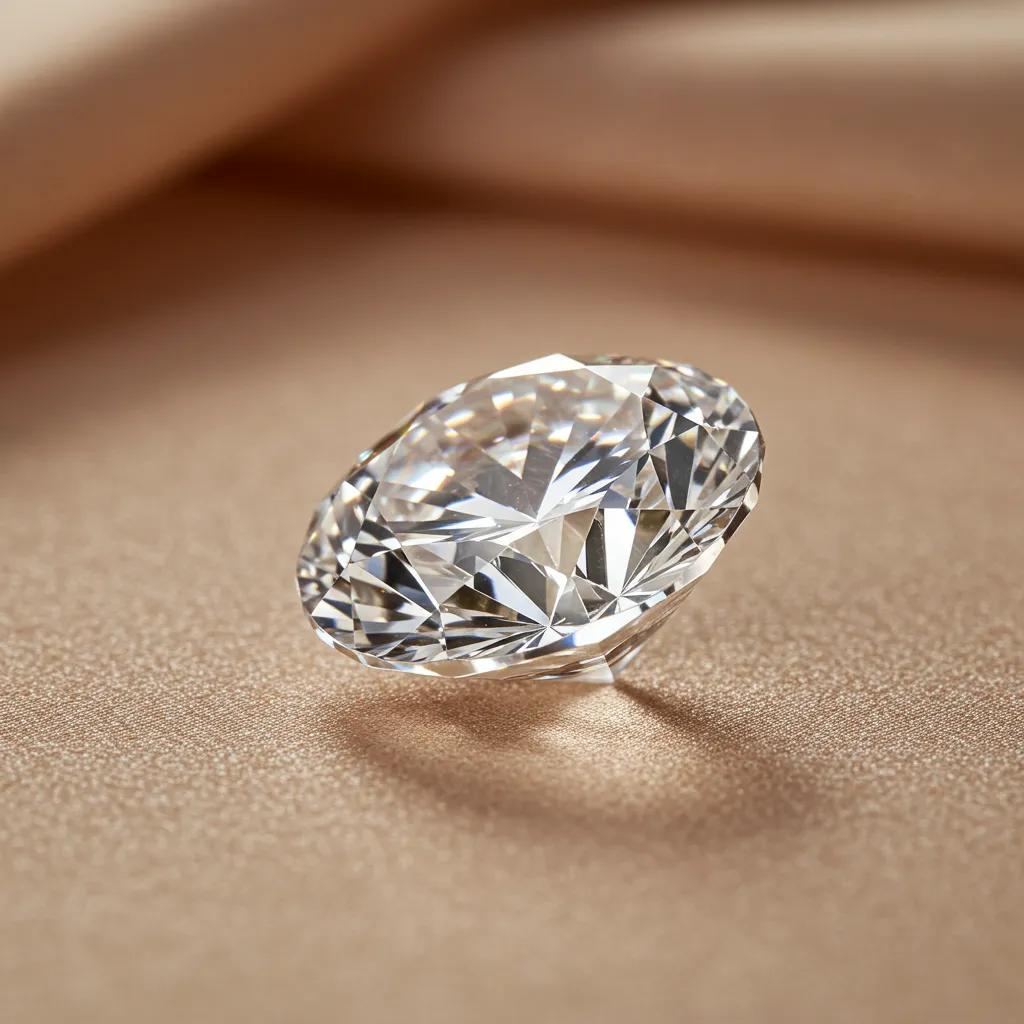
Ever pondered why two diamonds of identical size and clarity can possess such vastly different levels of brilliance? The secret lies in the diamond’s cut — the key to unlocking maximum sparkle, fire and scintillation. Yet many shoppers mistakenly prioritise colour or carat weight. If you want to see how cut quality transforms real pieces, explore our diamond engagement rings to compare different shapes, settings and light performance. This guide demystifies the process, defining what diamond cut truly means, explaining how grading systems evaluate quality, exploring the science of light performance, presenting popular cut styles, and offering practical advice for discerning Australian buyers. You’ll discover why cut eclipses the other 4Cs, how expert laboratories assign grades based on precise proportions, symmetry and polish, and which cut grades promise breathtaking brilliance for your engagement ring or cherished jewellery. We’ll also guide you through understanding grading reports and locating diamonds cut with exceptional precision, including exquisite pieces from the Australian Diamond Company.
What Exactly Is Diamond Cut and Why Is It Paramount?
Diamond cut refers to the intricate combination of facet proportions, symmetry, and polish that dictates how effectively a gemstone interacts with light to produce brilliance, fire, and scintillation. By meticulously shaping a diamond’s facets at exact angles, cutters ensure that incoming light is directed to reflect internally and return through the crown, resulting in a captivating visual presence and enhanced market value.
How Does Diamond Cut Differ from Diamond Shape?
Diamond shape defines the gemstone’s external outline think round, oval, or pear. Diamond cut, on the other hand, describes the precision and artistry with which those shapes are faceted and polished. While a round brilliant and a princess cut might both appear square or circular, it’s the quality of their facet arrangement that truly determines how they capture and return light.
Why Is Diamond Cut the Most Crucial of the 4Cs?
The cut of a diamond exerts the most significant influence on its sparkle and perceived size because it governs light performance at a fundamental level. Even a diamond with flawless clarity and colour can appear lifeless if poorly cut. Conversely, a well-proportioned cut maximises radiance and often commands a higher price.
How Has Diamond Cutting Evolved Through the Ages?
Diamond cutting has journeyed from early rose and table cuts to the mathematically perfected round brilliant, first conceptualised by Marcel Tolkowsky in 1919. Today, advancements in laser technology and computer-aided design allow for precision measured in fractions of a degree, yielding cuts that surpass historical standards in light return and brilliance.
How Are Diamond Cut Grades Determined?
Reputable diamond grading laboratories meticulously assess cut quality through a series of precise measurements and detailed visual examinations. These evaluations focus on proportions, symmetry, and polish. Each factor is quantified and then synthesised to produce an overall grade that accurately predicts a diamond’s brilliance, fire, and scintillation.
What Is the GIA Diamond Cut Scale and Its Defining Criteria?
The Gemological Institute of America (GIA) employs a straightforward five-point scale Excellent, Very Good, Good, Fair, and Poor specifically for round brilliant diamonds. These grades are derived from precise calculations of crown angle, pavilion depth, table percentage, and girdle thickness, complemented by microscopic scrutiny of facet alignment and surface finish.
The GIA Diamond Cut Grading System: Proportions and PerformanceThe GIA diamond cut grading system is predicated upon the analysis of proportion-based metrics to forecast how diamonds will perform in terms of brilliance, fire, and scintillation. The system endeavours to provide a comprehensive assessment of a diamond’s overall cut quality, taking into account various factors that contribute to its visual appeal.A foundation for grading the overall cut quality of round brilliant cut diamonds, Unknown Author, 2004
How Does the AGS Cut Grading System Measure Up?
The American Gem Society (AGS) utilises a numerical scale, ranging from 0 (Ideal) to 10 (Poor), which encompasses both round and fancy diamond shapes. AGS places a strong emphasis on light performance analysis, employing advanced ray-tracing technology to provide a more nuanced assessment of brilliance and fire than traditional proportion charts.
Which Key Factors Influence Cut Grade: Proportions, Symmetry, and Polish?
A diamond’s cut grade is determined by three interconnected elements:
- Proportions The precise angles and depth ratios of the facets are critical for directing light refraction and maximising return.
- Symmetry The exact alignment of facets ensures that light is distributed evenly, contributing to a balanced sparkle.
- Polish A flawless surface finish is essential to prevent blemishes that can scatter light internally, diminishing brilliance.
What Are the Ideal Cut Proportions for Achieving Maximum Brilliance?
Before delving into specific figures, consider this table outlining the optimal proportions for round brilliant diamonds:
Adhering to these proportions is fundamental to achieving an “Excellent” or “Ideal” cut grade, resulting in superior brightness and captivating fire.
How Do Symmetry and Polish Impact Overall Cut Quality?
Symmetry meticulously examines the shape, placement, and alignment of each facet, while polish assesses the smoothness of the facet surfaces. Even if proportions are within ideal ranges, imperfections in symmetry or polish can lead to light leakage and a reduction in overall scintillation.
GIA Diamond Cut Grading: Polish and Symmetry FactorsFurther details regarding the GIA Diamond Cut Grading System are available on the GIA website. This resource elaborates on the system’s methodology for assessing polish and symmetry, which are critical factors that, in conjunction with proportions, influence a diamond’s overall aesthetic appeal and light performance.Polish and symmetry, Unknown Author, 2005
How Does Diamond Cut Influence Sparkle: Brilliance, Fire, and Scintillation?
The cut of a diamond is the governing factor behind three key light performance phenomena that collectively define its sparkle:
- Brilliance The pure white light reflected from the diamond’s internal facets.
- Fire The dazzling spectral flashes created as light disperses into its component colours.
- Scintillation The dynamic interplay of light and dark areas, and the flashes of light that appear as the diamond moves.
What Is Brilliance and How Is It Achieved Through Cut?
Brilliance is achieved when facet angles are precisely calculated to direct white light back towards the observer’s eye. An optimally angled pavilion prevents light from escaping through the base of the diamond, resulting in an intense and uniform glow.
How Does Fire Add Colourful Flashes to a Diamond?
Fire is produced when the diamond’s cut proportions cause white light to split into its spectral colours. Precise crown geometry and pavilion angles work in concert to amplify this dispersion, creating vibrant flashes of colour against the backdrop of white light.
What Causes Scintillation and Why Is It So Important?
Scintillation refers to the captivating pattern of light and dark facets that emerges as a diamond is viewed from different angles or as it moves. A well-cut diamond with balanced symmetry produces a dynamic contrast that enhances its sparkle, making every movement mesmerising.
How Do Cut Proportions Maximise Light Performance?
The specific proportions of a diamond’s cut determine the critical angle required for total internal reflection. When these angles align perfectly with optical design principles, virtually all incoming light is reflected back through the crown, harmonising brilliance, fire, and scintillation into a spectacular display.
If you want to understand how cut interacts with colour, clarity and carat weight, our guide to choosing the perfect diamond for your engagement ring breaks down the full 4Cs and shows how each factor influences beauty and value.
AssessingDiamond Brilliance: The Impact of Illumination and CutIn this paper, we quantify the illumination effect of brilliance by measuring the observed area of light reflected from the diamond. Gary Holloway has raised numerous pertinent points regarding diamond cutting, which have significantly influenced our comprehension of how cut affects a diamond’s visual appearance.Evaluation of brilliance, fire, and scintillation in round brilliant gemstones, J Sasian, 2007
Exploring Different Diamond Cuts and Their Unique Characteristics
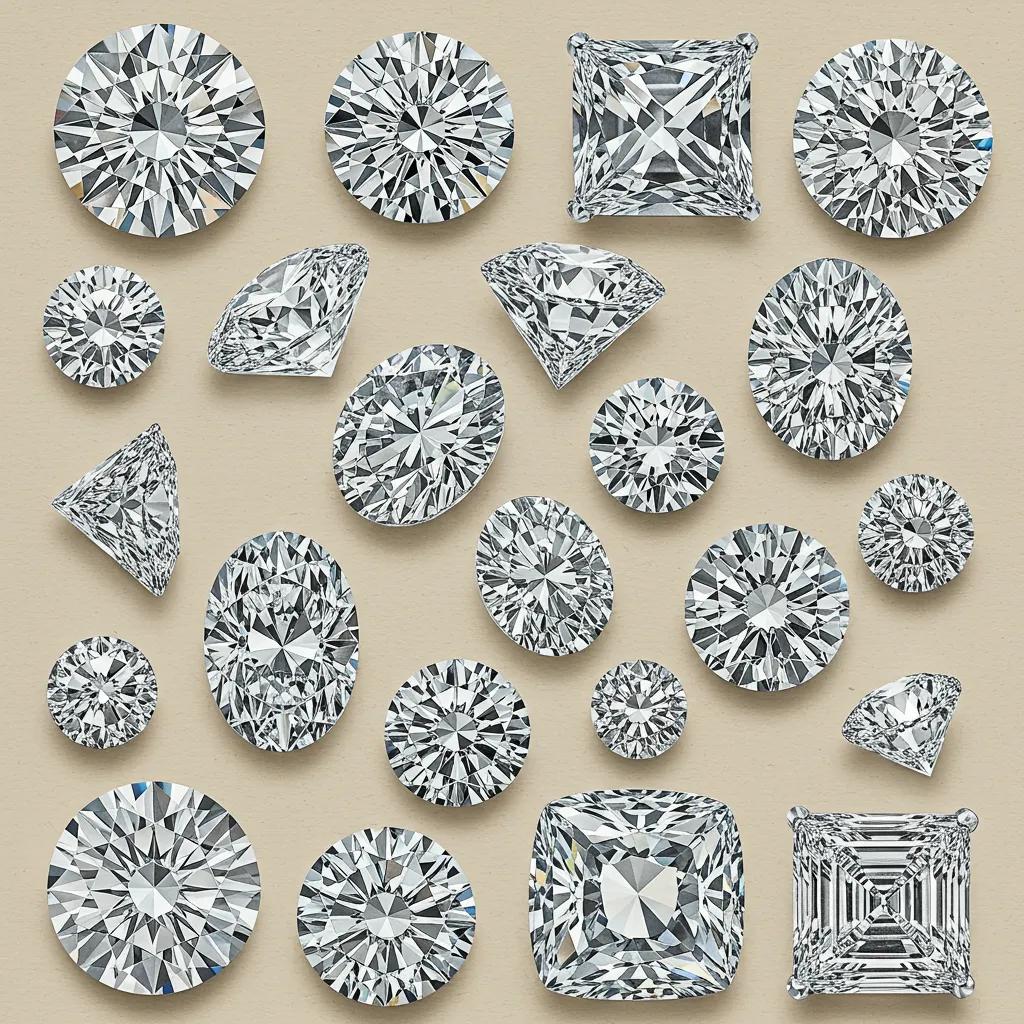
Diamond cuts can be broadly categorised into three main types: brilliant, step, and mixed. Each category offers distinct visual characteristics, primarily driven by the arrangement and number of facets.
What Makes the Round Brilliant Cut the Undisputed Favourite?
The round brilliant diamond, with its 58 precisely positioned facets and optimised proportions, delivers unparalleled brightness. Its classic circular outline and conical pavilion are engineered to ensure uniform light return from every viewing angle.
How Does the Princess Cut Differ in Shape and Sparkle?
Characterised by a square outline with sharp, pointed corners and a distinctive chevron facet pattern, the princess cut is a modern marvel. This modified brilliant design masterfully balances exceptional brilliance with a contemporary, geometric aesthetic.
What Are Other Popular Brilliant Cuts: Oval, Cushion, Pear, and Marquise?
These variations adapt the fundamental principles of the round brilliant cut to alternative shapes:
- Oval Features elongated proportions designed to create the illusion of greater length.
- Cushion Boasts softly rounded corners and larger facets, lending a romantic, vintage charm.
- Pear A distinctive teardrop silhouette that artfully combines elements of round and marquise cuts.
- Marquise An elongated, football-like outline engineered to maximise the diamond’s perceived carat size.
How Do Step Cuts Like Emerald and Asscher Affect a Diamond’s Appearance?
Step cuts, such as the emerald and Asscher cuts, feature parallel facets that create a captivating hall-of-mirrors effect. These cuts tend to emphasise clarity and subtle brilliance, offering understated elegance with dramatic flashes along their polished planes.
What Are Mixed Cuts and What Are Their Unique Features?
Mixed cuts ingeniously blend brilliant and step faceting techniques to achieve a harmonious balance between fire and clarity. Cuts like the radiant and cushion-modified utilise a brilliant facet arrangement on the pavilion combined with step facets on the crown, resulting in a unique hybrid sparkle profile.
How to Select the Perfect Diamond Cut for Your Jewellery
Choosing the ideal diamond cut involves harmonising your desired light performance with your priorities for colour, clarity, and carat weight, as well as your personal style.
How Should You Balance Cut with Colour, Clarity, and Carat?
Always prioritise the cut grade first. Then, you can strategically adjust colour and clarity. A top-tier cut can effectively mask slight colour tints and minor inclusions, while a diamond with a slightly lower carat weight but a superior cut will often appear larger and more vibrant.
What Cut Grades Are Recommended for Engagement Rings?
Given that engagement rings are meant to be admired for a lifetime, exceptional sparkle is paramount. We strongly recommend Excellent or Ideal cut grades from GIA and AGS to ensure maximum brilliance under all lighting conditions.
How to Read and Interpret Diamond Certificates for Cut Information?
Diamond grading reports provide detailed information on cut parameters, including table percentage, depth, and facet symmetry. Pay close attention to the included diagrams and proportion tables, and compare the reported values against established ideal ranges.
Where Can You Discover High-Quality Cut Diamonds in Australia?
The Australian Diamond Company proudly presents a meticulously curated collection of precision-cut diamonds. From exquisite round brilliant loose stones to stunning tennis bracelets featuring up to 3 carats total weight with expertly matched facets, our certified inventory guarantees that each piece adheres to the strictest cut quality standards for unparalleled sparkle.
Frequently Asked Questions About Diamond Cut
Many prospective buyers inquire about which cuts deliver the most dazzling sparkle, how cut influences a diamond’s value, and the distinctions between various grading benchmarks. Addressing these common concerns is crucial for building purchase confidence. A thorough understanding of these topics empowers you to compare diamonds effectively, avoid prevalent misconceptions, and ultimately secure a diamond that aligns with both your aesthetic desires and investment objectives.
What Is Considered the Best Cut for a Diamond?
The pinnacle of sparkle is achieved with a GIA “Excellent” or AGS “Ideal” cut grade, particularly in round brilliant diamonds. These cuts are engineered to optimise light return, resulting in intense brilliance, vibrant fire, and captivating scintillation.
How Does Diamond Cut Affect Sparkle and Value?
The cut is the primary determinant of a diamond’s light performance. Consequently, a superior cut grade directly correlates with enhanced sparkle and a higher market value. Exceptionally well-cut diamonds command a premium because their precise optical design allows the stone to display its full potential brilliance.
What Is the Distinction Between Cut Grade and Diamond Shape?
Cut grade is a measure of facet precision and optical performance, whereas shape defines the diamond’s external outline. While a round brilliant and a princess cut might share an identical high cut grade, they will differ significantly in their silhouette and overall style.
Which Diamond Cut Exudes the Most Sparkle?
Typically, round brilliant diamonds exhibit the most impressive combination of brilliance and fire, attributed to their meticulously designed 58-facet structure. Other brilliant-style cuts, such as cushion and radiant, also deliver remarkable sparkle with their own distinctive flair.
How Do GIA and AGS Cut Grades Guide Buying Decisions?
The GIA’s letter grades and the AGS’s numerical scale offer clear, standardised benchmarks for assessing cut quality. Buyers who rely on these trusted systems can confidently compare diamonds, knowing that top grades consistently signify superior light performance.
How Can You Visually and Interactively Explore Diamond Cut?
Utilising visual aids and interactive diagrams can demystify the complex mechanics of diamond facets and help you truly appreciate how cut influences sparkle, even before making a purchase.
What Diagrams Best Illustrate Diamond Facets and Light Paths?
Cross-sectional diagrams effectively map crown and pavilion angles, illustrating how light rays are reflected and dispersed within the diamond. These detailed, annotated illustrations clearly show the journey of incoming light through a precisely cut diamond’s facets.
How Do Interactive Cut Visualisers Enhance Understanding of Sparkle?
Digital visualisers offer the unique ability to adjust parameters like table size, crown angle, and pavilion depth in real time. This allows you to simulate the resulting brilliance, fire, and scintillation, providing hands-on insight into how even minor adjustments can significantly impact overall light return.
Where Can You Find High-Resolution Images Showcasing Brilliance and Fire?
High-resolution photography, captured under carefully controlled lighting conditions, is invaluable for showcasing a diamond’s white light return and its spectral flashes. These detailed images enable direct comparisons between diamonds with varying cut grades and shapes.
Diamonds with perfectly optimised cut proportions reveal their inherent beauty in these visual references, guiding you towards selecting stones that radiate the most brilliance in any setting.
Choosing a diamond with a precisely executed cut transforms a mere gemstone into a true masterpiece of light. Once you understand how cut quality shapes brilliance and presence, the next step is to compare real examples. Explore our engagement rings Melbourne to see how precision-cut diamonds elevate each design and help you shortlist the perfect style for your needs.


