
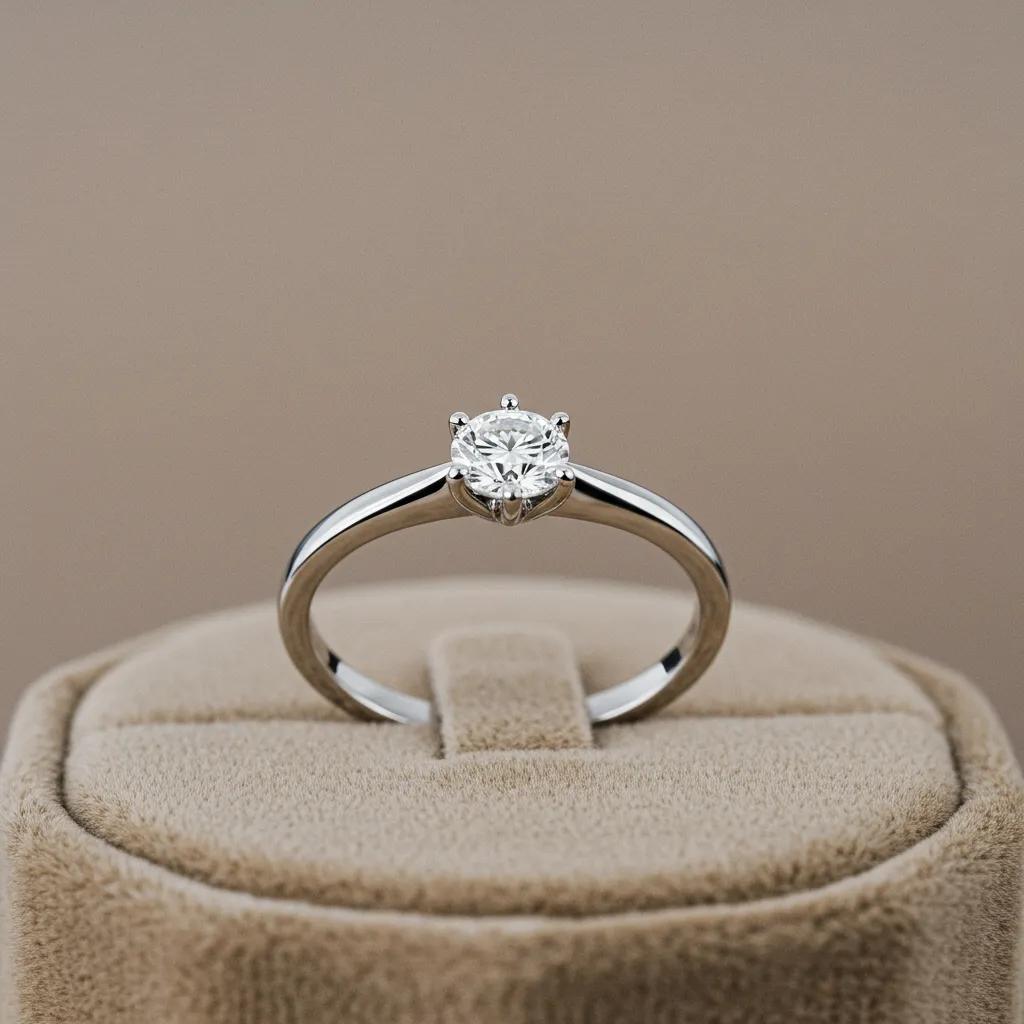
Classic Solitaire Engagement Rings by Australian Diamond Company
A classic solitaire engagement ring is the epitome of timeless sophistication, showcasing a single, magnificent diamond on a refined metal band. This iconic design amplifies the diamond’s inherent fire and clarity, guiding you through a selection process that is both straightforward and deeply meaningful. Within these pages, you’ll uncover what truly defines a solitaire, how to master the four Cs of diamond quality, choose the perfect setting and metal, explore popular diamond shapes, compare natural versus lab-grown options, benefit from expert customisation advice, learn to maintain your ring’s lasting sparkle, and understand key purchasing considerations. Throughout this guide, you’ll also find insights into the Australian Diamond Company’s Melbourne showroom and our bespoke design services, all designed to support your journey without overshadowing the essential knowledge you need. By the end, you’ll feel confident in your understanding of every attribute, from cut and clarity to metal choice and setting style, empowered to select a solitaire engagement ring that beautifully symbolises your enduring commitment and unique personal style.
What Defines a Classic Solitaire Engagement Ring?
A classic solitaire engagement ring is distinguished by its singular focus on one central diamond, elegantly presented on a simple band. This design maximises light exposure and visual impact, allowing the gemstone to command attention without distraction. By highlighting one precious stone, this style enhances brilliance and ensures the diamond’s inherent quality is the star. For instance, a 1-carat round brilliant diamond set in an 18-carat white gold band exemplifies how a minimalist design magnifies sparkle and elegance, making it a perennial favourite for proposals.
Building on this fundamental definition, the following sections delve into the distinctive features, profound symbolism, and enduring appeal that establish solitaire rings as the cornerstone of engagement ring traditions.
What Are the Essential Features of a Solitaire Engagement Ring?
Solitaire engagement rings harmoniously integrate three core components, the diamond, the setting, and the band, to create a cohesive design that accentuates a single, magnificent gemstone.
- A singular diamond as the focal point, maximising its fire and light performance.
- A plain metal band that provides both structural integrity and understated aesthetic appeal.
- A secure setting, whether a classic prong or a protective bezel, designed to showcase the diamond optimally.
- Carefully balanced proportions between the stone’s size and the band’s width, ensuring visual harmony.
These elements work in concert to enhance sparkle, ensure durability, and define the ring’s overall style. Understanding these foundational aspects will prepare you to explore the symbolism and classic aesthetics that inform your ultimate choice.
How Does the Solitaire Style Symbolise Love and Commitment?
Solitaire rings powerfully symbolise singular devotion, with their single centre stone representing unity and the promise of a lifelong partnership. The unadorned band signifies clarity of intention, while the lone diamond stands as a testament to unwavering focus on one beloved individual. As a symbolic representation, many couples select solitaire rings to convey an unbroken circle of trust, where the continuous metal band echoes a promise without end, and the solitary gem reflects a bond that shines brightest when undivided.
Why Are Solitaire Rings Universally Considered Timeless and Elegant?
Solitaire rings maintain their relevance through a minimalist framework that prioritises diamond quality over ornate embellishments. This inherent simplicity transcends fleeting fashion trends, ensuring the design remains elegant for generations to come. For example, a platinum solitaire chosen decades ago will retain its timeless appeal alongside the most contemporary styles, demonstrating how classic proportions and a single radiant gem combine to create enduring elegance.
How to Select the Perfect Solitaire Diamond: Mastering the 4Cs
Choosing the ideal solitaire diamond hinges on understanding the four Cs, cut, clarity, colour, and carat weight, which collectively dictate its brilliance, appearance, and value. By meticulously evaluating each attribute, you can ensure your solitaire ring delivers maximum sparkle and aesthetic balance. For instance, selecting an excellent-cut round brilliant diamond with VS1 clarity, a G-H colour grade, and a well-proportioned carat weight will result in a visually flawless stone with exceptional light performance.
This overview clarifies how each ‘C’ influences both visual appeal and budget considerations, paving the way for detailed guidance on each individual attribute.
What is the Crucial Importance of Diamond Cut for Solitaire Rings?
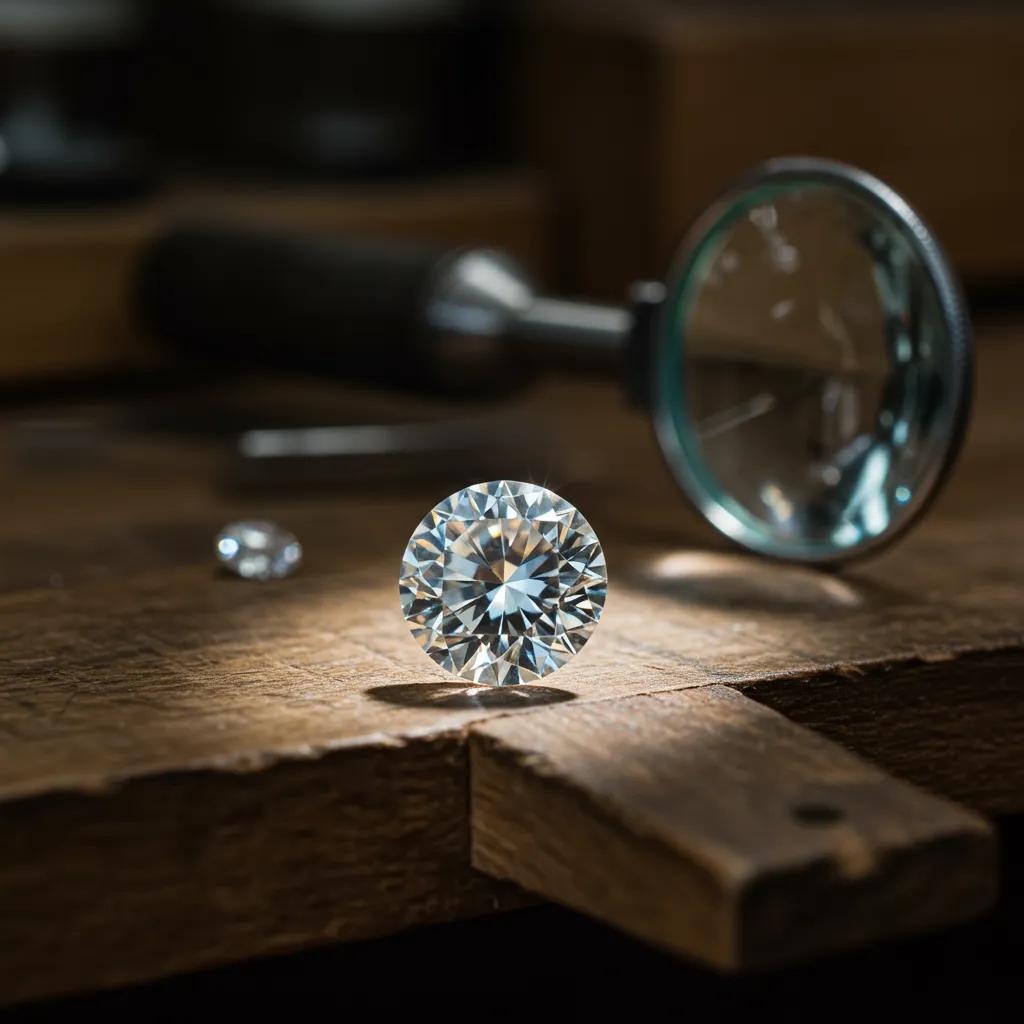
The diamond’s cut is the primary determinant of how light interacts with its facets, directly influencing its brilliance, fire, and scintillation. A precisely proportioned cut, such as that found in a round brilliant or modified brilliant shape, maximises light reflection and significantly enhances the solitaire’s visual impact. For example, an excellent-grade round brilliant cut will reflect nearly all incident light, creating exceptional sparkle that beautifully complements the solitaire’s minimalist elegance.
How Does Diamond Clarity Influence the Sparkle of a Solitaire Ring?
Diamond clarity refers to the presence or absence of internal inclusions and external blemishes. These imperfections can obstruct light pathways, thereby diminishing the diamond’s brilliance. Higher clarity grades, such as VS1 and above, ensure minimal interruptions to light performance, resulting in a cleaner, more luminous appearance. An eye-clean VS2 or VVS1 diamond often appears flawless to the naked eye, preserving the solitaire’s seamless sparkle without demanding an exorbitant premium.
Which Diamond Colours Are Ideal for Solitaire Engagement Rings?
Selecting a diamond colour grade between D and H offers an excellent balance of appearance and value. D-F grades represent exceptional near-colourless purity, while G-H grades provide a subtle warmth that is virtually undetectable to the untrained eye. Opting for a G-H graded diamond set in a white metal like platinum or white gold delivers a crisp, icy aesthetic while remaining a cost-effective choice. This colour range beautifully showcases the solitaire’s brilliance while maintaining an elegant tonal harmony with the chosen metal.
How Does Carat Weight Impact the Value and Appearance of a Solitaire Ring?
Carat weight indicates the diamond’s mass and directly influences its perceived size. However, it’s important to note that prioritising excessive carat weight can sometimes compromise cut quality or colour grade if budget constraints are a factor. For an ideal solitaire, proportions should balance carat size with optimal cut and colour to ensure maximum brilliance. For instance, choosing a 0.90-carat excellent-cut stone can offer a visual impact comparable to a 1.00-carat stone of a lower cut grade, often at a more accessible price point.
What Are the Most Sought-After Solitaire Engagement Ring Settings?
Solitaire ring settings are crucial for securely holding the diamond while also influencing its interaction with light and the overall aesthetic of the ring. Popular options include prong, bezel, cathedral, and tension settings, each offering distinct advantages in terms of security, stone elevation, and stylistic expression. Understanding these choices will help you select a setting that perfectly complements the diamond’s characteristics and your personal taste.
- Prong settings allow maximum light entry from multiple angles, enhancing brilliance.
- Bezel settings provide a continuous metal rim for superior protection and a sleek look.
- Cathedral settings elevate the centre stone, creating a dramatic visual presence.
- Tension settings use the metal’s pressure to suspend the diamond, offering a modern, minimalist appearance.
These diverse setting types cater to both functional security and stylistic preferences, guiding you toward the next exploration of individual setting advantages.
What Are the Advantages of 4-Prong and 6-Prong Solitaire Settings?
Four-prong settings offer a classic, minimalist aesthetic with minimal metal obstruction, maximising light exposure and maintaining a slender profile. Six-prong designs enhance security by distributing pressure more evenly around the diamond, significantly reducing the risk of stone loss. Both styles facilitate excellent light performance, with the four-prong focusing on understated elegance and the six-prong emphasising added durability for those with active lifestyles.
How Does a Bezel Setting Redefine the Solitaire Ring’s Appearance?
A bezel setting encircles the diamond’s girdle with a continuous metal rim, creating a sleek, modern aesthetic and providing enhanced protection against chips and knocks. This setting style softens the visual contrast between the diamond and the metal, offering a contemporary profile that is ideal for everyday wear and minimises the risk of snagging on clothing or other items.
What Makes Cathedral and Tension Settings Distinctive for Solitaire Rings?
Cathedral settings feature elegantly arched metal shoulders that rise to meet the diamond, much like the architecture of a cathedral, elevating the stone and adding structural drama without the need for side embellishments. Tension settings ingeniously suspend the gemstone between two precisely tensioned metal bands, creating a striking floating illusion. Both designs introduce unique architectural interest to the classic solitaire framework while maintaining excellent light performance and secure stone placement.
Which Precious Metals Are Ideal for Classic Solitaire Engagement Rings?
The choice of precious metal significantly impacts the durability, hue, and maintenance requirements of a solitaire ring. Platinum, white gold, yellow gold, and rose gold each possess distinct characteristics, from platinum’s unparalleled strength and enduring lustre to rose gold’s warm, contemporary appeal, allowing for personalised style and exceptional resilience.
- Platinum offers exceptional strength, durability, and a lasting natural white lustre.
- White gold provides a bright, silvery finish that complements diamonds beautifully, often at a more accessible price point.
- Yellow gold delivers traditional warmth and a rich, classic character that has been cherished for centuries.
- Rose gold introduces a subtle, romantic pink hue that complements a wide range of skin tones, offering a distinctive modern alternative.
Carefully considering these material options ensures your solitaire ring achieves a perfect blend of aesthetic harmony and everyday practicality.
Why Opt for Platinum for Your Solitaire Ring?
Platinum’s inherent density and natural white sheen make it exceptionally resistant to scratching and tarnishing, establishing it as an ideal choice for secure prong settings and enduring everyday wear. Its hypoallergenic properties are beneficial for sensitive skin, and its inherent prestige naturally elevates the solitaire’s exclusive character without the need for periodic re-plating.
What Are the Benefits of White Gold and Yellow Gold Settings?
White gold provides a crisp, silvery backdrop that beautifully enhances the sparkle of near-colourless diamonds, while yellow gold evokes classic heritage and casts a


