
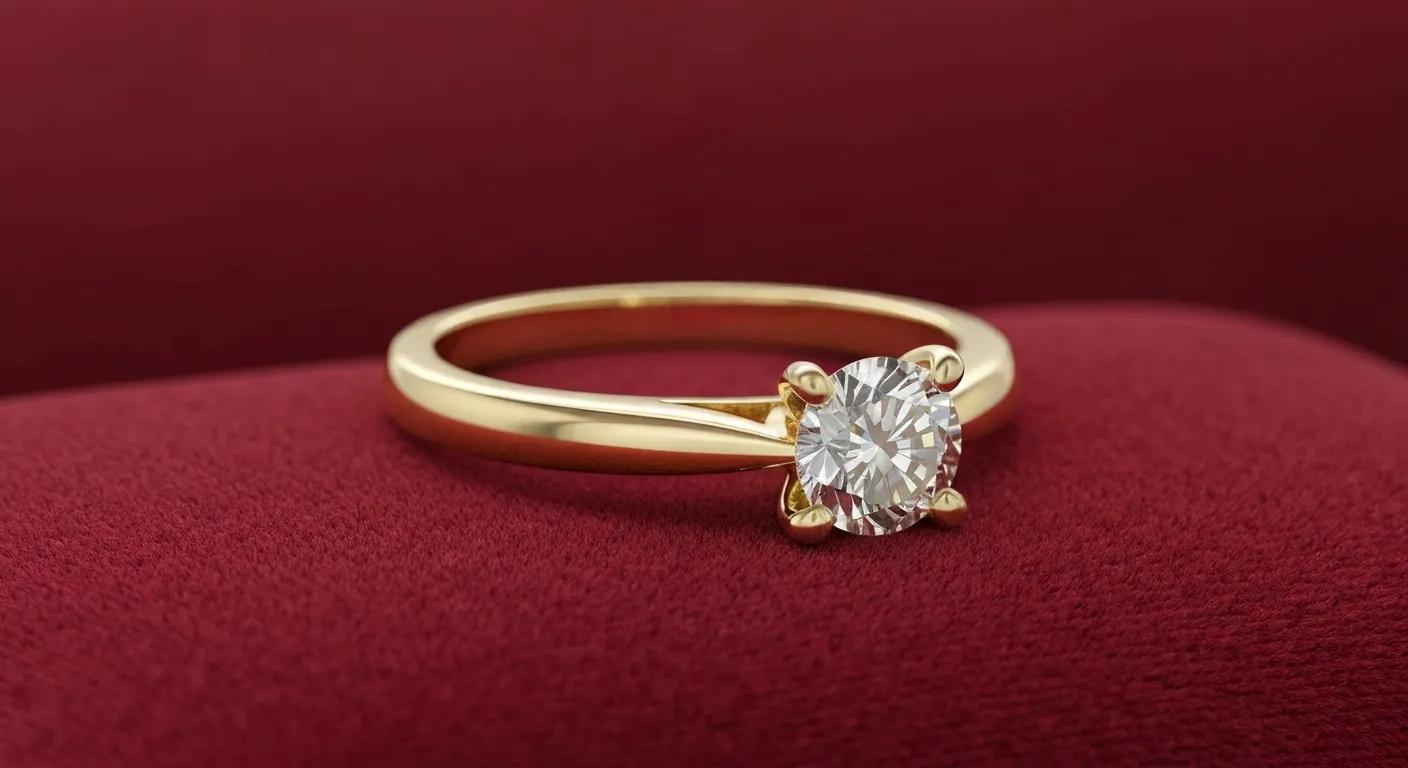
Classic Gold Rings: Guide & Customisation - Australian Diamond Company
Classic gold engagement rings remain the pinnacle of timeless elegance, seamlessly marrying heritage metals with modern design. From the warm glow of yellow gold to the sleek allure of white gold, this guide outlines everything you need to know about selecting, styling, and customising your perfect gold engagement ring. You’ll discover why gold endures as the preferred choice, explore Australia’s trending yellow gold settings, compare white and yellow gold designs, and learn expert tips on diamond selection, bespoke processes, ethical sourcing, and ongoing care. By understanding metal types, gemstone 4Cs, and the craftsmanship behind custom creations, you’ll be equipped to choose a ring that resonates with lasting symbolism and personal style.
Classic Gold Engagement Rings: Enduring Appeal and Timeless Significance
Classic gold engagement rings combine enduring metal purity, refined design, and symbolic significance to represent commitment across generations. Gold’s natural corrosion resistance and malleability facilitate intricate settings, allowing diamonds and gemstones to take centre stage. As an iconic jewellery metal, gold engagement rings offer consistent value and heirloom potential, enhancing both daily wear and formal occasions. Understanding this foundational appeal sets the stage for exploring specific metal types, design variations, and the emotional resonance that makes gold rings perennially popular.
Why Gold Reigns Supreme for Engagement Rings
Gold is prized for its inherent lustre, corrosion resistance, and hypoallergenic qualities, attributes that support both durability and comfort. Its malleability enables precise prong, bezel, pavé, and halo settings, ensuring secure gemstone placement. Gold’s warm tones complement a range of diamond colour grades and gemstone hues, enhancing sparkle and depth. As a globally recognised store of value, gold promotes long-term confidence in your investment, combining emotional significance with functional resilience.
How Different Gold Types Shape Your Engagement Ring’s Style
Gold alloy composition alters colour, hardness, and price, influencing both aesthetic and performance. Yellow gold, made by mixing pure gold with copper and silver, yields a rich warmth, while white gold combines gold with nickel or palladium and a rhodium plating for a silvery sheen. Rose gold, infused with higher copper content, evokes romantic vintage charm. Purity levels (9 ct vs. 18 ct) determine hardness and colour intensity, guiding style preferences and budget considerations.
Rhodium Plating of White Gold Engagement RingsWhite gold is frequently plated with a thin layer of rhodium to enhance its appearance, whilst sterling silver is often rhodium-plated to… Rhodium plating, achieved by either electroplating or evaporation, is…Rhodium is a chemical element; it has symbol Rh and atomic number 45. It is a very rare, silvery-white, hard, corrosion-resistant transition metal. It is a noble …, Unknown Author, Unknown
The Deep Meaning and Symbolism of Gold Engagement Rings
Gold engagement rings symbolise enduring love, prosperity, and fidelity across cultures. The circle’s unbroken form represents infinite commitment, while gold’s rarity and value reflect the significance of the bond. Warm yellow tones evoke tradition and joy, white gold conveys sleek modernity and purity, and rose gold suggests romance and uniqueness. This emotional symbolism underpins every design choice, connecting personal narratives with centuries-old traditions.
Australia’s Favourite Yellow Gold Engagement Ring Styles
Yellow gold solitaire, halo, and vintage designs dominate Australian searches due to their classic warmth and versatile styling. Consumers gravitate toward solitaire rings for minimalist elegance, halo settings for amplified brilliance, and three-stone rings to symbolise past, present, and future. Vintage yellow gold selectors mix milgrain details, filigree filigree, and carved bands to evoke heirloom character. These styles harmonise with diamond and gemstone choices, creating signature looks that resonate with local tastes in 2025.
The Allure of Yellow Gold Solitaire Engagement Rings
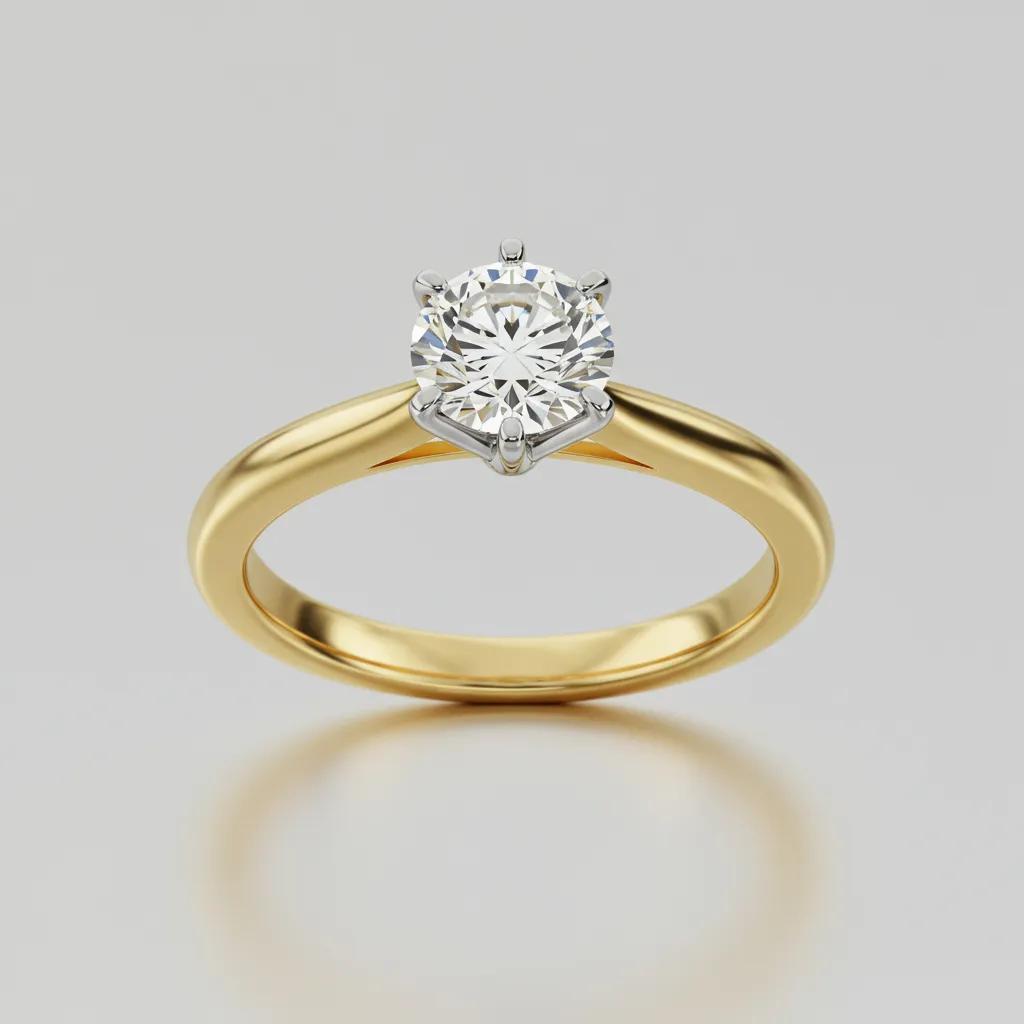
Yellow gold solitaire engagement rings feature a single, centre-mounted diamond secured by prongs on a polished band. This design maximises light exposure and sparkle, offering a clean profile that accentuates diamond cut and carat weight. The simplicity of the band invites engraving or texture finishes, and its timeless silhouette ensures compatibility with varied wedding bands. Solitaire engagement rings remain the most classic style choice.
Elevating Yellow Gold Rings with Halo and Three-Stone Settings
Halo and three-stone settings elevate yellow gold rings by adding complementary diamonds around the centre stone or along its flanks. A halo amplifies perceived carat size and radiance, while a three-stone arrangement symbolises past, present, and future, adding narrative depth. Both settings integrate micro-pavé bands that boost overall sparkle. These configurations blend ornate detail with structural integrity, enriching yellow gold’s warm radiance.
Trending Vintage Yellow Gold Engagement Ring Designs
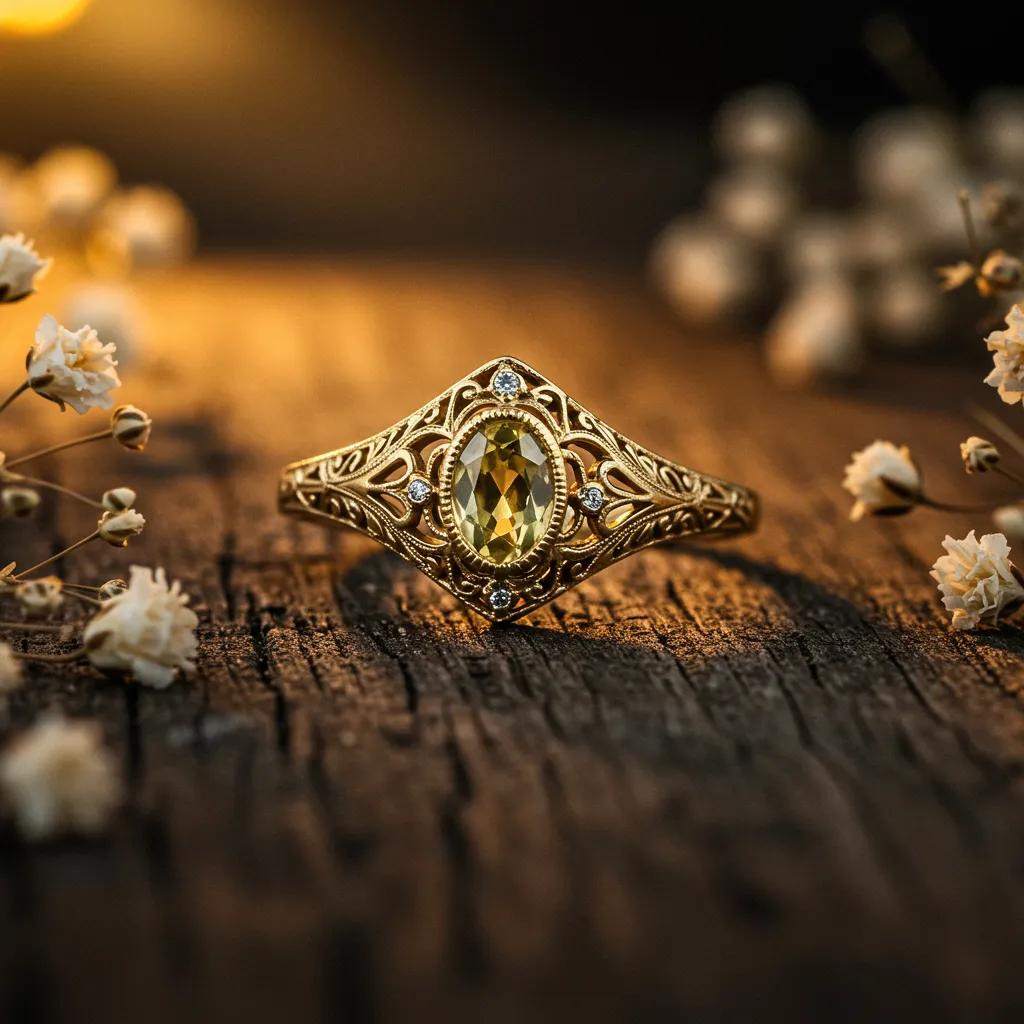
Vintage yellow gold designs trending in Australia combine intricate filigree, milgrain edging, and floral or geometric motifs for antique allure. Art Deco-inspired rings showcase symmetrical patterns and bold lines, while Edwardian-style pieces emphasise lace-like scrollwork and bezel settings. These rings often feature mixed-cut accent stones, pear, marquise, and cushion, to enhance textural contrast. Vintage-inspired bands evoke family heirlooms and personal storytelling.
Chunky Vintage Gold Bands: A Bold Statement for 2025
Chunky vintage gold bands deliver bold profiles with wider shanks, raised settings, and substantial metalwork that resonates with maximalist fashion. These rings provide robust support for larger centre stones and intricate carvings, balancing statement aesthetics with everyday wearability. As chunky bands surge in popularity, they offer a fusion of modern trend and classic craftsmanship, complementing slimmer wedding bands for eclectic ring stacks.
White Gold vs. Yellow Gold Engagement Rings: A Style Comparison
White gold engagement rings present a sleek, contemporary alternative to yellow gold, reflecting light with a cool, silvery sheen. While both metals share similar hardness at 18 ct, white gold requires periodic rhodium replating to maintain brightness. The neutral palette of white gold accentuates colourless diamonds and cool-toned gemstones, creating a crisp aesthetic. Comparing these metals helps buyers prioritise maintenance, skin-tone harmony, and design cohesion.
Elegant White Gold Solitaire and Halo Designs
White gold solitaire rings featuring round brilliant, princess, or emerald cuts exude minimalist sophistication, with four- or six-prong settings that secure the stone while maximising light return. Halo designs surround centre gems with pavé-set diamonds, creating continuous fire and increasing apparent size. Cathedral and split-shank bands introduce architectural interest, further enhancing elegance and visual impact.
White Gold’s Durability and Maintenance: What to Consider
White gold alloys match the hardness of 18 ct yellow gold but rely on rhodium plating for corrosion resistance and sheen. Maintenance entails replating every 12–18 months to restore reflective surface and guard against yellow-gold undertones. This upkeep factor influences purchase decisions: those seeking low-maintenance durability may favour yellow gold, whereas white gold appeals to buyers prioritising contemporary style despite periodic servicing.
When White Gold Outshines Yellow Gold
Choose white gold when your style favours a modern, minimalist aesthetic or when you select colourless diamonds and cool-toned gemstones such as sapphires or white opals. White gold’s silvery backdrop creates a seamless visual flow between stone and band, ideal for those seeking subtle elegance. If you prefer moonstone or light-coloured gemstones, white gold enhances clarity and spectral brilliance.
Choosing the Perfect Diamond or Gemstone for Your Gold Engagement Ring
Selecting the ideal centre stone involves balancing the diamond 4Cs with budget and personal preference. Cut determines sparkle, colour influences warmth, clarity reflects purity, and carat weight dictates presence. Beyond diamonds, coloured gems like sapphires, emeralds, and rubies offer vibrant alternatives. Understanding lab-grown versus natural origins clarifies ethical and value considerations, ensuring your ring embodies both brilliance and conviction.
Understanding the Diamond 4Cs: Your Guide to Brilliance
The 4Cs: Cut, Colour, Clarity, and Carat weight, define a diamond’s visual performance and value. Cut influences fire and brilliance by controlling light reflection. Colour grading ranges from icy colourless to subtle warmth, affecting perceived purity. Clarity grades evaluate the presence of inclusions, while carat weight measures size. Prioritising cut and colour often yields maximum sparkle at sensible budgets.
By focusing on cut and colour, you enhance light performance and achieve a radiant centrepiece without overspending on carat weight.
Diamond Cuts That Complement Gold Engagement Rings
Diamond cuts pair with gold band styles to create visual harmony. Round brilliant cuts suit solitaire and halo settings for maximum sparkle. Oval and marquise shapes elongate the finger and echo vintage motifs. Princess and emerald cuts deliver modern lines that contrast warm yellow gold or accentuate white-gold’s sleek finish. Cushion cuts marry cushiony soft edges with antique appeal.
Beyond Diamonds: Popular Gemstones for Gold Rings
Sapphires, emeralds, and rubies offer vivid colour and cultural symbolism in gold engagement rings. Sapphire’s blue hues complement yellow gold’s warmth, while emerald’s green tones evoke natural elegance. Ruby’s red saturation heightens romance and contrast against white gold. Morganite and morganite’s peach-pink variants provide budget-friendly alternatives that harmonise with rose gold settings.
Lab-Grown vs. Natural Diamonds: An Informed Choice
Lab-grown diamonds mirror the chemical and optical properties of mined stones while offering 20–40% cost savings. Their traceable origin assures ethical sourcing and reduced environmental impact. Natural diamonds retain strong resale value and historical prestige, whereas lab-grown options appeal to budget-conscious, sustainability-driven buyers. Both types maintain identical brilliance and durability for lifetime wear.
The Art of Customising Your Classic Gold Engagement Ring
Customising a gold engagement ring enables personal expression, precise fit, and unique symbolism. Bespoke design processes guide you through metal choice, setting style, band finish, and gemstone selection, ensuring every element reflects your story. Custom rings often incorporate family heirloom stones or engravings, adding generational significance. This tailored approach enhances emotional resonance and ensures your commitment piece stands apart.
Your Bespoke Journey: The Custom Design Process in Australia
At Australian jewellers, the bespoke journey begins with a consultation to define budget, style, and symbolism. Designers produce concept sketches and 3D renderings, illustrating metal type, setting details, and stone placement. Once approved, master craftsmen hand-fabricate the band, set the gemstone, and apply finish, whether high polish, matte, or hammered texture. A final quality check and ring sizing ensure perfect fit and finish.
Popular Customisation Options for Unique Gold Engagement Rings
Clients often choose from metal types (9 ct yellow, 18 ct rose, white gold), setting styles (solitaire, halo, pavé), and band finishes (polish, brushed, milgrain). Accent stones, side diamonds, coloured gems, or family heirloom diamonds, add individuality. Engravings inside the band can feature special dates or phrases, while mixed metals and hidden halo settings introduce subtle surprises.
Why Customisation Matters for a Truly Personal Commitment
Customisation fosters a profound emotional connection by reflecting shared narratives, cultural influences, and individual tastes. A bespoke ring symbolises thoughtfulness and investment in the relationship, reinforcing the promise it represents. Unique design elements become conversation pieces, highlighting craftsmanship and personal story rather than mass-market uniformity.
Ethical Sourcing: Shaping the Future of Gold Engagement Rings
Ethical sourcing ensures gold and diamonds originate from responsible supply chains that uphold environmental and social standards. Consumers increasingly demand recycled metals and certified stones, prompting jewellers to adopt transparent practices. Lab-grown diamonds and Fairtrade gold grant reassurance that your engagement ring supports sustainable mining and ethical labour, aligning your commitment with global responsibility.
What Ethical Gold and Diamond Sourcing Truly Means
Ethical sourcing entails tracing metals and gemstones from mine to market, verifying fair labour, minimal environmental damage, and community benefits. Recycled gold reduces the need for new extraction, while certification schemes (Fairmined, Fairtrade) guarantee social and ecological accountability. Ethical diamonds adhere to Kimberley Process standards or come from traceable Canadian and Australian mines.
Lab-Grown Diamonds: Powering Sustainable Luxury
Lab-grown diamonds reduce reliance on open-pit mining and its ecological footprint by replicating natural growth processes in controlled environments. Energy-efficient facilities and carbon-offset initiatives further minimise environmental impact. As lab-grown diamond technology advances, consumers gain access to high-quality stones with verifiable origin, merging luxury with sustainability.
Why Australian Buyers Champion Ethically Sourced Jewellery
Australian buyers value transparency and environmental stewardship, seeking jewellery that reflects personal ethics. Local regulations and public awareness foster demand for responsibly mined and recycled gold, along with Kimberley-certified or lab-grown diamonds. Ethical credentials enhance trust in jewellers and align with broader cultural emphasis on sustainability and community welfare.
Top Classic Gold Engagement Ring Trends for Australia in 2025
Australian ring trends in 2025 blend heritage styles with contemporary twists: chunky vintage bands, mixed-metal settings, and elongated cuts. Yellow gold resurges as a statement choice, while hidden halo and off-centre settings create subtle modern flair. Unique diamond shapes like pear and marquise gain popularity alongside three-stone configurations that tell a personal story. Lab-grown diamonds continue their ascent as ethical focal points within these forward-looking designs.
Gold Colours and Styles Making a Resurgence
Yellow gold returns to prominence, celebrated for its warm glow and vintage resonance. Two-tone bands combine yellow and white gold for contrast, while rose gold accents introduce soft femininity. Chunky baguette or emerald-cut stones set in broad shanks nod to Art Deco revival, uniting past and present seamlessly.
Unique Cuts and Settings: Redefining Ring Choices
Elongated pear, marquise, and oval cuts complement slender finger profiles and maximise perceived carat size. Hidden halo settings surround centre stones with concealed pavé accents, creating discreet brilliance. East-west orientations lay diamonds horizontally, delivering unexpected visual interest. These configurations elevate classic gold rings with modern ingenuity.
The Growing Influence of Lab-Grown Diamonds in Trends
Lab-grown diamonds comprise up to 30 percent of engagement ring stones in 2025, offering cost-effective brilliance and ethical reassurance. They feature prominently in halo and pavé-accented designs, enabling larger carat appearances without price premium. Sustainability-minded consumers drive this shift, viewing lab-grown options as mainstream rather than niche.
Chunky Bands and Vintage Styles: Shaping Modern Designs
Chunky bands provide structural balance for larger centre stones and elaborate metalwork while satisfying bold aesthetic preferences. Vintage motifs: filigree, milgrain, and engraving, imbue rings with timeless charm. Modern interpretations streamline these details into clean silhouettes, ensuring antique appeal blends with everyday versatility.
Caring for Your Classic Gold Engagement Ring: Essential Maintenance
Regular care practices preserve gold’s lustre and diamond brilliance, ensuring your ring remains a lasting symbol of love. Gentle cleaning, professional servicing, and mindful wear habits protect metal surfaces and gemstone settings. Understanding when to seek expert polishing or resizing safeguards both beauty and fit over a lifetime of daily wear.
Best Practices for Cleaning Your Gold Rings
Use a mild dish soap solution and a soft-bristled brush to remove oils and debris, gently scrubbing under prongs and pavé areas. Rinse under warm running water and pat dry with a lint-free cloth. Ultrasonic cleaners can be used judiciously for hard gemstones but may loosen delicate settings, so professional guidance is recommended.
Ring Resizing and Servicing: How Often Is It Needed?
Have your engagement ring inspected and serviced by a qualified jeweller every 12 months, checking prong integrity and metal wear. Resizing may be necessary following weight changes or seasonal finger fluctuations. Professional polishing restores finish, while re-rhodium plating maintains white-gold sheen every 12–18 months.
Tips to Keep Your Diamond Sparkle and Gold Lustre Pristine
Avoid exposing your ring to harsh chemicals, chlorine, bleach, and abrasive cleaners, which weaken metal and dull gemstones. Remove rings during heavy labour, swimming, or gardening to prevent scratches and prong damage. Store gold engagement rings in separate pouches to avoid contact with other jewellery, preserving polish and preventing tangles.
Regular attention and informed maintenance ensure your classic gold engagement ring retains its symbolic and aesthetic brilliance for decades to come.
Classic gold engagement rings unite rich heritage metal with enduring design, offering unparalleled versatility and emotional resonance. By mastering gold types, diamond 4Cs, and bespoke customisation processes, you gain confidence in selecting a ring that truly reflects your story. Ethical sourcing and maintenance best practices further safeguard both beauty and conscience. Embrace these insights to discover, design, and preserve a gold engagement ring that will shine as brightly as your lifelong commitment.


