
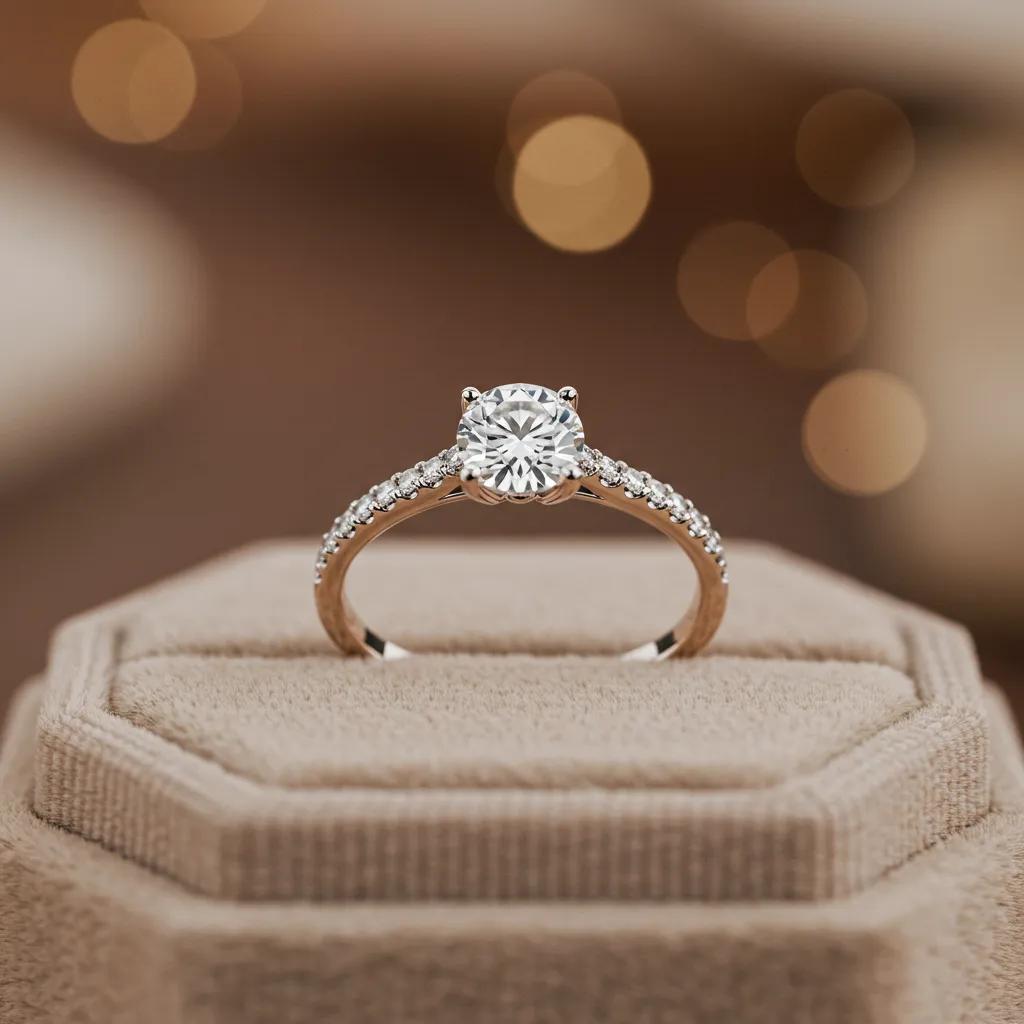
Smart Choices for Engagement Rings: Your Guide to Quality in Australia
Choosing an engagement ring that offers lasting quality, ethical origins, and true value is more than just a quick transaction; it demands a keen eye and practical checks. If you’d like to compare real designs as you read, browse our engagement rings to see the quality standards we apply in our Melbourne showroom. This guide empowers Australian buyers to spot lower-quality engagement rings, understand what diminishes value (from flawed cut proportions to weak settings), and offers step-by-step advice for verifying quality before you commit. You’ll discover the essential 4Cs of diamond grading, how to identify warning signs in listings and craftsmanship, a tailored checklist for selecting jewellers in Australia, and robust metal and setting options for everyday wear. The article also covers verifying certifications, how bespoke design can sidestep many common risks, and practical care tips to keep your ring looking its best. Throughout, we’ve integrated key terms like ‘diamond cut quality Australia’, ‘engagement ring clarity grades’, ‘ethical diamond jewellers Melbourne’, and ‘GIA diamond certificate verification’ into clear, actionable advice for comparing options or visiting a showroom.
The 4Cs of Diamond Quality: Essential Knowledge for Every Buyer
The 4Cs, Cut, Colour, Clarity, and Carat, are the fundamental characteristics that define a diamond’s visual appeal and market worth. Understanding how they work is crucial for avoiding subpar stones. Cut dictates how a diamond interacts with light and is the primary determinant of its brilliance; Colour refers to the subtle tint, assessed against a standard scale; Clarity indicates the presence of internal inclusions and external blemishes that can affect transparency; Carat is a measure of weight, not necessarily perceived size. Knowing how these elements interplay allows you to prioritise attributes that deliver the most striking appearance for your budget. Below is a concise table comparing each C, its impact, and a practical tip for avoiding lower grades.
This table highlights why cut often has a greater impact on a diamond’s appearance than carat weight, leading us to a closer examination of cut mechanics and how to spot poor proportions.
If you’re still weighing up styles, diamond grades, and budget, our guide to choosing an engagement ring in Melbourne walks you through the full decision-making process step by step.
How Diamond Cut Elevates Engagement Ring Brilliance
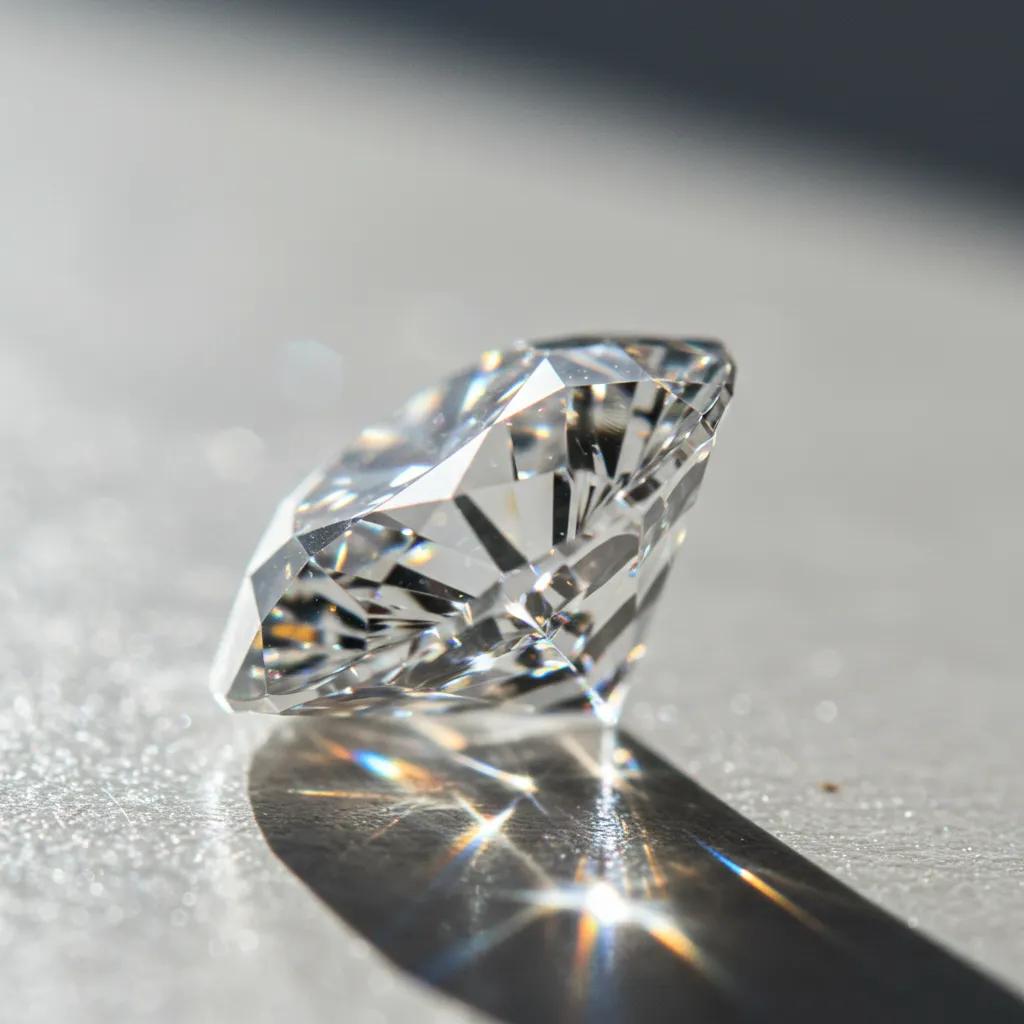
Diamond cut refers to the precise proportions, symmetry, and polish of a stone, which collectively determine how light is reflected and refracted. A well-cut diamond returns the maximum amount of light to the eye as brilliance, fire, and scintillation. Conversely, poorly cut diamonds allow light to escape, appearing dull even if other grades are high. When assessing a diamond, look for consistent, lively sparkle across the entire surface and avoid stones with significant dark patches or a lack of vibrancy, which suggest shallow or deep proportions. Understanding cut principles helps you prioritise this crucial factor over a slightly larger carat size, preventing a ring that looks underwhelming once set.
Identifying High-Quality Diamond Colour Grades
Diamond colour is graded on a scale from D (colourless) to Z (light yellow or brown). D-F are considered colourless, while G-J are near-colourless. The perceived colour can be influenced by the metal setting and the diamond’s shape. For most buyers seeking a balance of beauty and value, diamonds in the G-H range offer a near-colourless appearance when set in white gold or platinum. D-F grades are for those who desire absolute colourlessness. The choice of metal, such as 950 platinum or 18ct gold in white, rose, or yellow, can effectively mask subtle colouration in near-colourless stones. By considering colour in conjunction with cut and setting, you avoid overpaying for minute colour differences that don’t enhance the overall aesthetic.
Understanding Diamond Clarity and Spotting Inclusions
Clarity grading assesses the internal inclusions and external blemishes that can affect a diamond’s transparency and how it handles light. Common imperfections include small crystals, feathers, and clouds. The key concept for buyers is ‘eye-clean’: many diamonds graded SI1 to VS2 appear flawless to the naked eye and offer excellent value, while higher grades provide an extra layer of assurance, especially for larger stones. When reviewing listings, request magnified images or a plotted diagram from the certificate and, if possible, compare them to the actual stone to judge the visibility of inclusions. Practically, prioritise cut and colour first, then aim for an eye-clean clarity grade that suits the carat weight and shape, ensuring you don’t pay for clarity that isn’t noticeable.
Why Carat Weight Isn’t the Sole Indicator of Diamond Size
Carat is a unit of weight, not a direct measure of a diamond’s face-up dimensions. Two diamonds of the same carat weight can appear significantly different in size due to variations in cut proportions and shape. A well-cut diamond will often appear larger and more brilliant than a poorly cut one of equal weight. Therefore, face-up measurements and depth/table percentages are important considerations. Diamond shape also influences perceived size; elongated shapes like oval or marquise can look larger than a round diamond of the same carat weight. It’s essential to consider shape, setting, and cut together, rather than focusing on carat in isolation, to avoid a heavy but visually unimpressive stone.
Spot Engagement Ring Red Flags | Australian Diamond Company
Recognising red flags is crucial for protecting your investment and ensuring you don’t end up with a poor-quality ring, misrepresented stones, or inadequate after-sales support. Common warning signs include missing or unverifiable certificates, prices that seem too good to be true for the stated specifications, poor-quality or inconsistent imagery, shoddy craftsmanship (like uneven prong settings), and high-pressure sales tactics that discourage thorough inspection. The following checklist provides actionable steps to identify and counter these red flags.
This checklist equips you with direct strategies to address common red flags, preparing you for the next steps: verifying certificates and inspecting craftsmanship.
Identifying Uncertified or Counterfeit Diamond Rings
Uncertified or imitation diamonds are common sources of buyer disappointment. Certification from reputable laboratories provides objective proof of a stone’s characteristics. To verify a certificate, request the report number, compare the plotted diagram to the actual stone, and confirm the report’s authenticity on the issuing laboratory’s website. Be wary of photos lacking magnification, inconsistent measurements, or claims of certification without a specific lab name. Always ask for a named report from GIA or AGS, or insist on an independent appraisal, to prevent purchasing a misrepresented or simulated stone.
Pricing Clues That May Indicate a Poor-Quality Ring
Unusual pricing, such as diamonds offered significantly below market rates for their stated 4Cs, often signals hidden compromises or inaccurate grading. Use price-per-carat benchmarks for the claimed cut, colour, and clarity, and compare offerings from multiple retailers and loose diamond listings to establish realistic expectations. Be cautious of bundled pricing that obscures the diamond’s individual cost or hidden fees for certification that appear later. Request a transparent breakdown of the diamond and setting costs. A good rule of thumb: if a deal seems too good to be true for the advertised specifications, approach it with extreme caution.
How Poor Craftsmanship Affects Ring Durability and Aesthetics
The quality of craftsmanship significantly impacts a ring’s long-term durability. Poorly finished prongs, uneven bezels, or weak soldering can create weak points, leading to stone loss or visible wear over time. Inspect joint seams, prong tips, and the overall polish; fine, consistent workmanship minimises snagging and metal fatigue. Listings that omit close-ups of prongs, shoulders, or the gallery, or photos that obscure these details, may indicate a lack of quality control. Excellent craftsmanship ensures the setting securely holds the diamond and contributes to the ring’s lasting beauty, making it a vital factor in avoiding subpar pieces.
Why You Should Steer Clear of High-Pressure Sales and Limited Warranties
High-pressure sales tactics are designed to rush buyers, preventing thorough inspection and independent verification. Similarly, a lack of warranty shifts the post-purchase risk entirely onto the buyer. Both are strong indicators of a potentially unreliable seller. Ask direct questions about return policies, resizing services, routine maintenance, and the specifics of the warranty coverage. A reputable jeweller will provide clear, written terms. If a seller discourages independent appraisals or pushes for immediate decisions with special offers, it’s wise to pause and explore other options. Transparent warranties and aftercare services demonstrate a seller’s confidence in their product quality and are essential criteria for a smart purchase.
Selecting a Trusted Jeweller in Australia for Your Engagement Ring
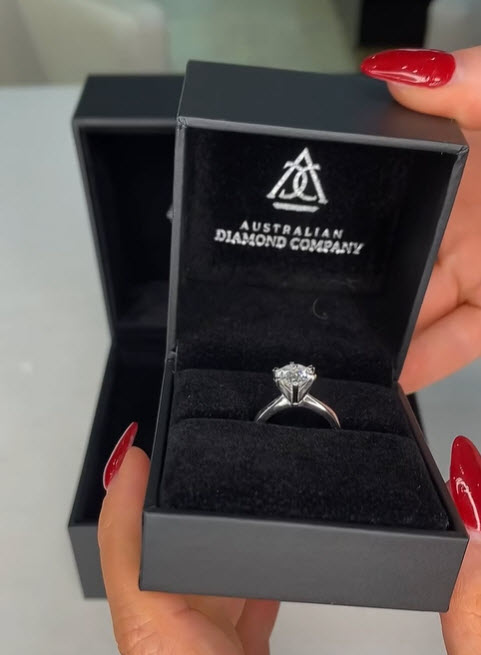
Choosing a reputable jeweller involves verifying their credentials, understanding their aftercare policies, confirming their commitment to ethical sourcing, and reviewing customer feedback to ensure honesty and reliable service. Credible jewellers will readily provide independent diamond certifications from recognised labs, offer clear warranty and aftercare terms, present detailed product specifications, and facilitate in-person inspections whenever possible. The following checklist summarises the key evaluation points to consider before making your purchase.
- Verify independent diamond certificates (GIA/AGS) and confirm their verification process.
- Confirm transparent warranty and routine aftercare services, including resizing and repairs.
- Review customer testimonials, looking for detailed feedback, images, and recent dates.
- Inquire about ethical sourcing, traceability, and any available provenance documentation for diamonds.
This checklist provides a concise set of verification actions to help you select a trustworthy provider. Next, we’ll delve into specific certifications and how to interpret reviews and warranties.
Essential Certifications and Accreditations for Jewellers
Look for trusted certifications such as GIA and AGS reports for diamonds, and membership in recognised industry associations that signify adherence to professional standards. A GIA or AGS certificate details the diamond’s cut, colour, clarity, and carat weight, often including a plotted diagram of inclusions. Membership in local industry bodies suggests a commitment to consumer protection. Always compare original lab reports rather than relying solely on vendor summaries, and prioritise stones with full, verifiable reports. Clear, lab-backed certification indicates that the jeweller uses objective grading standards, reducing the risk of acquiring a lower-quality stone.
How Customer Reviews Reflect Jeweller Reliability
Reviews that include specific details, images of the purchased ring, and timestamps offer more credible insights than generic praise. Seek out verified purchase indicators, consistent positive feedback regarding warranty fulfilment and aftercare, and independent review platforms. Be cautious of repetitive phrasing or a lack of specific transactional details, which might suggest curated content. Examining reviews alongside warranty terms and certificate availability provides a comprehensive understanding of a jeweller’s trustworthiness.
The Importance of Transparent Warranties and Aftercare
Transparent warranties and aftercare services protect you from manufacturing defects and normal wear, while also demonstrating a jeweller’s commitment to ongoing customer support. Expect warranties that cover structural integrity, prong security, routine cleaning, and resizing, with clearly defined timeframes and exclusions. Aftercare services, such as periodic inspections and professional stone tightening, help prevent stone loss and prolong the ring’s lifespan. Insisting on written warranty terms and scheduled maintenance is a sign of due diligence and minimises the risk of future issues.
How Ethical Sourcing Impacts Your Engagement Ring Choice
Ethical sourcing ensures provenance, minimises the risk of conflict diamonds, and provides peace of mind for buyers who value traceability and social responsibility. Standards like the Kimberley Process address large-scale conflict risks, while lab-grown diamonds offer a transparent and sustainable alternative. Always request provenance documentation and supplier statements regarding sourcing practices. A jeweller’s willingness to provide traceability information is a strong indicator of transparency. Ethical sourcing is not only a moral consideration but can also influence resale desirability, making it a key factor in evaluating a jeweller.
After assessing these criteria, consider visiting a reputable showroom to examine diamonds and settings firsthand. For instance, jewellers in Melbourne often provide complimentary consultations and showrooms where you can compare certified stones and discuss bespoke design possibilities.
Choosing Durable Metals and Settings for Your Engagement Ring
The choice of metal and setting style significantly impacts a ring’s mechanical durability, maintenance requirements, and everyday practicality. Platinum (950 platinum) is exceptionally durable, naturally white, and resistant to wear, often requiring less maintenance than gold. 18ct gold (available in white, rose, or yellow) offers aesthetic variety and can be repolished, though it is softer than platinum. Setting styles also play a role in protection: bezels and low-profile solitaires offer excellent edge protection, while pavé and prong settings maximise sparkle but demand more regular upkeep. The table below compares metals and setting attributes to aid your decision for durability and lifestyle.
This comparison outlines the trade-offs, leading to practical recommendations for various lifestyles and setting preferences.
Comparing Platinum and 18ct Gold for Engagement Rings
Platinum is denser and harder than 18ct gold, providing superior security for settings and maintaining its colour without the need for rhodium plating in many instances. 18ct gold alloys offer diverse aesthetics and can be slightly more budget-friendly. White gold typically requires rhodium plating to maintain its bright white appearance. For individuals with active lifestyles or those seeking minimal maintenance, 950 platinum is often the superior long-term choice. For those prioritising colour options and a potentially lower initial cost, 18ct gold remains a popular selection. Consider hypoallergenic properties, desired colour, and ease of maintenance when choosing a metal that will withstand daily wear.
Popular Setting Styles and Their Advantages
Common setting styles include solitaire, halo, pavé, and bezel, each offering a unique balance of stone security and visual impact. A solitaire setting highlights a single diamond, a halo setting increases the perceived size of the centre stone, pavé settings add overall sparkle, and a bezel setting provides the most robust protection. For daily wear and hands-on activities, bezel and low-profile solitaire designs are less prone to snagging or impact damage. Halo and pavé settings maximise brilliance but require regular checks to ensure the smaller stones remain secure. Select a setting that suits the wearer’s lifestyle to prevent common durability issues.
How Ring Sizing and Comfort Affect Long-Term Wear
Correct ring sizing is essential for preventing rotation, undue stress on settings, and uneven wear. Comfort-fit profiles can enhance daily wearability and help maintain the ring’s condition. Finger size can fluctuate with temperature and time of day, so it’s advisable to measure at the time of purchase and confirm the jeweller’s resizing policy. An ill-fitting ring can accelerate prong wear and increase the risk of twisting or stone loss. Prioritising accurate sizing and a secure setting minimises long-term maintenance needs.
How Custom Design Services Enhance Engagement Ring Quality
Engaging in custom design places the selection of specifications, diamond choice, and craftsmanship directly under your control, significantly reducing the likelihood of ending up with a lower-quality ring. A bespoke process typically involves initial consultation, CAD modelling, selection of certified diamonds and metals, meticulous production with quality checks, and a final inspection, each stage serving as a quality assurance checkpoint. Custom design ensures that the chosen diamond’s 4Cs and the setting’s mechanics are perfectly aligned with your lifestyle and budget, effectively avoiding common pitfalls like improper proportions or weak settings. Below is a breakdown of why custom services are invaluable for quality-conscious buyers.
- Custom design allows direct buyer oversight of diamond specifications and setting choices.
- Integrated quality checkpoints (CAD review, wax proofs, final inspection) minimise manufacturing errors.
- Ethical sourcing can be confirmed during the selection phase, enhancing provenance transparency.
These advantages highlight how professional custom design significantly reduces the risk of unsatisfactory outcomes. Next, we detail the typical Australian process and what to expect from consultations.
The Custom Engagement Ring Design Journey in Australia
The custom process begins with a consultation to define your aesthetic preferences, budget, and lifestyle needs. This is followed by CAD or sketching to visualise the design, and the selection of a certified diamond and preferred metal. Production often includes a wax or CAD mock-up, casting in 950 platinum or 18ct gold, precise stone setting, and a thorough final inspection to confirm stone security and finish. Each stage offers an opportunity to verify certificate details and workmanship standards. Buyers should request documented checkpoints and timelines to ensure a transparent process that minimises surprises and avoids poor-quality results.
Ensuring Quality and Satisfaction Through Expert Consultation
Expert consultation provides invaluable guidance on balancing the 4Cs with setting mechanics and lifestyle requirements, translating technical grading into tangible visual outcomes. Consultants can demonstrate how subtle improvements in cut or setting choice can enhance face-up brilliance and recommend trusted suppliers for ethically sourced stones. Expect detailed comparisons, plotted diagrams of candidate stones, and concrete recommendations rather than vague assurances. This expertise helps steer buyers away from compromises that could lead to diminished visual quality or fragile settings.
The Value of Ethically Sourced Diamonds in Custom Rings
Ethically sourced diamonds and transparent provenance minimise the risk of association with conflict diamonds and support traceability from mine to market, a growing priority for many buyers. During custom design, request supplier documentation and inquire whether the diamond is GIA/AGS certified or a lab-grown alternative; both options offer traceability when properly documented. Provenance is important for resale value and buyer peace of mind, so insist on clear sourcing statements and transparent supply chains throughout the custom process. Documented sourcing is a valuable quality attribute that helps avoid reputational and legal risks.
For those seeking bespoke solutions, Australian Diamond Company offers Custom Design Services and a curated selection of engagement rings, including exclusive collections. They also provide complimentary consultations to guide your specification and ethical sourcing decisions.
The Critical Role of Diamond Certification and Verification in Australia
Certification is paramount: an independent laboratory report from a trusted authority documents a diamond’s 4Cs and plotted inclusions, providing objective evidence that safeguards buyers from misrepresentation and supports insurance and resale valuations. Leading laboratories like GIA and AGS employ robust, universally recognised grading systems and provide searchable report numbers that can be independently verified. Verification is a straightforward two-step process: obtain the report number, compare the plotted diagram and measurements to the stone, and then confirm the report’s authenticity via the laboratory’s online service. The table below summarises these verification steps and explains why certification is essential.
These steps significantly reduce the risk of acquiring a misgraded stone and protect your purchase from fraud or undisclosed treatments.
The Most Trusted Diamond Certification Bodies
GIA and AGS are highly respected for their consistent grading of cut, colour, and clarity. Their reports include detailed plotted diagrams and precise measurements, crucial for verifying a stone’s identity. While other labs exist, GIA and AGS reports are widely preferred in Australia for their market reliability and impact on resale value. If a seller presents a certificate from a less-known lab, it’s advisable to request an independent appraisal or insist on verification through a reputable laboratory to avoid quality uncertainties. Opting for stones with established lab reports enhances buyer confidence and reduces ambiguity.
How to Verify a Diamond Certificate and What to Look For
To verify a certificate, obtain the report number, compare the stone’s physical measurements and plotted inclusion diagram against the report details, and confirm the report number on the issuing laboratory’s verification service. Look for matching table and depth percentages, consistent carat measurements, and inclusion plots that align with visual observations or photos. Any discrepancies should be treated as a red flag. Ensure the lab name is explicitly stated and not merely an internal grading summary from the vendor. Proper verification prevents stone substitution and guarantees the diamond matches its stated specifications.
Why Certification Protects You from Lower-Quality Diamonds
A laboratory certificate establishes an independent benchmark that supports valuation, insurance claims, and resale potential, while demanding transparency in specification claims. In the event of a dispute regarding a diamond’s attributes, the certificate serves as objective evidence to resolve discrepancies between buyer and seller. Certification also discourages misrepresentation by requiring measurable, documented characteristics that are difficult to falsify without detection. For buyers aiming to avoid lower-quality diamonds, certification is a fundamental protective measure.
Essential Tips for Engagement Ring Care to Maintain Quality
Regular care is key to extending a ring’s lifespan and preventing avoidable damage. Simple, consistent routines combined with professional inspections safeguard both the metal and the diamond. Gentle monthly cleaning, careful storage to prevent scratches, and annual professional checks for prong security minimise the risk of stone loss and metal wear. Below is a concise checklist of care actions and a maintenance schedule to guide your routine attention to your ring.
- Clean gently each month using mild detergent and a soft brush; avoid harsh chemicals.
- Store rings individually in soft pouches to prevent scratches and metal-on-metal abrasion.
- Schedule professional inspections annually for prong tightening and polishing.
- Remove rings during strenuous manual activities, sports, or when handling abrasive substances.
These practices help prevent common wear patterns and establish an inspection cadence that catches potential issues early. Next, we outline safe cleaning and inspection procedures.
How to Safely Clean and Store Your Diamond Engagement Ring
Safe cleaning involves soaking the ring in a mild dish soap solution, gently brushing away debris from settings with a soft-bristled brush, and rinsing under warm water. Pat dry with a lint-free cloth. Avoid ultrasonic cleaners if the ring has delicate settings or treated stones, and never use bleach or chlorine, which can damage certain metals. For storage, use individual soft pouches or compartmentalised jewellery boxes to prevent metal-on-metal scratching and protect delicate pavé stones. Proper cleaning and storage preserve the diamond’s brilliance and reduce the need for frequent polishing.
When to Schedule Professional Maintenance and Inspections
Arrange for professional checks at least annually, or more frequently for rings worn daily or in demanding environments. Technicians will inspect prongs, settings, and overall metal integrity. Immediate inspections are recommended if you notice a loose stone, unusual movement, or visible damage after an impact. During servicing, expect prong tightening, cleaning, repolishing, and a written record of any repairs performed. Regular, scheduled maintenance prevents minor issues from escalating into costly repairs.
How Proper Care Extends the Life of Your Ring’s Metal and Diamond
Preventative care, timely polishing, prong retipping, and correct cleaning, slows metal erosion and minimises abrasion to stones in pavé or channel settings, preserving both security and appearance. Attention to proper fit and seasonal resizing prevents excessive rotation and stress on specific parts of the band, extending overall integrity. Investing in routine inspections and minor repairs offers a favourable long-term cost-benefit, as small upkeep costs can prevent major restorative work or the need for stone replacement. A disciplined care routine thus preserves both the sentimental and monetary value of your ring over time.
For personalised guidance or to view certified diamonds and settings in person, consider booking a complimentary design consultation or visiting our Melbourne CBD showroom. Our experts can demonstrate certified stones, discuss Custom Design Service options, and showcase our range of engagement rings, including exclusive collections and bespoke design services. For in-person inquiries, contact Australian Diamond Company at our Melbourne address or by phone to arrange a consultation and view certified examples before you make your purchase.
Frequently Asked Questions
What should I consider when choosing a diamond shape for my engagement ring?
When selecting a diamond shape, consider how it complements the wearer’s personal style and lifestyle. Popular shapes include round brilliant, princess, oval, and cushion, each offering distinct visual characteristics. Round diamonds are celebrated for their exceptional brilliance, while fancy shapes like oval or marquise can appear larger for their carat weight. Also, consider how the shape interacts with the setting; certain shapes pair better with specific settings, enhancing the overall aesthetic. Ultimately, choose a shape that resonates personally and fits comfortably for everyday wear.
How can I ensure the diamond I purchase is ethically sourced?
To guarantee ethical sourcing, request provenance documentation from your jeweller that details the diamond’s journey from mine to market. Look for certifications from reputable bodies that confirm conflict-free origins, such as the Kimberley Process. Alternatively, consider lab-grown diamonds, which offer a sustainable option with clear traceability. A jeweller committed to ethical practices will be transparent about their sourcing methods and provide detailed information on diamond origins, enabling you to make a responsible choice.
What are the benefits of custom designing an engagement ring?
Custom designing an engagement ring grants complete control over specifications, ensuring the final piece perfectly matches personal preferences and lifestyle needs. This process typically involves selecting the diamond, metal, and setting style, which helps avoid common issues found in mass-produced rings. Custom designs can also incorporate unique elements of personal significance, making the ring truly one-of-a-kind. The quality control checkpoints throughout the custom design process further enhance the likelihood of a durable and high-quality final product.
How can I tell if a jeweller is reputable?
To assess a jeweller’s reputation, check for independent certifications like GIA or AGS, and review customer feedback for detailed insights into their experiences. A trustworthy jeweller will offer transparent warranty and aftercare policies, clarifying the level of service you can expect post-purchase. Visiting the jeweller’s showroom allows you to gauge their professionalism and the quality of their offerings. Engaging in direct conversations about their sourcing practices and craftsmanship can also provide valuable insight into their reliability.
What maintenance should I perform on my engagement ring?
Regular maintenance is crucial for keeping your engagement ring in optimal condition. Clean your ring monthly using mild soap and a soft brush, and store it separately to prevent scratches. Schedule professional inspections at least annually to check for loose stones and prong security. If you notice any changes in fit or appearance, seek immediate professional advice. Proper care not only preserves the ring’s beauty but also extends its lifespan, ensuring it remains a cherished piece for years to come.
What are the common mistakes to avoid when buying an engagement ring?
Common mistakes include focusing solely on carat weight rather than the diamond’s cut, colour, and clarity, which significantly impact its appearance. Avoid purchasing from sellers who pressure you into quick decisions or fail to provide certification for their diamonds. Additionally, neglecting to verify the jeweller’s reputation and warranty policies can lead to acquiring a lower-quality item. Always take the time to compare options, ask thorough questions, and ensure you fully understand the details of your purchase to avoid costly errors.
Conclusion
Selecting the ideal engagement ring hinges on understanding quality indicators, ethical sourcing principles, and the importance of certification, ensuring a purchase that endures for a lifetime. By adhering to the guidelines presented in this guide, you can confidently navigate the intricacies of diamond selection and craftsmanship. For a personalised experience, consider booking a complimentary consultation to explore certified options tailored to your specific preferences. Visit our Melbourne showroom today to begin your journey, and browse our engagement rings online to compare styles, diamond quality, and craftsmanship before you come in.


