
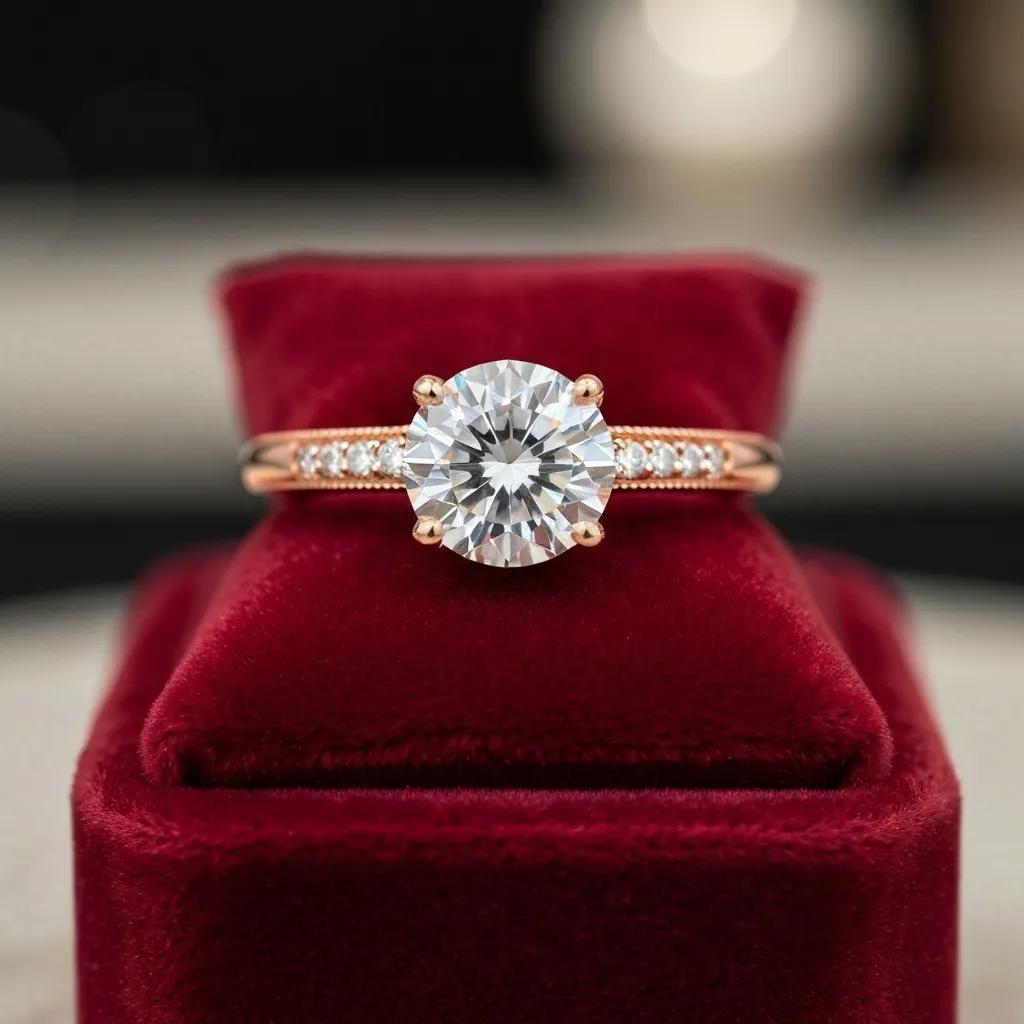
Choosing the Best Engagement Ring Diamonds: Australian Diamond Company
Choosing the best diamonds for stunning engagement rings hinges on understanding key quality factors that deliver brilliance, beauty and value. This guide maps out the essential themes, 4Cs, lab-grown versus natural, shape selection, certification and ethical sourcing to help readers select the perfect stone. With expert insights and resources like the Australian Diamond Company for personalised diamond consultations, couples can make informed choices that combine sparkle and integrity.
What Are the 4Cs and Why Do They Matter for Engagement Ring Diamonds?
The 4Cs, Cut, Color, Clarity and Carat define a diamond’s visual impact and market value by linking specific attributes to sparkle, hue, purity and size. Recognising these metrics ensures you balance beauty and budget when choosing a standout engagement ring diamond.
How Does Diamond Cut Affect Brilliance and Sparkle?
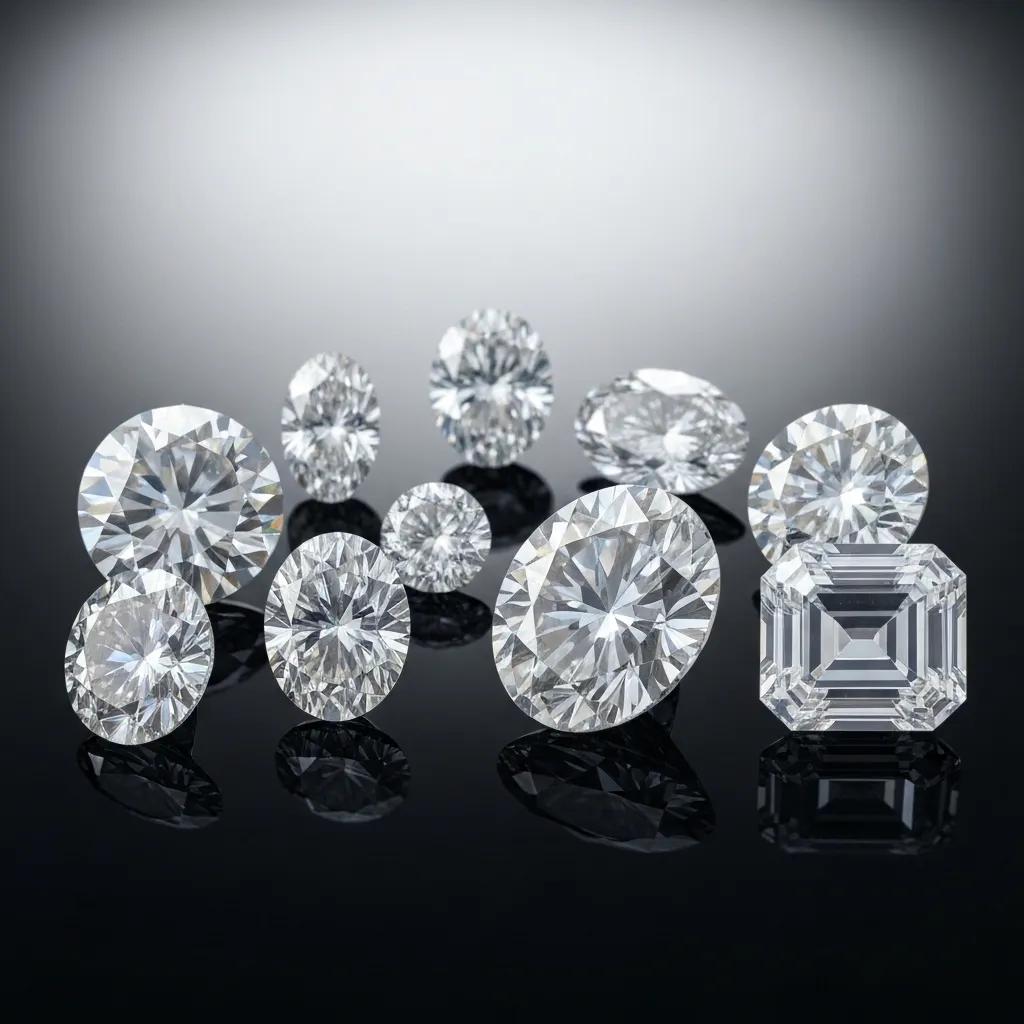
Diamond cut governs light return by defining proportions, symmetry and polish, making it the primary driver of brilliance and fire.
Key facets of an ideal cut diamond include:
- Perfect table and depth percentages for maximum light performance
- Symmetry that aligns facets for uniform sparkle
- Polish quality that ensures smooth facet surfaces
Diamond Cut and Brilliance
A well-cut diamond maximises light reflection, enhancing its brilliance and sparkle. The cut quality is assessed based on proportions, symmetry, and polish, with an “Excellent” cut grade offering optimal brilliance.
Brilliance.com
This source explains how the diamond cut scale ranks diamonds and how the cut affects the sparkle and brilliance of a diamond, which is a key factor in choosing a diamond for an engagement ring.
What Diamond Color Grades Are Best for Engagement Rings?
Diamond color grade measures trace hues on a D–Z scale, where near-colorless D–G stones blend value with a clear appearance.
Top choices for engagement rings include:
- D–F: Colorless for the purest white look
- G–H: Near-colorless offering exceptional value
- I–J: Warm undertones in vintage-style settings
Diamond Color Grading
Diamond color is graded on a D-Z scale, with D representing colorless and Z indicating light yellow or brown hues. Diamonds in the D-G range offer a balance of value and a clear appearance, while the best value is often found in G, H, and I color grades.
GIA
This source provides information on the GIA color grading scale, which is essential for understanding how color impacts a diamond’s value and appearance, a critical aspect of the 4Cs.
Which Clarity Grades Offer the Best Value and Beauty?
Clarity assesses internal and external flaws, with VS1–VS2 “eye-clean” grades delivering blemish-free sparkle at attractive prices.
Eye-clean clarity options:
- VS1–VS2: Inclusions invisible to the naked eye
- SI1–SI2: Minor inclusions viewable under magnification
- VVS1–VVS2: Virtually flawless at higher budgets
These clarity distinctions influence how a diamond handles light, leading to carat weight’s effect on visual presence.
Diamond Clarity and Value
Diamond clarity, which assesses internal and external flaws, is graded on a scale from Flawless (FL) to Included (I). VS1–VS2 clarity grades are considered “eye-clean” and offer a good balance of beauty and value.
American Gem Society
This source explains the diamond clarity scale and how inclusions affect the value and appearance of a diamond, which is a key factor in the 4Cs.
How Does Carat Weight Influence Size and Price?
Carat weight quantifies diamond mass, but visual size also depends on cut proportions, allowing lower-carat stones to appear larger when cut ideally.
Important carat considerations:
- Carat vs. diameter: A 1.00 ct ideal cut looks similar to a 1.20 ct shallow cut.
- Price scaling: Costs increase exponentially per carat milestone.
- Budget balance: Prioritise cut and clarity to maximise size appearance.
Understanding the 4Cs prepares you to compare diamond origins next.
How Do Lab-Grown Diamonds Compare to Natural Diamonds for Engagement Rings?
Lab-grown diamonds mirror natural stones chemically and optically while offering ethical sourcing and cost savings of 30–40%. This alignment of quality and sustainability makes them a compelling choice for modern couples.
What Are the Benefits of Choosing Lab-Grown Diamonds?
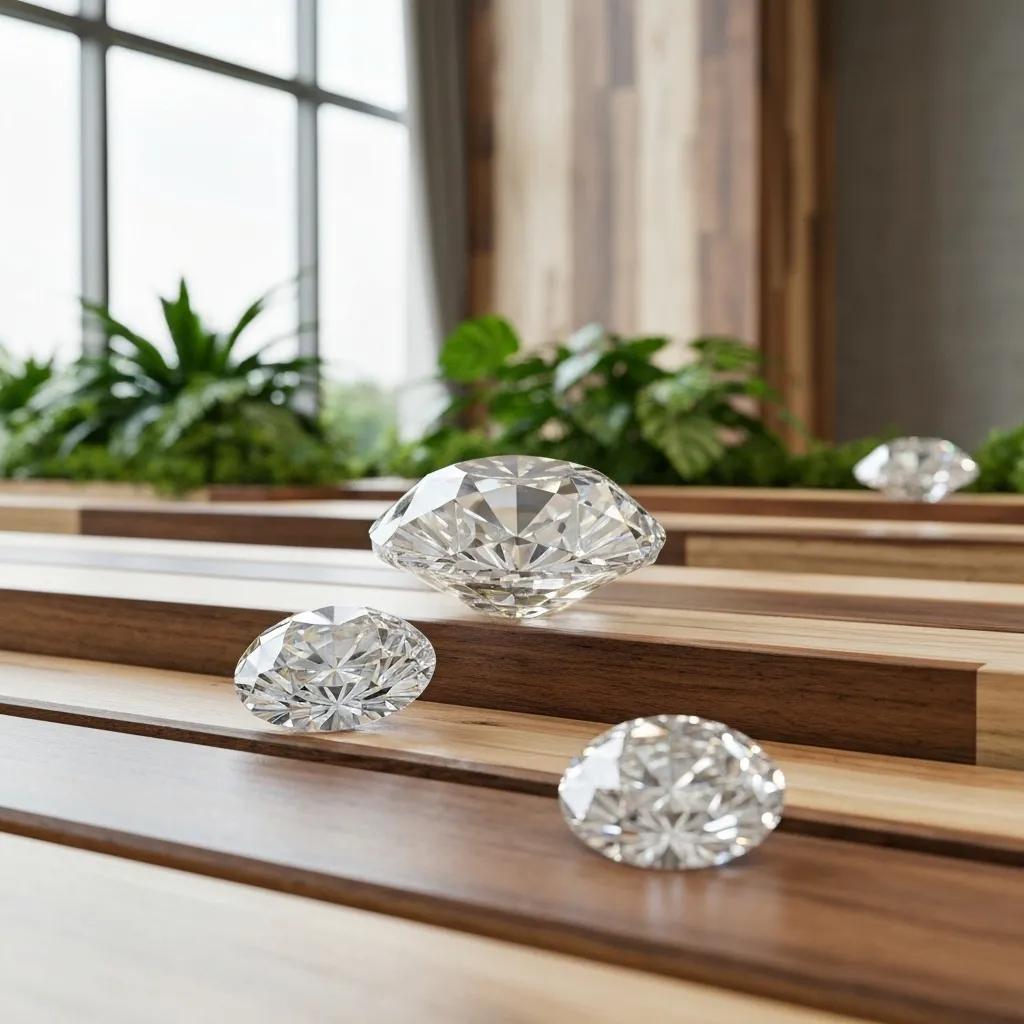
Lab-grown diamonds provide three main advantages:
- Ethical sourcing without mining impact
- Affordability with lower price per carat
- Identical quality in brilliance and durability
These benefits make cost comparison essential for your ring budget.
How Does the Cost of Lab-Grown Diamonds Compare to Natural Ones?
Comparing price per carat reveals consistent savings of 30–40% on lab-grown stones of equal grade, enabling higher-quality stones within the same budget. This economic edge supports a broader selection without compromising sparkle.
Are Lab-Grown Diamonds Certified and Trusted?
Leading labs, GIA, IGI and AGS offer full certification for lab-grown diamonds, ensuring standardised grading of cut, color, clarity and carat. Certification enhances buyer confidence and resale value.
Lab-Grown Diamond Certification
Lab-grown diamonds are certified by labs like IGI and GIA, ensuring standardised grading of the 4Cs. IGI is a leading lab for lab-grown diamonds, providing detailed grading reports.
MSBLUE Jewelry
This source discusses the importance of lab-grown diamond certification and the role of IGI in providing accurate assessments, which is crucial for consumer confidence.
What Diamond Shapes Maximise Sparkle and Suit Your Style?
Which Diamond Shapes Offer the Most Brilliance?
The top three sparkle-maximising shapes are:
- Round Brilliant: 57 or 58 facets optimised for light return
- Princess: Square form with high scintillation
- Oval: Elongated brilliance with larger face-up appearance
These shapes illustrate how form influences sparkle before exploring shape and style alignment.
How to Choose a Diamond Shape That Matches Your Personal Style?
Selecting a shape involves balancing aesthetic symbolism and hand proportions:
- Solitaire rings pair well with timeless rounds
- Halo settings amplify cushion or oval cuts
- Emerald cuts suit modern, minimalist tastes
Personal style guides help marry form with sentiment.
Why Is Certification Important When Buying Diamonds for Engagement Rings?
What Are the Differences Between GIA, IGI, and AGS Certifications?
- GIA: Global authority with consistent grading standards
- IGI: Leading lab for both natural and lab-grown diamonds
- AGS: Detailed cut analysis with strict light performance metrics
How Does Certification Affect Diamond Value and Buyer Confidence?
Certified diamonds carry documented proof of quality, increasing resale potential by approximately 10–20% and giving purchasers peace of mind about authenticity and grade consistency.
How Can You Ensure Your Diamond Is Ethically Sourced and Conflict-Free?
What Is the Kimberley Process and How Does It Protect Consumers?
The Kimberley Process certifies natural diamonds through stringent chain-of-custody controls, preventing conflict stones from entering the market and safeguarding consumer trust.
The Kimberley Process
The Kimberley Process Certification Scheme (KPCS) was established in 2003 to prevent conflict diamonds from entering the mainstream market. It ensures that rough diamonds are traded with a certificate, guaranteeing they are conflict-free.
The Kimberley Process
This source explains the Kimberley Process and its role in ensuring ethical sourcing, which is a key consideration when purchasing a diamond.
How Do Lab-Grown Diamonds Support Sustainability?
Lab-grown production consumes approximately 50–60% less water and generates significantly lower carbon emissions than traditional mining, promoting an eco-friendly footprint for engagement rings.
What Questions Should You Ask Your Jeweler About Diamond Origin?
When evaluating diamond origin, inquire:
- “Can you show the Kimberley Process certificate?”
- “Which laboratory issued this grading report?”
- “Is this diamond mined or lab-grown?”
These queries ensure clarity on sourcing and certification.
Selecting the ideal diamond for an engagement ring requires balancing cut, color, clarity and carat with ethical and budget considerations. By comparing lab-grown and natural options, choosing a shape that reflects personal style, verifying certification and confirming conflict-free sourcing, couples can secure a stunning stone that embodies both brilliance and integrity. Explore expert guidance and curated collections to find the perfect diamond that shines as brightly as your commitment.


