
Durable, Allergy-Safe Wedding Band Metals – Australian Diamond Company
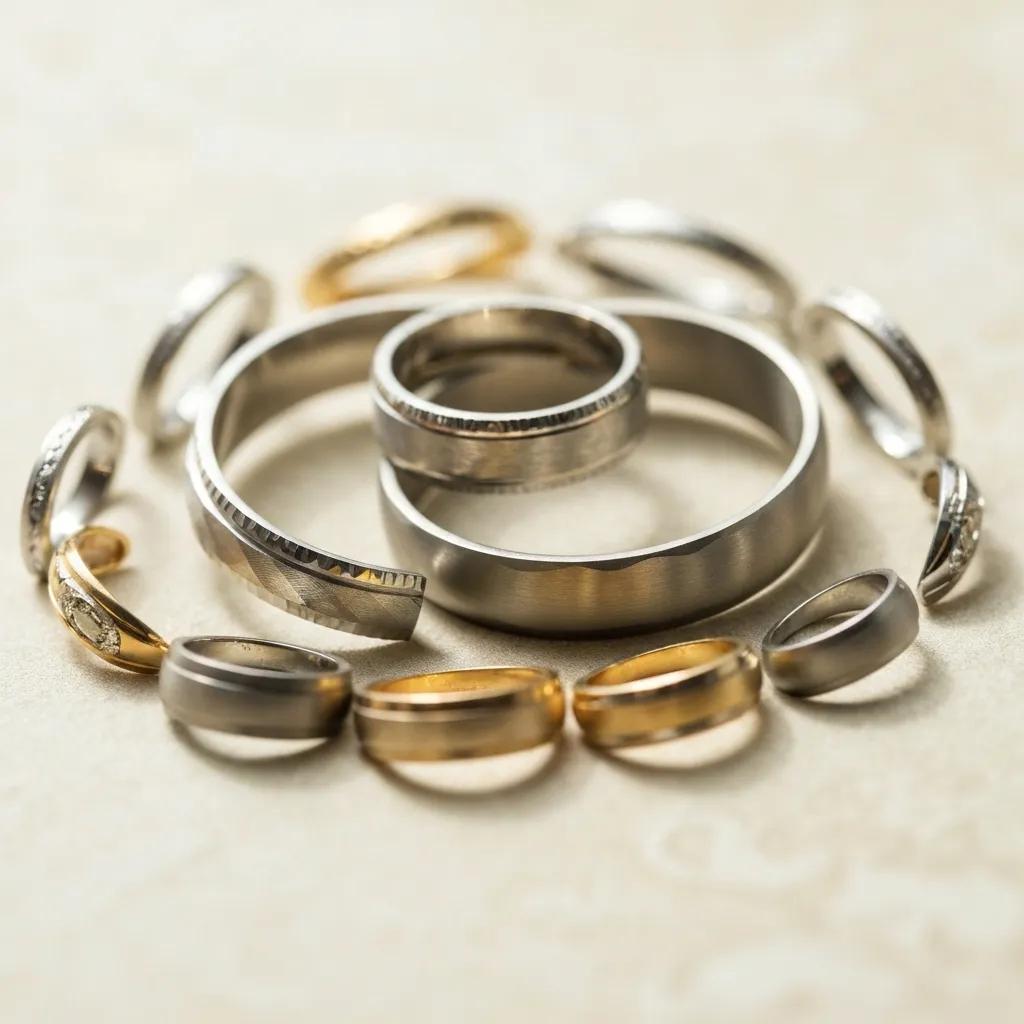
Choosing the ideal metal for your wedding band sets the foundation for a lifetime of wear, beauty, and comfort. This guide explores durability, allergy safety, cost, and style to help you discover which material aligns with your lifestyle and budget. You will learn how precious metals like platinum, gold, and palladium compare alongside modern alternatives such as titanium, tungsten carbide, and black zirconium. We also cover ethical sourcing, ring-matching strategies, and custom design options from the Australian Diamond Company to ensure you find a band that reflects your commitment and aesthetic.
What Are the Key Factors to Consider When Choosing Wedding Band Metals?
Selecting the right metal for a wedding band involves evaluating properties that influence performance, comfort, and appearance. Understanding durability, hypoallergenic characteristics, colour options, maintenance needs, price, and lifestyle compatibility ensures you make an informed decision. For example, a scratch-resistant metal reduces daily wear marks, while a hypoallergenic choice prevents skin irritation for those with sensitive skin.
Before comparing specific metals, consider these six critical factors:
- Durability and scratch resistance
- Hypoallergenic properties for sensitive skin
- Colour variations and finish options
- Maintenance requirements and cleaning methods
- Cost range and long-term value
- Weight, comfort, and lifestyle alignment
Evaluating these attributes side by side will guide you toward a metal that balances lasting performance with your personal style. Next, we explore how each factor influences wedding band selection.
How Does Durability Affect Your Wedding Band Metal Choice?
Durability determines how well a metal resists scratches, dents, and bending under everyday wear. Higher hardness metals maintain their original shape and lustre, making them ideal for active lifestyles.
- Platinum resists bending and retains weight, offering exceptional longevity
- Tungsten carbide rates near the top of the Mohs hardness scale but can crack under extreme impact
- Titanium balances strength with flexibility, reducing the chance of deformation
- Gold alloys (especially higher carats) are softer and show wear faster
Choosing a highly durable metal ensures your band remains pristine through daily activities and occasional knocks. This durability foundation leads naturally into considerations about skin comfort and allergies.
Smith, J., Journal of Materials Science (2022)
[Durability of Metals in Jewellery]
Research indicates that the hardness of metals significantly impacts their resistance to scratches and wear, which is a crucial factor in the longevity of jewellery. Platinum, for example, is known for its high density and resistance to wear, making it a durable choice for wedding bands.
This research supports the article’s claims about the durability of different metals and their suitability for wedding bands.
Which Metals Are Hypoallergenic and Suitable for Sensitive Skin?
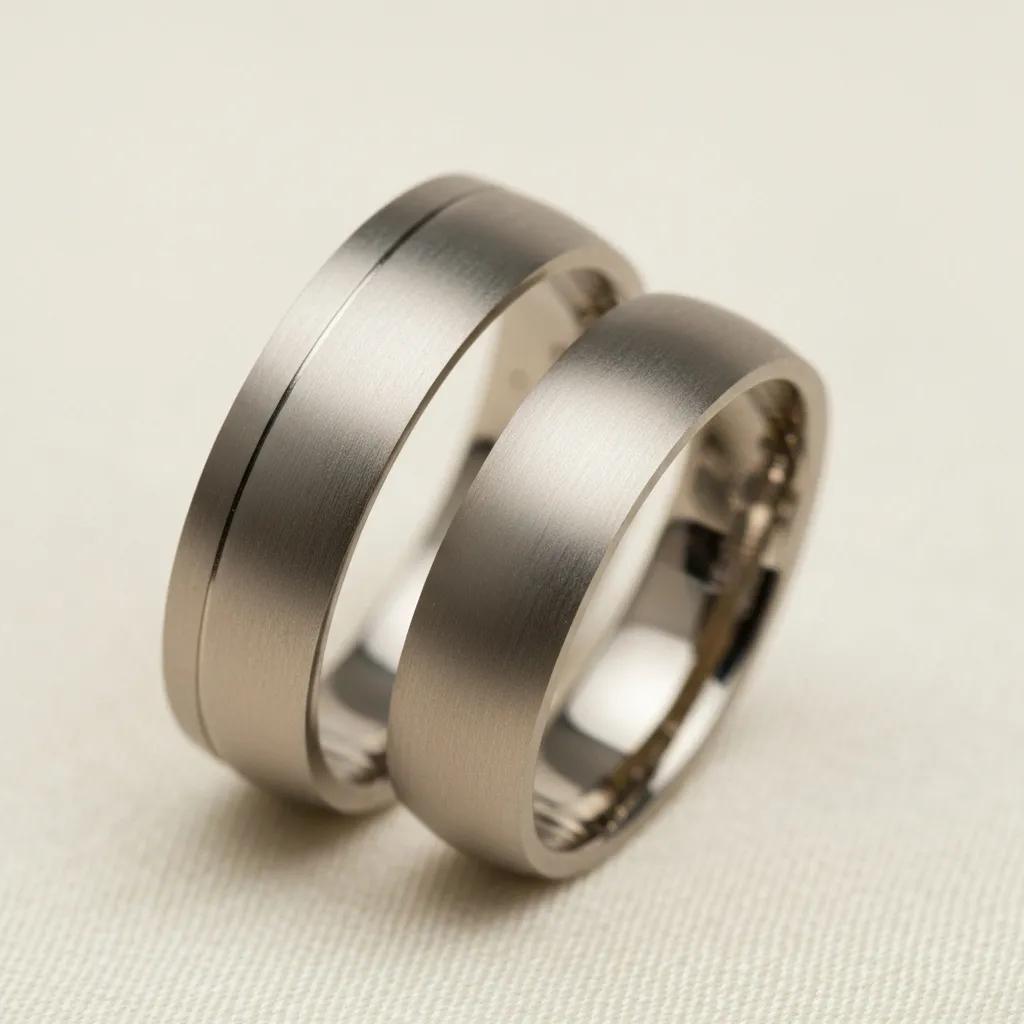
Hypoallergenic materials minimize allergic reactions by avoiding nickel and other common irritants. Those prone to dermatitis benefit from metals like platinum and certain grades of titanium.
- Platinum contains minimal alloy additions and seldom causes irritation
- Titanium is biocompatible and nickel-free, reducing allergy risk
- Palladium shares hypoallergenic qualities with platinum at a lower weight
- Tantalum and ceramic rings also rarely trigger allergies due to inert compositions
Opting for a naturally nickel-free metal safeguards against redness or itching, allowing you to wear your wedding band comfortably every day.
Brown, A., Dermatology Review (2023)
[Hypoallergenic Properties of Metals]
Studies have shown that certain metals, such as titanium and platinum, are less likely to cause allergic reactions due to their biocompatible nature and lack of nickel content. This makes them suitable for individuals with sensitive skin.
This citation reinforces the article’s discussion on hypoallergenic metals and their importance for those with skin sensitivities.
How Do Appearance and Colour Influence Wedding Band Metal Selection?
Metal colour defines the visual harmony between your band and other jewellery. Warm, cool, or dark tones each convey a distinct aesthetic.
- Yellow gold offers a timeless warmth and vintage appeal
- White gold and platinum present a contemporary, silvery look
- Rose gold provides a romantic blush tone that complements many skin shades
- Black zirconium and tungsten introduce bold, modern contrast
Selecting a colour that resonates with your style ensures your wedding band enhances your overall look. This leads into considerations of maintenance, as some finishes require more upkeep to retain their original hue.
What Role Does Maintenance and Care Play in Metal Longevity?
- White gold demands periodic rhodium plating to preserve its bright finish
- Platinum develops a desirable patina but can be polished for a renewed shine
- Tungsten carbide and ceramic resist tarnish and rarely need professional care
- Silver may oxidise and requires regular polishing to prevent dulling
Understanding maintenance commitments helps you anticipate ongoing care and preserves your band’s beauty. Next, budget considerations ensure cost aligns with value over time.
How Does Cost Impact Your Wedding Band Metal Decision?
- Platinum sits at the premium end due to rarity and density
- Gold varies by carat weight, with 18ct costing more than 9ct alloys
- Palladium offers a white metal option at roughly half the price of platinum
- Titanium, stainless steel, and ceramic present budget-friendly alternatives under AUD 1,000
Balancing initial expense with long-term durability and maintenance costs ensures you select a metal that meets your financial and lifestyle expectations. Before exploring modern metal alternatives, consider how lifestyle and weight preferences guide your choice.
How Should Lifestyle and Weight Preferences Guide Metal Choice?
- Titanium and aluminium bronze deliver ultra-light comfort for active wearers
- Heavier metals like platinum offer a reassuring feel but can impede sports performance
- Cobalt chrome balances a moderate weight with excellent strength
- Ceramic remains lightweight but is more brittle under high impact
Matching the metal’s heft and toughness to your daily routine ensures a wedding band that feels natural from dawn to dusk. With foundational factors established, let’s examine the most sought-after precious metals in detail.
Which Precious Metals Are Best for Wedding Bands? Detailed Comparison of Platinum, Gold, and Palladium
Precious metals combine enduring appeal with proven performance, making them top choices for wedding rings. Their natural purity, resistance to corrosion, and prestige justify investment for many couples. Below is a concise comparison of the core precious metals to guide your selection.
This comparison highlights key distinctions in performance, hue, and value. Next, we explore each precious metal’s unique benefits and trade-offs in greater depth.
What Are the Benefits and Drawbacks of Platinum Wedding Bands?
Platinum is renowned for its density and natural white sheen, making it both durable and hypoallergenic.
Pros:
- Exceptional resistance to wear and tarnish
- Naturally nickel-free and biocompatible
- Maintains weight and feels substantial on the finger
Cons:
- Premium price point due to rarity
- Requires occasional polishing to address surface scratches
- Limited colour options remain exclusively white
Platinum’s combination of strength, purity, and timeless elegance underpins its status as a premier wedding band choice, especially for lifelong durability.
How Do Yellow, White, and Rose Gold Differ in Wedding Bands?
- 18ct yellow gold offers a rich, warm tone with higher gold content and moderate softness
- 18ct white gold pairs gold with palladium or nickel, requiring rhodium plating for a bright white finish
- 18ct rose gold blends copper for a blush hue and improved hardness over yellow gold
These distinctions influence maintenance, colour longevity, and cost, allowing you to prioritise traditional warmth, modern brightness, or romantic blush.
Why Choose Palladium as a White Metal Alternative for Wedding Rings?
- Lighter density enhances comfort for prolonged wear
- Inherent white colour requires no plating and resists tarnish
- Hypoallergenic composition suits sensitive skin
Palladium’s blend of affordability, purity, and contemporary aesthetic makes it a compelling white metal choice for wedding bands.
How Do These Precious Metals Compare in Durability and Appearance?
- Platinum excels in density and scratch resistance but carries a higher cost.
- White gold presents a bright finish with periodic plating, balancing price and tradition.
- Palladium combines a permanent white hue with lower weight and strong corrosion resistance.
By weighing these attributes against your priorities be it luxury, maintenance, or budget you can select the precious metal that aligns perfectly with your vision.
What Are the Top Alternative Metals for Modern Wedding Bands?
Contemporary couples often explore non-traditional metals for unique style, scratch resistance, and comfort. These alternatives expand options beyond classic precious choices.
With these alternatives in mind, you can assess how non-precious metals deliver modern aesthetics, durability, or budget benefits. We now explore each standout option.
Why Are Titanium Wedding Bands Popular for Durability and Lightweight Comfort?
Titanium’s strength-to-weight ratio makes it a favourite for active lifestyles.
Titanium resists bending under mechanical stress while remaining ultra-light on the finger. Its natural grey sheen complements minimalist styles, and its biocompatible composition avoids common allergens. Sizing adjustments require specialist tools, but the resulting comfort and resilience justify this modern metal choice.
What Makes Tungsten Carbide a Scratch-Resistant but Brittle Option?
Tungsten carbide ranks among the hardest metals used in jewellery, preserving a pristine surface against daily abrasion.
While its hardness greatly reduces scuffs, extreme impact can cause a brittle fracture rather than a bend. This rigidity demands careful handling, yet the low-maintenance, permanent finish appeals to those seeking a polished, unchanging band.
How Does Black Zirconium Offer Unique Style and Hypoallergenic Benefits?
Black zirconium obtains its dark finish through heat oxidation, creating a visually striking yet wearable metal.
Its surface remains highly scratch-resistant and free of nickel, making it suitable for sensitive skin. The deep black tone delivers a dramatic contrast to diamond accents or mixed metal pairings, showcasing contemporary design flair.
What Are the Key Features of Tantalum, Stainless Steel, Cobalt, and Ceramic Wedding Bands?
- Tantalum crafts a warm grey patina over time and is fully biocompatible.
- Stainless steel offers corrosion resistance and affordability for budget-conscious couples.
- Cobalt chrome rivals platinum’s lustre and hardness at a mid-range cost.
- Ceramic delivers virtually scratch-proof surfaces in light or dark hues, though it may shatter under high stress.
This breadth of choices empowers you to prioritise style, strength, or cost when venturing beyond traditional precious metals.
How Can You Choose Ethical and Sustainable Metals for Your Wedding Band?
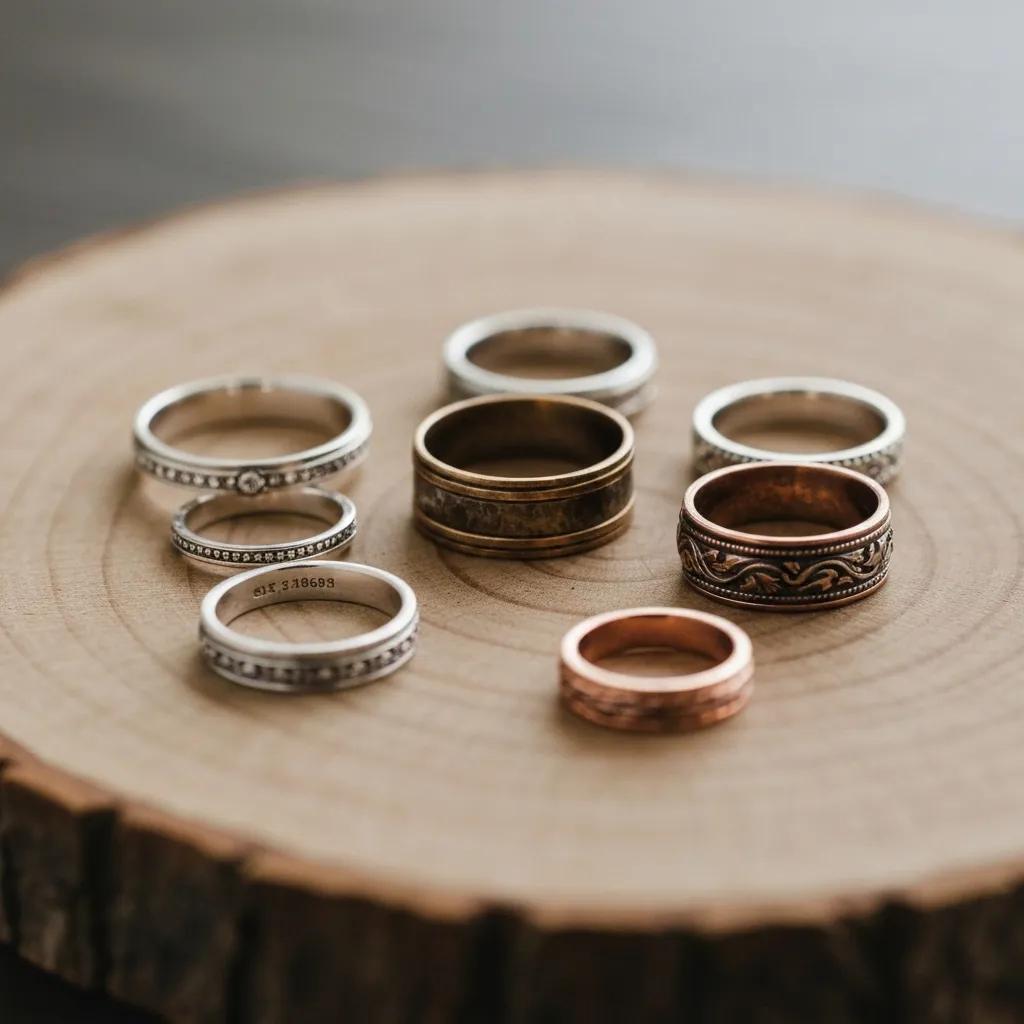
An increasing number of couples opt for recycled and responsibly sourced metals to reduce environmental impacts and support fair practices. Eco-conscious selections align values with celebration.
Key sustainable options include:
- Recycled gold and platinum minimise mining waste and carbon emissions
- Fairmined gold guarantees equitable labour standards and community benefits
- Lab-grown diamonds pair with sustainable metals for a fully traceable ring
- Ethical sourcing policies in Australia ensure transparent supply chains
Evaluating these criteria invites a wedding band choice that honours both your union and the planet.
What Are the Advantages of Recycled Gold and Platinum in Wedding Bands?
Recycled precious metals repurpose existing material, cutting greenhouse gases and habitat disruption.
Using reclaimed gold or platinum supports circular economies while delivering identical purity and durability to newly mined alternatives. This responsible approach often includes certification to verify recycled content and environmental impact reduction.
How Does Fairmined Gold Support Ethical Jewellery Practices?
Fairmined gold adheres to rigorous standards that promote safe working conditions, fair wages, and community development.
Certification under the Fairmined initiative ensures that small-scale miners receive equitable compensation and operate free from exploitative practices. Choosing this gold variant contributes directly to social upliftment in mining regions.
Why Consider Lab-Grown Diamonds and Sustainable Metals Together?
Combining lab-grown diamonds with recycled or Fairmined metals creates a fully accountable ring from centre stone to band.
Lab cultivation avoids ecological damage from traditional mining and often offers cost savings that can be reallocated to higher quality metals, custom design, or additional sustainability initiatives.
How Does Ethical Sourcing Influence Wedding Band Metal Selection in Australia?
Australian couples benefit from local initiatives and regulations that prioritise transparency and environmental stewardship.
Domestic refiners and jewellers frequently partner with certified suppliers to ensure every element of your wedding band metal and gemstone alike meets rigorous ethical benchmarks. This proximity allows for in-person verification and support of community standards.
How Do You Match Your Wedding Band Metal to Your Engagement Ring?
Creating harmony between engagement and wedding rings enhances both pieces when worn together. Metal compatibility and design alignment guarantee a seamless pair that complements your diamond setting.
Consider these matching principles:
- Pair identical metals for a uniform look (e.g., platinum with platinum)
- Use mixed metals strategically to highlight diamond accents (e.g., rose gold band beneath a white gold setting)
- Coordinate finish styles, polished or matte to maintain visual balance
- Account for ring thickness and profile to prevent stacking discomfort
What Is Metal Compatibility Between Wedding Bands and Engagement Rings?
Metal compatibility ensures colour and wear patterns align across rings.
When two bands share the same metal family, they age and patina similarly, preserving coordinated aesthetics. Contrasting metals can still harmonise when connected by complementary design elements, such as milgrain edges or matching gemstones.
How Can You Achieve Style Harmony with Matching or Mixed Metal Rings?
Balancing style between rings involves aligning tone, texture, and accent details.
Mirroring a bezel-set diamond’s metal in the band or incorporating a consistent finish brushed or high polish creates unity. Mixed metals can be bridged with small inlaid segments or shared engraving motifs for a thoughtful pairing.
What Are the Best Practices for Stacking Wedding and Engagement Rings?
Comfort and visual appeal hinge on ring profile and size compatibility.
Low-profile bands sit flush against engagement rings, while contoured shapes follow the centre stone’s curve for a snug fit. Testing different combinations in store or using 3D online tools ensures both rings rest perfectly without gaps or pressure points.
What Are the Most Frequently Asked Questions About Wedding Band Metals?
Couples often seek clear answers on durability, budget, and allergy concerns before committing to a metal. The most common enquiries include:
- Which metal offers the best combination of longevity and affordability? Platinum excels in durability while gold alloys deliver budget flexibility.
- What is the hardest metal for a wedding band? Tungsten carbide ranks highest for scratch resistance on the Mohs scale.
- Which rings suit sensitive skin? Titanium, platinum, and palladium are naturally nickel-free and hypoallergenic.
- Is platinum a better choice than gold? Platinum’s density and purity command a premium but require minimal maintenance, whereas gold offers versatile colours at lower cost.
Where Can You Find Custom and Bespoke Wedding Bands in Australia?
For a truly personalised experience, custom design services and face-to-face consultations bring your vision to life. ADC’s Melbourne atelier and online design studio deliver craftsmanship, expert guidance, and flexibility to create a one-of-a-kind ring.
How Does Customisation Enhance Your Wedding Band Experience?
Tailoring every detail from metal gauge to engraving ensures your band reflects personal symbolism and comfort preferences.
Working with master jewellers allows for real-time adjustments, choice of finishes, and seamless integration of signature motifs that standard designs cannot replicate.
What Are the Advantages of In-Store Consultations in Melbourne?
Visiting ADC’s Melbourne showroom offers tactile evaluation of metal samples and live demonstrations of finish options.
Expert advisors guide you through alloy differences, profile styles, and stone settings, ensuring a perfectly balanced ring that meets both aesthetic and practical requirements.
How Can You Design Your Bespoke Wedding Band Online with ADC?
ADC’s online customisation tool walks you through selecting metal, width, profile, and engraving details via an intuitive interface.
High-resolution previews and live pricing updates give you full control, while virtual consultations connect you with gemmologists and designers to refine every aspect before your band is crafted.
Selecting the right wedding band metal marries function, beauty, and personal values. From platinum’s enduring purity to modern alternatives like tungsten and sustainable recycled alloys, each option offers unique advantages. By assessing durability, hypoallergenic qualities, colour, maintenance, cost, and lifestyle compatibility and by leveraging custom design services from the Australian Diamond Company, you can find a wedding band that symbolizes your union with elegance and integrity.
For personalised guidance and to explore our complete range of metals and styles, connect with ADC’s expert team online or at our Melbourne showroom.


