
Diamond vs Gold Wedding Bands: Which Lasts Longer?
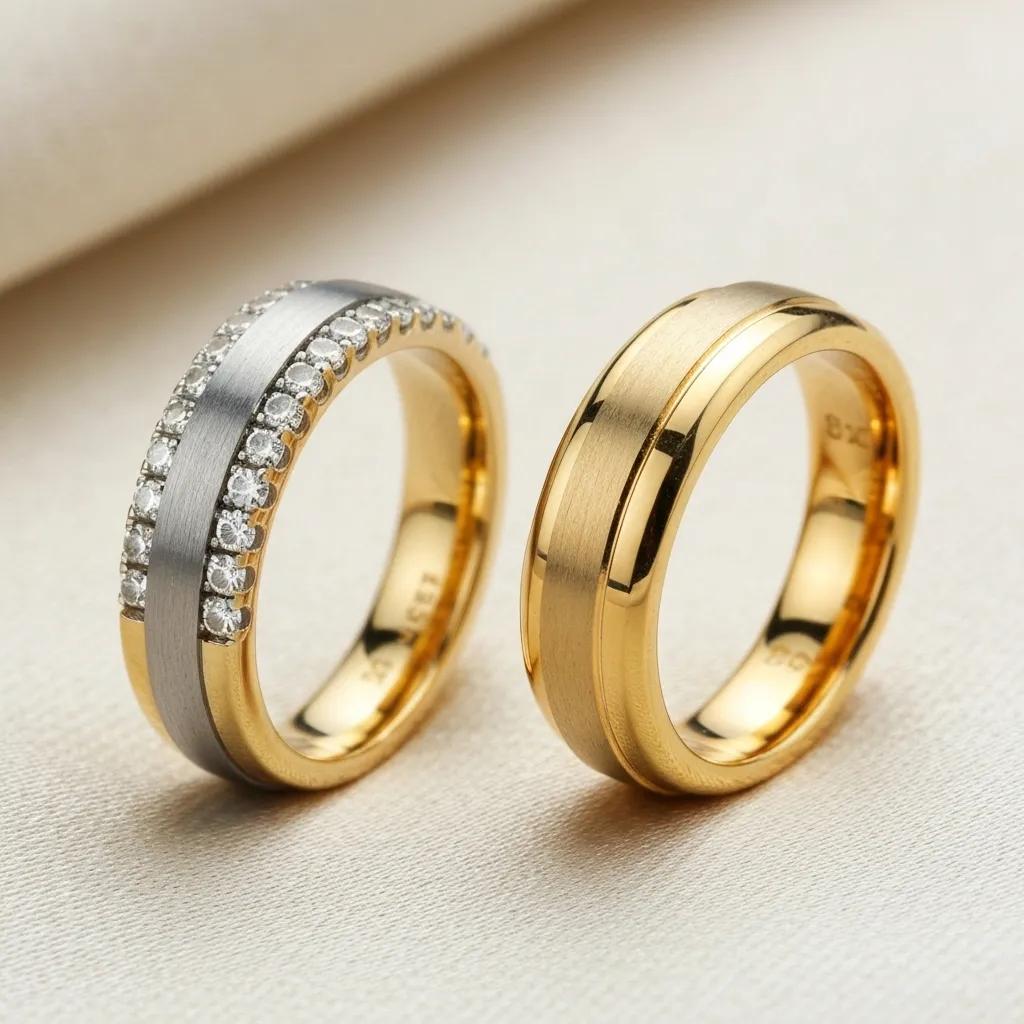
Diamond vs Gold Wedding Bands: Which Lasts Longer? A Complete Durability Comparison
Choosing between diamond and gold wedding bands is not just about sparkle or sheen, it hinges on durability, maintenance and lifelong wear. This guide demystifies durability metrics, compares material strengths and settings, and offers expert care tips so you select a band that endures as long as your commitment. We’ll explore:
- The concept of durability and its key influences
- Gold band longevity by karat and colour
- Diamond hardness and how settings impact lifespan
- A side-by-side of gold, diamonds and alternative metals
- Practical care routines and lifestyle adjustments
- Decision factors balancing durability, style and value
- Common wear-and-tear issues and repair strategies
Dive in for an authoritative comparison that ensures your wedding band remains a lasting symbol of love.
What Is Durability and Why Does It Matter for Wedding Bands?
Durability defines a band’s ability to resist scratches, dents, chips and corrosion while maintaining beauty. It matters because a wedding band is worn daily impacting comfort, appearance and sentimental value.
How Is Durability Measured for Wedding Band Materials?
Durability is gauged by hardness (scratch resistance via the Mohs scale), toughness (resistance to chipping or cracking) and malleability (tendency to dent under force).
- Diamond ranks 10 on Mohs, making it impervious to scratches.
- Gold’s Mohs score varies by purity: 10K (~3), 14K (~4), 18K (~3.5).
- Toughness tests reveal how settings and alloys absorb impact.
This measurement framework sets the stage for comparing gold bands to diamond-set rings.
What Factors Influence the Longevity of Wedding Bands?

Three core factors shape lifespan:
- Wear patterns—daily activities that introduce abrasion or impact.
- Maintenance habits—cleaning frequency, polishing, refinishing.
- Lifestyle choices—contact sports or manual work accelerate wear.
Understanding these influences guides both material selection and care routine planning.
How Durable Are Gold Wedding Bands? Karat and Colour Differences Explained
Which Gold Karat Offers the Best Balance of Strength and Purity?
14K gold achieves optimal resilience and traditional gold tone. It comprises 58.3% pure gold and alloys like copper and silver, delivering solid scratch resistance without excessive softness or brittleness.
14K gold’s enhanced hardness makes everyday wear safer while preserving luminous warmth.
How Do Yellow, White, and Rose Gold Differ in Durability and Maintenance?
- Yellow gold resists tarnish naturally and requires minimal upkeep.
- White gold often needs rhodium re-plating every 1–2 years to maintain lustre.
- Rose gold’s copper alloy boosts strength but can deepen patina over time.
These variations inform maintenance schedules without drastically altering base durability.
What Maintenance Does Gold Require to Maximise Longevity?
- Use warm soapy water and a soft brush weekly.
- Buff with a jewellery cloth each month to reduce fine scratches.
- Schedule a rhodium re-plating session for white gold or a polish for yellow/rose gold every 1–3 years.
Regular maintenance extends wear-resistance and preserves the band’s original brilliance.
How Durable Are Diamond Wedding Bands? Stone and Setting Longevity Explored
Why Are Diamonds Considered the Hardest Material for Wedding Bands?
Diamonds achieve a perfect 10 on the Mohs scale, meaning no other gemstone or metal can scratch them. Their rigid carbon lattice prevents surface abrasions, ensuring long-term sparkle retention.
This hardness advantage anchors diamond bands as premium durability choices provided the setting safeguards the stone.
How Do Different Diamond Settings Affect Band Durability?
- Prong: maximizes light but leaves edges vulnerable to snagging.
- Bezel: encircles the stone fully, offering superior chip protection.
- Pave: holds numerous small diamonds close together, requiring regular inspection to prevent loss.
- Channel: secures diamonds within metal grooves for balanced security and shine.
Choosing the right setting aligns visual style with practical durability needs.
Are Lab-Grown Diamonds as Durable as Natural Diamonds?
Lab-grown diamonds share identical chemical and physical properties with mined diamonds, including hardness (Mohs 10) and toughness. Advanced production methods ensure consistent crystal structure, providing the same scratch resistance and longevity.
This equivalence makes lab-grown stones equally enduring, often at better value.
Which Wedding Band Metal Lasts Longest? Comparing Gold, Diamond, and Alternative Metals
Assessing longevity across materials reveals trade-offs in strength, weight and maintenance.
How Does Platinum Compare to Gold and Diamond in Durability?
Platinum’s dense molecular structure displaces scratches instead of shedding metal, forming a patina that can be polished back to brilliance. Its hypoallergenic purity (95% platinum) and weight convey luxury with lasting resilience.
This displacement characteristic often outperforms gold’s wear profile, though it lacks diamond’s scratch imperviousness.
What Are the Durability Benefits of Alternative Metals Like Titanium and Tungsten?
- Tungsten resists abrasion almost entirely but can crack under extreme force.
- Titanium balances high tensile strength with low weight, remaining dent-resistant.
Both metals require little routine care and suit active lifestyles.
How Do Maintenance Requirements Vary Across Different Wedding Band Metals?
- Platinum: polish patina every 2–3 years.
- Tungsten/Titanium: simple wipe with a soft cloth.
- Gold: monthly cleaning, periodic polishing or re-plating.
- Diamond Settings: regular prong/bezel checks to secure stones.
Matching upkeep capabilities to personal routines ensures sustained durability.
How Can You Maximise the Longevity of Your Diamond or Gold Wedding Band?
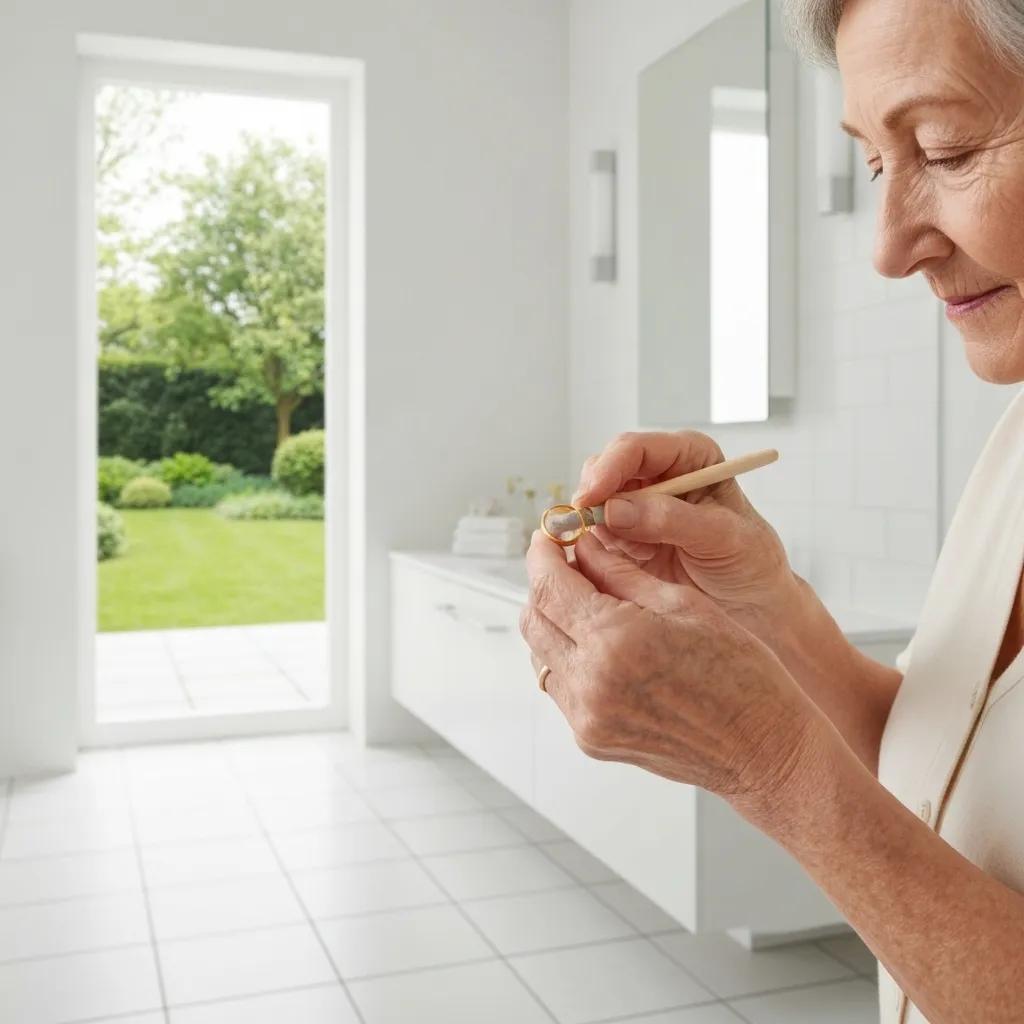
What Daily Cleaning Tips Help Preserve Wedding Band Durability?
- Soak in warm water with mild detergent for 10 minutes.
- Brush with a soft-bristle toothbrush, focusing on crevices.
- Rinse thoroughly and pat dry with a lint-free cloth.
Routine cleaning prevents grit-driven abrasions that accumulate over time.
When Should You Seek Professional Maintenance and Inspection?
Schedule professional evaluations annually or when you notice:
- Loose stones or wobbling settings.
- Significant surface scratches or dents.
- White gold losing rhodium finish.
Proactive inspections and expert polishing forestall damage escalation.
How Does Lifestyle Affect Wear and Tear on Wedding Bands?
Daily activities, from gym equipment to gardening tools, introduce force and abrasion. Removing your band during high-impact tasks, or swapping for a simpler ring, prevents concentrated stress points and preserves structural integrity.
By aligning material choice with lifestyle demands and care discipline, your ring will endure both wear and the passing years.
How to Choose Between Diamond and Gold Wedding Bands Based on Durability and Style?
What Are the Key Durability Trade-Offs Between Diamond and Gold Bands?
- Diamond delivers unmatched scratch resistance but depends on a secure setting for protection.
- Gold offers malleable resilience yet can scratch or dent more easily.
- Platinum and alternative metals bridge gaps between these extremes.
Assess whether metal toughness or stone hardness aligns better with your daily routine.
How Do Cost and Maintenance Influence Your Wedding Band Choice?
- Budget: 14K gold and lab-grown diamonds offer cost-effective durability.
- Upkeep: metals like tungsten need minimal care; white gold demands rhodium replating.
- Value Retention: platinum holds value but costs more upfront.
Consider both price and lifelong maintenance investments to find your optimal match.
Which Wedding Band Style Best Matches Your Lifestyle and Longevity Needs?
- Active lifestyle → tungsten or titanium for scratch resistance.
- Formal elegance → platinum or bezel-set diamonds for enduring shine.
- Classic traditions → 14K gold with pave diamonds for balanced wear and sparkle.
Align style choices with daily demands for a ring that complements both taste and durability.
What Are Common Wear and Tear Issues for Diamond and Gold Wedding Bands?
How Do Scratches, Dents, and Tarnishing Affect Gold Bands?
Gold bands accumulate surface scratches that dull finish and tiny dents that warp shape. Over time, white gold alloys may tarnish beneath worn rhodium plating, requiring refinishing to restore lustre.
These wear patterns can be reversed with professional polishing or replating.
What Are the Risks of Stone Loss or Damage in Diamond Bands?
Exposed prongs or channel edges can snag fabrics, bending prongs and loosening stones. Chipping may occur if the diamond’s girdle strikes a hard surface without protective setting.
Regular prong inspections and choosing low-profile settings reduce these risks.
How Can You Prevent and Repair Wear and Tear on Your Wedding Band?
- Remove rings during heavy manual work.
- Store in fabric-lined cases when not worn.
- Address minor scratches with at-home polishing cloths.
- Entrust significant dents and loose stones to professional jewellers.
Your wedding band signifies eternal commitment, and choosing the right material combined with thoughtful care ensures it stands the test of time—just like your love.


