
Modern White Gold Engagement Rings: Your Ultimate Guide to Style and Selection
Introduction
Discover the enduring allure of white gold engagement rings, a perfect fusion of sophisticated shine and everyday resilience. Crafted from an alloy of gold and white metals, and finished with a rhodium plating, white gold offers a luminous, silvery hue that beautifully enhances diamond sparkle while providing exceptional durability for daily wear. This comprehensive guide will demystify white gold, exploring how its alloy composition and karat purity influence its appearance, and the crucial role of rhodium plating. We’ll compare it with platinum and yellow gold, delve into trending styles like solitaire, halo, pavé, and minimalist designs, and offer expert insights on selecting ethically sourced, stunning diamonds or gemstones. Plus, find practical buying advice, care tips, and ethical considerations tailored for the Australian market, ensuring you find the perfect white gold engagement ring.
What Exactly Is White Gold, and How Does It Enhance Engagement Rings?
White gold is a captivating alloy, created by blending pure gold with white metals and then coating it with rhodium for a brilliant, silvery finish that amplifies the sparkle of any diamond. This alloying process not only strengthens the gold but also makes it more resistant to scratches than traditional yellow gold. The rhodium plating further boosts surface hardness and its signature bright white appearance. Understanding the nuances of white gold‘s composition, plating, and karat variations is key to appreciating how these elements affect its price, subtle colour tones, and long-term care, setting the foundation for a deeper dive into its characteristics.
Unpacking White Gold: Its Composition and Karat Variations
At its heart, white gold is pure gold mixed with other metals like palladium, silver, or nickel, finished with a rhodium plating for that desirable bright white surface. The karat (K) rating tells you the gold content: 14K signifies 58.3% pure gold, while 18K contains 75% pure gold. An 18K white gold ring offers a richer gold presence and a slightly warmer tone, though it’s a touch softer. Conversely, 14K white gold is harder and more resistant to scratches, making it an excellent choice for active lifestyles. This balance between gold purity and metal durability is a crucial factor when selecting your ring.
This comparison highlights how your choice of karat impacts both the ring’s resilience and its visual warmth, before we explore durability and appearance in more detail.
White GoldAlloys: Cost, Durability, and Working PropertiesThese frequently involve the cost, durability, and working properties of the metals. … We knew that 18-carat white gold destroys cold-forging dies unless it is annealed frequently. 14-carat white gold …A Comparison of Nickel White Gold, Palladium White Gold, 950 Platinum/Ruthenium and 950 Palladium In the Manufacture of Findings, Unknown Author, 2011
Comparing 14K and 18K White Gold: Durability Meets Aesthetics
With its higher proportion of alloy metals, 14K white gold boasts superior durability, offering enhanced resistance to scratches and a more budget-friendly option for daily wear. In contrast, 18K white gold provides a more pronounced gold character and a subtle, warm undertone, appealing to those who value purity and a richer lustre above maximum hardness. Both 14K and 18K white gold benefit immensely from rhodium plating, which effectively masks any underlying yellow tones from the alloys and creates a uniform, brilliant white surface that makes diamonds truly shine.
The Indispensable Role of Rhodium Plating for White Gold Rings
Rhodium plating is a crucial, thin electroplated layer applied to white gold. It’s essential for achieving that sought-after bright white appearance, significantly improving surface hardness and providing excellent resistance to scratches and tarnishing.
- It acts as a shield, preventing the underlying alloy metals from showing through as yellow or grey tones.
- It enhances the surface’s resistance to scratches and boosts its reflectivity.
- It creates a smooth, non-porous finish, making the ring easier to clean and maintain.
To keep your white gold ring looking its best, this plating typically needs to be renewed every 12 to 36 months, ensuring its continued brilliance and protection. This leads us naturally to comparing white gold with other popular metals.
RhodiumPlating for the Enhancement ofWhite GoldAppearanceWhite gold is frequently plated with a thin layer of rhodium to improve its appearance, whilst sterling silver is often rhodium-plated to… Rhodium plating, achieved through either electroplating or evaporation, is…Rhodium is a chemical element; it has symbol Rh and atomic number 45. It is a very rare, silvery-white, hard, corrosion-resistant transition metal. It is a noble metal and …, Unknown Author, Unknown
White Gold vs. Platinum vs. Yellow Gold: A Comparative Look
White gold, platinum, and yellow gold each bring distinct advantages to engagement rings. Here’s a quick comparison of their key characteristics:
While platinum offers unparalleled density and a naturally white hue, white gold provides a lighter feel and a more accessible price point. Yellow gold remains a beloved choice for its timeless warmth. Understanding these differences will help you navigate your options as we explore the most sought-after engagement ring styles.
Discover the Hottest Modern White Gold Engagement Ring Styles
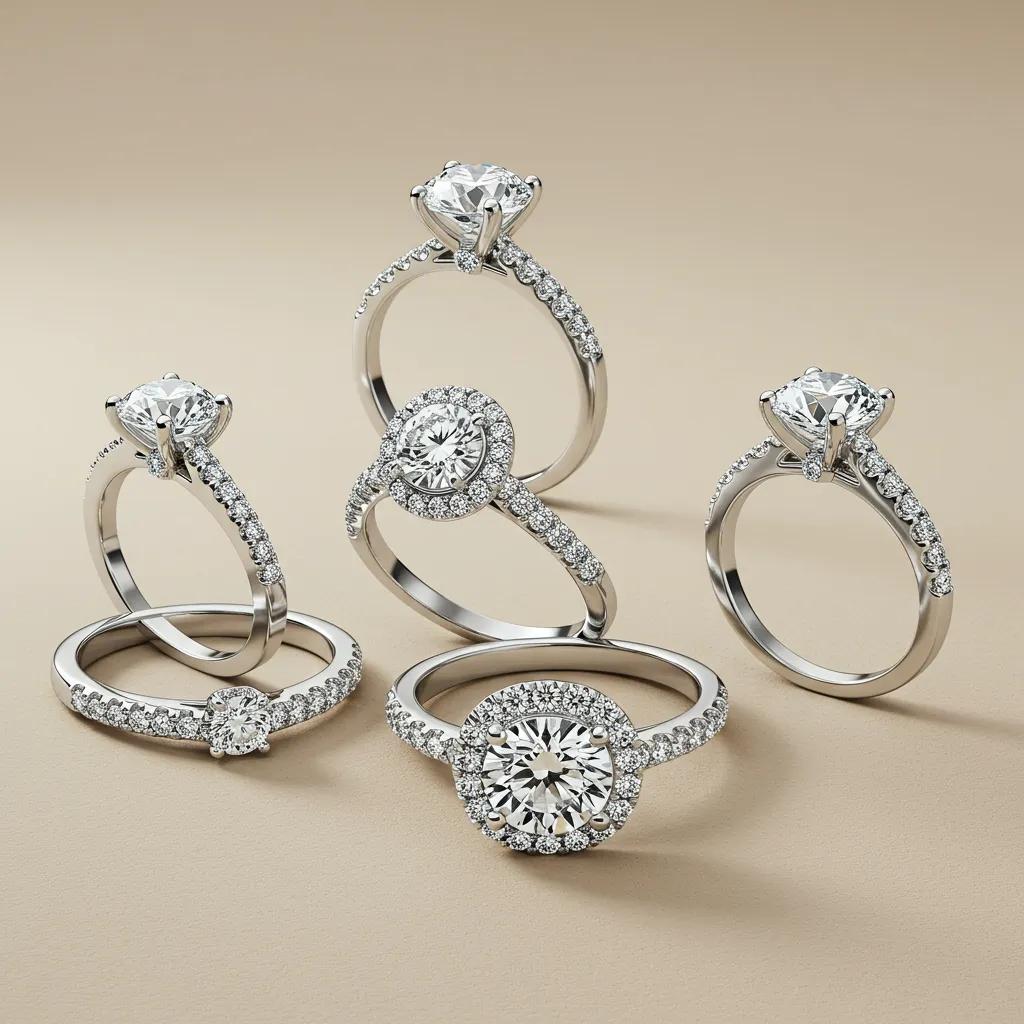
Today’s modern white gold engagement rings beautifully blend classic elegance with fresh, innovative details to suit every personality. Popular choices include the ever-timeless solitaire, dazzling halo and hidden halo settings designed to maximise brilliance, intricate pavé and side-stone arrangements for extra sparkle, and understated minimalist or deeply personal custom designs. Familiarising yourself with these trends will empower you to choose a ring that perfectly balances contemporary style with enduring significance.
The Essence of a Modern Solitaire White Gold Engagement Ring
A modern solitaire white gold ring is defined by its single, captivating centre stone, often a perfectly cut round brilliant or elegant oval diamond, mounted on a clean, unadorned band. This design masterfully highlights the diamond’s clarity and cut, with the white gold band serving to enhance its perceived brightness. Contemporary twists might include sleek tension settings or low-profile bezels, offering comfort and a modern edge without compromising the solitaire’s pure, focused beauty.
How Halo and Hidden Halo Settings Elevate White Gold Rings
Halo and hidden halo settings are brilliant ways to amplify the impact of your centre stone, encircling it with a constellation of smaller accent diamonds.
- In a classic halo design, a visible circle of tiny, pavé-set diamonds surrounds the main gem, dramatically increasing its sparkle and perceived size.
- A hidden halo tucks these accent diamonds beneath the centre stone’s setting, offering a secret flash of brilliance and subtle visual lift.
Both styles maximise light reflection, creating a look of modern luxury that perfectly complements the cool, reflective nature of white gold.
Exploring Pavé and Side Stone Settings in White Gold Rings
Pavé and side stone settings add layers of sparkle by incorporating smaller diamonds along the band, creating a continuous shimmer that complements the main stone. Pavé settings feature micro-diamonds meticulously set close together, held by tiny beads of metal. Side stone rings showcase larger accent gems, such as elegant baguette or classic round cuts, flanking the central diamond. These designs significantly boost the ring’s overall radiance and introduce captivating textural contrasts that highlight white gold‘s polished finish, leading us to the appeal of minimalist and custom creations.
The Growing Appeal of Minimalist and Custom White Gold Engagement Rings
Minimalist rings focus on clean lines, refined silhouettes, and often feature low-profile settings or secure bezels, allowing the beauty of the materials and the craftsmanship to take centre stage. Custom designs offer an even more personal touch, allowing for the incorporation of unique motifs, mixed metal elements, or vibrant coloured gemstones to tell a truly individual story. This trend reflects a desire for meaningful, one-of-a-kind pieces that stand out from the ordinary, naturally leading us to the exciting world of gemstone selection.
Selecting the Perfect Diamond or Gemstone for Your White Gold Ring
Choosing the ideal diamond or gemstone involves considering the classic ‘4 Cs’: cut, carat, clarity, and colour, alongside ethical sourcing and your budget. White gold‘s versatile, neutral tone provides a stunning backdrop for a wide array of diamond shapes and gemstone colours, from traditional round brilliants to vibrant sapphires or deep emeralds. By balancing your aesthetic desires with recognised certification standards, you can ensure a stone that harmonises beautifully with your chosen metal and reflects your personal values.
Which Diamond Shapes Best Complement White Gold Engagement Rings?
- Round Brilliant: Renowned for maximising light performance and universal appeal.
- Oval: Offers an elegant, elongated look that can make fingers appear slimmer.
- Princess: Provides a sharp, modern square silhouette with brilliant sparkle.
- Emerald: Delivers sophisticated, geometric elegance with its step-cut facets.
- Cushion: Combines softly rounded corners with a vintage, romantic charm.
Each diamond shape interacts uniquely with white gold, influencing its perceived size, brilliance, and overall aesthetic.
Lab-Grown vs. Natural Diamonds: What’s Best for Your White Gold Ring?
Lab-grown diamonds offer the same physical, chemical, and optical properties as natural diamonds but come with significant advantages: they are typically more affordable, allowing for a larger or higher-quality stone within the same budget, and they are sourced with greater transparency and a reduced environmental footprint. Natural diamonds, on the other hand, carry a traditional sense of prestige and established resale value. Understanding these distinctions is key to making a choice that aligns with your priorities, whether they be budget flexibility, ethical considerations, or long-term investment value.
The Crucial Importance of Ethical Sourcing for White Gold Engagement Rings
Ethical sourcing guarantees that both the diamonds and the metals used in your ring have been obtained and processed under stringent fair labour and environmental standards. Look for conflict-free certifications, options for recycled gold, and transparent supply chains to build confidence and trust. Prioritising ethically sourced materials not only enhances the ring’s positive impact but also deepens its sentimental value, paving the way for exploring vibrant gemstone alternatives.
Adding a Splash of Colour: Gemstones in White Gold Engagement Rings
Absolutely! Gemstones like sapphires, emeralds, and morganite can introduce stunning, vibrant hues that create a beautiful contrast with white gold, offering a truly unique style statement. Sapphires bring a regal depth of blue, emeralds offer a lush, vibrant green, and morganite provides a delicate, soft blush pink. These colourful gems can be used as the main focal point or as dazzling accent stones, expanding your design possibilities far beyond the traditional diamond solitaire.
Essential Buying and Care Tips for Your White Gold Engagement Ring
When you’re ready to purchase a white gold engagement ring, consider your budget, preferred style, and the importance of certification. Following this, understanding proper care, especially regarding rhodium replating and gentle cleaning, is vital for maintaining its beauty for a lifetime. Being aware of typical price points in Australia, effective home care techniques, and factors influencing longevity will ensure your ring remains a cherished treasure for years to come.
Understanding White Gold Engagement Ring Prices in Australia
In Australia, white gold engagement rings generally range from AUD 2,000 to AUD 12,000. This price is influenced by the diamond’s size, quality, and the ring’s design complexity. For instance, a 0.5-carat 14K white gold solitaire might start around AUD 2,500, while intricate 18K designs featuring larger, premium stones could easily surpass AUD 10,000. Knowing this spectrum helps you set a realistic budget that aligns with your dream ring.
How to Keep Your White Gold Engagement Ring Sparkling: Cleaning and Care
Regular at-home care is simple yet effective:
- Gently soak your ring in a solution of mild soap and warm water.
- Use a soft-bristle brush to carefully clean away any accumulated dirt or residue.
- Rinse thoroughly under running water and pat dry with a soft, lint-free cloth.
These steps help preserve the rhodium plating and the brilliance of your diamonds, complementing periodic professional inspections and replating.
When Does a White Gold Ring Need Rhodium Replating?
White gold engagement rings typically require rhodium replating every 12 to 36 months. This frequency depends on how often you wear the ring and your personal preference for its bright white tone. Daily wear, contact with moisturisers, or exposure to certain chemicals can accelerate the wear of the plating, indicating it’s time for a professional refresh to restore its original lustre and protective qualities.
RhodiumPlating Solutions: Operation and MaintenanceThe paper discusses the operation of rhodium plating solutions, with particular reference to sulphate baths. Details are provided concerning operating conditions and maintenance procedures.Rhodium Plating and its Modern Applications, Unknown Author, 1952
Factors Affecting the Durability and Lifespan of White Gold Engagement Rings
Keeping these factors in mind will guide your selection and care routine, ensuring your ring remains beautiful for a lifetime.
Key Considerations for Purchasing Ethical White Gold Engagement Rings
Ethical engagement rings represent a commitment to responsible sourcing and exceptional craftsmanship, prioritising options like lab-grown diamonds, recycled metals, and verified certifications. For Australian buyers, this often means seeking traceability, supporting local refiners, and ensuring a ring that truly aligns with both personal values and superior quality standards.
How to Confirm the Ethical Sourcing of Diamonds and Metals
- Always request conflict-free diamond certification from reputable bodies like GIA or IGI.
- Verify documentation for recycled gold or Fairmined certified metals.
- Ask to review supply chain transparency reports from the jeweller.
- Inquire about their partnerships with responsible refineries.
Implementing these checks ensures your purchase meets the highest ethical standards before you finalise your decision.
Why Lab-Grown Diamonds Are a Sustainable Choice for White Gold Rings
Lab-grown diamonds significantly reduce the environmental impact associated with traditional mining, requiring less land disturbance and energy. Their traceable production process eliminates concerns about conflict financing, making them a highly sustainable and cost-effective option for modern, ethically conscious buyers who desire both beauty and responsibility.
The Influence of Australian Market Preferences on Ethical Jewellery
Australian consumers increasingly favour local craftsmanship, support for domestic refineries, and a reduced carbon footprint. Jewellery designers are responding by incorporating recycled metals sourced within Australia and partnering with regional laboratories for diamond certification, reflecting a national commitment to sustainability and community investment.
How Modern White Gold Engagement Rings Express Personal Style and Trends
Expressing personal style through ring design means embracing current trends, like mixed-metal accents, sculptural bands, and subtle hidden details, while staying true to timeless principles of balance and proportion. White gold‘s inherent versatility allows for the seamless integration of these elements, enabling the creation of bespoke pieces that truly resonate with individual aesthetics.
Customisation Options for Your White Gold Engagement Ring
- Intricate hand-engraved band motifs or personal initials.
- Elegant mixed-metal inlays, such as rose or yellow gold accents.
- Unique side stones like vibrant tanzanite or deep spinel.
- Innovative setting styles, such as striking tension mounts.
How Australian Trends Shape Modern White Gold Ring Designs
Australian designers often infuse minimalist aesthetics with organic textures inspired by the nation’s unique coastal and outback landscapes. Contemporary collections frequently feature sand-blasted finishes, bezel clusters reminiscent of native flora, and locally sourced gemstones, forging a distinct regional style that beautifully balances global trends with homegrown creativity.
Standout Modern Design Elements for White Gold Rings
- Asymmetrical band profiles that offer a unique visual dynamic.
- Hidden side-stone galleries that reveal unexpected flashes of sparkle.
- Intricate openwork or sculptural frameworks that create lightweight elegance.
These innovative touches enhance white gold‘s natural shine and invite admiration for the exceptional craftsmanship.
Frequently Asked Questions About White Gold Engagement Rings
Exploring common questions about white gold rings helps clarify practical considerations and refine maintenance routines. Addressing these points builds confidence in your metal choice and empowers you to make an informed decision, offering clear answers without the formality of a traditional FAQ.
How Does White Gold‘s Durability Stack Up Against Other Metals?
Thanks to its alloy composition and protective rhodium coating, white gold offers excellent resistance to scratches and bending, positioning its durability between that of yellow gold and platinum. While platinum is denser, white gold strikes an ideal balance of hardness and weight for comfortable daily wear, provided it receives regular replating.
How Can I Clean My White Gold Engagement Ring at Home?
For home cleaning, simply soak your ring in a solution of mild dish soap and warm water for about 15 minutes. Gently use a dedicated soft-bristle brush to clean any crevices, rinse thoroughly under warm water, and then pat it dry with a soft, lint-free cloth. Consistent, gentle care is key to preserving the plating and diamond sparkle.
What Distinguishes White Gold from Platinum Engagement Rings?
White gold achieves its bright white appearance through rhodium plating, a surface treatment, whereas platinum is naturally white and requires no such coating. Platinum‘s superior density results in a heavier feel and a higher price point, while white gold offers a lighter wear experience and greater affordability, delivering a comparable visual impact once plated.
How Often Should White Gold Rings Be Replated?
Rhodium replating for white gold rings is generally recommended every 12 to 36 months. This timeframe can vary based on individual wear patterns and exposure to environmental factors. Regularly observing the metal’s tone can signal when professional maintenance is needed to restore its optimal whiteness.
What Are the Advantages and Disadvantages of White Gold Engagement Rings?
Understanding these trade-offs helps you make a choice that perfectly aligns with your aesthetic preferences, lifestyle, and long-term expectations for care.
This guide, inspired by the spirit of exploration and informed choice, empowers you to delve deeper into ethical sourcing and trend-driven customisation, culminating in a confident, well-informed decision for your perfect engagement ring.


