
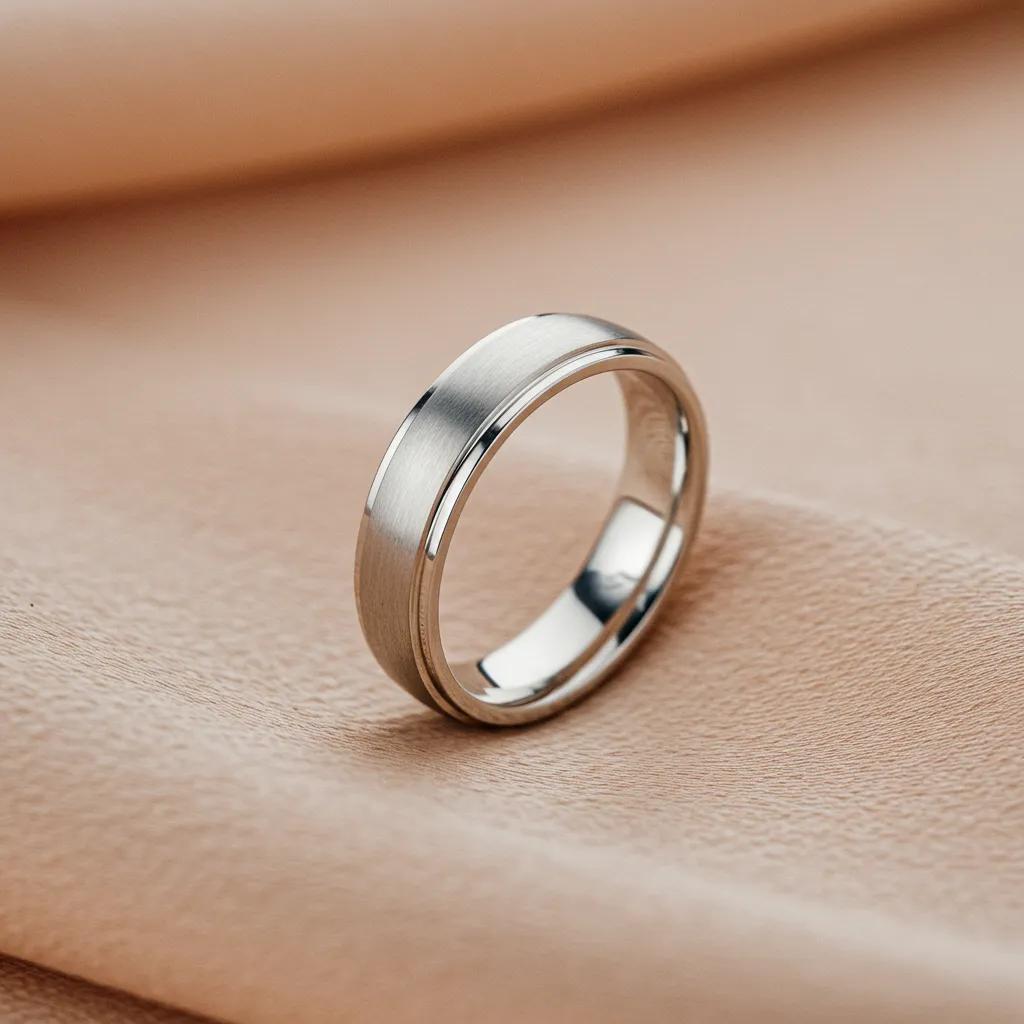
Modern White Gold Wedding Bands in Australia: Your Complete Guide to Styles, Care, and Buying
Modern white gold wedding bands blend refined craftsmanship, enduring shine, and contemporary aesthetics for couples seeking timeless elegance. This guide covers everything you need to know: from the science behind white gold alloys to rhodium plating essentials, trending styles, buying considerations, and proper care. Discover how 14K and 18K compositions influence durability, why rhodium replating is crucial, which minimalist or diamond-set designs are popular in 2025, and how to pair your band with an engagement ring. We’ll also compare white gold to platinum, explore ethical sourcing practices, and highlight ADC’s bespoke services and quality assurance. By the end, you’ll be equipped to select a modern white gold wedding band that suits your style, budget, and values, ensuring a perfect symbol of your commitment.
What Is White Gold? Composition, Karats, and Key Properties Explained
White gold is an alloy of yellow gold mixed with white metals to achieve a silvery hue, then plated with rhodium to enhance lustre, durability, and hypoallergenic properties. This alloy offers the brilliance of platinum at a more accessible price point and adapts seamlessly to modern wedding band designs. Understanding its composition and karat variations lays the foundation for informed choices in purity, wear resistance, and price.
What metals make up white gold and how does rhodium plating enhance it?
White gold typically combines pure gold with palladium, nickel, silver, or zinc to achieve a paler colour and improved hardness. This alloying process increases scratch resistance and structural stability for everyday wear. Applying a thin layer of rhodium, a platinum-group metal, enhances whiteness, reflects light more brightly, and acts as a protective barrier against corrosion and surface wear. Over time, this plating layer diminishes, but proper maintenance restores the original brilliance, ensuring long-term radiance.
How do 14K and 18K white gold differ in purity and durability?
14K white gold contains approximately 58.3 percent pure gold and 41.7 percent alloy metals, while 18K holds 75 percent gold and 25 percent alloys. Higher gold content in 18K yields richer colour, greater hypoallergenic potential, and slightly softer alloy properties that may scratch more easily. Conversely, 14K’s increased alloy content enhances hardness and affordability. Choosing between them involves a balance of budget, wear patterns, and desired sheen.
Durability of 14K versus 18KWhite Goldin Jewellery ManufacturingWe were aware that 18K white gold destroys cold-forging dies unless it is annealed frequently. 14K white gold …A Comparison of Nickel White Gold, Palladium White Gold, 950 Platinum/Ruthenium and 950 Palladium In the Manufacture of Findings, Unknown Author, 2011
This comparison clarifies why many couples opt for 14K white gold for active lifestyles, while 18K appeals to those seeking richer colour and finer luxury.
Is white gold hypoallergenic and suitable for sensitive skin?
White gold’s hypoallergenic quality depends on its alloy composition and rhodium plating. Nickel-free blends using palladium or silver reduce the risk of metal irritation, and a thick rhodium coat acts as a barrier against skin contact with potential allergens. Individuals with sensitive skin often find properly plated white gold comfortable for daily wear. Regular inspection and replating ensure the protective layer remains intact, preserving skin compatibility.
How does white gold compare to platinum in appearance and value?
White gold emulates platinum’s bright white appearance but at a lower cost and weight. Platinum is denser, heavier on the finger, naturally white without plating, and highly durable, though significantly more expensive. White gold requires periodic rhodium replating to maintain its finish, whereas platinum develops a patina that many find appealing. For budget-savvy buyers seeking a lighter ring, white gold offers a compelling alternative without sacrificing modern elegance.
Why Is Rhodium Plating Essential for White Gold Wedding Rings?
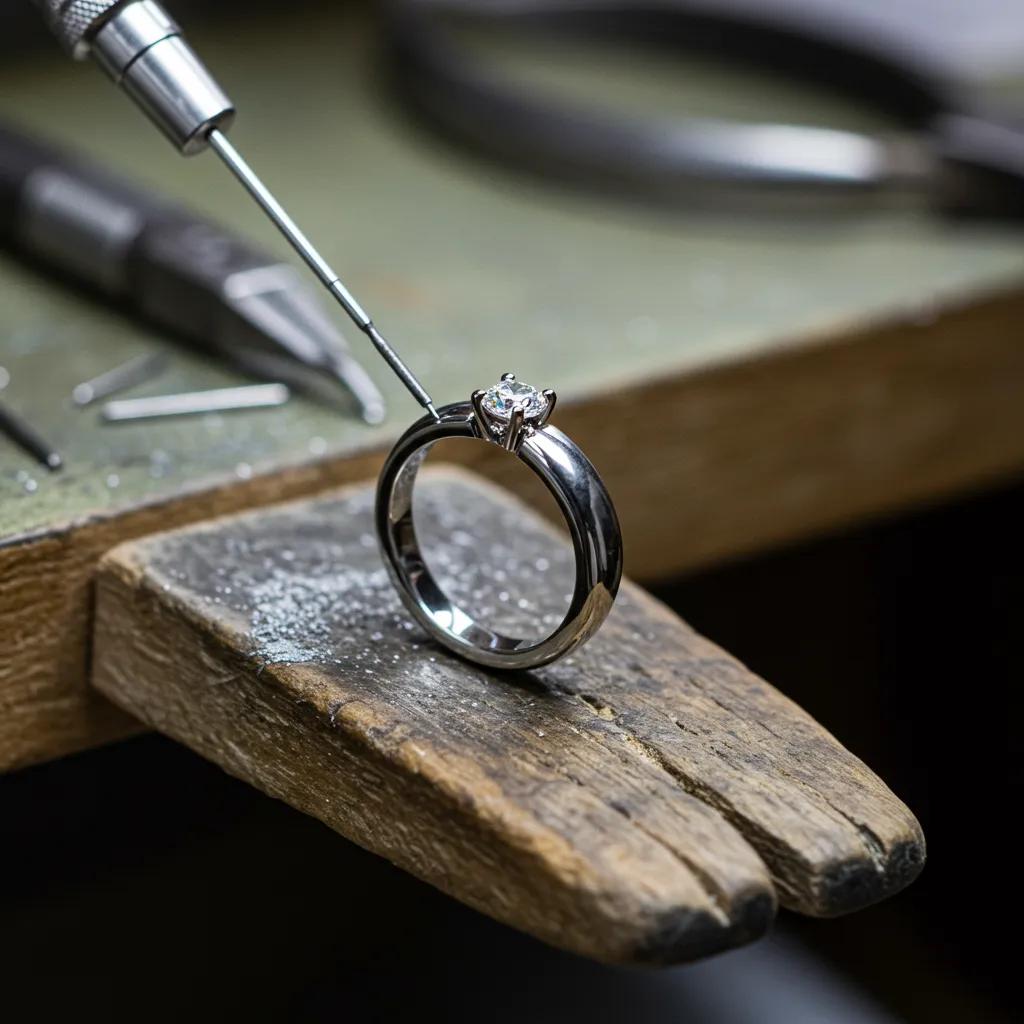
Rhodium plating is an electrochemical process that deposits a thin, reflective layer of rhodium onto white gold, significantly enhancing colour, shine, and surface toughness. This protective coat resists scratches, tarnish, and skin allergies by shielding the underlying alloy from moisture and oils. Understanding plating benefits and maintenance schedules prevents dulling and prolongs the pristine finish of your wedding band.
What is rhodium plating and how does it improve white gold’s shine and durability?
Rhodium plating applies a microscopically thin layer of rhodium metal through an electroplating bath, bonding tightly to the white gold surface. This layer amplifies reflectivity for a brilliant white glow and forms a hard barrier that resists everyday scratches and abrasion. The plating also prevents direct contact between skin and potential allergens in the alloy, enhancing comfort and longevity for daily wear.
How often should you replate white gold rings to maintain their finish?
White gold wedding bands typically require replating every 12 to 18 months, depending on wear patterns, exposure to chemicals, and personal activity levels. High-contact wearers may notice fading or slight yellowing sooner, prompting replating at annual intervals. Regular checks by a professional jeweller help determine the optimal timing, ensuring your ring retains its original brilliance without unnecessary maintenance.
What is the typical cost of rhodium plating in Australia?
Rhodium replating services in Australia generally range from AUD 80 to AUD 150 per band, influenced by ring complexity, jeweller expertise, and service turnaround. Simple, narrow bands incur lower fees, while wider or heavily textured rings may require additional preparation, leading to slightly higher costs. Investing in professional plating guarantees quality adhesion and a uniform finish.
What factors affect the longevity of rhodium plating on wedding bands?
The lifespan of rhodium plating depends on alloy composition, ring width, daily wear habits, and exposure to chemicals such as chlorine or cosmetics. Softer alloys and narrow profiles may wear more quickly, while robust cleaning routines and gentle hand protection extend plating life. Avoiding abrasive cleaners and storing your ring in a soft pouch when not worn further preserves the rhodium barrier.
What Are the Most Popular Modern White Gold Wedding Band Styles?
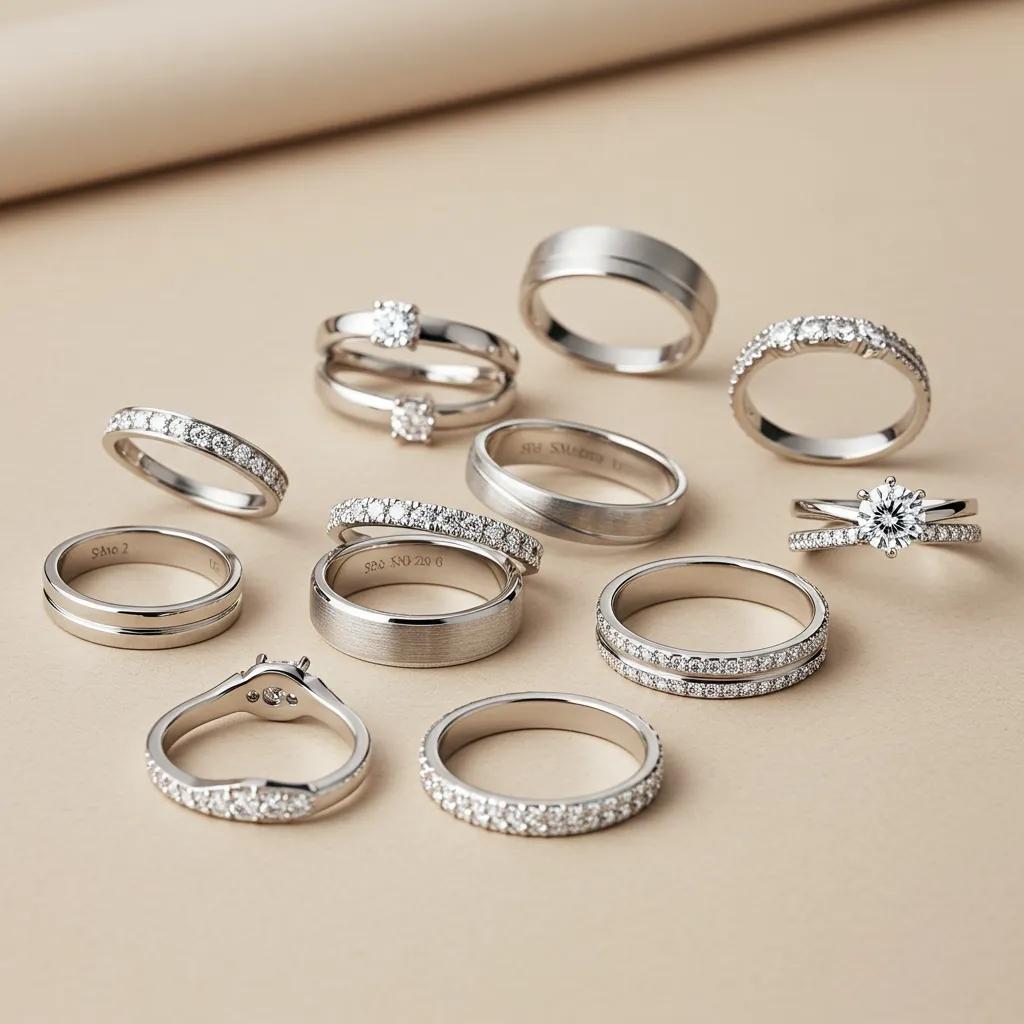
Contemporary white gold bands range from minimalist silhouettes to diamond-accented designs, catering to diverse tastes and lifestyles. Exploring prevailing trends helps couples identify a style that reflects personal values, from understated elegance to bold statements.
What defines minimalist and sleek modern white gold wedding bands?
Minimalist white gold bands feature clean lines, flat or slightly domed profiles, and subtle polish options that emphasise form over embellishment. These rings often measure 2.5 to 4 millimetres in width, offering a balanced presence without distraction. The absence of stones or textures underscores timeless simplicity and everyday wearability, making minimalist bands a perennial favourite for modern couples.
How do diamond-set white gold bands differ: pave, channel, and eternity settings?
Diamond-set bands integrate gemstones in three popular methods:
- Pavé Setting – Small diamonds set closely along a thin track, creating continuous sparkle.
- Channel Setting – Stones sit in a grooved channel, secured by metal walls for a sleek, flush finish.
- Eternity Setting – Diamonds encircle the entire band, symbolising unbroken commitment.
Each approach balances brilliance with durability: pavé dazzles brightly, channel offers protection, and eternity maximises light reflection around the ring.
What textured finishes are trending: hammered, brushed, and satin?
- Hammered surfaces feature irregular indentations that catch light dynamically.
- Brushed finishes showcase fine, parallel lines for subtle matte appeal.
- Satin coatings blend smoothness with low sheen, creating a refined, contemporary look.
These textures enhance scratch concealment and infuse bespoke artistry into every piece, appealing to those seeking unique modernity.
What mixed metal and two-tone white gold wedding band options?
Two-tone rings marry white gold with yellow or rose gold accents, achieving visual contrast and personalisation. Common designs include inlaid coloured stripes, beveled edges, or flipped metal layers that reveal alternate hues at different angles. This interplay of metals accentuates modern geometry and allows couples to incorporate heirloom elements or complementary jewellery seamlessly.
What styles are popular for men’s versus women’s modern white gold wedding bands?
Men’s modern bands often favour wider profiles (5 to 8 millimetres), matte or brushed surfaces, and subtle inlays for a masculine aesthetic. Diamond accents or micro-etched patterns add contemporary flair without compromising robustness. Women’s bands tend toward slimmer widths (2 to 4 millimetres), high-polish finishes, and refined settings, such as micro-pavé or milgrain, for elegant sparkle. These gender-inspired variations ensure each partner finds a style that resonates with personal expression.
How to Choose the Right White Gold Wedding Band: Buying Guide and Considerations
Selecting the perfect white gold wedding band involves assessing karat purity, engagement ring pairing, customisation options, ethical sourcing, and local pricing trends. A methodical approach ensures you invest in a ring that balances aesthetic appeal, longevity, and values alignment.
How to select the ideal karat for your white gold wedding band?
Choosing between 14K and 18K depends on lifestyle, budget, and colour preference. Fourteen-karat alloys deliver greater scratch resistance and lower price points, ideal for active wearers. Eighteen-karat rings exhibit richer golden undertones, higher gold content, and enhanced hypoallergenic qualities. Consider daily activities, hand-wear patterns, and desired sheen when determining the karat that best matches your priorities.
How to match your white gold wedding band with an engagement ring?
Harmonising your wedding band with an engagement ring involves aligning profile shapes, metal tone, and stone settings. Flat bands pair seamlessly with European-cut engagement silhouettes, while domed profiles complement classic six-prong settings. If the engagement ring features pavé or channel diamonds, echoing those motifs in the wedding band creates a cohesive ensemble. Custom contouring or notches ensure snug stacking without gaps.
What customisation options are available for modern white gold bands?
Bespoke features include engraved textures, mixed-metal inlays, personal date or message inscriptions, and integrated gemstone accents. Couples can choose unique finishes, such as polished bevels or hand-forged hammering, and incorporate symbolic motifs. ADC’s custom studio collaborates on design sketches, material choices, and fitting trials to produce personalised white gold bands that reflect individual stories.
How does pricing vary for white gold wedding bands in Australia?
Australian white gold band prices typically range from AUD 800 for simple 14K designs to over AUD 3,500 for 18K bands with diamonds or bespoke finishes. Price factors include karat purity, gemstone quality, ring width, and custom services. Transparent pricing structures and financing options enable couples to balance budget considerations with desired luxury and craftsmanship.
What ethical sourcing practices should you look for in white gold and diamonds?
Ethical sourcing encompasses recycled or Fairtrade-certified gold, traceable supply chains, and conflict-free diamond guarantees from recognised industry bodies. Seek rings backed by Responsible Jewellery Council accreditation or comparable standards that verify environmental stewardship and worker welfare. ADC prioritises responsible partnerships, ensuring every modern white gold wedding band aligns with sustainable values.
How Durable Are Modern White Gold Wedding Bands and How Should You Care for Them?
Modern white gold alloys deliver strong wear resistance, enhanced by rhodium plating, making them suitable for everyday rings. Proper care routines and professional maintenance preserve finish, prevent abrasion, and extend service life well beyond a lifetime.
What makes white gold durable and suitable for everyday wear?
White gold’s durability arises from its blend of sturdy metals, such as palladium and nickel, and its hardness compared to pure yellow gold. This alloy resists bending and surface impact, standing up to daily tasks. The inherent strength supports intricate settings for diamonds or textures without compromising structural integrity, ensuring a reliable symbol of lifelong commitment.
Quantification of Abrasive Wear on 18 Carat Gold Wedding RingsGold jewellery, particularly rings, is known to undergo continuous abrasion during wear. This phenomenon presents challenges in chemical analyses, as methods sensitive to gold determination, such as Neutron Activation Analysis (NAA), can be compromised by contamination from human fingers. Given that wedding rings are worn more frequently and regularly than any other item of jewellery, quantifying their abrasion is essential. This study quantifies the abrasion of an 18 carat gold wedding ring by weighing it on a weekly basis over a period of one year.Quantification of the abrasive wear of a gold wedding ring, G Steinhauser, 2008
How does rhodium plating contribute to scratch resistance and longevity?
Rhodium plating deposits a hard, reflective shield over the alloy, absorbing minor abrasions that would otherwise mar the white gold beneath. This layer acts as a sacrificial surface, preserving the ring’s pristine sheen. When that coating wears, professional replating renews both appearance and protective function, allowing the core alloy to remain unharmed for decades.
What are the best care practices to maintain your white gold wedding band’s appearance?
Regular gentle cleaning with mild soap, warm water, and a soft brush removes oils and debris that dull shine. Avoid ultrasonic cleaners for heavily plated surfaces and limit exposure to chlorine, harsh detergents, or abrasive materials. Store your ring in a soft pouch when not worn to prevent contact scratches. Periodically inspect for loose stones, plating wear, or structural damage to address issues promptly.
When and why should you consider professional maintenance or replating?
Schedule professional maintenance whenever plating shows signs of thinning: diminished whiteness, slight yellow tint, or surface micro-scratches. A jeweller can repolish, replating, and inspect prongs, ensuring both aesthetic renewal and structural soundness. Routine servicing every 12 to 18 months reinforces durability, protects against alloy corrosion, and maintains the ring’s original modern brilliance.
What Are the Key Differences Between White Gold and Platinum Wedding Rings?
White gold and platinum each offer unique advantages in colour, weight, durability, and cost. Understanding these contrasts clarifies which metal aligns best with personal priorities and budgets.
How do white gold and platinum differ in colour, weight, and price?
White gold presents a bright white tone enhanced by rhodium plating but can reveal warm undertones as plating wears. Platinum retains a natural, silvery-grey hue without plating and develops a soft patina that many find desirable. Platinum’s density makes it 30 percent heavier than white gold, offering a substantial feel. In price, platinum rings typically cost 50 to 70 percent more than comparable white gold bands due to material expense and crafting complexity.
This side-by-side comparison highlights why white gold suits budget-minded buyers, while platinum appeals to those valuing natural metal purity and heft.
Which metal is more durable and hypoallergenic for wedding bands?
Platinum’s density and purity yield exceptional scratch resistance and hypoallergenic properties, as it contains minimal alloys. White gold’s durability depends on alloy choice; nickel-free blends and thick rhodium plating improve scratch resistance and skin compatibility. For sensitive skin, platinum offers a maintenance-free hypoallergenic advantage, whereas white gold relies on consistent plating to maintain similar comfort.
How do maintenance needs differ between white gold and platinum rings?
White gold demands replating every 12 to 18 months to preserve its bright white finish, alongside gentle cleaning and inspection. Platinum requires less frequent upkeep; simple polishing to address surface patina and occasional prong tightening suffices. Over decades, white gold may require metal build-up or rhodium adjustments, whereas platinum’s material integrity remains robust with standard polishing.
Where to Find Modern White Gold Wedding Bands in Australia: ADC’s Collection and Services
ADC offers a curated selection of modern white gold wedding bands, combining ethical sourcing, quality assurance, and custom design services for couples across Australia. Each ring reflects meticulous craftsmanship and transparent pricing, ensuring your symbol of love meets both style aspirations and value expectations.
What modern white gold wedding band styles does ADC offer?
ADC’s collection spans minimalist domed bands, textured hammered finishes, diamond-set pavé and channel designs, full-eternity rings, and two-tone inlays. Couples can choose from 14K or 18K white gold, select preferred widths, and specify custom engraving or gemstone accents. Expert consultants guide selections to match individual tastes and complement engagement settings seamlessly.
How does ADC ensure ethical sourcing and quality assurance?
ADC partners with Responsible Jewellery Council-certified refineries and diamond suppliers to guarantee conflict-free materials and fair-trade practices. Every white gold alloy and gemstone undergoes rigorous quality checks for structural integrity, colour consistency, and certification compliance. Transparent documentation accompanies each purchase, reinforcing trust and responsible stewardship.
What custom design and personalisation services are available at ADC?
Clients can collaborate with ADC’s in-house design team to create bespoke wedding bands, from initial concept sketches to 3D renderings and fitting trials. Options include mixed-metal inlays, alternative textures, personalised inscriptions, and selected gemstone settings. This hands-on process ensures a unique modern white gold band that reflects your personal story.
Modern Jewellery Manufacturing: From Design to PolishingThe jewellery manufacturing process encompasses design, CAD/CAM, model creation, rubber mould making, wax injection, casting, grinding, filing, stone setting, and polishing.The Impact of Technology on Jewellery Design and Manufacturing: Exploring Traditional and Modern Techniques, Unknown Author, 2025
How to contact ADC or visit stores for expert advice and fittings?
Visit any ADC showroom nationwide for one-on-one consultations, professional ring sizing, and hands-on viewing of modern white gold bands. Alternatively, call or email ADC’s customer care team to schedule private appointments or request virtual design sessions. Dedicated specialists provide tailored guidance on selection, customisation, and maintenance to ensure a perfect fit and lasting satisfaction.
Your modern white gold wedding band awaits at ADC, where craftsmanship, ethical integrity, and contemporary design unite to celebrate your lifelong promise.


