
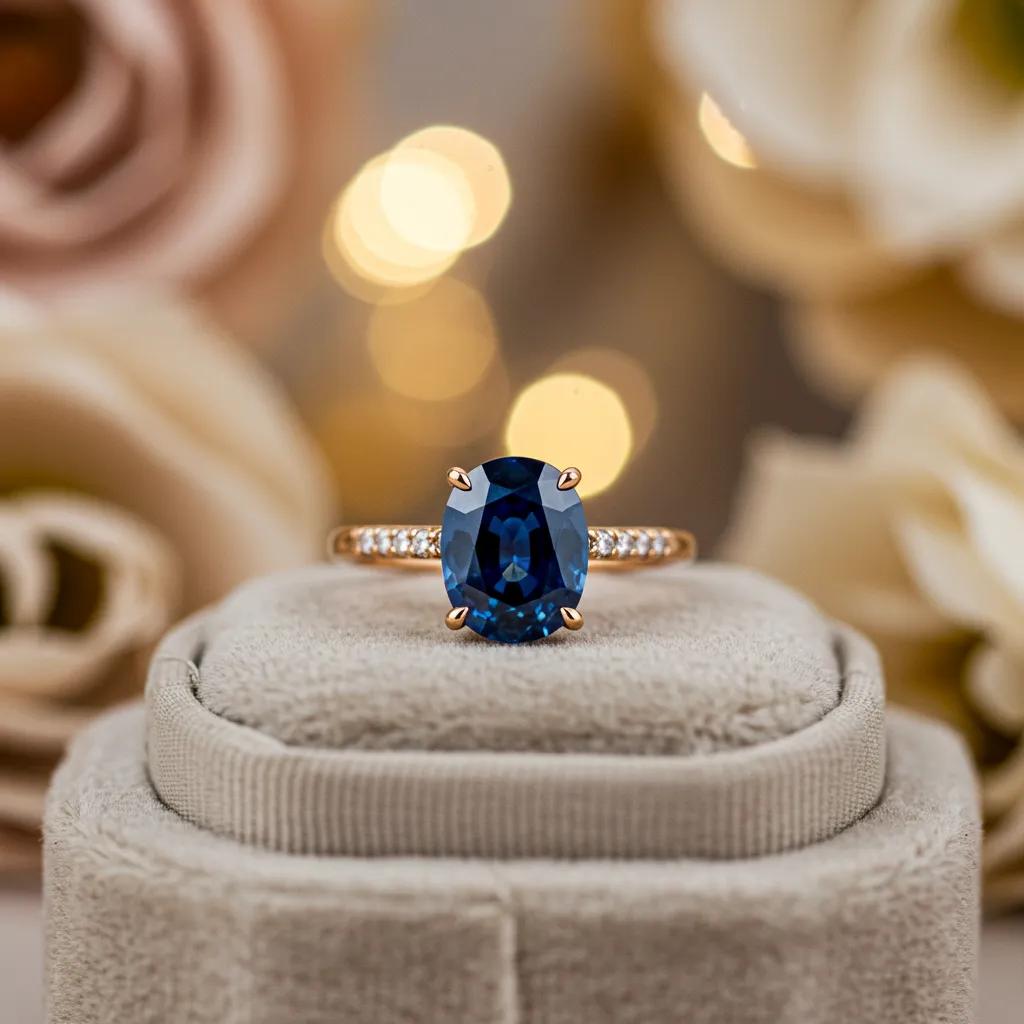
Choosing a blue sapphire engagement ring in Australia means understanding how sapphire quality, origin, and symbolism come together to create lasting beauty. This guide will show you how to assess sapphire characteristics, from types and the 4 Cs to certification and ethical sourcing, empowering you to make confident decisions. For broader insight into coloured stones and what influences their rarity and emotional significance, our gemstone colours and meanings guide offers helpful context before comparing specific sapphire varieties. As your trusted Australian jeweller, ADC blends expert gemological knowledge with a carefully selected range of certified blue sapphire engagement rings, ensuring both quality and ethical assurance. You’ll explore sapphire varieties and colour nuances, grading scales and treatments, natural versus synthetic differences, cultural symbolism, and practical advice for buying and caring for your jewellery, all presented to clearly map out types and colours, quality assessment, authenticity, meaning, and maintenance.
Exploring Sapphire Varieties and Colours
Sapphire is a mineral from the corundum family, celebrated for a spectrum of colours beyond its iconic blue. These variations are due to trace elements: iron and titanium create blue, chromium yields pink or padparadscha tones, and iron alone can produce yellow or green shades. Understanding these colour categories is the first step in selecting a sapphire that perfectly suits your style and quality expectations. The table below compares the main sapphire varieties by colour and their defining characteristics.
Each sapphire variety has its own market demand and price point, so let’s delve deeper into the specifics of each colour.
Understanding Blue, Pink, Yellow, and Padparadscha Sapphires
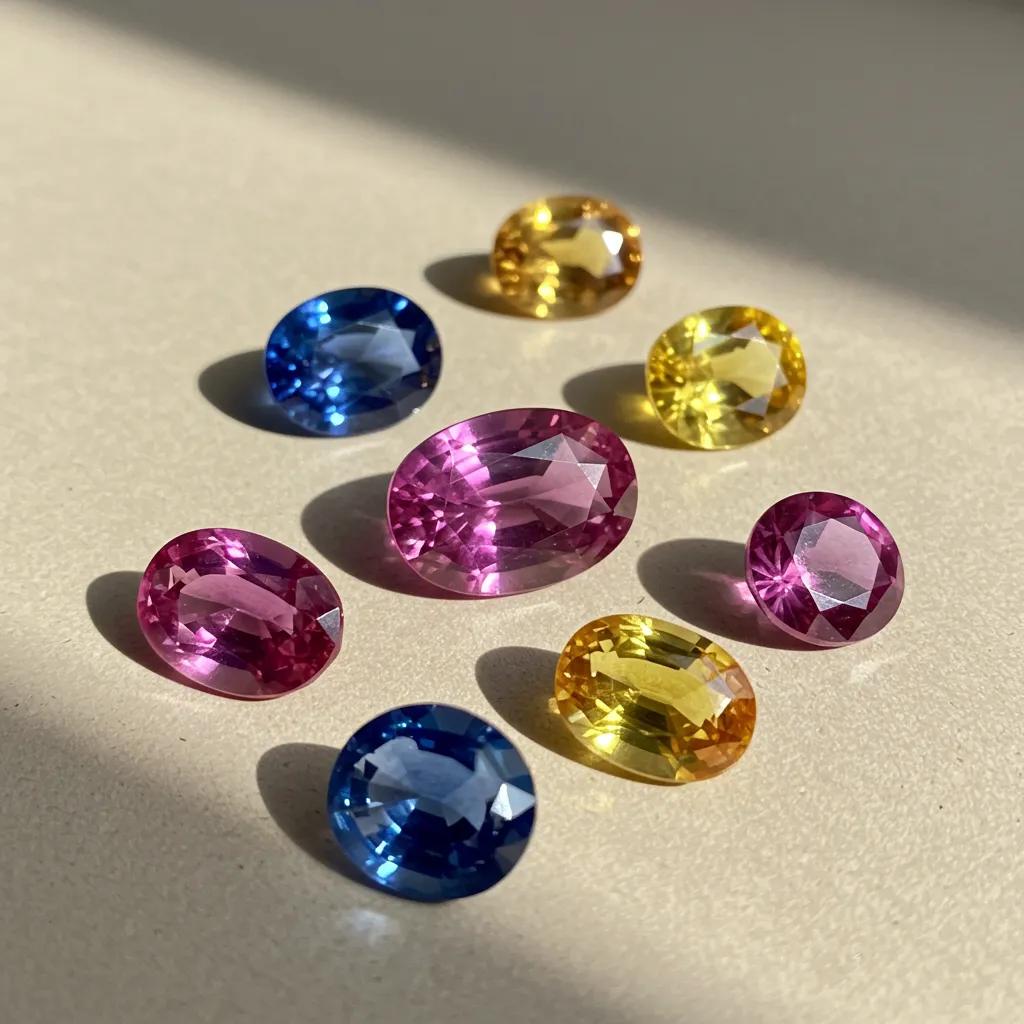
For blue sapphire, its value is defined by a combination of hue, tone, and saturation, typically graded from cornflower to deep royal blue. Pink sapphire ranges from a gentle rose to a vibrant hot pink, with its intensity influenced by chromium content, which also contributes to its hardness. Yellow sapphire spans from a pale lemon to rich golden shades, where the concentration of iron dictates its brightness and durability. Padparadscha sapphire, highly prized for its unique salmon-pink hue, forms when chromium and iron combine in a precise balance, making it one of the most sought-after sapphire types.
The Phenomenon of Star Sapphire’s Asterism
Star sapphires exhibit asterism, a star-like effect, due to needle-like rutile inclusions that are aligned in three directions. When light hits these inclusions, it scatters to create a distinct six-ray star. This phenomenon occurs during the sapphire’s natural formation as titanium dioxide needles intersect, scattering light into symmetrical patterns. The sharpness and contrast of the star significantly enhance its appeal, with a crisp white star against a deep blue background being particularly valuable. Beyond its visual beauty, this optical effect also contributes to the stone’s durability by distributing stress along the inclusion planes, harmonising aesthetics with resilience.
Australian Sapphires: Origin and Comparison
Australian sapphires are predominantly found in alluvial deposits in New South Wales and Queensland, often displaying deep blue tones referred to as “inky.” In contrast, sapphires from Sri Lanka tend to have lighter, cornflower blue hues, while those from Kashmir are known for their velvety mid-blue colour with soft diffusion. Sapphires from Montana in the United States often exhibit pastel blues and greens, and deposits in Madagascar offer a wide range from teal to violet. Australia’s unique geological conditions produce sapphires with rich saturation and distinctive natural characteristics that set them apart in the global market.
Geographic Origin Determination of Blue Sapphire: Methodologies and CriteriaGeographic origin determination, a critical challenge for contemporary gemological laboratories, presents particular difficulties for blue sapphire. Accurate origin determination necessitates a thorough analysis of a gemstone’s inclusions and trace element chemistry, alongside spectroscopic data. While certain stones exhibit characteristic inclusion assemblages or trace element signatures that facilitate straightforward origin assignment, many instances of blue sapphire from different geographic locations display significant overlap in these characteristics. The most prevalent inclusions observed are rutile silk and particulate clouds. In some specimens, these inclusions may present a distinctive morphology, enabling precise origin determination. However, in numerous cases, the evidence provided by internal inclusions remains ambiguous. This paper details the methodologies and criteria employed at GIA for the geographic origin determination of blue sapphire. In Brief: Geographic origin can substantially influence the market value of high-quality gemstones.GEOGRAPHIC ORIGIN DETERMINATION OF BLUE SAPPHIRE., AC Palke, 2019
Assessing Sapphire Quality with the 4 Cs
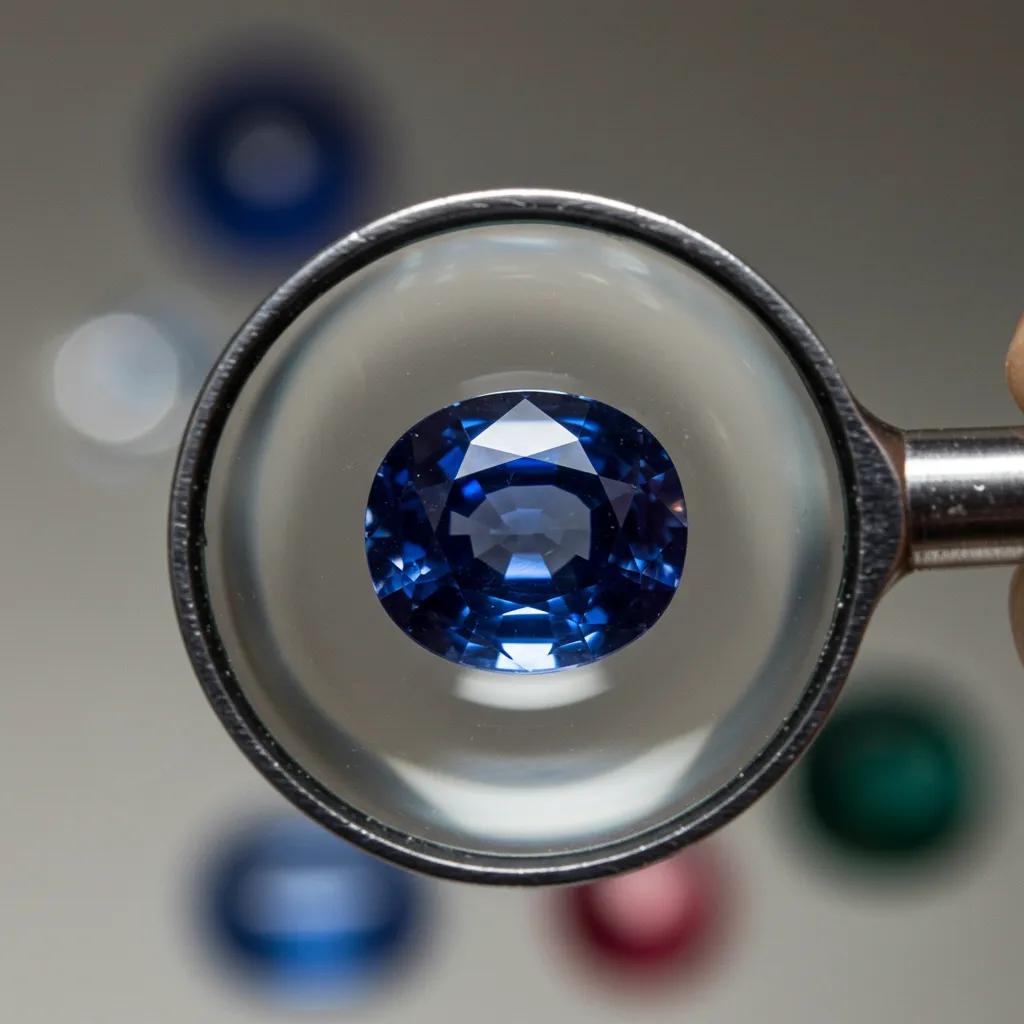
The quality of a sapphire is determined by four key factors: Colour, Clarity, Cut, and Carat Weight. These elements collectively influence its value and visual appeal. Colour grading assesses hue, tone, and saturation; clarity evaluates internal inclusions and transparency; cut measures the stone’s proportions and symmetry; and carat weight affects its perceived size and price per carat. Each factor is interconnected: a smaller, flawless sapphire might command a higher price per carat than a larger stone with visible inclusions. The table below outlines these quality criteria and their impact on a sapphire’s value.
Understanding these fundamental aspects will prepare you for a more detailed look at each quality attribute.
Understanding the Sapphire Colour Grading Scale
Sapphire colour is assessed using three key parameters: hue, which is the basic shade; tone, indicating its lightness or darkness; and saturation, measuring the intensity of the colour. Grading scales range from very light to vivid. The most valuable sapphires typically possess medium to medium-dark tones with strong saturation. Gemological laboratories use standardized charts and colour swatches for consistent comparison under controlled lighting conditions. Precise colour grading helps buyers distinguish between a cornflower blue and a royal blue, or select a padparadscha within an acceptable hue range.
How Clarity Influences Sapphire Value and Common Inclusions
Clarity significantly impacts a sapphire’s brilliance and durability by revealing internal characteristics such as rutile needles (often called silk), mineral crystals, or fingerprint-like inclusions. Sapphires that appear eye-clean, meaning they have no visible inclusions under 10x magnification, are generally more valuable and durable. While silk inclusions can enhance the asterism in star sapphires, they can reduce transparency in faceted stones. Minor surface-reaching fractures may sometimes be filled or polished, but untreated clarity typically commands a higher premium.
Popular Sapphire Cuts and Their Effect on Appearance
Sapphire cuts are designed to maximize light return and colour intensity while preserving as much of the stone’s weight as possible. Oval cuts tend to enhance colour saturation by concentrating the hue towards the centre, while round cuts offer classic brilliance and symmetrical sparkle. Cushion cuts blend modern and vintage aesthetics with softened corners that distribute light evenly. Emerald cuts highlight clarity and can create a striking hall-of-mirrors effect, though they may slightly reduce the perceived colour depth in lighter stones.
The Impact of Carat Weight on Sapphire Pricing and Perception
Carat weight directly influences the price per carat, with noticeable price increases often occurring at whole and half-carat milestones. Larger sapphires may also display colour zoning more prominently, which can affect their uniformity and value. Consumers often perceive different weight thresholds as significant; for instance, many prefer a 1.00-carat ring for everyday wear, while a 2.00-carat stone might be chosen to celebrate a major engagement milestone. Balancing carat weight with colour and clarity is key to achieving optimal value.
Distinguishing Natural from Synthetic Sapphires
Natural sapphires are formed over millions of years deep within the Earth’s crust under immense heat and pressure. Synthetic sapphires, on the other hand, are created in laboratory furnaces within weeks using methods like flame fusion or hydrothermal processes. Natural sapphires typically display unique inclusion patterns such as networks of silk, mineral crystals, or fingerprint-like arrays whereas synthetic stones often show curved growth lines and gas bubbles. While both types share the same chemical composition, a hardness of 9 on the Mohs scale, and similar optical properties, their origins and market perceptions differ significantly.
Identifying Natural vs. Synthetic Sapphires
Gemologists identify natural sapphires by examining inclusions under magnification, looking for characteristic silk, two-phase inclusions, and natural zoning patterns. Synthetic sapphires commonly exhibit curved striae or gas bubbles visible under a loupe. Advanced instruments like spectrometers and spectroscopes can reveal distinct absorption patterns; natural stones often show characteristic iron-related bands, while synthetics may lack these or display anomalous peaks. Comprehensive certification from reputable laboratories provides definitive confirmation of origin.
Pros and Cons of Lab-Grown Sapphires
Lab-grown sapphires offer consistent colour and clarity at a more accessible price point, making them an ethical and affordable choice by minimizing mining impacts. They provide designers and consumers with sustainable options without compromising on hardness or brilliance. However, lab-grown stones may not carry the same rarity premium or emotional significance associated with natural geological origins, and resale markets often favour natural specimens. Consumers should weigh their budget, ethical considerations, and long-term value expectations when deciding between natural and synthetic alternatives.
How Treatments Like Heat and Diffusion Affect Sapphire Quality
Heat treatment is a common and permanent practice used to enhance a sapphire’s colour and clarity by dissolving silk inclusions and intensifying hue. This method is widely accepted when fully disclosed. Diffusion treatment involves introducing trace elements to the surface layer to alter the colour, but this is often less stable and less valued than pure heat treatment. Untreated sapphires command the highest prices due to their rarity, and full disclosure of any treatments is crucial for transparency and maintaining consumer trust.
Treatment of Australian Blue Sapphires in ThailandThe majority of Australian blue sapphires undergo treatment in Thailand.Sapphires from Australia, Unknown Author, 1985
The Meaning and Symbolism of Sapphire Gemstones
Sapphire embodies wisdom, sincerity, and faithfulness across various cultures, often linked to royal regalia and religious traditions. Its inherent hardness and deep blue colour evoke a sense of stability and inner clarity, making sapphire engagement rings potent symbols of lifelong commitment. Beyond the classic blue, each sapphire colour carries its own unique meanings pink for romance, yellow for prosperity, and padparadscha for rarity and uniqueness. The gemstone’s rich cultural resonance enhances personal expression and storytelling in jewellery design.
Historical and Cultural Significance of Sapphire
Historically, sapphires were favoured by clergy and royalty, believed to offer protection against envy and harm. Ancient Persians held the belief that the Earth rested upon a giant sapphire, its blue hue reflecting in the sky. In medieval Europe, sapphire was revered as a talisman of purity and truth, frequently used in ecclesiastical rings to signify divine favour. These historical associations continue to shape modern perceptions of sapphire as a guardian of fidelity and spiritual insight.
Famous Sapphires and Their Captivating Stories
Several renowned sapphires highlight the gemstone’s enduring allure. The Star of India, a remarkable 563-carat asterism stone discovered in Sri Lanka, is a celebrated museum exhibit. The Logan Sapphire, a 423-carat cornflower blue gem donated to a major institution, exemplifies philanthropic legacy. The Rockefeller Sapphire, a 62.02-carat untreated stone, is admired for its unparalleled hue. Each of these exceptional gems showcases extraordinary size, colour, or clarity, solidifying sapphire’s status among the world’s most treasured collector’s items.
How Sapphire Lore Has Shaped Jewellery Traditions
Legends surrounding sapphire’s protective qualities have significantly influenced bridal jewellery trends, establishing the gemstone as a popular choice for engagement rings symbolizing fidelity. During the Victorian era, sapphire was often paired with diamonds to represent constancy and eternal love, shaping enduring styles like halos and solitaires. Contemporary jewellers continue to weave these mythic associations into bespoke creations, blending historical reverence with personalized design elements.
Choosing and Caring for Quality Sapphire Jewellery in Australia
Selecting high-quality sapphire jewellery involves balancing your aesthetic preferences with certified attributes and the reputation of the retailer. Look for comprehensive gemological reports that detail the origin, clarity, cut, carat weight, and treatment status of the stone. Opt for reputable Australian jewellers who offer transparent sourcing and reliable after-sales care, ensuring your jewellery maintains its beauty and value over time. Proper cleaning and storage are essential for preserving brilliance and protecting the settings from damage.
Essential Tips for Selecting a Quality Sapphire
- Always request certification from recognized laboratories that verify colour grading, clarity, origin, and treatment details.
- Prioritize a medium-dark tone and strong saturation for blue sapphires to achieve the most striking visual impact.
- Examine the cut proportions and symmetry under magnification to ensure the stone performs optimally with light.
- Compare per-carat pricing for stones of similar grade to establish benchmarks for value.
- Confirm the retailer’s policies on authenticity, returns, and inspections to ensure your purchase is secure and satisfactory.
Caring for and Cleaning Your Sapphire Jewellery
Begin by gently cleaning your sapphire pieces. Soak them in warm water with a mild soap solution, then use a soft brush to carefully remove any dirt or debris. Rinse thoroughly and pat dry with a lint-free cloth to maintain the surface lustre. Avoid using ultrasonic cleaners for sapphires with significant inclusions or those that have undergone diffusion treatment, as this could cause damage. Store your sapphire jewellery separately in fabric-lined compartments to prevent scratches from harder gemstones or metals.
If you’d like to see how sapphires and other coloured gems translate into finished pieces, our fine jewellery collection showcases designs that highlight each stone’s natural beauty.
The Importance of Sapphire Certification and Trusted Labs
Certification provides consumers with assurance regarding the gemstone’s accurate attributes and ethical sourcing. Highly trusted institutions include the Gemological Institute of America (GIA), Gem Research Swisslab (GRS), and the American Gemological Laboratories (AGL). Each laboratory adheres to rigorous analysis protocols for colour grading, clarity assessment, origin verification, and treatment disclosure. Certificates from these esteemed bodies enhance resale value and build buyer confidence.
Where to Find Ethical and Certified Sapphire Engagement Rings in Australia
Australian consumers can find ethical sapphire engagement rings from specialist jewellers who collaborate with traceable mines and uphold fair-trade principles. Custom boutique studios often provide complete transparency regarding gemstone provenance and treatment history. Established national jewellery houses, guided by certified gemologists, offer in-house appraisals and lifetime service plans. Choosing a reputable Australian retailer with clear certification pathways guarantees both ethical integrity and enduring quality.
Ruby and Sapphire Production, Distribution, and Ethical Sourcing TransformationsPolitical instability in Madagascar and export restrictions on gems from Myanmar significantly disrupted the supply chains for sapphires and rubies. Concurrently, the proliferation of new sales channels, including the internet and television, has empowered consumers with greater information about gemstones, fundamentally altering purchasing behaviors. The utilization of gemstones to finance armed conflicts and authoritarian governments has driven the industry towards increased accountability, spurred by concerns over terrorism and illicit trade, which have fostered a new legal framework. Simultaneously, a burgeoning demographic of consumers prioritizes ethical and social considerations. As sales avenues expanded, notably to television shopping networks and online platforms, robust demand initiated an surge in exploration, leading to the discovery of numerous new sources of rough gemstones and promoting the adoption of novel treatments to enhance the marketability of larger quantities of lower-quality material for jewelry. While certain treatments have introduced persistent market challenges, prices for high-quality, untreated gemstones have reached record highs, even amidst the global recession commencing in 2008. The widespread appeal of corundum was further amplified by the discovery of substantial quantities of gem-quality rough (or treatable gem rough) from previously unexploited sources in regions such as Madagascar and East Africa, alongside ongoing mining operations in established localities like Myanmar, Sri Lanka, and Thailand. In more recent years, socio-ethical issues, mirroring those that impacted the diamond industry in the late 1990s, have begun to affect corundum.Ruby and sapphire production and distribution: A quarter century of change, Unknown Author, 2009
Frequently Asked Questions About Sapphires
Instead of a traditional Q&A format, this section addresses the key inquiries that commonly guide sapphire buyers through selection, value assessment, and authenticity considerations. Understanding these topics will simplify your decision-making process for engagement rings and other fine sapphire pieces.
What’s the Ideal Colour for a Sapphire Engagement Ring?
The most sought-after colour for engagement rings is a medium-dark cornflower blue, which offers an optimal balance of brightness and saturation. This hue maximizes contrast against white metals and enhances the perceived depth of the stone. While personal preference is paramount, choosing a well-balanced tone ensures versatility and lasting appeal in both modern and vintage settings.
Are Natural Sapphires Preferable to Synthetic Ones?
Natural sapphires generally command higher market values and possess greater emotional significance due to their geological origin and rarity. Synthetic sapphires match natural stones in hardness and clarity but are available at a lower cost and align with ethical considerations by avoiding mining impacts. Buyers should consider their budget, desired long-term value, and personal principles when choosing between natural and lab-grown options.
What Is the Typical Cost of a Quality Sapphire in Australia?
In Australia, the price for a quality blue sapphire typically starts around AUD 2,000 per carat for eye-clean stones with medium-dark saturation. This can escalate to over AUD 30,000 per carat for top-grade, untreated stones of significant size. Padparadscha and star sapphires may achieve even higher premiums due to their rarity. Market fluctuations and the source’s reputation also play a role in pricing.
How Can You Determine if a Sapphire is Heat Treated or Untreated?
Detecting heat treatment requires expert examination of inclusion morphology and colour zoning patterns. Heat-treated sapphires often display melted silk residues and uniform colour distribution, whereas untreated stones exhibit natural silk networks and growth lines. Laboratory reports confirming the absence of diffusion or high-temperature enhancement provide definitive verification.
Sapphire Jewellery in Today’s Market Trends and Ethical Practices
Current trends in sapphire jewellery for 2025 highlight ethically sourced and lab-grown alternatives, reflecting a growing consumer demand for transparency and sustainability. Personalization through pastel shades and mixed-gemstone designs is also gaining traction among millennial and Gen Z couples. Australian sapphire offerings are capitalizing on the appeal of local provenance and innovative settings that blend tradition with contemporary style.
Why Ethical Sourcing Matters for Sapphire Buyers
Ethical sourcing guarantees fair labour practices, environmental responsibility, and community benefits in mining regions. Consumers increasingly seek traceability from mine to market, connecting their purchases to positive social and environmental impacts. Ethically sourced sapphires build buyer trust and align jewellery choices with broader values of responsibility and sustainability.
How Lab-Grown Sapphires Are Reshaping the Jewellery Market
Lab-grown sapphires are making larger, high-quality stones more accessible at reduced costs, encouraging creative design experimentation. Jewellery designers are incorporating laboratory-created gemstones into bespoke collections, appealing to eco-conscious consumers without sacrificing luxury. This shift diversifies market offerings and accelerates the acceptance of scientifically created gems alongside their natural counterparts.
What Makes Australian Sapphires Distinctive Globally?
Australian sapphires are distinguished by their rich, inky blue tones and characteristic natural features that stem from unique geology. Local alluvial and volcanic deposits yield stones with deep saturation and distinctive inclusions, creating identifiable provenance markers. Coupled with Australia’s stringent mining regulations and ethical standards, these sapphires offer both aesthetic excellence and responsible origin credentials.
https://www.adc.com.au/unravel-the-secrets-gemstone-colours-and-their-meanings/Understanding sapphire quality is just the beginning. If you’d like to explore how different gemstone hues influence style, symbolism and emotional meaning, our comprehensive gemstone guide offers deeper insight into colour significance and what makes each stone truly unique.


