
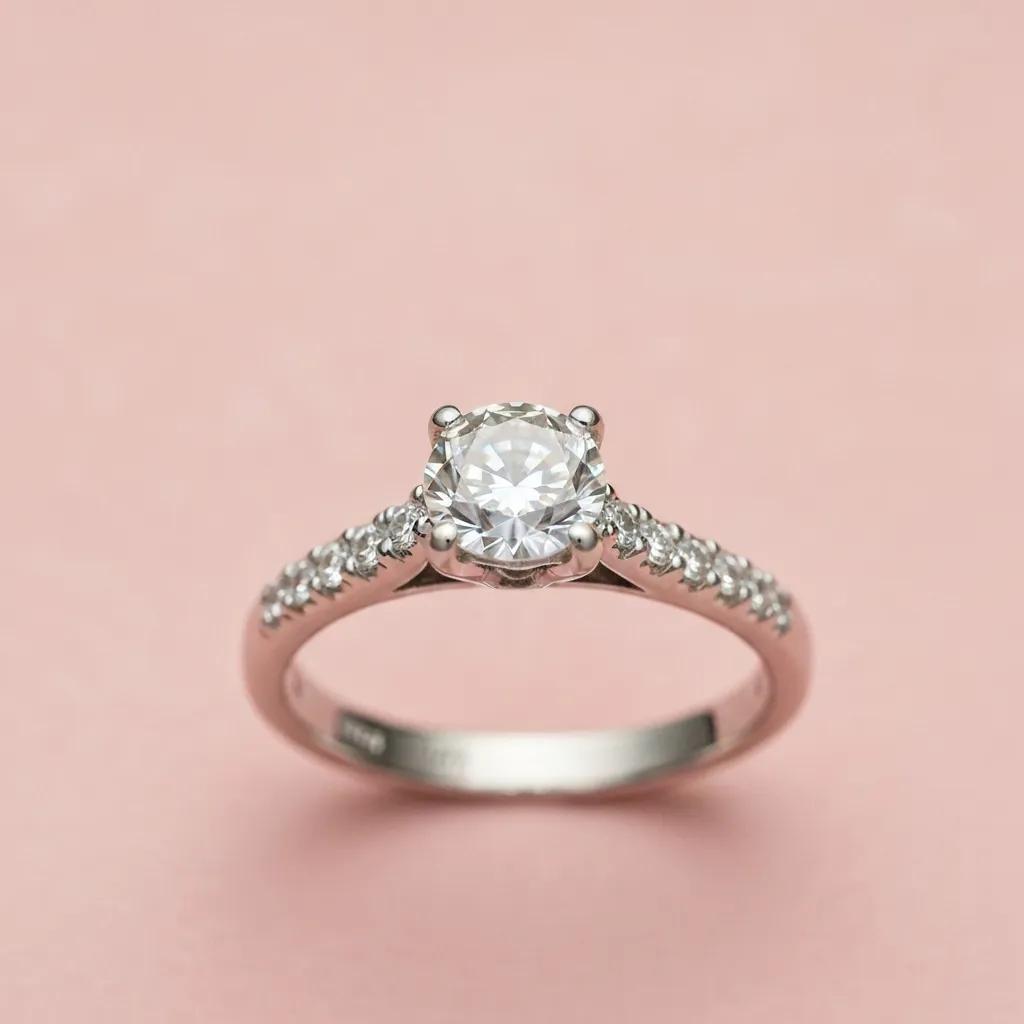
Platinum Engagement Rings: Durable & Pure – Australian Diamond Company
Engagement rings endure every day of a lifetime, and nothing secures a diamond with more confidence than platinum’s unmatched strength and natural white lustre. Modern couples often encounter issues such as metal wear, skin irritation, and fading finishes that detract from a ring’s sentimental value. Platinum engagement rings solve these challenges by offering exceptional durability, hypoallergenic comfort, and enduring investment potential. This article will explore:
- What Makes Platinum the Ideal Metal for Engagement Rings?
- How Does Platinum Compare to Other Popular Engagement Ring Metals?
- What Are the Unique Beauty and Care Features of Platinum Engagement Rings?
- Why Is Platinum a Valuable and Ethical Investment for Engagement Rings?
Discover how the Australian Diamond Company showcases platinum as a premier choice for lasting elegance.
What Makes Platinum the Ideal Metal for Engagement Rings?
Platinum is a precious metal characterised by its dense atomic structure, which resists wear and secures gemstones under daily stress. This density translates into superior prong security and minimal metal loss over decades, ensuring a diamond remains firmly in place and maintaining its brilliance even after rigorous use.
Platinum’s Durability
Platinum’s dense atomic structure provides superior prong security and minimal metal loss, ensuring a diamond remains firmly in place and maintaining its brilliance even after rigorous use.
Harper Tait, “How durable is platinum?”
This source confirms platinum’s resistance to scratches, corrosion, and damage, making it an ideal choice for engagement rings.
How Does Platinum’s Durability Protect Your Engagement Ring?
Platinum’s robustness provides reliable gemstone security and resists deformation from impact or abrasion.
Before outlining key protective features, consider these core advantages:
- Exceptional Scratch Resistance: Platinum endures contact with hard surfaces without significant guilloché or thinning.
- Structural Integrity: Platinum prongs hold diamonds steadfastly, reducing the need for frequent tightening.
- Enduring Weight: Despite minor surface marks, platinum retains metal volume, preventing prong loss over time.
Surface fine marks blend into a natural finish that fortifies the metal’s integrity, leading to enhanced lasting value.
Why Is Platinum Hypoallergenic and Perfect for Sensitive Skin?
Platinum contains minimal alloyed metals and naturally resists skin irritation. Its chemical purity prevents redox reactions that often cause contact dermatitis, making platinum rings an ideal choice for anyone with metal sensitivities and ensuring comfortable daily wear.
What Is Platinum Purity and Why Does Pt950 Matter?
Purity in platinum alloys impacts both resilience and rarity; Pt950 indicates 95% platinum content, offering a superior balance of malleability and strength essential for intricate ring settings.
Below is a comparison of common platinum alloys and their properties:
Pt950’s combination of purity and strength sustains both a ring’s finesse and its structural stability, guiding the discussion toward how platinum stands against other metals.
How Does Platinum Compare to Other Popular Engagement Ring Metals?
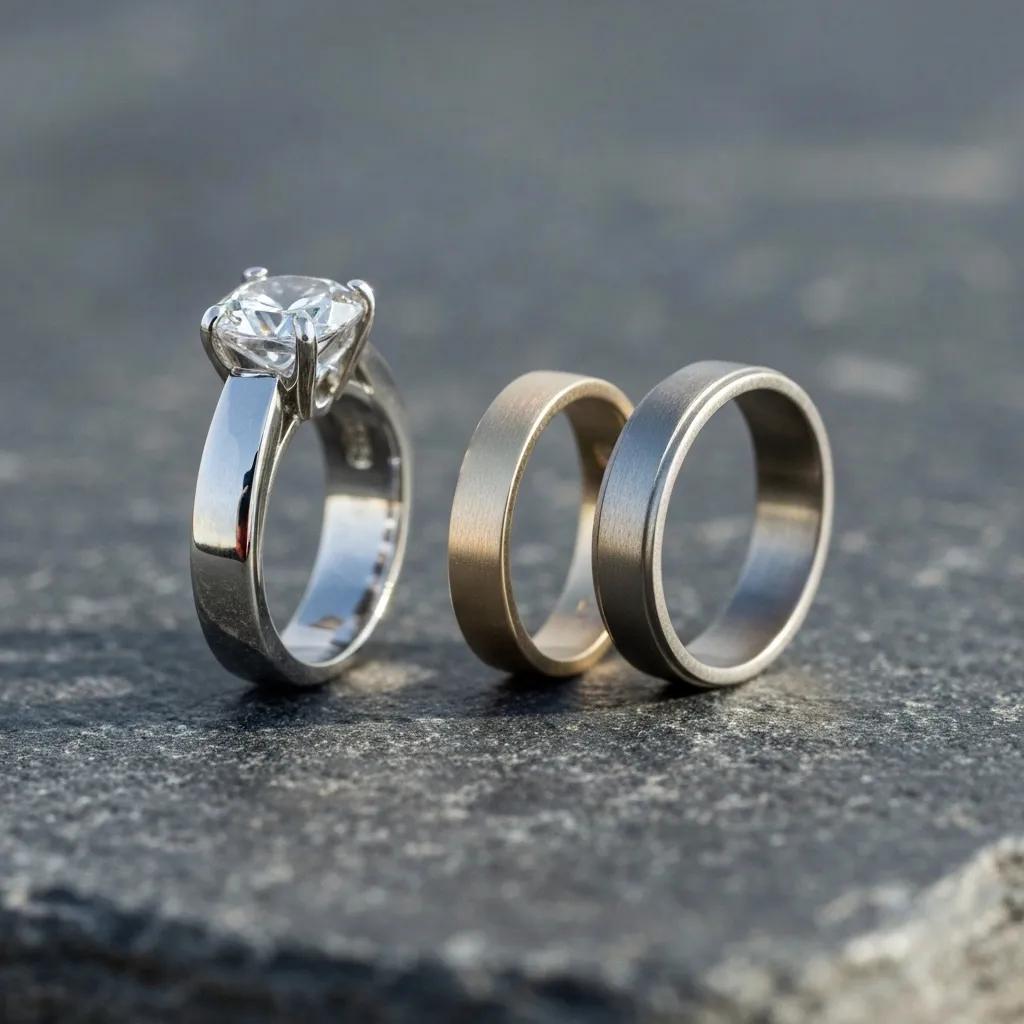
Evaluating platinum alongside alternatives reveals why its rare properties consistently outperform competing choices and align with lasting engagement ring demands.
What Are the Differences Between Platinum and White Gold?
Unlike white gold that relies on rhodium plating for its white sheen, platinum maintains its natural colour without surface finishes. Platinum’s intrinsic density prevents metal thinning, whereas white gold alloys may lose plating and require periodic re-plating to preserve colour, making platinum a lower-maintenance option for long-term wear.
How Does Platinum Compare to Palladium for Engagement Rings?
Palladium shares a similar white hue and hypoallergenic profile but is significantly lighter and more malleable, which can compromise prong security over time. Platinum’s higher density provides more secure settings, and its rarity enhances exclusivity and long-term value compared to palladium’s growing but still limited market presence.
What Are the Unique Beauty and Care Features of Platinum Engagement Rings?
Platinum develops a distinctive patina rather than tarnish, lending each piece a personalised character while retaining metal volume and structural integrity through everyday use.
What Is the Platinum Patina and How Does It Affect Your Ring’s Look?
The platinum patina is a soft, satin-like surface finish that emerges as micro-abrasions accumulate. This natural finish diffuses light to create a subtle glow rather than a high-polish mirror effect, offering a unique aesthetic that deepens a ring’s personality over time and sets the stage for maintenance best practices.
How Should You Care for and Clean Your Platinum Engagement Ring?
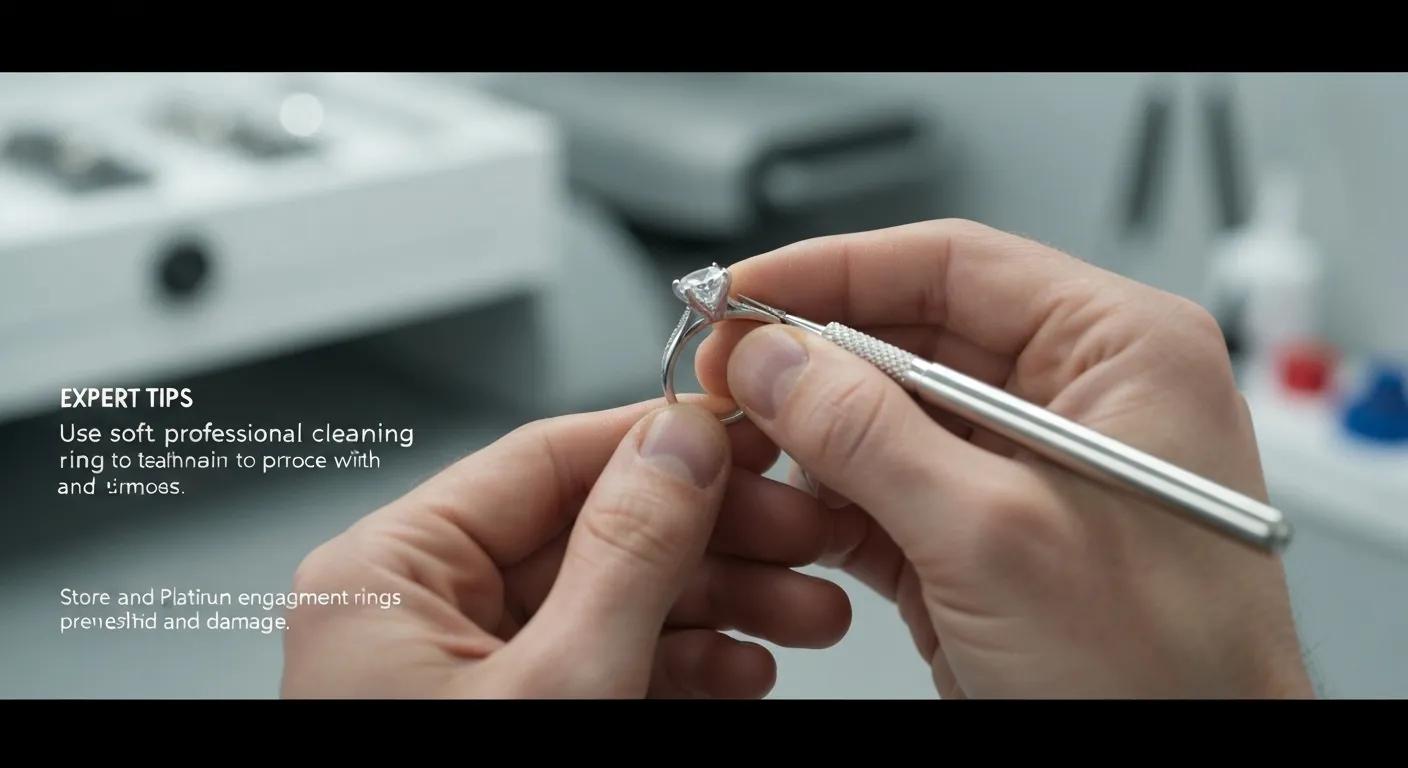
Proper cleaning preserves platinum’s patina and structural integrity. Follow these steps:
- Soak the ring in a mild soap solution to loosen dirt.
- Gently brush prongs and under-gallery areas with a soft-bristle brush.
- Rinse thoroughly under warm water to remove residue.
- Dry with a lint-free cloth, avoiding abrasive fabrics.
Regular gentle cleaning prevents buildup without removing the characteristic finish, supporting both the ring’s beauty and its security for the diamond.
Why Is Platinum a Valuable and Ethical Investment for Engagement Rings?
Platinum’s global rarity and growing demand secure its status as a premium precious metal, while responsibly sourced options reflect modern values and consumer preferences.
How Rare Is Platinum Compared to Other Precious Metals?
Platinum is approximately 30 times rarer than gold, resulting in elevated prestige and appreciation potential.
This scarcity underpins platinum’s value retention and positions it as a tangible asset in fine jewellery investments, naturally leading to considerations of ethical sourcing.
What Are the Benefits of Ethically Sourced Platinum?
- Ensures responsible mining practices that minimise ecological disruption.
- Provides transparency for conflict-free sourcing and labour standards.
- Aligns with contemporary consumer demand for sustainable luxury.
Certified ethical platinum supports both environmental stewardship and the confidence that a ring’s inherent value extends beyond its physical composition.
Platinum engagement rings combine extraordinary resilience, biocompatibility, enduring beauty, and investment-grade rarity, making them the premier choice for life’s most significant milestones. Whether prioritising daily wear, sensitive skin considerations, or long-term value, the unparalleled properties of platinum secure its place as the ultimate metal for engagement rings. Explore timeless platinum designs with the Australian Diamond Company to find your perfect symbol of commitment.


