
Engagement Ring Metal Customisation Guide – Australian Diamond Company
Selecting the ideal metal for an engagement ring shapes its durability, colour, and personal meaning. By mastering the customisation of metal types for rings, couples can ensure lifelong wearability, aesthetic harmony, and ethical confidence. This guide reveals the most popular metals, decision factors, responsible sourcing, maintenance tips, and expert-level insights to streamline your selection process. Readers will explore gold, platinum, palladium, lifestyle and budget considerations, hypoallergenic options, ethical sourcing impacts, care techniques, and concise answers to top customisation questions empowering a perfectly tailored ring design from concept to care.
What Are the Most Popular Metal Types for Custom Engagement Rings?
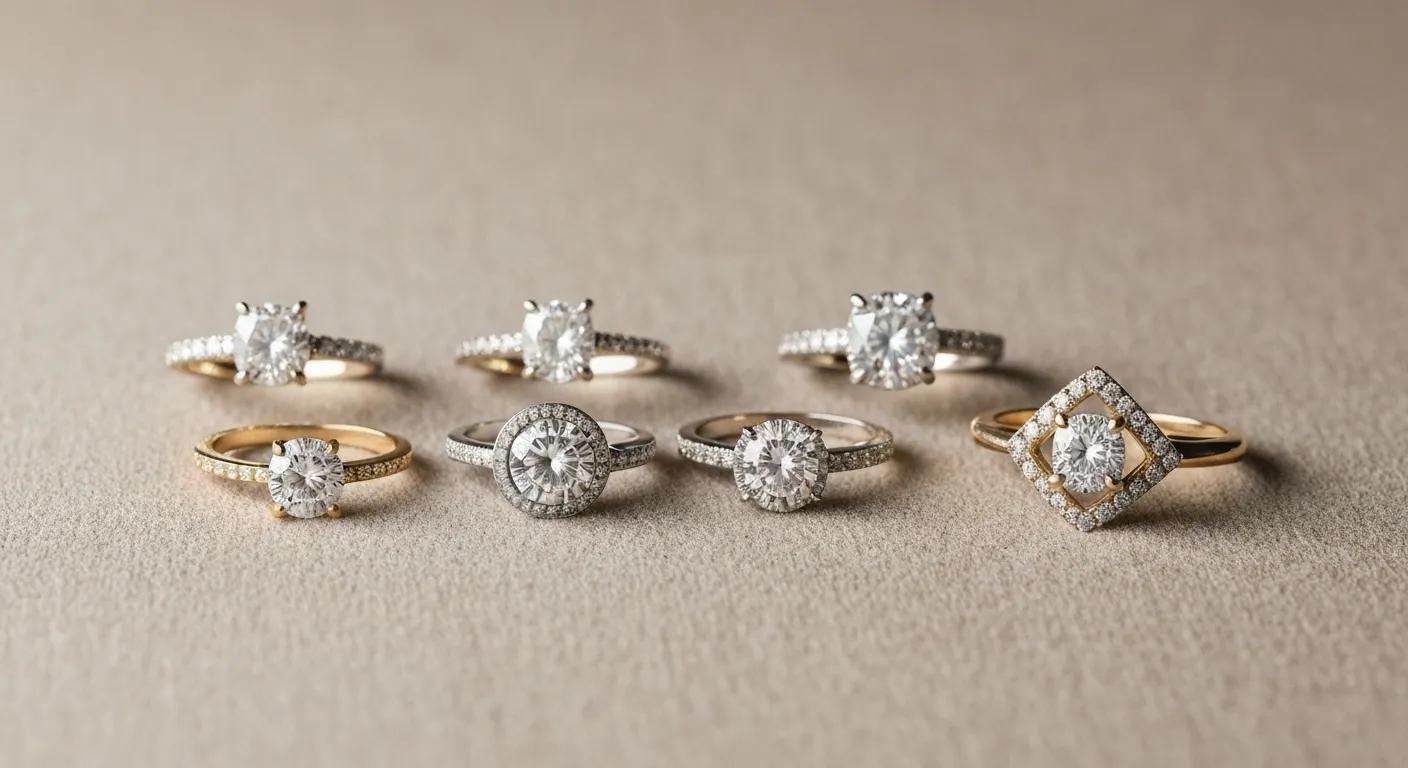
The leading metals in bespoke engagement settings combine preciousness with performance, offering a spectrum of colour, strength, and price that aligns with individual style and budget. Exploring gold, platinum, and palladium highlights the core choices for lasting beauty and functionality.
What Are the Key Features of Gold for Engagement Rings?
Gold delivers timeless luster and versatile hues through alloy engineering. Its malleability enables intricate prong and filigree work, and karat variations balance purity with scratch resistance.
- 18k Gold offers a rich colour and substantial purity for heirloom quality.
- 14k Gold increases hardness for everyday wear without significant colour loss.
- Rose Gold merges gold with copper for a warm blush tone that complements diverse skin tones.
Gold Karat and Hardness
The hardness of gold varies with its karat, with 24k gold being the softest at a Mohs hardness of approximately 2.5. Lower karats, such as 14k, increase hardness due to the presence of other metals in the alloy.
Gold’s customisable colour options segue naturally into a comparison with platinum’s enduring white luster.
How Does Platinum Compare in Durability and Appearance?
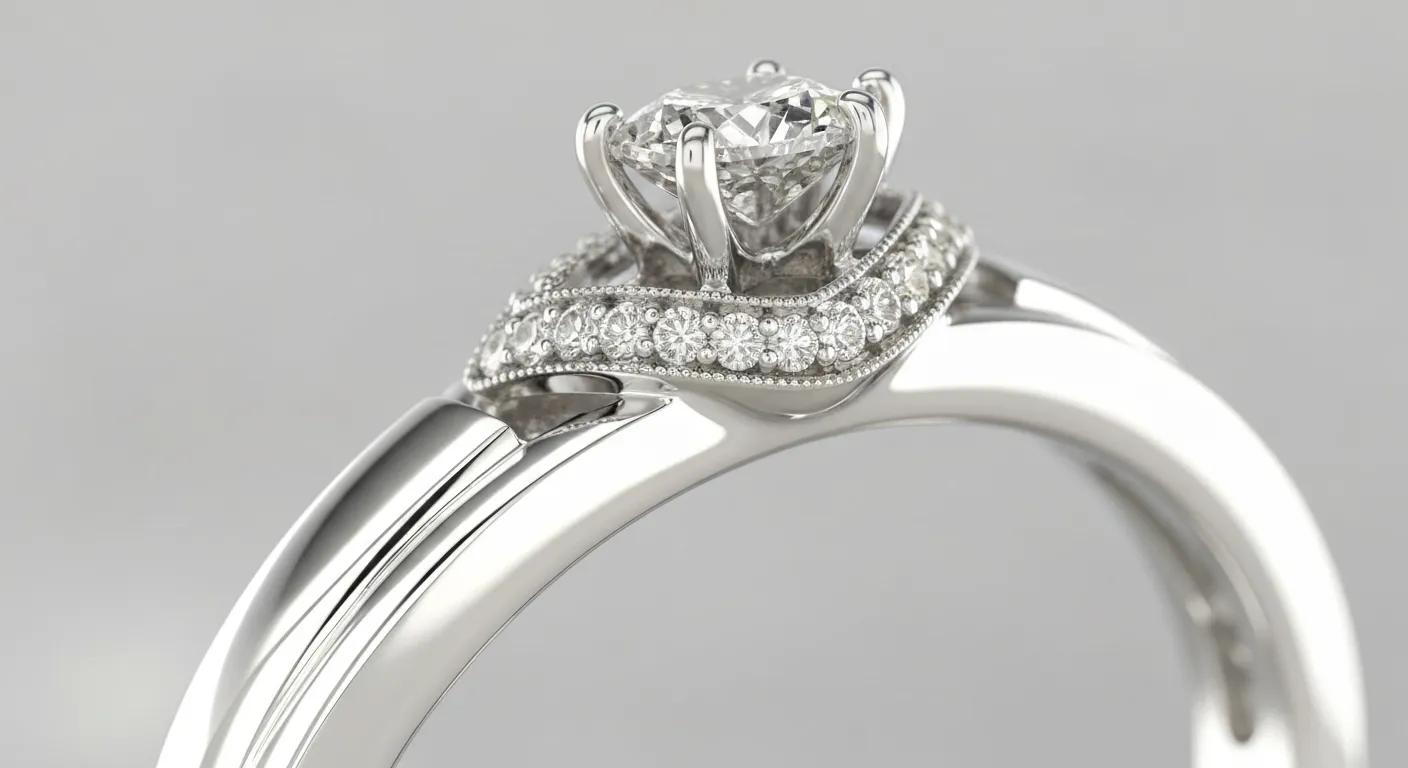
Platinum stands out for its natural whiteness and density, making it highly resistant to wear and hypoallergenic for sensitive skin. It develops a unique patina over time, signaling authenticity and strength.
Durability of Platinum
Platinum is a dense metal, making it durable and resistant to wear and tear, and it does not tarnish. However, platinum can scratch, with a Mohs hardness of 4 to 4.5, meaning it can be scratched by harder materials like diamonds.
- Durability: Platinum’s Mohs hardness of 4 – 4.5 resists scratches deeper than gold.
- Hypoallergenic Quality: Purity levels around 95% minimise allergic reactions.
- Visual Appeal: Its silvery sheen complements any gemstone without plating requirements.
Hypoallergenic Properties of Metals
Platinum is considered the most hypoallergenic metal used in fine jewelry, with a purity of 95% or higher, minimising skin reactions. Other hypoallergenic options include titanium, palladium, and high-karat gold alloys with low-allergen metals.
Understanding platinum’s robustness leads to evaluating lightweight alternatives such as palladium and specialty alloys.
What Should You Know About Palladium and Other Alternative Metals?
Alternative metals expand customisation with varied weights, hardness, and hypoallergenic ratings. Reviewing their physical attributes clarifies performance expectations.
Palladium’s similarity to platinum in colour and hypoallergenic nature makes it an appealing lower-cost option, while titanium and tungsten offer extraordinary scratch resistance but limited reshaping potential.
How Do You Choose the Right Metal for Your Custom Engagement Ring?
Choosing the right metal involves matching personal lifestyle needs, financial parameters, and skin sensitivities to the metal’s intrinsic properties, ensuring that the finished ring balances beauty with practicality.
What Lifestyle Factors Affect Your Metal Choice?
Daily routines and personal style dictate metal performance and wear. Consider these aspects:
- High-impact activities call for harder metals like platinum or tungsten.
- Fashion preferences influence colour selection, yellow gold for warmth, white metals for modern minimalism.
- Climate and environment affect patina formation, guiding choices toward metals with stable surface finishes.
Lifestyle-driven metal decisions transition naturally into budget considerations.
How Does Budget Influence Metal Selection?
Metal prices vary by rarity and market demand, directly affecting the overall ring cost:
- Platinum typically commands a premium of 30–50% over 18k gold per gram.
- 14k gold provides a cost-effective entry point without sacrificing appearance.
- Palladium and recycled metals deliver sustainable value at moderate price tiers.
Budget alignment with desired metal attributes frames the search for hypoallergenic solutions.
What Are the Hypoallergenic Options for Sensitive Skin?
Metal allergies can be avoided by selecting high-purity or inert materials:
- Platinum (95%+ purity) minimises nickel exposure.
- Palladium and titanium rank among the top hypoallergenic choices.
- 18k gold alloys with low-allergen metals maintain colour while reducing irritants.
Skin-friendly metals invite a deeper look at ethical sourcing and its implications.
Why Is Ethical Sourcing Important When Customising Ring Metals?
Ethical sourcing ensures that metal extraction and refinement respect social and environmental standards, building trust and preserving value throughout the ring’s lifecycle.
What Are Recycled and Fair Trade Metal Options?
Recycled metals reclaim existing gold and platinum, reducing mining impacts, while fair trade initiatives guarantee responsible labor practices and fair compensation for miners.
Ethical Sourcing of Metals
Ethical sourcing involves responsible metal extraction and refinement, respecting social and environmental standards. Recycled metals reduce mining impacts, while fair trade initiatives ensure responsible labor practices and fair compensation for miners.
How Does Ethical Sourcing Impact Metal Quality and Price?
Sustainably sourced metals often incur slight premiums, typically 5–10% but maintain quality equivalent to newly mined materials and reinforce a brand’s commitment to environmental stewardship.
How Can You Care for and Maintain Different Engagement Ring Metals?
Routine maintenance extends the life and appearance of any metal choice, preserving polish, shape, and overall integrity.
What Are the Best Cleaning Methods for Gold and Platinum?
Gentle ultrasonic baths with a mild detergent safely remove oils and dirt, while soft-bristle brushes clear crevices without scratching. Regular professional inspections catch loose settings before they become issues.
How Often Should You Re-Plate White Gold Rings?
Rhodium plating typically requires renewal every 12–18 months to sustain bright white colouration and prevent yellowing, depending on wear patterns and ring design.
What Are Tips to Preserve the Luster and Durability of Alternative Metals?
Avoid harsh chemicals that erode surface finishes, store rings in fabric-lined compartments to prevent abrasion, and use designated polishing cloths to maintain shine without altering metal composition.
What Are the Most Common Questions About Customising Engagement Ring Metals?
Designers and clients frequently explore durability, metal comparisons, and purity impacts when defining a personal ring metal strategy.
What Is the Most Durable Metal for Engagement Rings?
Tungsten rates highest in scratch resistance, but platinum combines solidity with malleability for secure stone settings and long-term resilience.
Is White Gold or Platinum Better for Engagement Rings?
Platinum offers lifelong whiteness and exceptional density, while white gold provides similar aesthetics at lower cost but may require periodic rhodium plating to maintain colour.
How Do Gold Karats Affect Ring Quality and Price?
Higher karats (18k, 22k) increase gold content for richer colour and value but reduce hardness, whereas lower karats (14k, 10k) boost durability and offer more budget-friendly price points.
Crafting a truly bespoke engagement ring hinges on thoughtful metal customisation that balances beauty, longevity, and values. By understanding each metal’s attributes and aligning them with lifestyle, budget, and ethical priorities, buyers achieve a ring that endures as a personal and emotional emblem. Explore expert design support and start shaping your perfect metal choice today at ADC Custom Engagement Rings.


