
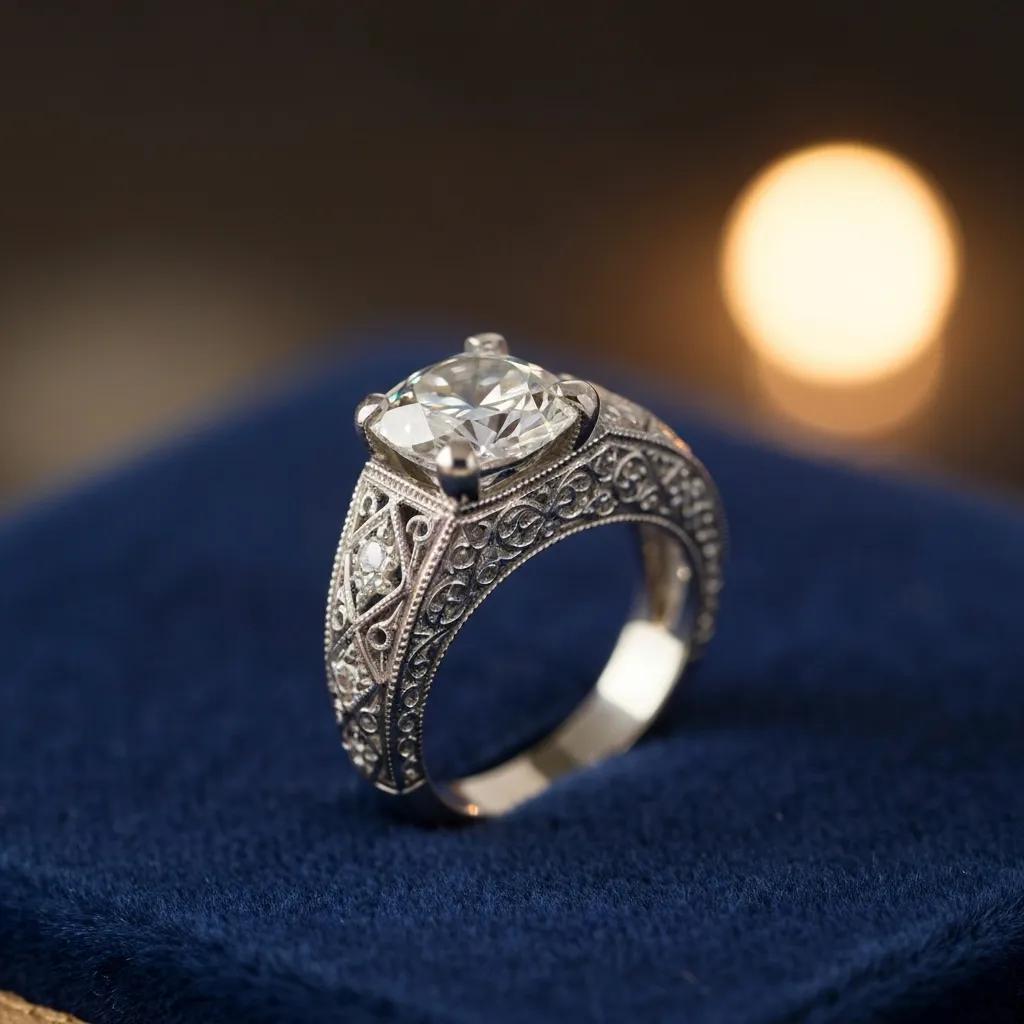
What Defines a Vintage Engagement Ring? Key Characteristics and Age Criteria
Vintage engagement rings are typically crafted between 20 and 100 years ago and are defined by era-specific design features that convey historical authenticity and aesthetic value. These features include metal patina, hand-crafted details, and documented provenance, ensuring each piece embodies a unique era’s artistry.
Brilliyond Jewellery
This source supports the definition of a vintage engagement ring and its key characteristics.
How Is Vintage Different from Antique and Vintage-Inspired Rings?
Vintage rings range from 20 to 100 years old, while antiques exceed 100 years and often show deeper historical patina. Vintage-inspired rings mimic period motifs with new materials and modern techniques, offering style without age-related wear. Authentic vintage pieces carry genuine historical context and artisan marks that elevated reproductions cannot replicate.
What Are the Essential Features That Make a Ring Vintage?
Essential features include hand-engraved filigree, visible milgrain detailing along edges, closed-back gemstone settings that alter light reflection, and hallmark stamps indicating age or origin. Materials such as platinum and high-karat yellow or rose gold further anchor a ring to its era, while genuine wear patterns confirm authenticity and charm.
Why Choose Vintage Rings for Their Unique Craftsmanship and History?
Vintage rings showcase hand-forged techniques and artisanal motifs seldom seen in modern mass production. Their historical narratives, from Edwardian lace-like filigree to Art Deco geometry imbue each ring with provenance. This legacy craftsmanship not only enhances emotional value but also supports sustainable jewelry practices by reusing existing treasures.
Iconic Vintage Engagement Ring Styles from Australian Diamond Company
Vintage engagement rings span several celebrated periods, each characterised by distinctive aesthetic markers that continue to inspire modern tastes. From the intricate scrollwork of Edwardian designs to the bold glamour of Retro settings, understanding era hallmarks helps buyers find a style aligned with personal vision and historical significance.
What Are the Distinctive Features of Art Deco Engagement Rings?
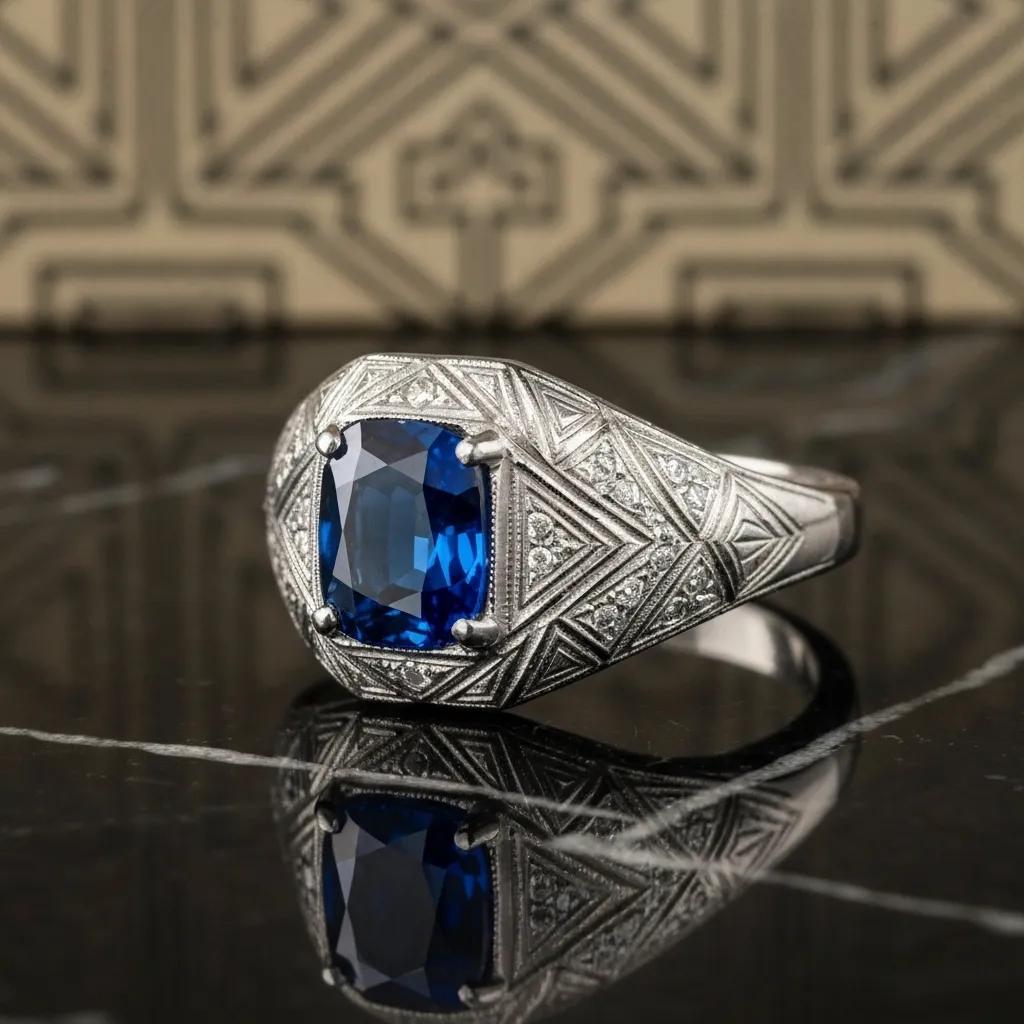
Art Deco rings (1920s–1930s) feature geometric symmetry, platinum or white gold settings, and bold contrast between diamonds and colored stones like sapphire or emerald. Faceted emerald, Asscher, and baguette cuts are common, often framed by fine milgrain and stepped architectural details.
How Do Edwardian Engagement Rings Showcase Delicate Filigree and Platinum?
Edwardian designs (1901–1915) employ ultra-thin platinum bands adorned with lace-like filigree, millegrain borders, and floral or ribbon motifs. Common gemstone choices include Old European cut diamonds and pearls, arranged in intricate cluster settings to evoke romantic elegance.
What Romantic Elements Define Victorian Engagement Rings?
Victorian rings (1837–1901) favor yellow or rose gold, sentimental motifs such as hearts, bows, and serpents, and cluster or halo settings with Old Mine cut diamonds. Garnets, opals, and turquoise add colorful accents that reflect the era’s sentimental symbolism.
How Do Retro Engagement Rings Reflect Bold Mid-Century Glamour?
Retro pieces (1940–1960) embrace oversized sculptural curves in rose or yellow gold, showcasing vibrant gemstones like aquamarine, citrine, or synthetic ruby. Chunky prong settings and dynamic asymmetry capture the post-war exuberance of the period.
Why Are Georgian Engagement Rings Considered Rare Historical Treasures?
Georgian rings (1714–1830) are prized for elaborate ribbon work, closed-back settings that enhance color, and enamel accents often depicting floral or butterfly motifs. Their gold alloys and hand-raised designs make authentic examples scarce and highly collectible.
What Are the Most Popular Vintage Diamond Cuts and Their Unique Characteristics?
Vintage diamond cuts reveal the evolution of gemstone faceting techniques, each reflecting an era’s technology and style priorities. Below is a comparison of the key antique and transitional cuts alongside their modern counterparts.
The following table outlines how historic cuts differ in appearance and provenance.
These diamond cuts offer softer sparkle and deeper color saturation, contrasting with the high brilliance of modern rounds and enabling a ring to evoke its historical context.
How Do Vintage Engagement Ring Settings and Design Elements Enhance Their Beauty?
Setting choices and decorative techniques create the visual language of vintage rings, from texture-rich milgrain to delicate filigree. Understanding these elements helps buyers appreciate the craftsmanship and choose designs that resonate with their aesthetic preferences.
Why Choose Vintage Engagement Rings? Benefits of Sustainability, Uniqueness, and History
Investing in a vintage engagement ring supports ethical reuse of materials, delivers a truly one-of-a-kind expression, and connects wearers to a rich narrative that endures across generations. These advantages extend beyond aesthetics to environmental and emotional dimensions.
- Embracing vintage reduces demand for newly mined materials and lowers carbon footprint through sustainable reuse practices.
- A singular design ensures the ring is a bespoke reflection of personal style, unmatched by current production lines.
- The historical provenance of a vintage ring adds emotional resonance, linking modern commitments with echoes of past craftsmanship.
How Does Choosing Vintage Support Ethical and Sustainable Jewelry Practices?
Choosing a vintage piece diverts existing gold and gemstones from waste streams and mining, aligning with eco-conscious values and reducing environmental impact associated with new production.
What Makes Vintage Rings a Unique Expression of Personal Style?
Each vintage ring carries handcrafted details, hallmark stamps, and individual wear patterns that ensure no two pieces are identical, enabling wearers to showcase a bespoke heirloom-like treasure.
How Does the Rich History of Vintage Rings Add Emotional Value?
Owning a ring with provenance from Art Deco milestones to romantic Victorian narratives creates a multi-generational connection, allowing couples to honor tradition while forging new memories.
Antique and vintage cuts, historic settings, and era-defining motifs come together to create engagement pieces that not only celebrate commitment but also embody cultural artistry. By choosing a vintage engagement ring, one gains a luxurious symbol of love that reflects both individual character and timeless elegance.


