
Discover the Allure of Asscher Cut Diamonds: Your Definitive Guide to Their Charm, Craftsmanship, and Engagement Rings
Venturing beyond the classic round brilliant can feel like navigating uncharted territory, yet Asscher cut diamonds a rare gem making up just 2 percent of all diamonds offer an exquisite fusion of timeless elegance and precise geometry. This comprehensive guide will illuminate what makes this square step-cut diamond so unique, delve into its Art Deco heritage, explore its signature optical qualities, and equip you to find ethically sourced Asscher cuts right here in Australia. You’ll uncover their defining characteristics and the crucial 4Cs, compare them against other diamond shapes, explore stunning engagement ring designs, and gain expert insights on certification, pricing, and the appeal of lab-grown options all presented with the Australian Diamond Company’s unwavering dedication to quality and responsible sourcing.
What Exactly Is an Asscher Cut Diamond and What Makes It So Special?
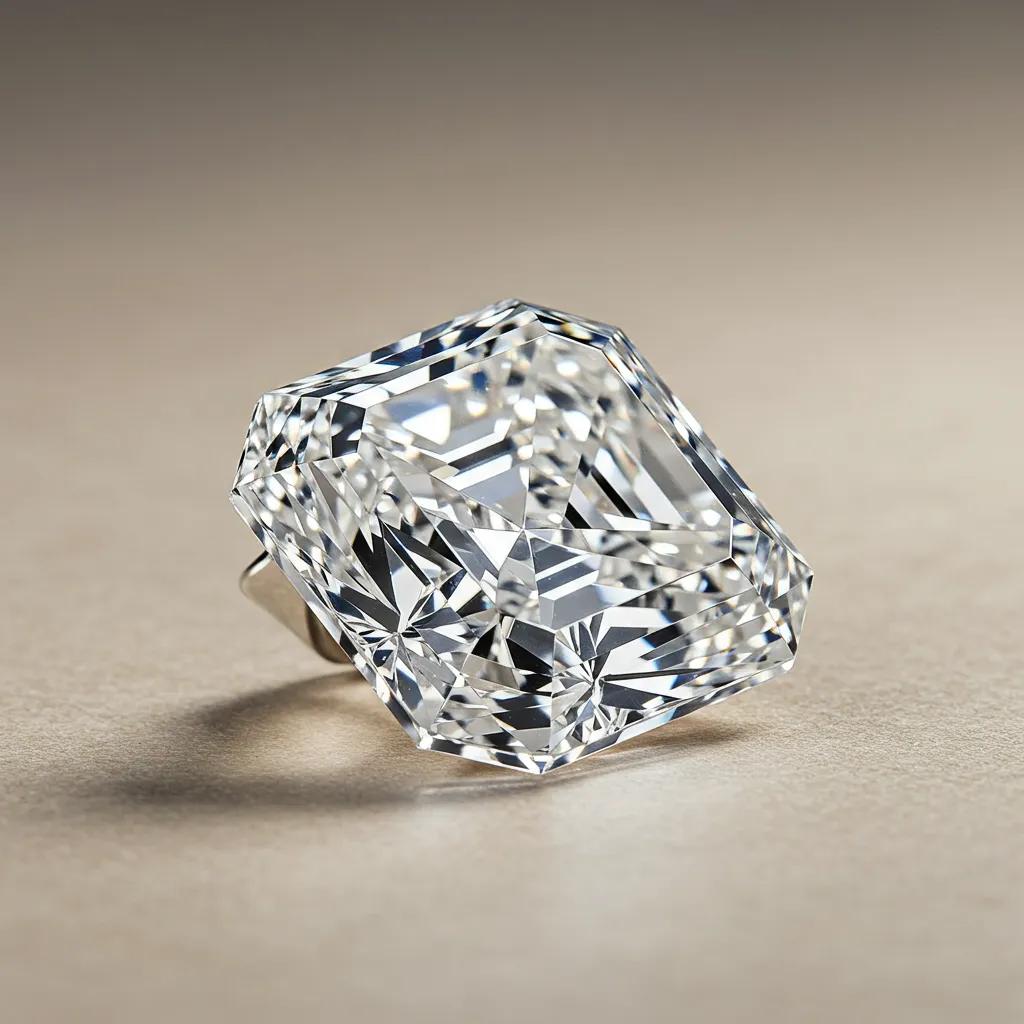
An Asscher cut diamond is a square step-cut gem featuring elegantly cropped corners, meticulously designed to reveal broad facets that capture and reflect light dramatically, creating a mesmerising ‘hall of mirrors’ effect. Its geometric precision enhances its inherent clarity, offering a captivating interplay of light and depth that truly sets it apart.
What are the defining features of the Asscher cut diamond’s shape and style?
The Asscher cut diamond is instantly recognisable by its octagonal outline, achieved by trimming the corners of a square girdle. It boasts twelve concentric step facets that ascend from the pavilion to a high crown, creating expansive reflective surfaces rather than the sharp sparkle of brilliant cuts. These parallel facets beautifully accentuate clarity and symmetry two fundamental qualities that distinguish this square step cut diamond in the realm of fine jewellery.
The broad step facets necessitate exceptional polish and symmetry to create large, flawless reflective planes. This intricate facet arrangement produces a striking dance of light and shadow, a hallmark of its sophisticated aesthetic. Understanding this unique facet structure is key to appreciating the captivating ‘hall of mirrors’ phenomenon it produces.
How does the ‘hall of mirrors’ effect create its signature allure?
The enchanting ‘hall of mirrors’ effect arises as opposing step facets reflect light back and forth within the diamond’s pavilion, generating an illusion of infinite depth, much like looking into a mirrored tunnel. These wide, flat facets act as internal mirrors, intensifying the contrast between brilliant flashes and darker zones. This optical marvel is responsible for the dramatic light play that defines the Asscher’s distinctive character.
With each step facet perfectly aligned with its counterpart, light bounces internally before returning through the table. The result is a mesmerising sequence of bright chevrons and deep, captivating flashes that draw the eye inward, reinforcing the Asscher cut diamond’s unique visual identity. This exquisite interplay of geometry and light naturally leads to its renowned rarity and vintage charm.
Why is the Asscher cut considered both rare and imbued with vintage appeal?
Asscher cut diamonds are inherently rare, primarily because their large, step-cut facets tend to magnify any internal inclusions, necessitating higher clarity grades and thus limiting available supply. First conceived in the early 1900s, its distinctive Art Deco geometry has experienced a resurgence in popularity among discerning collectors who cherish its historical significance, making it a truly exceptional vintage diamond choice.
This inherent scarcity, coupled with its evocative period charm, positions the Asscher cut as a treasured find for those seeking authentic Art Deco sophistication. Its limited production and the meticulous craftsmanship required ensure that genuine Asscher cuts remain a distinguished offering, solidifying their status as highly sought-after vintage diamonds.
Delving into the History and Origins of the Asscher Cut Diamond
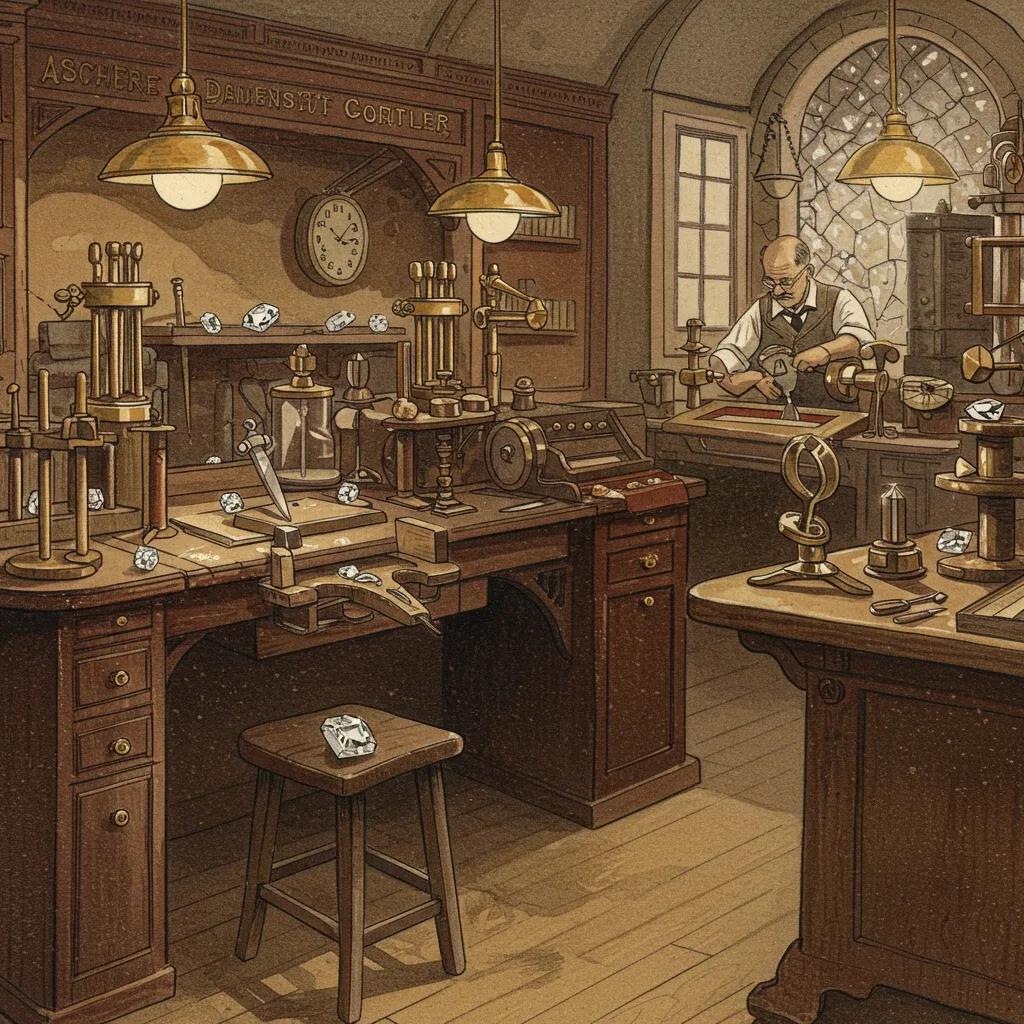
The Asscher cut diamond first graced the world in 1902, thanks to the visionary Joseph Asscher, who developed a square step cut that masterfully combined structural clarity with a novel geometric aesthetic. By securing a patent for his design, he effectively created a new diamond category that would soon define an era.
TheAsscher CutDiamond: History and Facet DetailsThe Asscher cut (patented in 1902) was a squarish diamond with… Featuring 74 facets and a more geometric appearance, the Royal Asscher… Both loose stones and jewellery featuring the Royal Asscher cut diamond…GEM NEWS International, Unknown Author, 1902
Who was Joseph Asscher and what was his groundbreaking contribution?
Joseph Asscher was a renowned master diamond cutter and the esteemed founder of the Royal Asscher Diamond Company. He is credited with pioneering the very first square step cut diamond and successfully patenting it in 1902, laying the essential groundwork for what would become the iconic Asscher cut.
His meticulous, precision-focused approach led to the development of high crowns and deep pavilions, significantly enhancing light performance through expertly crafted facets. This groundbreaking innovation established new benchmarks for symmetry and proportion, profoundly influencing subsequent step cuts and shaping the distinctive jewellery designs of the Art Deco period.
How did the Royal Asscher Diamond Company shape and elevate the cut?
Throughout the twentieth century, the Royal Asscher Diamond Company continued to refine the original Asscher design, ultimately introducing the celebrated “Royal Asscher Cut.” This enhanced version features 74 precisely calculated facets, designed to maximise brilliance and contrast. The family’s enduring legacy ensured rigorous quality control, further cementing the cut’s status as a symbol of luxury.
By trademarking and perfecting the Asscher’s proportions, the company solidified its position as a leader in precision diamond cutting. This unwavering commitment to exceptional craftsmanship reinforced the cut’s esteemed reputation and inspired generations of collectors seeking the pinnacle of square step cut diamonds.
Why did the Asscher cut become so popular during the Art Deco era?
The Art Deco movement’s profound appreciation for geometric forms and architectural lines found a perfect match in the Asscher cut’s square profile and symmetrical facets. The cut’s distinct angular silhouette harmonised beautifully with the era’s prevalent jewellery motifs, establishing it as a defining element of 1920s design.
During this vibrant period, bold geometry and clean, streamlined lines dominated aesthetics across fashion, art, and architecture. The Asscher’s inherent structural clarity and mirror-like brilliance perfectly embodied these principles, driving significant demand among patrons of avant-garde and sophisticated jewellery.
Unpacking the Key Characteristics and 4Cs of Asscher Cut Diamonds
Asscher cut diamonds require careful consideration of the 4Cs cut, clarity, colour, and carat as their distinctive step facets tend to highlight every attribute. A thorough evaluation of each component is essential to ensure a visually flawless, colourless appearance and perfectly balanced proportions for optimal light performance.
How do cut quality, clarity, colour, and carat weight influence Asscher diamonds?
A precisely executed cut is paramount for aligning the facets perfectly and maximising light return. High clarity grades (VS2 and above) are crucial for ensuring that any internal inclusions remain invisible to the naked eye. Colour grades D–F are ideal for maintaining the diamond’s icy purity under the step-cut facets, while carat weight influences the diamond’s size and presence without compromising its overall proportions.
Below is a concise overview of how each attribute impacts the aesthetic appeal of Asscher cut diamonds:
Why is clarity particularly vital for Asscher cut diamonds?
Clarity is of paramount importance because the large, flat step facets of an Asscher cut act like clear windows, readily revealing any internal inclusions or surface blemishes. Opting for eye-clean clarity grades (VS2 or better) guarantees that the diamond’s reflections remain sharp and free from distracting dark spots.
Without a high clarity grade, the signature ‘hall of mirrors’ effect can be compromised by visible flaws. Selecting diamonds with minimal inclusions preserves the cut’s characteristic depth and brilliance, underscoring the exceptional craftsmanship inherent in every Asscher profile.
What are the ideal proportions and facet arrangements for an Asscher cut?
Ideal Asscher cuts typically feature a table size ranging from 60 to 68 percent, a pavilion depth between 55 and 63 percent, and a crown height of 12 to 19 percent. A length-to-width ratio of 1.00–1.05 ensures a perfectly square outline, while the number of facets, usually between 58 and 74, is optimised to enhance contrast and light play.
These precise proportions are carefully balanced to create the characteristic interplay between reflective areas and darker planes, resulting in the distinctive chevron pattern. The meticulous attention to each percentage point reflects the designer’s intent to achieve optimal light performance, making facet geometry the very foundation of this rare square step cut diamond.
How Does the Asscher Cut Measure Up Against Other Diamond Shapes?
Asscher cuts distinguish themselves from other step and brilliant cuts through their unique square profile and specific facet strategy, offering a captivating interplay of light and shadow that stands in contrast to the elongated forms of emerald cuts and the multifaceted sparkle of princess or radiant cuts.
TheAsscher Cut: A Square Variation of the Emerald Cut… most significant cuts in jewellery craft; the Asscher cut is a square version of the emerald cut; the radiant cut is most often used for coloured diamonds; …Diamond cutting, Unknown Author, 2025
What are the key differences between Asscher cut and emerald cut diamonds?
While both Asscher and emerald cuts feature step facets, they differ significantly in their outline: Asscher cuts are distinctly square, whereas emerald cuts are rectangular with cropped corners. The Asscher’s typically higher crown and deeper pavilion contribute to more pronounced light contrast, while emerald cuts tend to produce broader, more subtle flashes of light.
How does the Asscher cut differ from princess and radiant cuts?
Princess and radiant cuts employ brilliant-style facets to maximise scintillation, resulting in a more intensely sparkly and fiery appearance. In contrast, the Asscher’s step-cut structure prioritises clarity and symmetry, generating mirror-like reflections rather than dispersed brilliance.
Princess cuts are characterised by their pointed corners and numerous small facets designed for sparkle, while radiant cuts ingeniously blend step and brilliant facets to achieve a hybrid brilliance. The Asscher’s unique depth and the crisp intersections of its facets create a captivating hall of mirrors effect that is unparalleled by these brilliant-focused styles.
Which cut is best suited for vintage versus modern jewellery aesthetics?
For those seeking authentic vintage designs, the Asscher cut’s rich Art Deco heritage and striking geometric lines integrate seamlessly with period-inspired settings. Modern aesthetics often lean towards brilliant cuts like the princess or radiant for maximum sparkle; however, some contemporary designers skillfully incorporate Asscher cuts into minimalist or geometric settings, creating a sophisticated fusion of classic and contemporary styles.
Ultimately, whether you are drawn to vintage authenticity or a modern interpretation, the choice of cut depends on the desired interplay between facet style and your personal taste. The Asscher cut remains the premier selection when historic elegance and a structured, captivating light performance are paramount.
Your Guide to Selecting and Purchasing Asscher Cut Diamonds in Australia
Navigating the purchase of an Asscher cut diamond in Australia involves understanding local market pricing, the importance of certification standards, ethical sourcing regulations, and the compelling advantages of lab-grown alternatives. Making informed decisions starts with a clear grasp of these key factors, aligning perfectly with the Australian Diamond Company’s commitment to conflict-free sourcing under the rigorous Kimberley Process.
Proprietary Diamond Cuts: RoyalAsscherand Eternal…, a 2.12 ct Eternal® cut, and a 0.94 ct radiant cut. The Eternal and Royal Asscher cuts are … A diamond cut design, given that its facet arrangement is obvious to any trained observer, …Legal protection for proprietary diamond cuts, Unknown Author, 2002
What factors influence the pricing of Asscher cut diamonds in Australia?
Pricing for Asscher cut diamonds in Australia is influenced by global supply dynamics, the diamond’s clarity grade, its colour range, carat weight, and its origin (whether natural or lab-grown). Market data from late 2025 indicates that 0.9-carat lab-grown Asscher diamonds average around AUD 361, while their natural counterparts command a significant premium.
Additional factors such as regional demand, shipping logistics, and the costs associated with certification also play a role in determining the final price. A thorough understanding of these pricing drivers empowers buyers to effectively balance their budget goals with their desired quality specifications.
Why is GIA certification essential for Asscher diamonds?
GIA certification provides an indispensable, unbiased assessment of the 4Cs, ensuring that the diamond’s cut proportions, clarity, colour, and carat details meet stringent industry standards. Verified laboratory reports instill absolute confidence that the diamond’s characteristics are accurately represented.
This certification not only underpins the diamond’s investment value but also serves as crucial protection for buyers against misrepresented proportions or clarity issues that could otherwise detract from the signature ‘hall of mirrors’ effect unique to these exquisite step-cut diamonds.
How can you ensure you are identifying ethical and conflict-free Asscher cut diamonds?
Ensuring ethical sourcing involves strict adherence to the Kimberley Process and the utilisation of reputable supply chains that meticulously document the origin of diamonds from conflict-free zones. Requesting provenance certificates and demanding transparency throughout the supply chain guarantees that each diamond meets international human rights standards.
Purchasing from established Australian retailers that openly publish their ethical sourcing policies further affirms a commitment to responsible diamond acquisition. This diligent approach provides both moral assurance and guarantees of quality.
What are the advantages of choosing lab-grown Asscher cut diamonds?
Lab-grown Asscher cut diamonds offer substantial cost savings, often up to 30 percent less than their natural counterparts, while possessing identical chemical and optical properties. They provide complete traceability, consistent clarity grades, and a reduced environmental footprint making them an increasingly appealing choice for buyers who prioritise both ethics and exceptional value.
This meticulously controlled growth process allows for the precise replication of ideal step-cut proportions, delivering the same mesmerising ‘hall of mirrors’ effect without the rarity premium associated with mined diamonds.
Exploring Popular Engagement Ring Styles Featuring Asscher Cut Diamonds
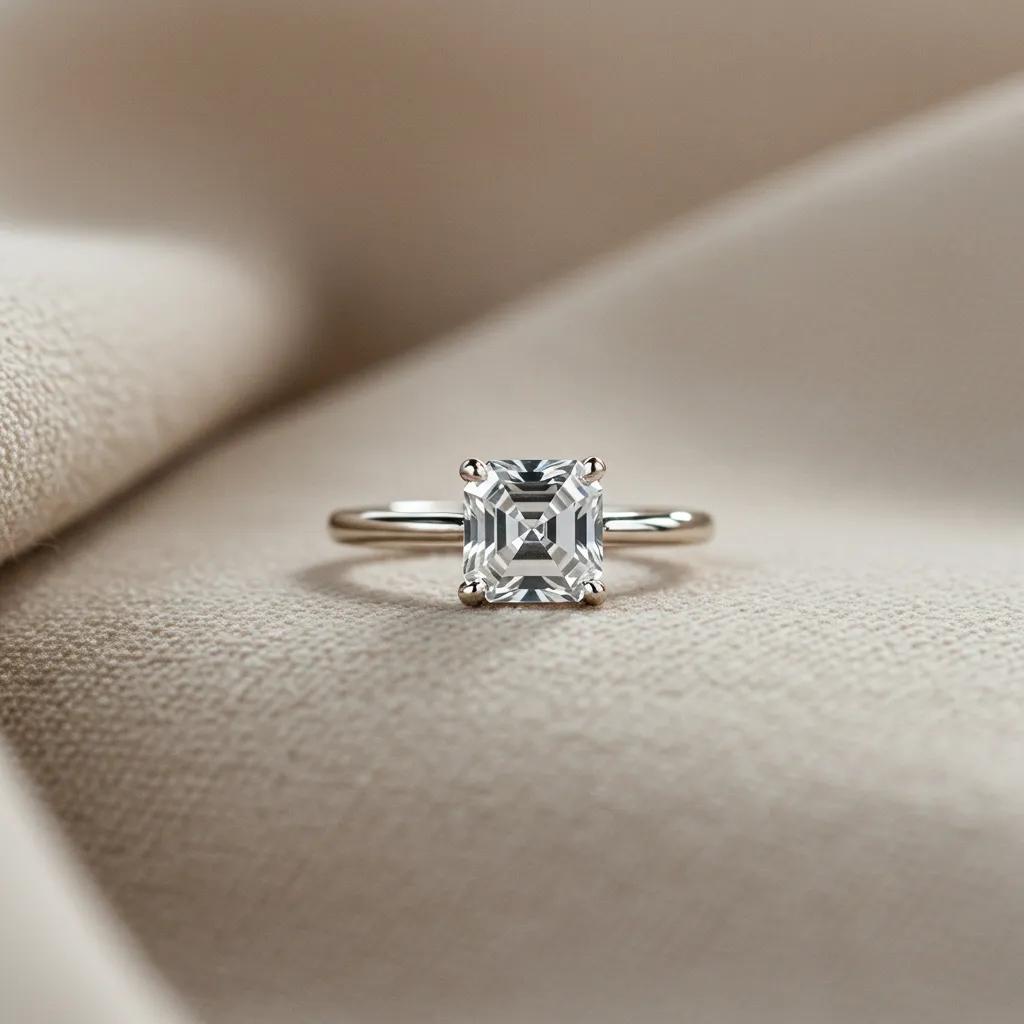
Asscher cut diamonds integrate seamlessly into a variety of exquisite settings, from the understated elegance of classic solitaires to the intricate beauty of vintage-inspired designs. Each style is carefully chosen to enhance the cut’s inherent geometry and light-reflecting capabilities, complemented by thoughtful metal choices and bespoke detailing.
Which settings best highlight the beauty of Asscher cut diamonds?
Solitaire settings provide an unobstructed view of the diamond’s unique outline, allowing its geometric beauty to take centre stage. Halo settings encircle the square step cut diamond with smaller, brilliant stones, creating a captivating contrast and amplifying its sparkle. Three-stone rings elegantly pair the central Asscher cut with tapered baguettes, accentuating its symmetry and structural integrity.
- Solitaire: For pure, unadulterated structural elegance.
- Halo: To enhance sparkle through brilliant contrast.
- Three-stone: For a balanced and harmonious composition.
Each setting offers a distinct way to showcase the mesmerising ‘hall of mirrors’ effect, guiding you towards a design that perfectly reflects your personal style.
What metal choices beautifully complement Asscher cut engagement rings?
Platinum and white gold serve to enhance the diamond’s icy white brilliance, while yellow and rose gold introduce a warm, inviting contrast that beautifully underscores the cut’s vintage origins. High-polish finishes maximise the diamond’s reflective properties, and delicate milgrain detailing evokes authentic Art Deco charm.
Selecting a metal colour that harmonises with the diamond’s subtle undertones ensures a visually cohesive and elegant presentation. For an elevated vintage feel, consider the romantic warmth of rose gold; for a sleek, contemporary aesthetic, platinum remains the quintessential choice.
How can you personalise an Asscher cut diamond engagement ring?
Customisation possibilities are vast, including intricate engraving of detailed filigree, the selection of bespoke gallery designs, and the integration of complementary side-stone accents such as French-cut diamonds. Personal touches like mixed-metal bands or subtle hidden halo structures further enhance individuality and allow the ring to tell a unique personal story.
Collaborating with the Australian Diamond Company’s expert design team enables you to refine 3D renderings and select precise facet proportions, ensuring that your custom Asscher cut engagement ring perfectly aligns with both your personal taste and optimal light performance.
Frequently Asked Questions About Unique Asscher Cut Diamonds
This section provides clear, concise answers to common inquiries, designed for quick understanding and ready for featured snippet inclusion.
What defines an Asscher cut diamond?
An Asscher cut diamond is a square step-cut diamond characterised by its cropped corners and broad, parallel facets. These facets create a distinctive ‘hall of mirrors’ optical effect and a signature chevron pattern.
Are Asscher cut diamonds a suitable choice for engagement rings?
Absolutely. Asscher cut diamonds offer a captivating blend of vintage elegance and structural brilliance, making them an exceptional choice for engagement rings that celebrate geometric beauty and refined clarity.
How does the sparkle of an Asscher cut diamond compare to other cuts?
Asscher cut diamonds deliver sparkle through broad flashes of light and shadow, rather than the dispersed scintillation seen in brilliant cuts. Their step facets produce wide, mirror-like reflections, offering a distinct visual experience compared to other cuts.
Are Asscher cut diamonds considered rare and valuable?
Yes, Asscher cut diamonds are indeed rare, accounting for approximately 2 percent of all diamonds. Their value is attributed to the exceptionally precise clarity and cut standards required to achieve their signature optical performance.
What distinguishes a Royal Asscher cut diamond?
A Royal Asscher cut diamond features an increased facet count, typically 74 facets, and optimised proportions meticulously developed by the Royal Asscher Diamond Company. This enhanced design results in intensified brilliance and superior contrast.
Your journey to discovering the perfect, unique Asscher cut diamond is a beautiful blend of appreciating historic elegance, adhering to precise gemmological standards, and benefiting from tailored design guidance all supported by the Australian Diamond Company’s unparalleled expertise in ethical sourcing and bespoke craftsmanship.


