
Discover the Allure of Asscher Cut Diamond Rings: Your Definitive Guide
Are you drawn to diamond rings that blend precise geometry with enduring elegance? Asscher cut diamond rings offer a mesmerising “hall of mirrors” effect and a rich Art Deco lineage. Selecting the perfect one involves a keen eye for its cut, clarity, colour, and carat weight. This comprehensive guide will illuminate what sets Asscher cuts apart, how to choose the ideal stone using the 4Cs, compare them with emerald and princess cuts, explore the finest settings and metals, discuss local Australian pricing and sourcing, cover essential care, and answer your most pressing questions, all grounded in expert craftsmanship and a commitment to ethical sourcing.
What Makes Asscher Cut Diamond Rings Truly Special?
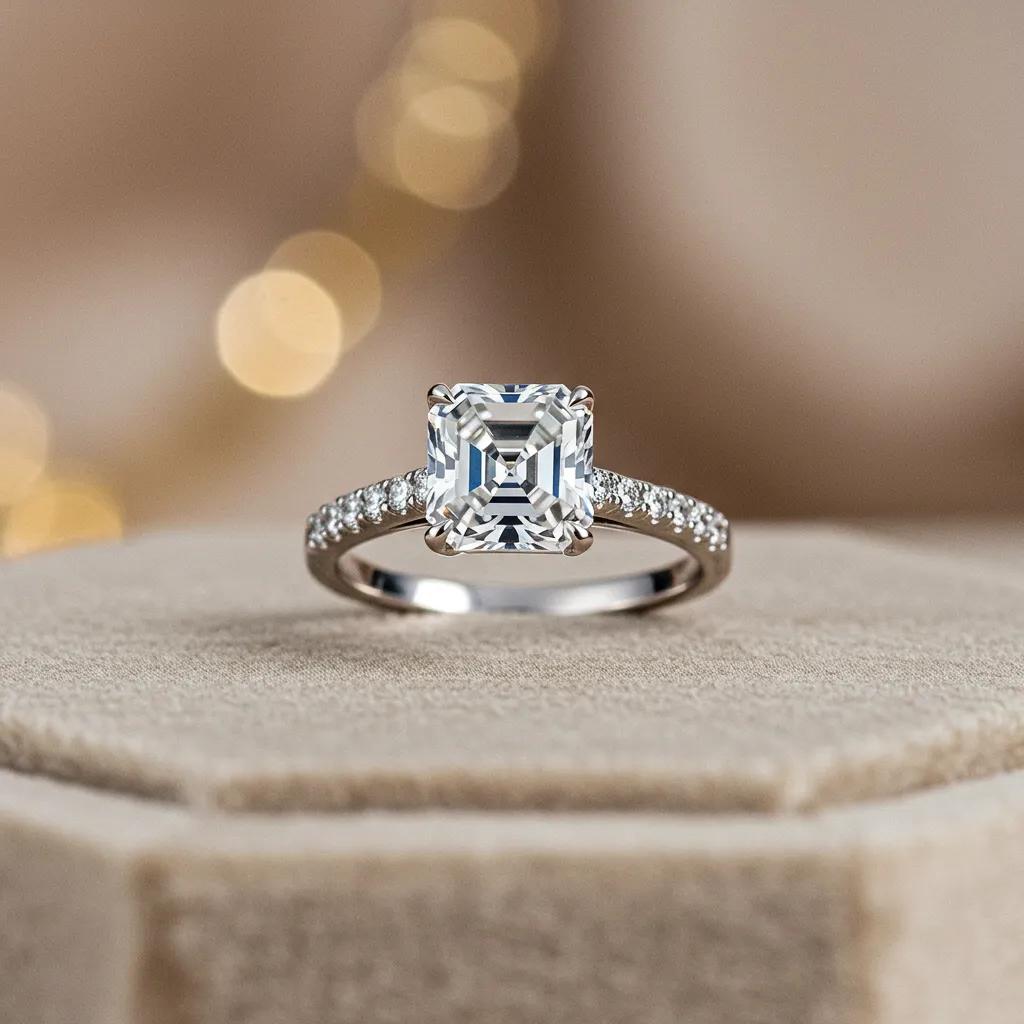
Asscher cut diamond rings are distinguished by their square shape with clipped corners and parallel step facets, creating a captivating kaleidoscopic display of light. This meticulous cut prioritises clarity and depth over sheer sparkle, delivering sophisticated symmetry and a timeless, vintage-inspired profile. Our master jewellers ensure each facet is expertly polished to maintain crisp edges and produce dramatic reflections.
What Are the Defining Features of an Asscher Cut Diamond?
An Asscher cut diamond is characterised by its square outline, bevelled corners, deep pavilion, and broad step facets that generate concentric light refractions. Its open table and high crown necessitate exceptional clarity to conceal any inclusions, while perfect symmetry ensures a balanced hall-of-mirrors effect. This precise combination of geometry and proportion results in a striking, architectural sparkle that defines the Asscher aesthetic.
How Does the Art Deco Era Inspire Asscher Cut Ring Designs?
The geometric forms, symmetry, and bold contrasts inherent in Art Deco design principles are the direct inspiration for Asscher cut ring settings. Our designers frequently incorporate stepped galleries, millegrain detailing, and angular edges to evoke the glamour of the 1920s. Vintage elements like intricate filigree and calé patterns further enhance the historic charm, making each ring a contemporary tribute to period artistry and refined architectural lines.
Why Opt for an Asscher Cut for Your Engagement Ring?
Choosing an Asscher cut for an engagement ring signifies discerning taste and an appreciation for classic style. Its distinctive step facets offer a subtle, sophisticated brilliance, drawing attention to the diamond’s internal clarity and precise symmetry. Symbolically, the cut’s architectural precision represents enduring strength and unwavering commitment, making it an ideal choice for a piece that marries artistry with lasting significance.
Selecting Your Ideal Asscher Cut Diamond: A Deep Dive into the 4Cs
Choosing the perfect Asscher cut diamond involves a nuanced understanding of how cut quality, clarity grade, colour range, and carat weight influence its appearance and value. Each of the “Cs” interacts uniquely with the step-cut structure, guiding you to prioritise attributes that enhance the hall-of-mirrors effect and achieve an eye-clean, beautifully proportioned stone.
What Are the Optimal Cut and Proportions for Asscher Diamonds?
Ideal Asscher cut proportions typically include a table percentage between 60-67%, a depth of 62-68%, and flawless symmetry. A slightly higher crown angle can boost internal reflections, while a well-proportioned pavilion ensures excellent light return. This careful balance promotes optimal brilliance and contrast, ensuring the diamond’s facets align perfectly to create the concentric light patterns that are the hallmark of this cut.
Which Clarity Grades Are Best Suited for Asscher Cut Diamonds?
Asscher cuts demand higher clarity grades, generally ranging from VS2 to VVS2, to maintain an open facet structure free from visible inclusions. Eye-clean VS1 and VS2 stones offer excellent value, balancing affordability with the necessary transparency for the step facets. Lower grades risk diminishing the hall-of-mirrors effect with noticeable blemishes.
What Colour Grades Best Complement Asscher Cut Diamonds?
Colour grades from D to H are considered ideal for Asscher cuts. D-F grades deliver a pristine, icy white brilliance, while G-H offers exceptional near-colourless value. White metals like platinum and 18K white gold enhance the diamond’s perceived whiteness. Alternatively, warmer yellow or rose gold settings can introduce a subtle vintage tone, beautifully complementing the faint body colour found in G-H graded stones.
How Does Carat Weight Influence the Appearance and Price of Asscher Diamonds?
Carat weight in Asscher cuts significantly impacts price, often more than perceived size, due to the deep pavilions that concentrate the face-up area. A 1.0 ct Asscher might appear slightly smaller than a round brilliant of the same weight but commands a higher price due to the greater rough diamond wastage during cutting. Balancing your carat expectations with ideal cut proportions ensures the best visual impact within your budget.
Asscher Cut Diamonds vs. Other Popular Cuts: A Comparative Look
Comparing Asscher cuts with emerald and princess shapes reveals distinct differences in facet architecture, light performance, and pricing. While emerald cuts share the step-facet style, they present a rectangular outline and more subdued reflections. Princess cuts offer sharp, brilliant sparkle but lack the distinctive hall-of-mirrors depth characteristic of Asscher stones.
These key distinctions will help guide your choice based on whether you favour architectural reflections, understated flashes, or maximum sparkle.
What Are the Primary Differences Between Asscher and Emerald Cut Diamonds?
Asscher and emerald cuts both employ step facets but differ significantly in their proportions. Asscher cuts are square with clipped corners and a higher crown, producing more dramatic light refraction. Emerald cuts are elongated rectangles with larger tables and shallower pavilions, resulting in softer, linear flashes that contrast with the Asscher’s concentric brilliance.
How Does the Asscher Cut Differ from the Princess Cut?
The Asscher cut relies on broad step facets to create mirror-like reflections, while the princess cut utilises numerous smaller facets to maximise scintillation. Princess diamonds often appear more brilliant at first glance but lack the geometric depth and emphasis on clarity that make Asscher stones unique. Each cut caters to different aesthetic preferences: architectural elegance versus vibrant sparkle.
What Are the Price Variations Among Asscher, Emerald, and Princess Cuts?
Asscher cuts typically carry a 5-15% price premium over emerald and princess cuts of comparable carat weight. This is due to higher rough diamond wastage and more demanding craftsmanship. Emerald cuts generally fall in the mid-price range, while princess cuts often provide the best value per carat. Price variations are also influenced by the specific clarity and colour requirements unique to each cut’s visibility criteria.
The Finest Settings and Styles for Asscher Cut Engagement Rings
The ideal setting for an Asscher diamond is one that enhances its step facets and symmetry without overpowering the stone. Our collection ranges from classic solitaires that spotlight its architectural form to halo and three-stone arrangements that add brilliance and dimension while preserving the cut’s inherent geometric purity.
Which Ring Settings Best Showcase the Asscher Cut’s Unique Sparkle?
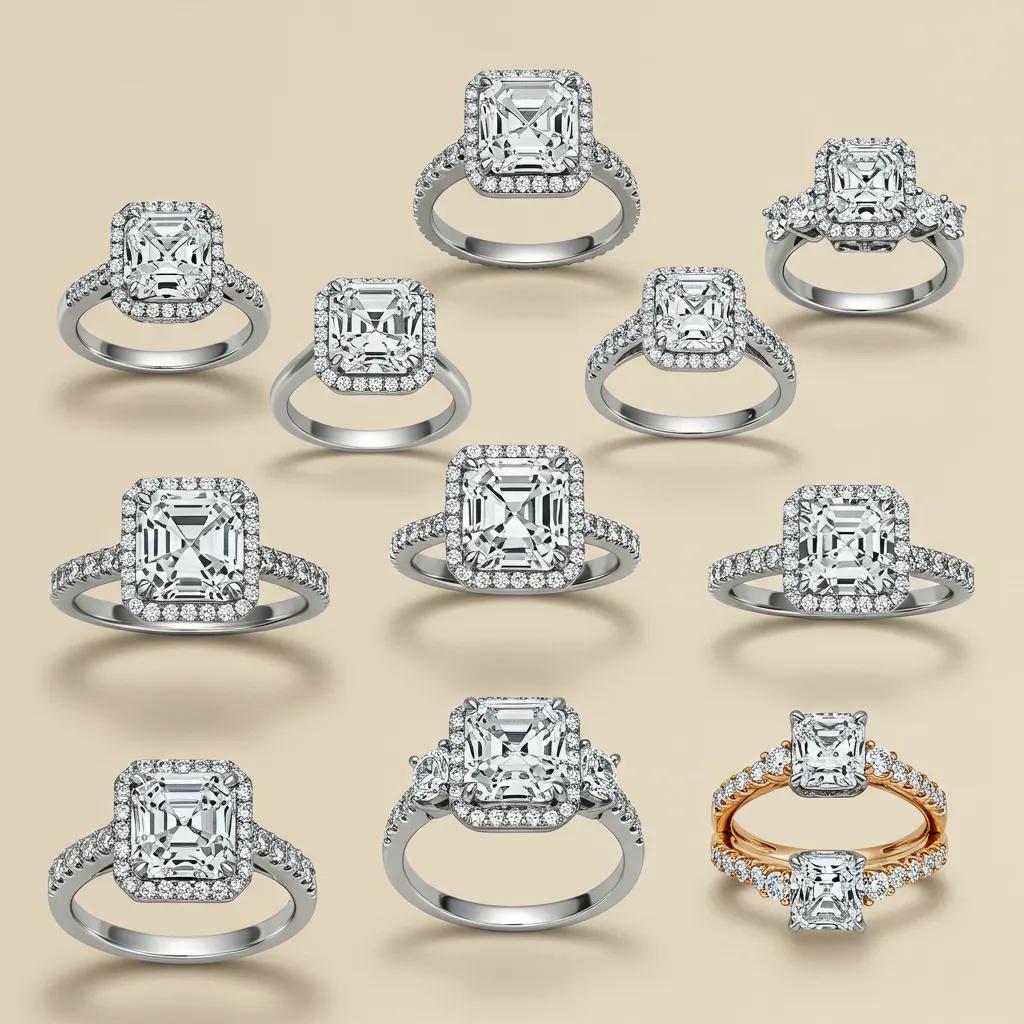
Solitaire settings provide a minimalist frame, allowing unobstructed light to flow through the step facets. A halo of smaller brilliant diamonds can add a captivating contrast to the centre stone and increase its apparent size, all while preserving the integrity of the hall-of-mirrors effect. Three-stone bands elegantly pair two accent diamonds with a central Asscher, creating a balanced symmetry that complements the cut’s precision.
How Do Metal Choices Influence the Appearance of Asscher Cut Rings?
Platinum and white gold settings are excellent choices for reflecting and amplifying a diamond’s true colour, making them ideal for D-F grades. Yellow and rose gold can subtly mask any slight body colour in G-H stones and introduce a warm contrast for a vintage-inspired look. Your metal choice also impacts durability, with platinum offering superior scratch resistance for enduring wear.
What Vintage and Art Deco Styles Harmonise with Asscher Cut Diamonds?
Vintage-inspired settings featuring delicate filigree, precise millegrain, and intricate engraved metalwork beautifully echo the Art Deco origins of the Asscher cut. Geometric elements such as stepped shoulders and baguette side stones further enhance the period aesthetic, creating a cohesive design that highlights architectural form and timeless elegance.
Where to Acquire and Understand Pricing for Asscher Cut Diamond Rings in Australia
Within Australia’s discerning fine jewellery market, Asscher cut diamonds exhibit a wide price spectrum, influenced by carat weight and overall quality. Natural diamonds command premium prices, while ethically produced lab-grown alternatives offer comparable optical performance at a significantly lower cost, often 20-40% less. Our custom design studios in Sydney and Melbourne specialise in tailored settings and provide ethically sourced options for the most discerning clientele.
What Is the Current Price Landscape for Asscher Cut Diamonds in Australia?
For a 1 ct natural Asscher diamond in Australia, prices typically range from AUD 3,000 to AUD 7,500, varying with the 4Cs. Lab-grown equivalents of similar clarity and colour begin around AUD 1,800 for a 1 ct stone. These price ranges are subject to market dynamics and certification standards, providing a guide for informed purchasing decisions.
The RoyalAsscher Cut: Distinctive Appearance and Gemstone CharacteristicsThe Asscher cut still retains the distinctive appearance of its predecessor. Both loose stones and those with a Royal Asscher cut… A similar engraved Colombian emerald was featured on the cover of the…GEM NEWS International, Unknown Author, 2001
How Do Lab-Grown Asscher Diamonds Measure Up Against Natural Ones?
Lab-grown Asscher diamonds possess the identical crystal structure, clarity, and colour grades as their natural counterparts but are available at a considerably lower price point due to controlled production environments. Their ethical sourcing and reduced environmental impact appeal strongly to eco-conscious consumers. GIA certification guarantees traceable quality, making lab-grown Asschers a highly attractive alternative.
Where Can You Commission Custom Asscher Cut Diamond Rings in Sydney and Melbourne?
Sydney and Melbourne are home to premier bespoke jewellery ateliers that offer personalised design consultations and expert custom fabrication of Asscher cut rings. These studios combine in-depth gemological expertise with advanced CAD modelling, empowering clients to personalise every detail of their engagement band, from precise cut proportions to the final metal finish, all while upholding the highest ethical sourcing standards.
Essential Care and Maintenance for Your Asscher Cut Diamond Ring
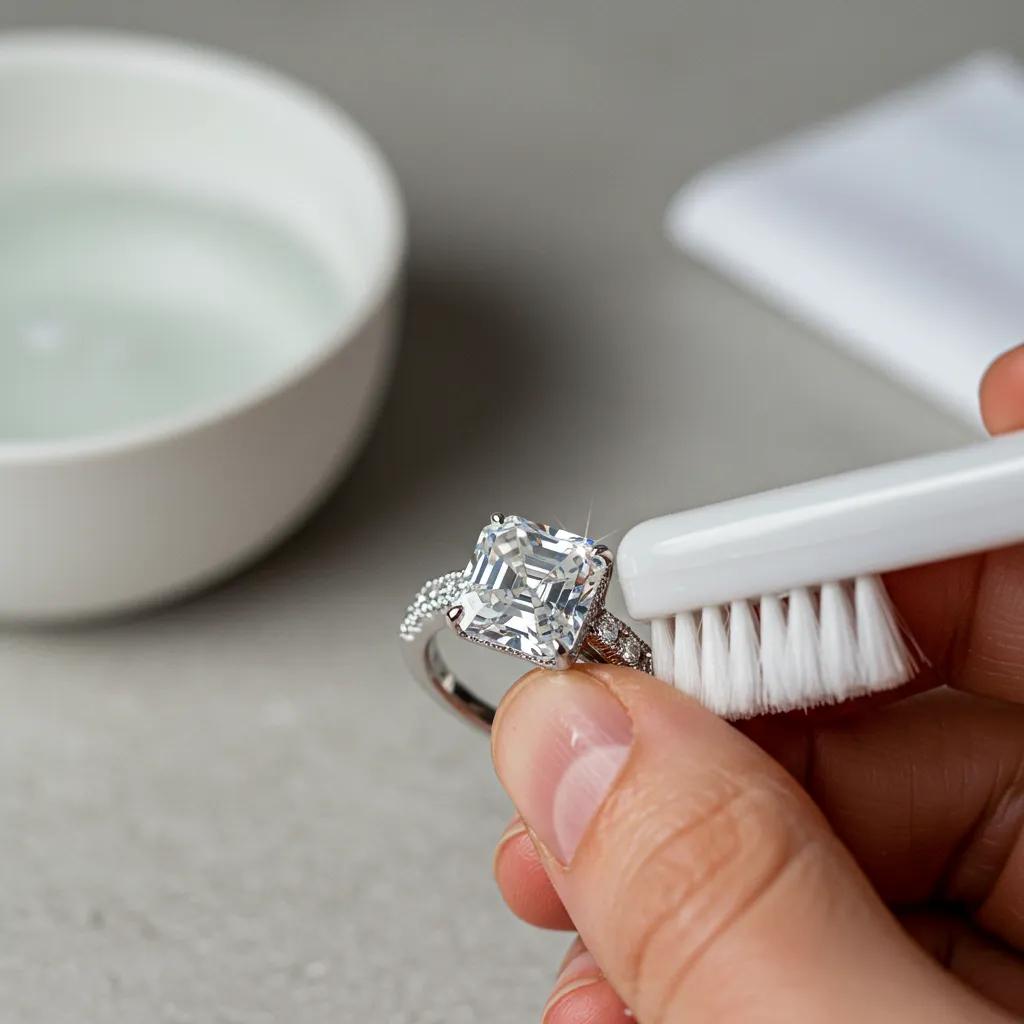
Proper maintenance of your Asscher cut ring is crucial for preserving its architectural brilliance and precise symmetry over time. Gentle cleaning and regular professional inspections help prevent facet dulling, metal wear, and setting misalignment, ensuring its enduring sparkle and structural integrity.
What Are the Recommended Cleaning Methods for Asscher Cut Diamonds?
We recommend gentle cleaning with lukewarm water, a mild detergent, and a soft-bristled brush to effectively remove oils and everyday debris without harming the facets. While ultrasonic cleaners can be suitable for securely set stones, they should be avoided if delicate settings or side stones are present, as they risk loosening. Always dry your ring thoroughly with a lint-free cloth to prevent water spots.
How Frequently Should Your Ring Undergo Professional Inspection?
A professional inspection every six months is advisable to confirm the integrity of the prongs, the security of the stone, and any signs of metal wear. Our certified jewellers use magnification tools to identify any micro-fractures or facet misalignment and ensure the setting remains structurally sound, essential steps for preserving the hall-of-mirrors effect and preventing accidental loss.
Frequently Asked Questions About Asscher Cut Diamond Rings
Prospective buyers often seek clarity on the cut’s definition, price comparisons, and the most suitable settings. Understanding these common inquiries helps demystify why Asscher cuts adhere to specific quality standards and guides you in selecting a ring that aligns perfectly with your personal style, budget, and maintenance preferences.
What Exactly Is an Asscher Cut Diamond?
An Asscher cut diamond is a square step-cut gemstone characterised by its cropped corners, a high crown, and broad facets that create a symmetrical “hall of mirrors” light pattern. This distinctive cut accentuates architectural form and clarity, evoking the geometric elegance of the Art Deco era.
How Does an Asscher Cut Differ from an Emerald Cut?
While both cuts feature step facets, the Asscher cut is square with clipped corners, forming octagonal symmetry. In contrast, the emerald cut is rectangular with parallel facets that produce softer, linear flashes. The Asscher’s deeper pavilion and higher crown contribute to a more dramatic internal reflection pattern.
What Clarity Grade Is Optimal for Asscher Cut Diamonds?
Clarity grades ranging from VS2 to VVS2 are considered optimal for Asscher cuts. This range effectively balances affordability with the near-invisibility of inclusions, ensuring the open table remains transparent and the hall-of-mirrors effect is uninterrupted.
Are Asscher Cut Diamonds Generally More Expensive Than Other Cuts?
Yes, Asscher cut diamonds typically command a price premium of 5-15% compared to princess or emerald cuts of equivalent carat weight. This is attributed to the greater rough diamond wastage and the more exacting polishing requirements. This premium reflects the superior craftsmanship needed to achieve precise facet alignment.
What Are the Most Recommended Settings for Asscher Cut Diamonds?
Solitaire, halo, and three-stone settings each highlight different facets of an Asscher cut: solitaires emphasise its geometric purity, halos enhance its perceived size, and three-stone bands reinforce its symmetry. Your choice of setting should balance your personal style, desired metal contrast, and the overall visual impact you wish to achieve.
Crafted with exceptional precision and informed by decades of gemological expertise, Asscher cut diamond rings represent both a significant design statement and a lasting symbol of commitment. Whether your preference leans towards vintage charm, modern minimalism, or innovative ethical sourcing, understanding the cut’s unique characteristics and value drivers will empower you to select a ring that truly resonates with your personal narrative. We invite you to explore bespoke options with our experienced designers in Sydney and Melbourne to bring your ideal Asscher engagement ring to life.


