
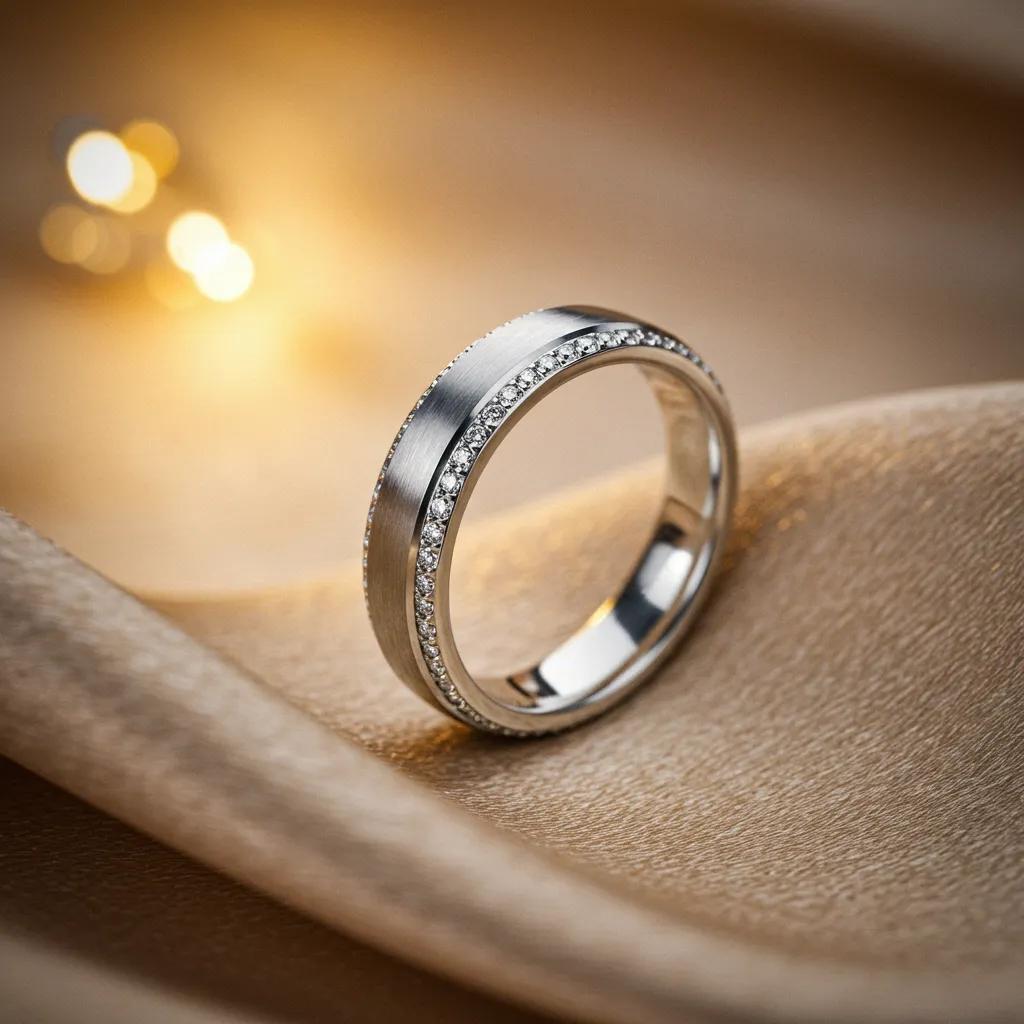
Unrivalled Platinum Wedding Bands: Your Definitive Guide to Enduring Strength, Sophisticated Style, and Hypoallergenic Comfort
Selecting a platinum wedding band means choosing a symbol of lifelong devotion that embodies unparalleled strength, sophisticated style, and exceptional hypoallergenic comfort from the very beginning. This comprehensive guide will illuminate the science behind platinum’s remarkable durability, its benefits for sensitive skin, popular designs for men, detailed comparisons with gold and white gold, practical care advice, the appeal of substantial rings, and the enduring value of a platinum investment. Guided by ADC’s expertise and our commitment to 95 percent pure platinum craftsmanship, you can confidently select the wedding band that perfectly aligns with your aesthetic, practical, and health requirements in Australia.
Why Platinum Wedding Bands Reign Supreme in Durability
Platinum wedding bands offer superior resilience due to the metal’s inherently dense atomic structure, which resists deformation and material loss during everyday wear. This exceptional durability stems from a tightly packed crystal lattice that distributes pressure uniformly, ensuring the band retains its shape and integrity for decades.
The platinum used in fine jewellery is typically 95 percent pure, minimising the inclusion of softer alloy metals and reducing the risk of corrosion. This high level of purity results in less internal stress and fewer weak points within the metal, creating a ring you can wear continuously without signs of deterioration. Understanding these fundamental material properties sets the stage for exploring how density, the development of patina, and comparisons with white gold further underscore platinum’s lasting strength.
What Makes Platinum Exceptionally Strong and Built to Last?
Platinum’s remarkable strength is a direct result of its dense crystal lattice, which effectively resists bending and abrasion, maintaining its form under the stresses of daily life. Its inherent hardness allows it to withstand impacts and friction without developing deep scratches, unlike softer precious metals. In practical terms, wedding rings crafted from platinum retain their profile and edge definition for significantly longer periods, making them the ideal choice for active lifestyles and a lifetime of wear.
How Does Platinum’s Density Enhance Its Durability?
Platinum’s impressive density approximately double that of gold directly contributes to its durability by resisting metal displacement under pressure. A denser metal matrix requires more force to scratch or dent, meaning surface wear tends to displace platinum rather than ejecting material. This characteristic preserves the ring’s mass and shape, and over time, a unique sheen develops rather than significant erosion.
What is Platinum Patina and How Does It Enhance Your Ring?
Patina refers to the soft, matte finish that naturally develops on platinum surfaces as microscopic scratches accumulate and the metal subtly redistributes. Far from diminishing its value, this patina imparts a distinctive aged character, highly prized for its subtle texture and elegant appeal. Many couples cherish patina as a beautiful reflection of their shared journey, while professional re-polishing can easily restore a smooth, high-gloss finish whenever desired.
How Does Platinum Measure Up Against White Gold in Durability?
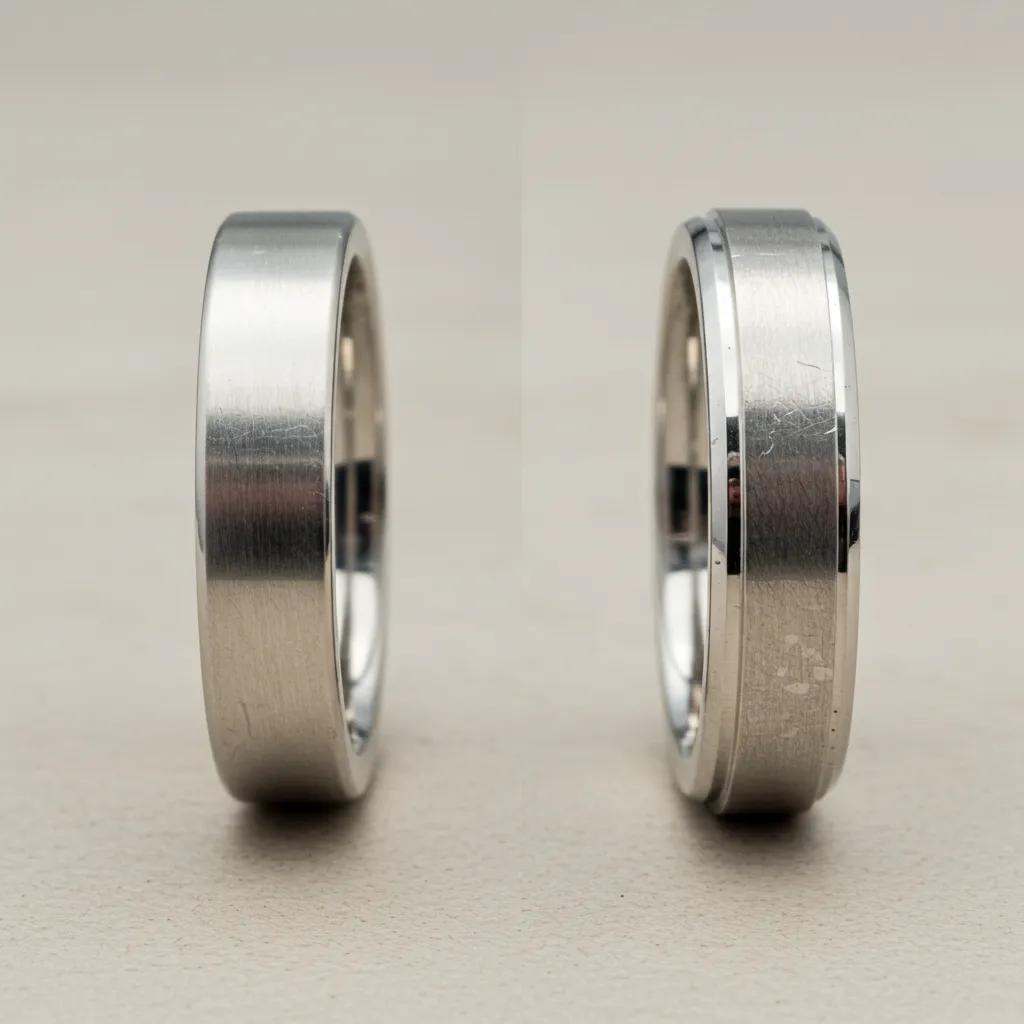
Below is a comparative overview of key durability attributes for platinum and white gold wedding bands:
While platinum and gold alloys may exhibit comparable strength, ductility, and hardness, platinum jewellery demonstrably endures longer than gold. This superior longevity is attributed to platinum‘s unique capacity to resist deformation and material loss during daily wear.
Platinum versus Gold Alloys: A Comparative Study of Wear ResistanceGiven that most platinum and gold alloys exhibit comparable strength, ductility and hardness. In the present study, we have augmented the database with additional platinum alloys as well as the two white gold alloys…Wear Resistance of Platinum and Gold Alloys: A Comparative Study: Platinum jewellery items outlast gold, UE Klotz, 2021
Discover the Hypoallergenic Advantages of Platinum Wedding Bands
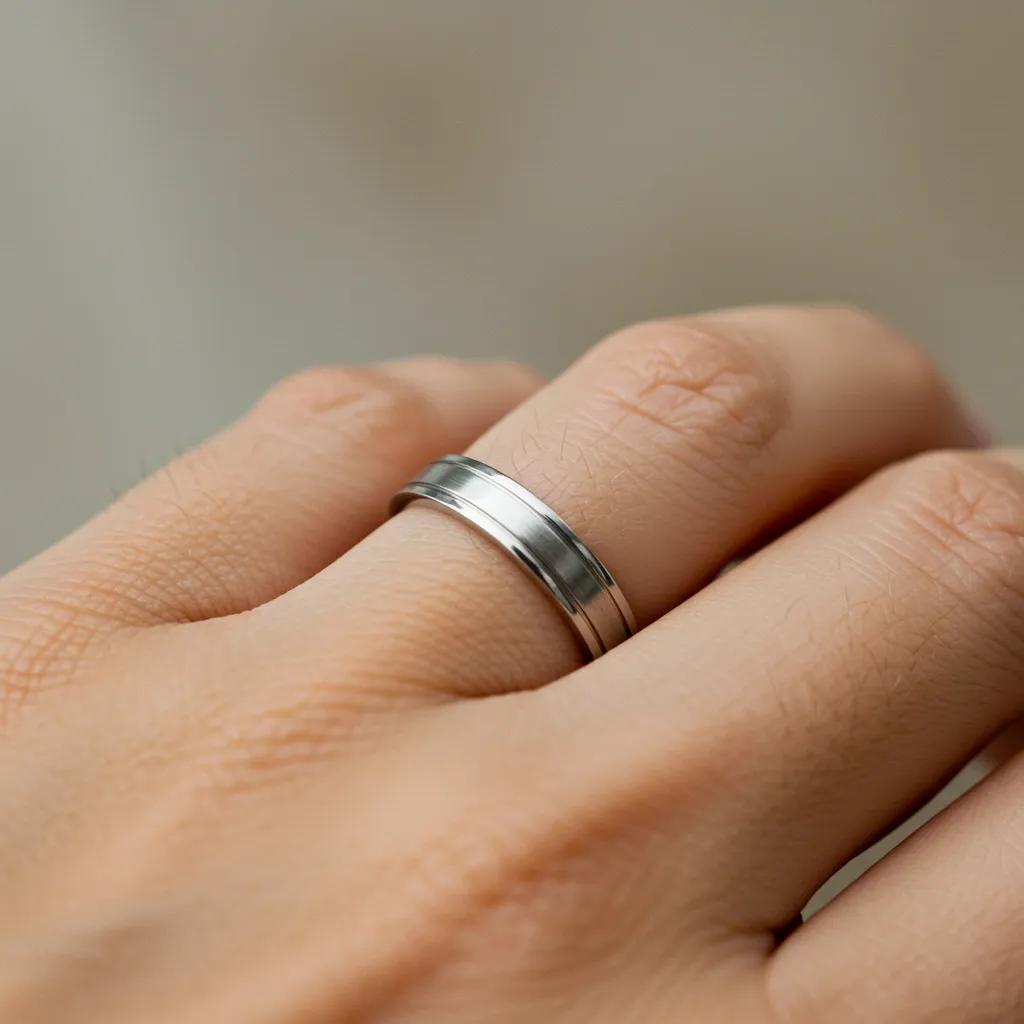
Platinum wedding bands are inherently hypoallergenic, as their exceptional purity eliminates common skin irritants, ensuring supreme comfort and minimising the risk of redness or itching. Pure platinum contains virtually no nickel or other allergenic metals, making it the ideal choice for individuals with metal sensitivities. For couples who prioritise both exquisite elegance and personal well-being, platinum offers a safe, allergy-free solution without compromising on lustre or longevity.
Why is Platinum the Perfect Choice for Sensitive Skin?
Platinum’s high purity, typically 95 percent or more, means it contains negligible amounts of nickel, a frequent trigger for contact dermatitis. The inert nature of platinum prevents metal ions from migrating to the skin, thereby eliminating the irritation and rashes often associated with lower-grade alloys. Wearers can enjoy the beauty of their ring every day without the need for protective coatings or concerns about adverse skin reactions.
How Does Platinum’s Purity Prevent Allergic Reactions?
High purity in platinum rings signifies minimal alloy content, ensuring that potential allergens like cobalt, copper, or nickel are virtually absent. When these hypoallergenic bands come into contact with the skin, there is no release of reactive metal ions, which are the usual cause of histamine responses. The result is a supremely comfortable ring that remains worry-free, even for those with the most sensitive skin types.
What Are Common Allergens in Other Metals Compared to Platinum?
The widespread use of nickel in white gold alloys makes it a common culprit for allergic reactions. In contrast, platinum’s exceptional purity guarantees it is virtually free from such irritants.
White Gold Compromises: Material Properties versus Alternative FormulationsAttributes such as colour, hardness, melting point, tensile strength, cold working performance, investment cast form filling, fire-cracking tendency and nickel allergy response were quantified. Properties of experimental alloys developed from the work of previous studies or new combinations of elements were compared to nickel-bleached carat gold materials. Secondary base metal bleaches such as iron and cobalt did not improve the performance of nickel white golds. Formulations based on the bleaching action of palladium combined with copper exhibited comparable or improved physical properties and commercial viability. Free from nickel, with significantly reduced melting temperatures compared to palladium-silver formulations, these materials were directly compared with conventional carat gold materials. Positive opinions from field testing reinforced laboratory results. Nickel remains the least expensive commercially viable bleach for gold. The cost of palladium additions is a detrimental factor restricting widespread application for high-volume, low-cost jewellery. Where the unique properties of palladium white golds are beneficial for handcrafted items, their additional cost can be justified.White golds: A question of compromises: Conventional material properties compared to alternative formulations, Unknown Author, 1994
How to Select Nickel-Free and Allergy-Safe Wedding Bands
- Confirm the hallmark indicating 950 or higher purity for platinum.
- Request a metal analysis certificate to verify the absence of nickel.
- Choose solid platinum bands over plated alternatives.
- Inquire about the jeweller’s sensitivity guarantee or return policy.
By adhering to these guidelines, you ensure a comfortable, irritation-free wedding band that is built to withstand the rigours of everyday life.
Explore the Diverse Styles and Designs of Men’s Platinum Wedding Bands
Men’s platinum wedding bands present a sophisticated array of designs that harmoniously blend robust durability with refined aesthetics, ranging from sleek, polished profiles to intricately textured finishes. Artisans employ cutting-edge techniques, such as hand-brushed matte finishes and ergonomically designed comfort-fit interiors, to ensure each ring offers both exceptional style and supreme comfort. Understanding these design nuances empowers grooms to select a band that perfectly complements their personal taste and lifestyle demands.
What Comfort Fit and Matte Finish Options Are Currently Popular?
Comfort-fit bands are engineered with a subtly rounded interior profile that gently conforms to the finger, effectively reducing pressure points during wear. Matte finishes, achieved through meticulous micro-abrasion, offer a low-reflective surface highly valued for its understated elegance and its ability to subtly camouflage minor scratches. Popular combinations include beveled-edge matte bands and flat, brushed comfort-fit profiles, striking an ideal balance between visual appeal and everyday practicality.
How Do Weight and Craftsmanship Influence Men’s Platinum Rings?
The substantial weight of platinum conveys a sense of premium quality and reinforces the ring’s inherent solidity. However, skilled artisans meticulously calibrate the band’s thickness and interior shaping to optimise wearer comfort. Precise craftsmanship ensures uniform density distribution, preventing overly bulky designs while preserving the metal’s characteristic heft. This tailored approach results in a ring that feels both reassuringly substantial and comfortably unobtrusive throughout daily activities.
What Are the Latest Trends in Men’s Platinum Wedding Bands?
Contemporary men’s platinum bands increasingly feature minimalist geometric designs, such as subtly sloped edges and understated inlays of contrasting textures. Micro-engraved patterns inspired by architectural lines are also gaining prominence. Mixed-metal designs, incorporating a slender rose gold stripe against a brushed platinum body, are becoming more popular, offering a modern interpretation of classic white-metal rings without compromising platinum’s hypoallergenic and durable advantages.
A Detailed Comparison: Platinum Wedding Bands Versus Gold and White Gold
Comparing platinum with gold and white gold reveals distinct differences in durability, maintenance requirements, and long-term


