
Sophisticated Emerald Cut Diamonds: The Ultimate Guide to Buying and Styling
Emerald cut diamonds embody refined elegance with their distinctive rectangular shape, parallel step facets, and subtly cropped corners. This design creates a mesmerising hall of mirrors effect, offering a unique interplay of light. In this comprehensive guide, you’ll learn how to assess emerald cuts by understanding their core characteristics, interpreting the 4Cs for optimal value, selecting the perfect engagement ring style in Australia, comparing natural and lab-grown options, analysing key price drivers, and navigating a seamless purchasing journey. Throughout, insights from ADC Australia’s bespoke custom design services will demonstrate how an expert jeweller can bring your vision to life. By the end of this article, you’ll be fully equipped to select an emerald cut diamond that perfectly balances brilliance, proportion, and your personal style for a truly sophisticated statement.
What Defines a Sophisticated Emerald Cut Diamond?
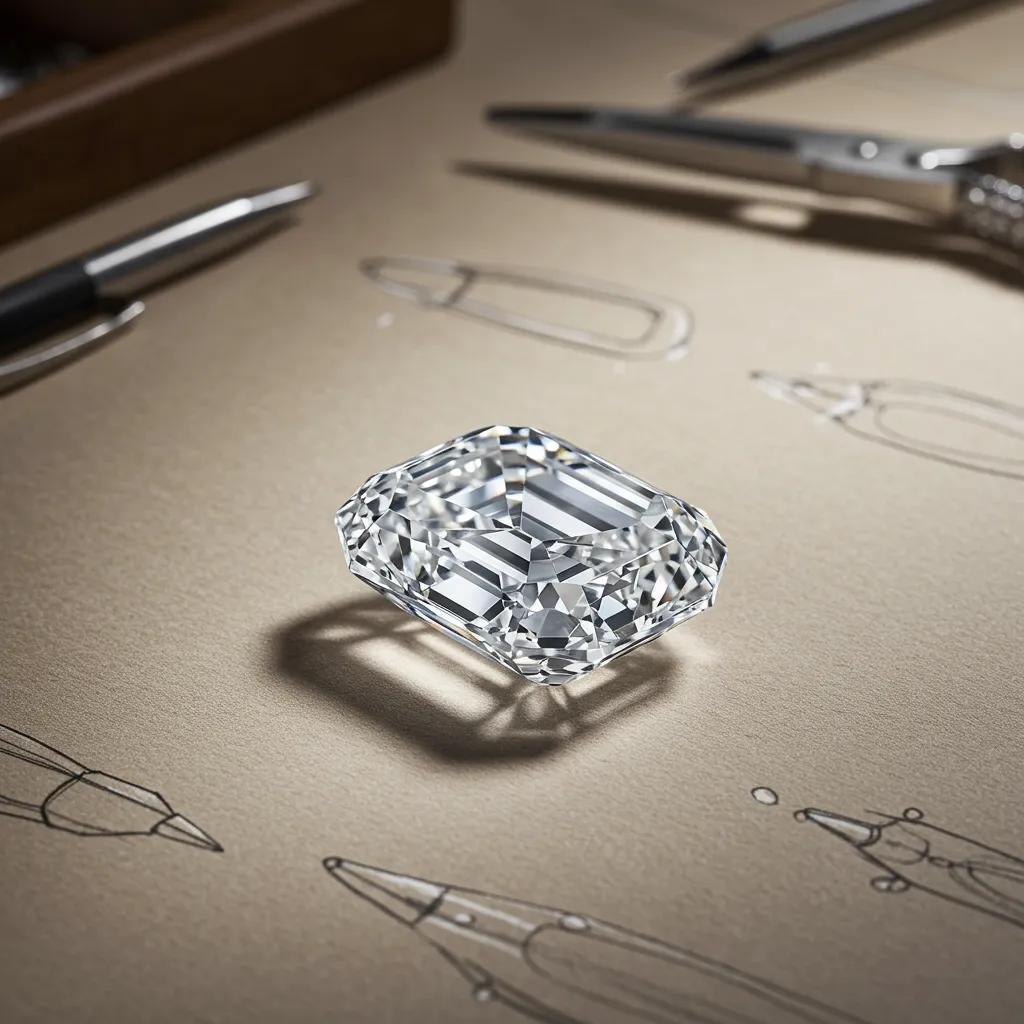
An emerald cut diamond is characterised by its elongated rectangular table, stepped facets, and truncated corners, which produce a refined interplay of light rather than intense sparkle. This shape accentuates clarity and hue, making it crucial to understand each design element. Familiarity with how facet arrangement and proportions influence optical performance ensures you select a diamond that radiates understated luxury.
What Are the Key Characteristics of Step Cut Diamonds?
Step cut diamonds feature broad, parallel facets rather than the triangular cuts found in brilliant styles, resulting in a subtle elegance that highlights internal clarity.
- Broad parallel facets create linear flashes of light, underscoring the diamond’s purity.
- The extended table surface accentuates colour, necessitating careful grade selection to avoid noticeable tint.
- Clean facet junctions demand high clarity grades to prevent visible inclusions from detracting from the stone’s beauty.
These broad facets establish a clear visual plane that rewards precise cutting and minimal imperfections, leading into how these facets manifest the captivating hall of mirrors effect.
How Does the Hall of Mirrors Effect Enhance Emerald Cut Diamonds?
The hall of mirrors effect occurs when parallel step facets mirror each other, generating deep flashes and elongated light reflections. This optical phenomenon enhances the diamond’s architectural geometry and creates an illusion of depth. By reflecting light in broad planes rather than dispersed points, the hall of mirrors effect produces a sophisticated shimmer that complements minimalist settings and draws attention to the stone’s inherent clarity.
This distinctive cutting style creates a unique visual effect, setting it apart from more common brilliant cuts.
Emerald CutDiamonds: Characteristics and Brilliancein a more linear pattern (as seen in the emerald cut). Although typically less brilliant than those cut in a brilliant style, step-cut diamonds can produce a lively, fiery stone with a very…Engagement & wedding rings: the definitive buying guide for people in love, Unknown Author, 2012
What Is the Ideal Length-to-Width Ratio for Emerald Cut Diamonds?
Emerald cut diamonds achieve balanced aesthetics when their length-to-width ratio falls between 1.30 and 1.50.
A ratio below 1.30 can appear squat, while a ratio exceeding 1.50 may look overly elongated. Understanding these proportions helps you select a shape that beautifully flatters your hand and aligns with your personal style.
The precise dimensions and proportions of a diamond’s cut are fundamental to its overall aesthetic appeal.
Diamond Cutting Optimisation: Shape, Ratio, and ProportionsThe few best shapes are optimised based on the diameter, length-to-width ratio, …, the cut proportions …Diamond and Corundum Treatments, Unknown Author, 2006
Why Are Cropped Corners Important for Style and Durability?
Cropped corners serve a dual purpose: they prevent chipping at sharp edges and soften the overall silhouette, harmonising strength with refinement. These truncated facets protect vulnerable points from everyday wear and tear, and they complement geometric settings beautifully. For an engagement ring, cropped corners introduce visual harmony, seamlessly linking the step facets to the setting prongs and reinforcing structural resilience.
How Do the 4Cs Affect Emerald Cut Diamond Quality and Value?
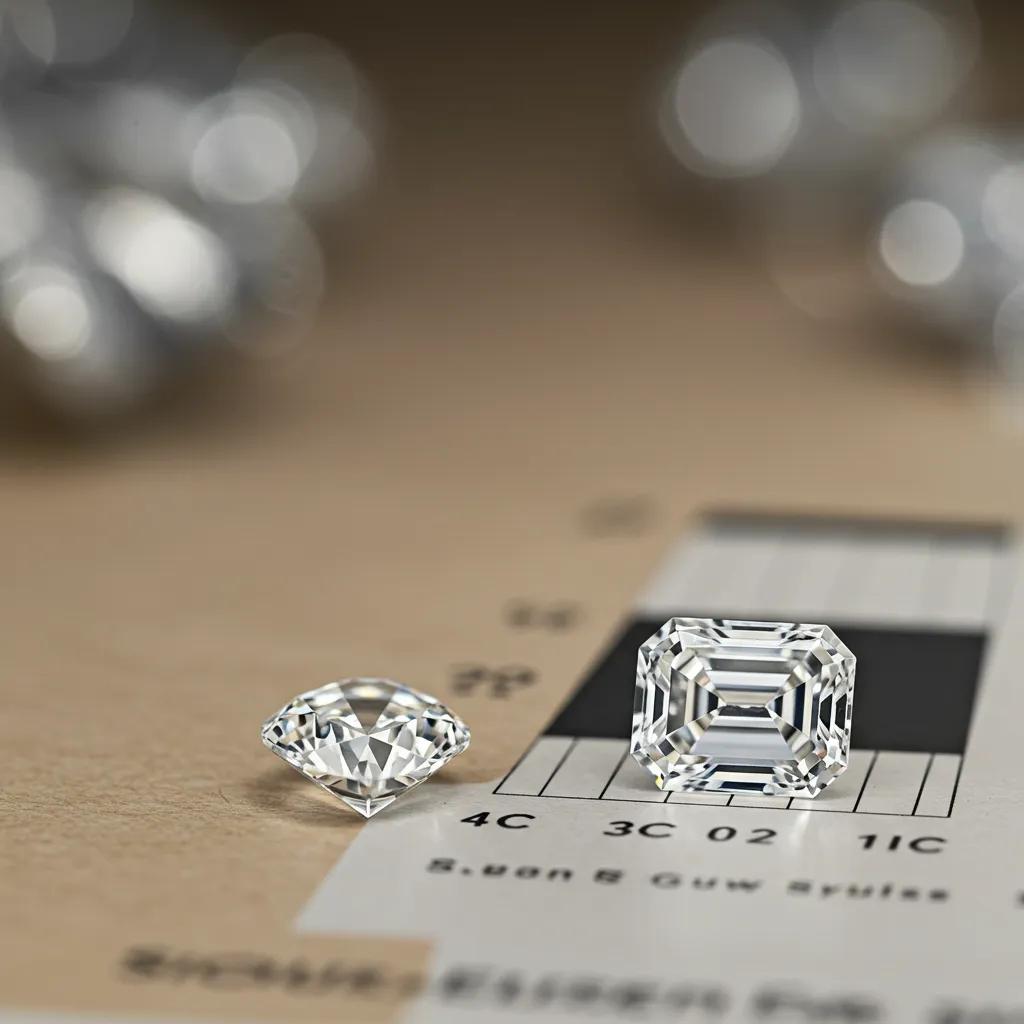
The 4Cs Carat, Clarity, Colour, and Cut Quality are the defining factors of an emerald cut diamond’s appearance, optical performance, and price. Given that step cut facets offer less concealment than brilliant cuts, each C plays an amplified role in how the diamond looks and how it is valued.
Why Is Clarity Especially Important for Emerald Cut Diamonds?
Clarity is paramount because the large, open table and step facets readily expose internal inclusions. A clarity grade of VS2 or higher typically ensures an eye-clean appearance. High clarity minimises visible flaws and preserves the hall of mirrors effect, preventing dark spots or feathering from disrupting light reflections.
What Colour Grades Best Suit Emerald Cut Diamonds?
Colour is more noticeable in emerald cuts, making grades from D to H ideal, depending on the setting metal and personal preference.
- D-F grades appear completely colourless and are favoured for white precious metals.
- G-H grades offer a subtle warmth at a more accessible price point and pair beautifully with rose or yellow gold.
Selecting the appropriate colour grade allows you to balance your budget with your desired visual warmth.
How Does Carat Weight Influence Size and Price?
Carat weight directly influences the table surface area, enhancing the perceived size of emerald cuts more significantly than round brilliant cuts. A 1.00-carat emerald cut often appears larger than a round diamond of equal weight due to its elongated table. However, prices escalate sharply at key weight thresholds (e.g., 1.00 ct, 1.50 ct), making an understanding of weight-to-value ratios essential for effective budget management.
What Role Do Cut Quality, Polish, and Symmetry Play?
Cut quality, polish, and symmetry are critical for facet alignment and surface finish, which collectively determine the consistency of the hall of mirrors effect. Superior polish eliminates surface blemishes, while precise symmetry ensures that step facets meet at exact angles. Together, these factors refine light return and enhance the diamond’s structural beauty.
Which Emerald Cut Engagement Ring Styles Are Popular in Australia?
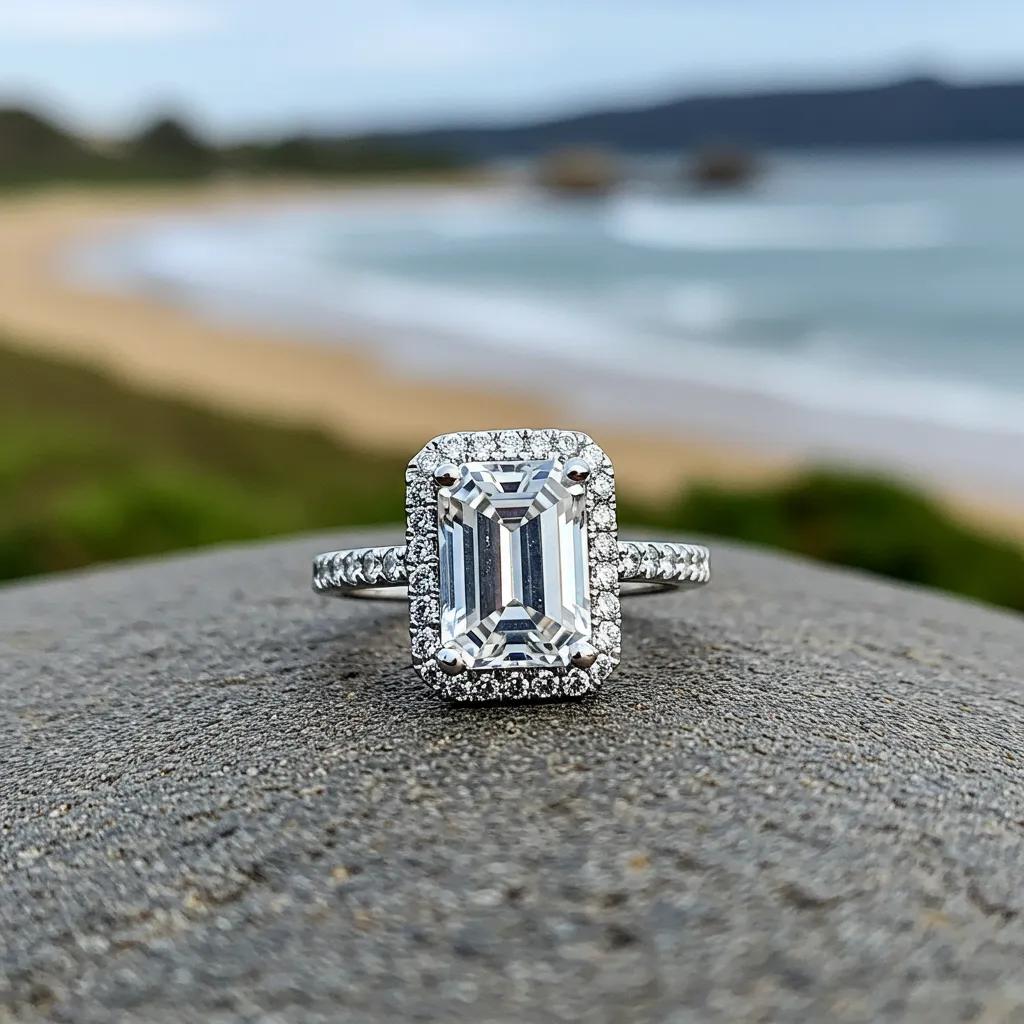
Australian couples often favour settings that highlight the elegance of emerald cuts, blending timeless tradition with contemporary style. Whether you’re drawn to a minimalist solitaire or a statement halo, understanding popular styles will help you personalise your ring.
What Are the Benefits of Solitaire, Halo, and Three-Stone Settings?
A simple list outlines the key advantages:
- Solitaire settings allow the emerald cut to be the sole focus, with minimal metal interference.
- Halo settings encircle the centre stone with pavé diamonds, amplifying brilliance and creating a larger visual presence.
- Three-stone designs symbolise past, present, and future, offering additional sparkle while prominently featuring the central emerald cut.
Each setting type distinctively enhances the diamond’s presentation and guides subsequent choices in metal and accent stones.
How Do Metal Choices Like Platinum and Gold Affect Appearance?
Different metals influence colour contrast and durability:
- Platinum enhances the diamond’s cool, icy appearance and provides superior scratch resistance.
- White gold offers a crisp backdrop at a more accessible price point, though it requires periodic rhodium plating to maintain its lustre.
- Yellow or rose gold introduces warmth that can complement lower colour grades, creating a charming vintage-inspired look.
Your metal selection should harmonise with the diamond’s colour grade and the wearer’s lifestyle.
What Vintage and Art Deco Styles Complement Emerald Cut Diamonds?
Vintage and Art Deco designs often feature intricate milgrain edges, geometric filigree, and baguette side stones. These decorative elements echo the emerald cut’s angular form and enhance its architectural charm. Opting for an era-inspired setting accentuates the diamond’s heritage and complements its classic proportions.
How Do Natural and Lab-Grown Emerald Cut Diamonds Compare?
Natural and lab-grown emerald cut diamonds share identical chemical and optical properties, yet they differ in origin, price, and ethical considerations. Evaluating both options reveals distinct advantages that can align with individual priorities.
What Are the Price Differences Between Natural and Lab-Grown Emerald Cuts?
How Does Ethical Sourcing Impact Lab-Grown and Natural Diamonds?
Ethical sourcing is fundamental to consumer confidence:
- Lab-grown diamonds offer minimal environmental impact and transparent supply chains.
- Natural diamonds with recognised certifications (such as those from the Gemological Institute of America) assure conflict-free origins and responsible mining practices.
Understanding sourcing standards ensures that your choice aligns with your personal values.
What Are the Market Trends for Lab-Grown Emerald Cut Diamonds in Australia?
The Australian market is showing increasing acceptance of lab-grown emerald cuts, driven by price decreases of nearly 1 percent over 21 days, contrasting with a slight rise in natural diamond costs. Growing interest in sustainable jewellery and bespoke design services further supports this trend, particularly among younger buyers seeking both value and environmental responsibility.
What Are the Key Price Factors for Emerald Cut Diamonds?
Pricing reflects a careful balance of carat weight, clarity, colour, and prevailing market conditions. Understanding how each factor contributes to the overall cost empowers informed negotiation and selection.
How Do Carat, Clarity, and Colour Affect Emerald Cut Diamond Prices?
- Carat weight follows a non-linear price curve, with significant increases at popular weight benchmarks.
- Clarity grades of VS2 and above command premiums due to the cut’s openness to inclusions.
- Colour grades D-F are priced higher, especially when set in platinum, while G-H grades offer better value when paired with warmer metal choices.
Collectively, these factors establish the base price, to which market demand applies additional influence.
Why Are Emerald Cut Diamonds Generally More Affordable Than Round Cuts?
Emerald cut diamonds often cost 20-30 percent less than round brilliant diamonds of comparable 4C grades. This is because the step-cut faceting pattern results in less waste of the rough diamond during the cutting process. This efficiency translates into a distinct value advantage for buyers seeking a larger surface area at a lower price point.
The efficiency of cutting certain diamond shapes can significantly impact their final price compared to others.
Emerald CutDiamonds: Beyond the 4Cs and Price DeterminantsOur empirical analysis allows for an extension of the classic 4Cs… the most significant factors in explaining diamond pricing; … we transition from round to Asscher or emerald cuts, as this exceeds 20% in…Bargains in the diamond market? How to take advantage from online information, A Arcos‐Vargas, 2019
How Do Market Trends Influence Pricing in Australia?
Australian pricing is influenced by global supply and demand dynamics, local currency fluctuations, and retail service models. Trends such as increased availability of lab-grown diamonds, shifting consumer preferences, and seasonal demand for engagement rings impact pricing by adjusting margins and inventory costs at the retail level.
How to Buy Emerald Cut Diamonds in Australia: A Comprehensive Guide
Purchasing an emerald cut diamond in Australia involves verifying certifications, customising your design, and selecting a reputable jeweller. Following these steps ensures both confidence and satisfaction throughout the process.
What Certifications Should You Look for When Buying Emerald Cut Diamonds?
Diamonds certified by recognised laboratories such as the Gemological Institute of America (GIA) or the International Gemological Institute (IGI) guarantee unbiased grading. Always verify that the reports detail cut proportions, clarity plots, and colour assessments specific to the emerald cut.
How Can Custom Design Services Enhance Your Emerald Cut Jewellery?
Custom design services offered by specialist jewellers like ADC Australia empower you to:
- Tailor the metal type, setting style, and accent stones for a truly personalised aesthetic.
- Adjust length-to-width ratios and facet arrangements within manufacturing tolerances to achieve your desired look.
- Collaborate on ring sketches, CAD renderings, and finished prototypes to preview your unique design before creation.
These bespoke options transform a standard selection into a cherished, one-of-a-kind heirloom.
Where Can You Find Trusted Australian Jewellers Specialising in Emerald Cuts?
Seek out jewellers who offer transparent pricing policies, employ in-house gemologists, and have dedicated gemstone specialists. Look for established storefronts or ateliers that showcase impressive emerald cut portfolios, provide documented warranties and aftercare services, and warmly invite customers to view diamonds under magnification.
How Do Emerald Cut Diamonds Compare to Other Popular Diamond Shapes?
A comparative evaluation helps you determine if the emerald cut best aligns with your preferences for brilliance, perceived size, and overall style.
What Are the Differences Between Emerald Cut and Radiant Cut Diamonds?
- Emerald cuts feature step facets and subtle light flashes, prioritising clarity over intense sparkle.
- Radiant cuts combine a trimmed rectangular shape with brilliant-style facets, producing more scintillation and fire.
- Radiant cuts are more effective at concealing inclusions, whereas emerald cuts reveal them, which influences clarity grade choices.
The choice between them depends on whether your priority is refined geometry or maximum brilliance.
How Does Emerald Cut Size Appearance Compare to Round Brilliant and Oval Cuts?
Emerald cuts often appear larger face-up compared to round diamonds of equal weight, thanks to their extended table. Oval cuts share this advantage but feature curved outlines, whereas emerald cuts present a crisp, rectangular profile. If perceived size is a primary consideration, emerald cuts offer impressive finger presence.
What Are the Pros and Cons of Choosing an Emerald Cut Over Other Shapes?
- Pros: Elegant linear brilliance, efficient weight retention, impressive apparent size, timeless appeal.
- Cons: Reduced scintillation compared to brilliant cuts, higher clarity and colour requirements, fewer options for concealing imperfections in settings.
Balancing these factors ensures you select a shape that perfectly aligns with your aesthetic and practical priorities.
Emerald cut diamonds reward discerning buyers with a harmonious fusion of architectural precision and understated shimmer. By mastering characteristics such as step facets, the hall of mirrors effect, and ideal proportions, applying the 4Cs with context, exploring engagement ring styles, comparing natural versus lab-grown options, and understanding pricing drivers, you can confidently select a sophisticated emerald cut that truly reflects your vision. Leverage ADC Australia’s custom design expertise and certified diamond sourcing to transform this knowledge into a personalised statement piece that endures as a symbol of refined taste and lasting value.


