
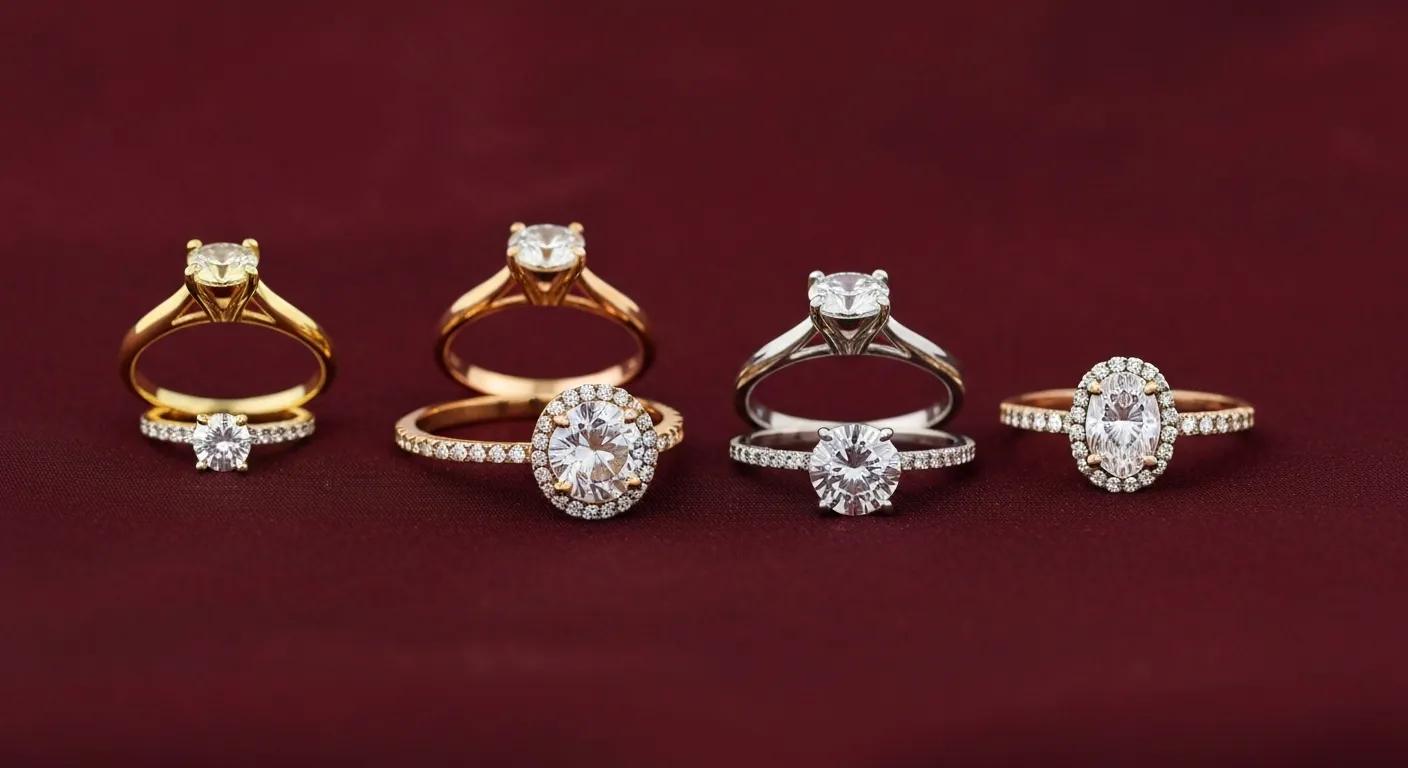
Engagement Ring Metal Types Explained: Which Metal Should You Choose?
Choosing the right engagement ring metal can determine how a diamond sparkles and endures through daily wear. This guide explains the most popular precious metals, durable alternative options, key decision factors, and attribute comparisons so you can select a ring that matches your lifestyle, skin sensitivity, style preferences, and budget. We cover gold in its yellow, white and rose varieties; premium choices like platinum and palladium; robust alternatives such as titanium, tungsten carbide and sterling silver; decision criteria; and side-by-side performance metrics. Discover our curated engagement ring collection at ADC to explore designs in every metal type.
What Are the Most Popular Precious Metals for Engagement Rings?
Precious metals such as gold, platinum and palladium combine timeless appeal, lasting value and exceptional lustre in fine jewellery. Gold’s historic use underscores its sentimental importance, platinum’s purity delivers unparalleled durability, and palladium offers a lightweight hypoallergenic option. Understanding these core materials lays the foundation for choosing an engagement ring that endures both in style and substance.
Why Is Gold a Timeless Choice for Engagement Rings?
Gold has symbolised commitment for centuries due to its malleability, resistance to corrosion and cultural significance. It is alloyed into different karats—14k (58.3% gold) and 18k (75% gold)—to balance purity with scratch resistance. For example, 18k gold rings exhibit richer colour and higher value, while 14k options deliver greater durability for active wearers. Each karat level supports varied design possibilities without losing gold’s classic warmth.
Why Is Gold a Timeless Choice for Engagement Rings?
Gold has been a symbol of commitment for centuries due to its malleability and resistance to corrosion. It is alloyed into different karats to balance purity with scratch resistance.
Adita Jewels Factory
This information supports the article’s statement about gold’s historical significance and practical properties.
How Do Yellow, White, and Rose Gold Differ in Appearance and Durability?
Gold variants achieve distinct hues and hardness through their alloy compositions, influencing both colour and wear performance.
Each gold type offers unique aesthetic benefits and moderate maintenance needs, transitioning seamlessly into considerations of premium metals.
How Do Yellow, White, and Rose Gold Differ in Appearance and Durability?
Gold variants achieve distinct hues and hardness through their alloy compositions, influencing both colour and wear performance. 14K gold is more durable and does not scratch or bend as easily as higher karats.
Adita Jewels Factory
This citation supports the article’s discussion of the different properties of gold variants.
What Makes Platinum the Premium Durable Metal?
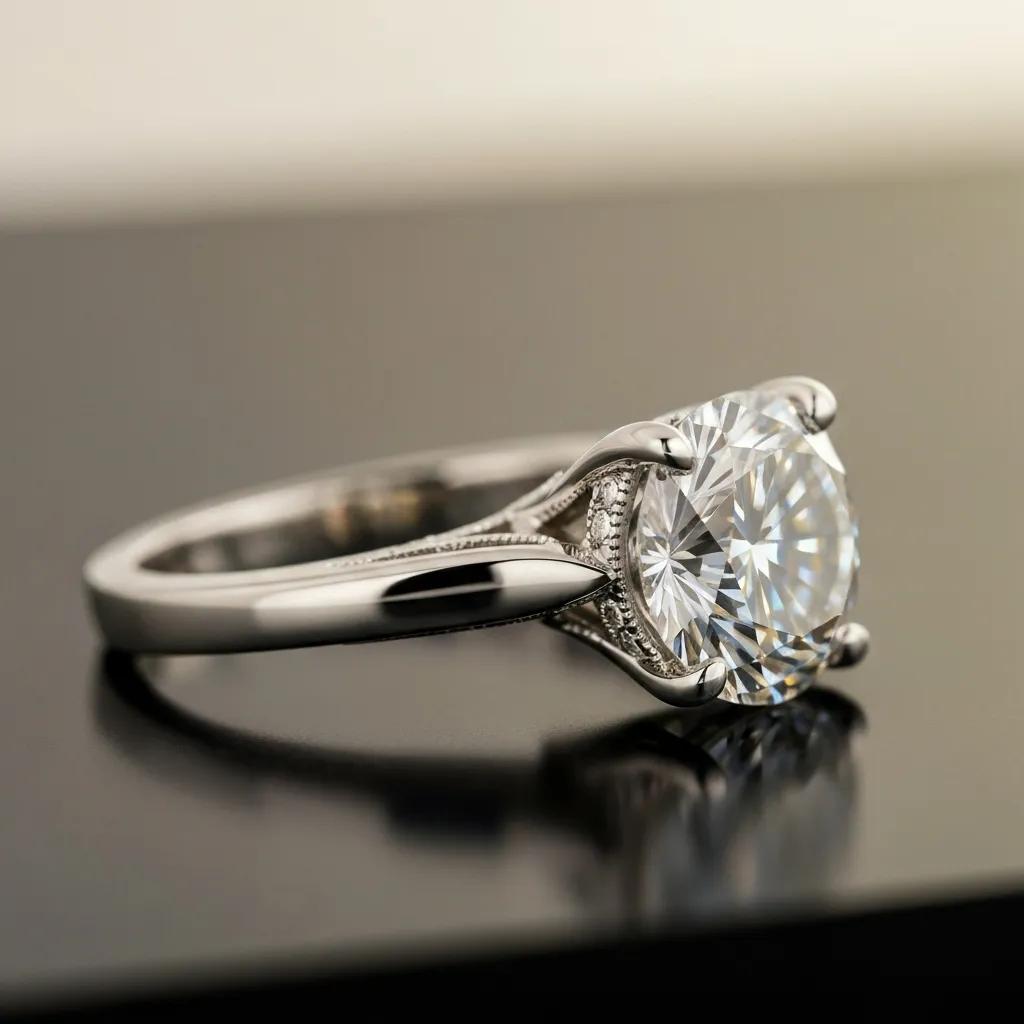
Platinum’s high density and intrinsic purity deliver exceptional scratch resistance and hypoallergenic performance under everyday wear. Known for developing a soft patina rather than wearing away, platinum maintains mass over decades. Its natural white-grey sheen requires only occasional polishing, making it a top choice for enduring daily rings.
What Makes Platinum the Premium Durable Metal?
Platinum’s high density and intrinsic purity deliver exceptional scratch resistance and hypoallergenic performance under everyday wear. Platinum is the most hypoallergenic metal used in fine jewellery.
Diamonds by UK
This citation supports the article’s claim about platinum’s durability and hypoallergenic properties.
Why Consider Palladium as a Lightweight Alternative?
Palladium combines the hypoallergenic properties of platinum with a lighter weight and lower price point. This white precious metal resists tarnish and maintains its colour without rhodium plating. Palladium’s resilience against bending and minimal maintenance requirements make it an attractive option for those seeking platinum-like performance in a more accessible form.
Why Consider Palladium as a Lightweight Alternative?
Palladium combines the hypoallergenic properties of platinum with a lighter weight and lower price point. Palladium is great for anyone wanting something hypoallergenic.
catlogix
This citation supports the article’s discussion of palladium as a lightweight alternative.
Which Alternative Metals Offer Durability and Unique Benefits?
Alternative metals like titanium, tungsten carbide and sterling silver meet rising demand for scratch resistance, lightweight comfort and budget-friendly options. Exploring these materials reveals how modern engineering intersects with ring design to deliver innovative performance benefits.
How Does Titanium Suit Active Lifestyles?

Titanium’s exceptional strength-to-weight ratio and nickel-free composition make it ideal for individuals with active routines and sensitive skin.
- It resists bending under impact and is highly corrosion-resistant.
- Hypoallergenic qualities eliminate common metal allergies.
- Lightweight comfort ensures long-term wearability during sports or travel.
Titanium’s balance of durability and comfort leads naturally to considering ultra-hard alternatives.
How Does Titanium Suit Active Lifestyles?
Titanium’s exceptional strength-to-weight ratio and nickel-free composition make it ideal for individuals with active routines and sensitive skin. Titanium is about 45% lighter than steel but still incredibly strong.
boyi technology
This citation supports the article’s claim about titanium’s suitability for active lifestyles.
What Are the Advantages of Tungsten Carbide for Scratch Resistance?
Tungsten carbide ranks near the top of the Mohs hardness scale, providing unmatched scratch resistance and shape retention.
- Surface hardness prevents everyday scuffs.
- Its dark gunmetal finish offers a contemporary aesthetic.
- Brittleness under high impact can cause cracking, so ring sizing must be precise.
Exceptional hardness defines tungsten carbide’s role among scratch-resistant metals.
What Are the Advantages of Tungsten Carbide for Scratch Resistance?
Tungsten carbide ranks near the top of the Mohs hardness scale, providing unmatched scratch resistance and shape retention. Tungsten carbide scores 8–9 on the Mohs Hardness Scale, making it tougher than most metals.
Newman Bands
This citation supports the article’s discussion of tungsten carbide’s scratch resistance.
Is Sterling Silver a Budget-Friendly Option for Engagement Rings?
Sterling silver offers an affordable entry point to precious-metal jewellery but requires regular care to prevent tarnish.
- Alloyed at 92.5% silver, it delivers bright lustre at low cost.
- Sulphur exposure leads to darkening without cleaning.
- Simple polishing restores shine, making maintenance manageable for budget-conscious buyers.
Silver’s cost advantages transition into key decision factors for metal selection.
Is Sterling Silver a Budget-Friendly Option for Engagement Rings?
Sterling silver offers an affordable entry point to precious-metal jewellery but requires regular care to prevent tarnish. Sterling silver is susceptible to tarnishing over time.
Gabriel & Co.
This citation supports the article’s claim about sterling silver’s affordability and maintenance needs.
What Key Factors Should Influence Your Engagement Ring Metal Choice?
Selecting the right metal involves weighing durability, skin sensitivity, aesthetic harmony and total cost of ownership. Balancing these four dimensions ensures that both style and functionality align with personal priorities.
How Does Durability Affect Metal Selection for Daily Wear?
Durability ratings on the Mohs scale guide metal choice to match daily activities and reduce surface wear.
- Tungsten carbide and titanium score 8–9 Mohs, offering superior scratch resistance.
- Platinum and palladium score 4–4.5, providing high durability with reshaping tolerance.
- Gold alloys score 2.5–3.5, requiring gentle care to avoid nicks.
- Sterling silver scores 2.5, needing more frequent polishing.
Matching hardness to daily routines protects the ring’s appearance without compromising style.
How Does Durability Affect Metal Selection for Daily Wear?
Durability ratings on the Mohs scale guide metal choice to match daily activities and reduce surface wear. The Mohs hardness scale is a test that determines the scratch resistance of a metal.
Titan Jewellery
This citation supports the article’s discussion of how durability affects metal selection.
Which Metals Are Best for Sensitive Skin and Allergies?
Hypoallergenic metals like platinum, palladium and titanium minimise the risk of irritation and allergic reactions.
- Platinum and palladium contain no nickel.
- Titanium is naturally inert and nickel-free.
- Many white gold alloys are now nickel-free but require rhodium plating.
Choosing a metal free of common allergens safeguards comfort and skin health.
Which Metals Are Best for Sensitive Skin and Allergies?
Hypoallergenic metals like platinum, palladium, and titanium minimise the risk of irritation and allergic reactions. Platinum is the most hypoallergenic metal used in fine jewellery.
Brilliant Earth
This citation supports the article’s claim about which metals are best for sensitive skin.
How Can You Match Metal Colour to Your Skin Tone?
Cool, warm and neutral skin undertones pair best with contrasting or complementary metal hues to enhance overall appearance.
- Cool undertones: white gold, platinum
- Warm undertones: yellow gold, rose gold
- Neutral undertones: flexible with any hue
Aligning metal colour with complexion elevates the ring’s visual impact and personal resonance.
How Can You Match Metal Colour to Your Skin Tone?
Cool, warm, and neutral skin undertones pair best with contrasting or complementary metal hues to enhance overall appearance. Yellow gold is particularly flattering for those with warm undertones.
Easter Ahn Design
This citation supports the article’s discussion of how to match metal colour to skin tone.
What Are the Budget and Maintenance Costs for Each Metal?
Budget considerations span initial purchase price to ongoing maintenance costs such as rhodium replating or polishing.
Balancing upfront investment with upkeep requirements ensures clear financial planning for long-term ownership.
What Are the Budget and Maintenance Costs for Each Metal?
Budget considerations span initial purchase price to ongoing maintenance costs such as rhodium replating or polishing. White gold requires periodic rhodium plating every few years to maintain its bright shine.
Fidelity Investments
This citation supports the article’s discussion of the budget and maintenance costs for each metal.
How Do Engagement Ring Metals Compare Across Important Attributes?
Comparing metals side-by-side clarifies trade-offs in durability, cost, maintenance needs and hypoallergenic qualities. This holistic view supports a confident final decision.
What Are the Differences in Durability and Scratch Resistance?
Metal hardness differences define daily resilience:
- Tungsten carbide and titanium: very high scratch resistance for active use.
- Platinum and palladium: high durability with natural patina formation.
- Gold alloys: medium hardness requiring gentle handling.
- Sterling silver: lower resistance, marked easily by rough contact.
These distinctions help match metal choice to lifestyle demands.
What Are the Differences in Durability and Scratch Resistance?
Metal hardness differences define daily resilience. Tungsten carbide scores 8–9 on the Mohs Hardness Scale, making it tougher than most metals.
Newman Bands
This citation supports the article’s comparison of durability and scratch resistance.
How Do Costs Vary Among Precious and Alternative Metals?
Precious metals like platinum command a premium price, while alternatives such as titanium and tungsten carbide offer significant savings. Gold alloys occupy a midrange investment, and sterling silver provides the most affordable entry point. Understanding these price tiers informs both design aspirations and budget realities.
How Do Costs Vary Among Precious and Alternative Metals?
Precious metals like platinum command a premium price, while alternatives such as titanium and tungsten carbide offer significant savings. The average engagement ring cost £5,500 in 2023.
Fidelity Investments
This citation supports the article’s discussion of how costs vary among precious and alternative metals.
What Maintenance Does Each Metal Require?
Maintenance needs range from periodic rhodium replating for white gold to simple cleaning routines for platinum and alternative metals.
- White gold: rhodium plating every 1–3 years.
- Platinum and palladium: annual polishing for patina.
- Titanium and tungsten carbide: negligible care beyond cleaning.
- Sterling silver: monthly polishing to remove tarnish.
Streamlining care preferences ensures the ring’s finish endures with minimal effort.
What Maintenance Does Each Metal Require?
Maintenance needs range from periodic rhodium replating for white gold to simple cleaning routines for platinum and alternative metals. Rhodium plating typically costs around £80 for a standard ring.
NoblePack
This citation supports the article’s discussion of the maintenance each metal requires.
Which Metals Are Hypoallergenic and Tarnish Resistant?
Metals with high purity and nickel-free compositions such as platinum, palladium, titanium and certain gold alloys provide hypoallergenic and tarnish-resistant performance. Tungsten carbide’s inert surface also resists oxidation. Sterling silver alloys may require protective coatings to prevent discolouration in sensitive wearers.
Which Metals Are Hypoallergenic and Tarnish Resistant?
Metals with high purity and nickel-free compositions such as platinum, palladium, titanium and certain gold alloys provide hypoallergenic and tarnish-resistant performance. Platinum is the most hypoallergenic metal used in fine jewellery.
Brilliant Earth
This citation supports the article’s discussion of which metals are hypoallergenic and tarnish resistant.
Selecting an engagement ring metal involves aligning personal style with practical performance. By understanding each metal’s appearance, durability, care requirements and cost, you can choose a band that celebrates your commitment and stands the test of time. Explore the full spectrum of engagement ring designs at ADC to find the perfect metal match for your story.


