
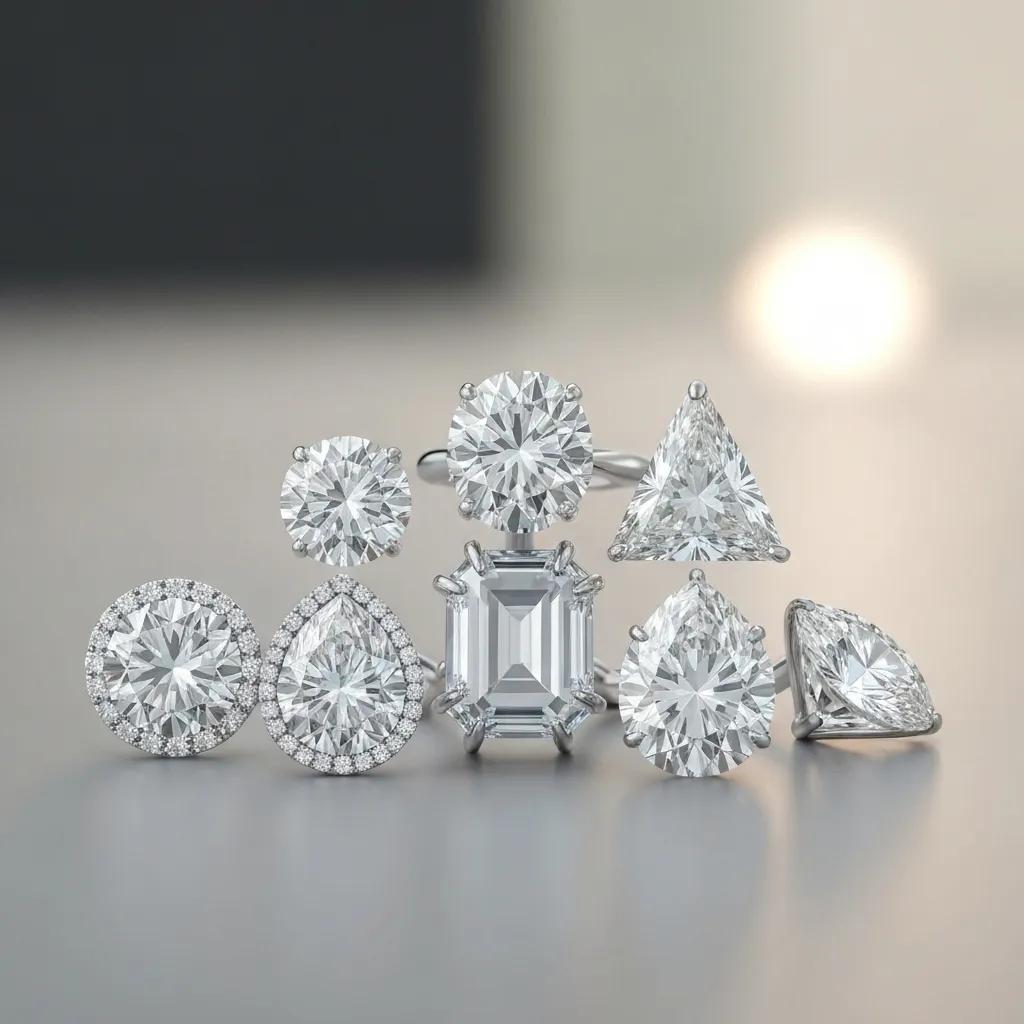
Engagement Ring Settings: Which Style Is Right for You?
Choosing among various engagement ring setting styles shapes the way a diamond or gemstone is showcased, secured, and worn daily. This guide demystifies the most popular designs, solitaire, halo, bezel, pave, and three-stone, and shows how to match each style with your lifestyle, diamond shape, metal choice, and budget. You’ll discover actionable insights and comparisons to find a setting that balances brilliance, security, and personal flair.
What Are the Most Popular Engagement Ring Setting Styles?
Engagement ring setting styles determine how a diamond or gemstone is held in place, influencing both durability and visual impact, such as a six-prong solitaire design that maximises light exposure. For an in-depth comparison of these designs, explore the 5 popular engagement ring settings guide by ADC.
Popular Engagement Ring Settings
Engagement ring settings influence how a diamond or gemstone is held in place, affecting both durability and visual impact. Some of the most popular settings include solitaire, halo, bezel, pave, channel, and three-stone settings.
Taylor & Hart, Engagement Ring Styles and Settings Guide (2023)
This source provides an overview of various engagement ring settings and their characteristics, which directly supports the article’s discussion of popular setting styles.
What Defines a Solitaire Setting and Why Is It Timeless?
A solitaire setting features a single center diamond held by prongs, offering maximum light exposure and classic elegance. This design highlights the stone’s cut and clarity without distraction. Its minimalist profile suits any diamond shape and complements any wedding band seamlessly.
How Does a Halo Setting Enhance Sparkle and Size?
A halo setting encircles the center stone with smaller accent diamonds, boosting overall brilliance and creating the illusion of a larger carat weight. By reflecting light from multiple angles, the halo amplifies fire and sparkle. This style pairs well with both simple and ornate bands.
What Makes Bezel Settings Secure and Durable?
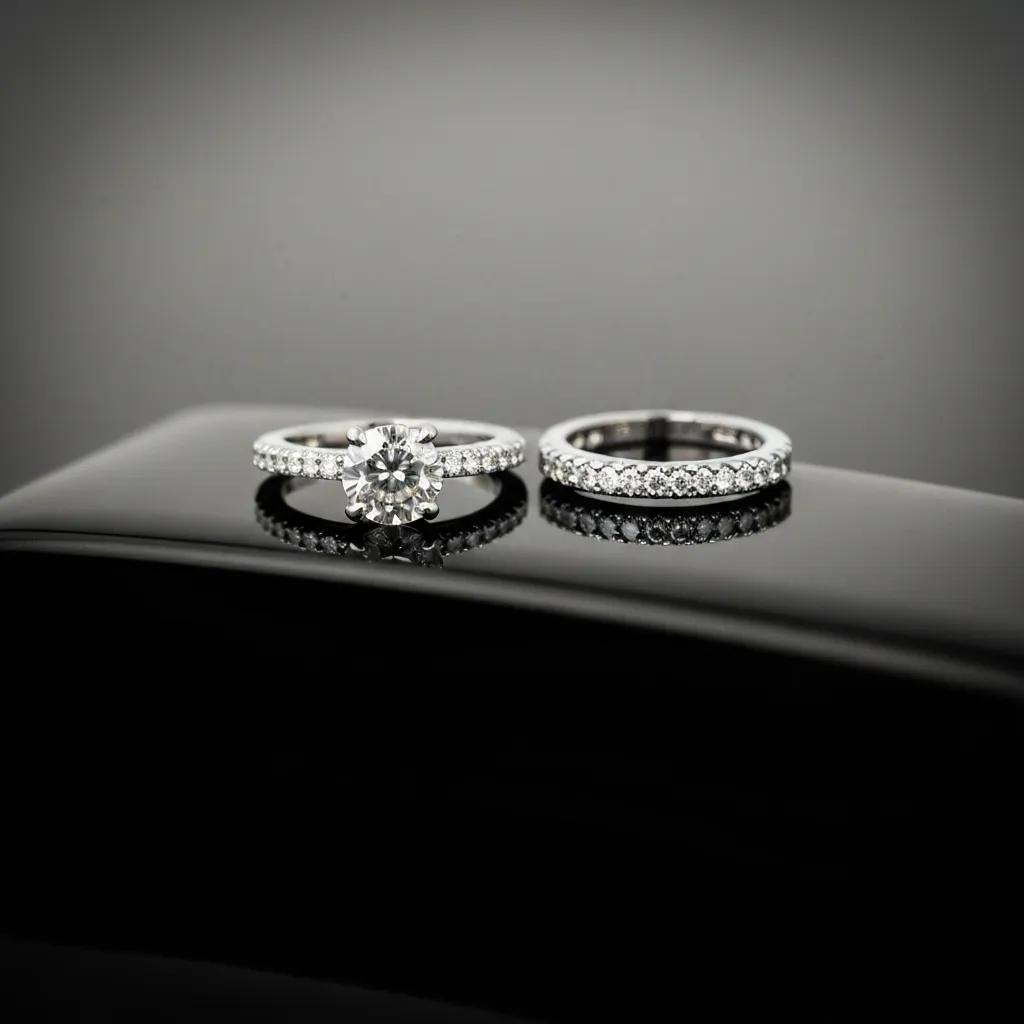
A bezel setting surrounds the diamond with a metal rim, providing superior protection against impacts and snags. This flush-mount design prevents prong wear and reduces the risk of stone loss. It’s ideal for those with active or outdoor lifestyles seeking low-profile resilience.
What Are the Features of Pave and Three-Stone Settings?
Pave settings embed tiny diamonds along the band for continuous shimmer, while three-stone settings showcase a central gem flanked by two side stones symbolising past, present, and future. Both approaches add texture and storytelling to the ring, enhancing sparkle and emotional significance.
Engagement Ring Settings for Your Lifestyle Australian Diamond Company
Selecting the ideal setting aligns daily activities with stone security and care requirements, ensuring both beauty and longevity. For an active routine, protective styles reduce snagging and maintenance needs.
- Bezel and flush settings encase stones for maximum protection during sports or hands-on work.
- Tension settings hold diamonds in place through compression, offering a modern look with strong stability.
- Prong and halo settings showcase brilliance but may require more frequent inspections and cleaning.
These recommendations help you balance style with the demands of your daily life.
Which Settings Are Best for Active or Outdoor Lifestyles?
Bezel and flush settings fully enclose the diamond, minimising exposure to bumps and scratches. Tension settings clamp the stone securely between metal bands, combining contemporary flair with durability. These styles prevent stone loss during high-impact activities.
How Does Your Daily Activity Influence Setting Security?
Regular exposure to water, chemicals, or heavy manual tasks can loosen prongs or dull metal. Settings that fully encircle the stone, such as bezel or channel mounts, reduce maintenance intervals and protect the diamond from chips or dislodgement.
What Maintenance Is Required for Different Ring Settings?
Prong and pave settings need periodic tightening checks to secure accent stones. Bezel and channel designs require less frequent polishing. For all styles, professional inspection every six to twelve months preserves metal integrity and gemstone alignment.
How Does Diamond Shape Affect Your Engagement Ring Setting Choice?
Diamond shape dictates how light interacts with facets, influencing which setting will highlight brilliance and proportions. Matching shapes to settings enhances visual harmony and sparkle.
Diamond Shape and Setting Combinations
Diamond shape dictates how light interacts with facets, influencing which setting will highlight brilliance and proportions. Round brilliant diamonds work well in almost any setting, while elongated shapes like ovals can make fingers appear longer.
Billig Jewelers, Ultimate Diamond Shape Guide: Discover Ring Shapes & Cuts for You (2025)
This source provides insights into how diamond shapes influence the overall look and how they pair with different settings, which is directly related to the article’s discussion of diamond shape and setting choices.
This table helps you pair shape and setting for optimal brilliance and protection.
Which Settings Best Complement Round and Oval Diamonds?
Prong and halo settings showcase round and oval cuts by allowing unobstructed light entry and emphasising silhouette. Four- or six-prong designs maintain symmetry, while a halo ring boosts perceived size and sparkle.
What Are Ideal Settings for Princess, Emerald, and Cushion Cuts?
Princess cuts benefit from bezel or channel mounts that safeguard angled corners. Emerald cuts achieve elegant elevation in cathedral settings that accentuate step facets. Cushion shapes shine in halo settings that frame their soft, rounded outline.
How Do Settings Enhance Diamond Brilliance and Appearance?
Prong settings maximise light entry around the girdle. Halo rings reflect light back into the center stone for extra fire. Bezel mounts create a striking contrast between metal and diamond, drawing focus to facet interplay.
How Does Metal Type Influence Engagement Ring Settings and Style?
Metal choice affects durability, color contrast, and overall aesthetic harmony with the diamond. Pairing the right metal with your setting style elevates both appearance and wear-resistance.
Metal Choices for Engagement Rings
Metal choice affects durability, color contrast, and overall aesthetic harmony with the diamond. Platinum and white gold are popular choices, offering a neutral backdrop that enhances a diamond’s brilliance.
Ken & Dana Design, Choosing the Right Metal for Your Engagement Ring (2025)
This source discusses how metal choices influence the appearance and durability of engagement rings, which is directly relevant to the article’s content.
Why Are Platinum and White Gold Popular for Engagement Rings?
Platinum and white gold offer a neutral backdrop that enhances a diamond’s brilliance and fire. Platinum’s density resists wear and retains stone security longer, while white gold provides a similar look at a lower price point.
How Do Yellow and Rose Gold Affect Ring Appearance?
Yellow gold imparts a vintage warmth that contrasts with bright white stones, and rose gold lends a romantic blush tone that softens diamond edges. Warm metals complement warmer diamond hues and inject personal style.
Which Metals Pair Best with Specific Setting Styles?
- Platinum works well with prong and cathedral settings for unmatched durability.
- White gold suits halo and pave bands, amplifying accent diamond sparkle.
- Yellow or rose gold enhances bezel designs, creating contrast and a distinctive profile.
These metal-style pairings align form and function.
What Budget Considerations Should You Make When Choosing a Setting?
Engagement ring cost hinges on metal weight, craftsmanship complexity, and accent stones. Understanding how each factor drives price helps maximise visual impact within budget.
Budget Considerations for Engagement Rings
Engagement ring cost hinges on metal weight, craftsmanship complexity, and accent stones. Halo and pave settings can amplify center-stone size perception, while solitaire rings allocate more budget to a larger center carat.
Diamonds Factory Canada, 4 Easy Steps to Budget for Your Dream Engagement Ring (2024)
This source discusses the factors that influence the cost of an engagement ring, which is directly relevant to the article’s discussion of budget considerations.
Which Settings Offer Maximum Visual Impact on a Budget?
Halo and pave settings amplify center-stone size perception by surrounding it with smaller diamonds. Solitaire rings allocate more budget to a larger center carat for a simple yet striking effect.
How Does Setting Complexity Affect Engagement Ring Cost?
Intricate designs like pave or multi-stone mounts require additional metal and labor, adding to overall price. Simpler bezel or solitaire options streamline craftsmanship costs and reduce markup.
What Are Affordable Yet Durable Setting Options?
Bezel and channel mounts combine moderate labor with strong protection, offering a budget-friendly choice that withstands daily wear. Flush settings also provide minimal metal use and excellent stone security.
Choosing the right engagement ring setting involves harmonising sparkle, security, and personal style. By assessing your lifestyle, diamond shape, metal preference, and budget, you’ll find a design that remains both stunning and practical. With these insights, selecting a setting becomes a confident step toward a meaningful symbol of commitment.


