
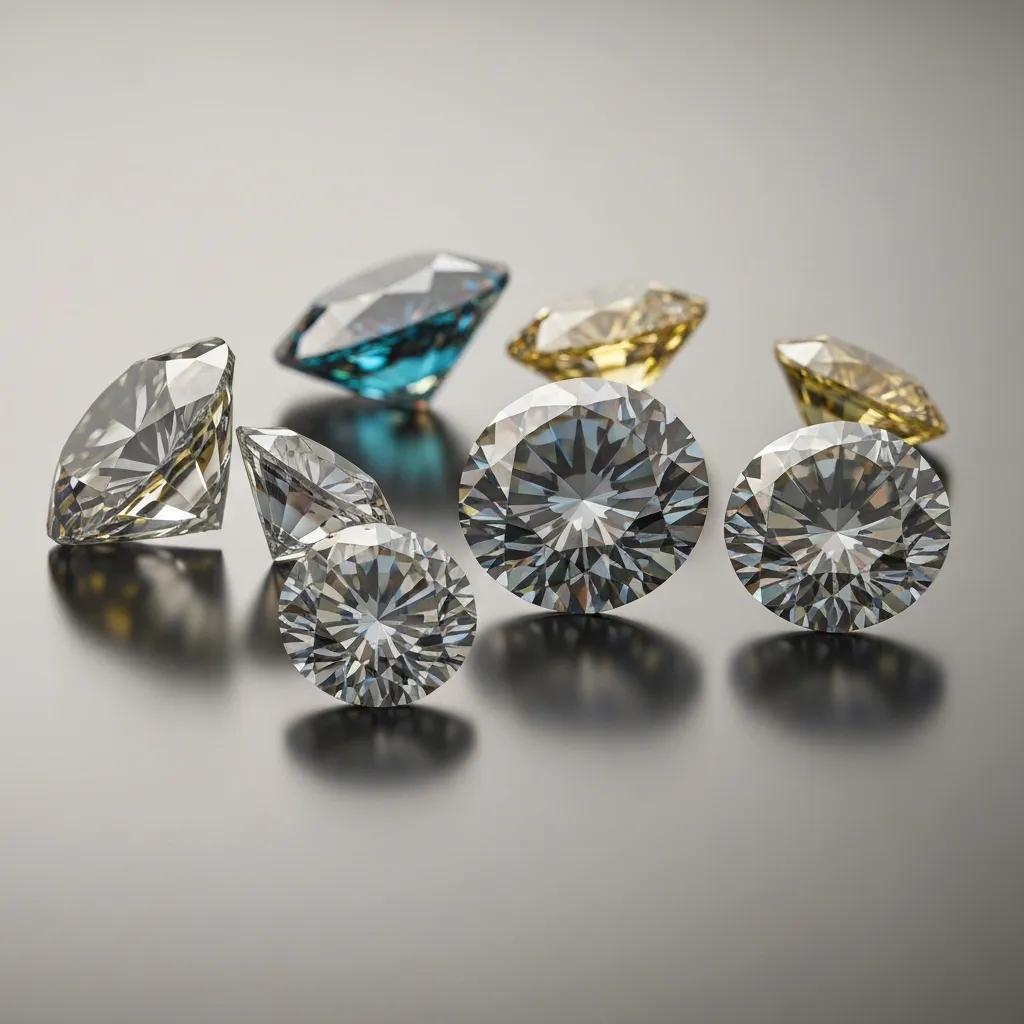
Discovering Diamond Colour: Your Guide to Brilliant Choices
Navigating the world of diamond colours can seem complex, but understanding your options empowers you to find the perfect balance of beauty, value, and sparkle. This guide will walk you through the GIA Diamond Colour Scale, highlight the best grades for engagement rings, explore the unique charm of fancy colour diamonds, compare lab-grown alternatives, and explain how fluorescence and the other 4Cs play a role. You’ll also discover Australian preferences and ethical considerations, plus how ADC’s expert gemologists and handy tools can help you choose a diamond that shines for a lifetime.
GIA Diamond Colour Scale: Selection Guide – Australian Diamond Company
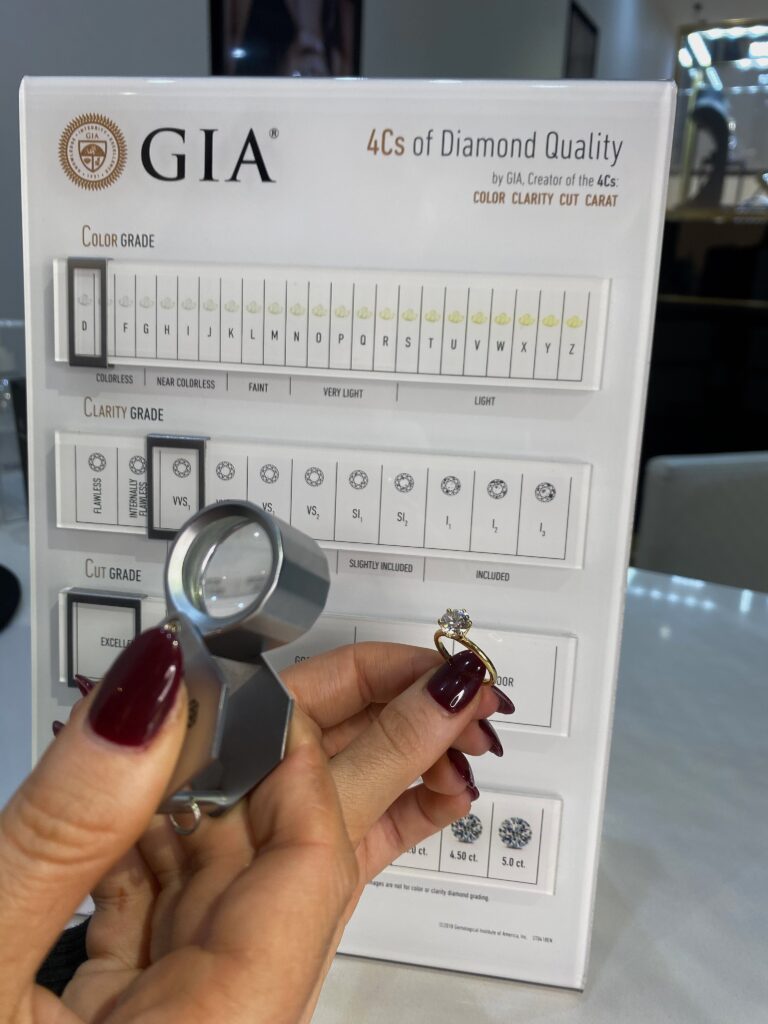
The GIA Diamond Colour Scale measures a diamond’s lack of colour, from D (completely colourless) to Z (noticeable warm tint). This scale helps you match a diamond’s subtle hue to your desired sparkle and budget. Using master comparison stones and controlled lighting, this standardised system ensures consistent grading, allowing you to compare diamonds with confidence, no matter where you are. Understanding these colour gradations is key to influencing a diamond’s value, how it looks in different settings, and its overall brilliance, guiding you towards a choice that reflects your personal style and investment goals.
Understanding the GIA Diamond Colour Grading System
The Gemological Institute of America (GIA) developed the diamond colour scale, which is the recognised industry standard for assessing the absence of colour in diamonds. It ranges from D, signifying colourless, to Z, indicating a light yellow or brown hue. This system relies on master stones and controlled lighting conditions to ensure consistent and objective grading, which is crucial for determining a diamond’s true value and brilliance.
GIA, The GIA Diamond Grading System, (2024)
What Are the Key Features of the GIA Diamond Colour Scale?
The GIA scale is defined by several important features:
- It’s universally accepted as the benchmark for colour grading in the diamond industry.
- The D–Z range precisely measures the absence of colour in distinct, one-grade increments.
- Evaluations are consistently performed under lighting that mimics D65 daylight, minimising subjective bias.
Each of these features ensures that a GIA report provides reliable insight into a diamond’s colour performance, preparing you to explore specific grade categories like colourless and near-colourless stones.
How Do Colour Grades D to F Define Colourless Diamonds?
Diamonds graded D, E, and F fall into the colourless category. These stones allow light to pass through with virtually no visible hue, resulting in exceptional brilliance. Colourless diamonds are highly prized and command premium prices. They look particularly stunning when set in platinum or white gold, which enhances their icy radiance. For instance, a D-grade diamond set in a platinum solitaire ring offers unparalleled sparkle, making it a timeless symbol of elegance and a sound investment.
Why Are G to J Grades Considered Near-Colourless and Offer Great Value?
Grades G, H, I, and J are classified as near-colourless. In these diamonds, only a trained eye can detect slight warmth, and even then, only under magnification. To the naked eye, these diamonds appear white in everyday wear. They represent excellent value, often costing 20–40 percent less than colourless grades. Near-colourless stones pair beautifully with white metal settings and offer a fantastic balance of affordability and apparent whiteness, appealing to savvy buyers who desire timeless style without the highest price tag.
What Characteristics Define Faint to Light Colour Diamonds (K to Z)?
Diamonds from K to Z show faint to light yellow or brown tints that become more noticeable as you move down the scale. These warmer hues can lend a vintage charm and look beautiful in yellow gold or rose gold settings, often at more accessible price points. As the colour becomes more intense, the price typically decreases. This makes K–M grades a great choice for those prioritising size and warmth, while N–Z diamonds offer unique character with distinct golden undertones, perfect for distinctive jewellery designs.
The warm undertones found in K–Z diamonds can beautifully complement vintage-inspired settings, setting the stage for learning how to assess colour with precision.
How Can You Visually Assess Diamond Colour Accurately?
To accurately assess a diamond’s colour, it’s best to compare stones side-by-side under lighting that mimics natural daylight. Consulting the GIA certification and seeking expert gemologist advice are also crucial steps. Key practices include:
- Viewing diamonds against a neutral grey background to avoid colour bias.
- Comparing candidate diamonds against master colour standards, starting from the highest grade downwards.
- Always confirming the grade on the GIA report rather than relying solely on images.
- Seeking professional guidance when the differences between grades appear very subtle.
By combining visual inspection with certification, you can be confident that you’re selecting a diamond whose hue meets your expectations, leading you smoothly into choosing the ideal colour for an engagement ring.
What Is the Best Diamond Colour for Engagement Rings and How to Choose?
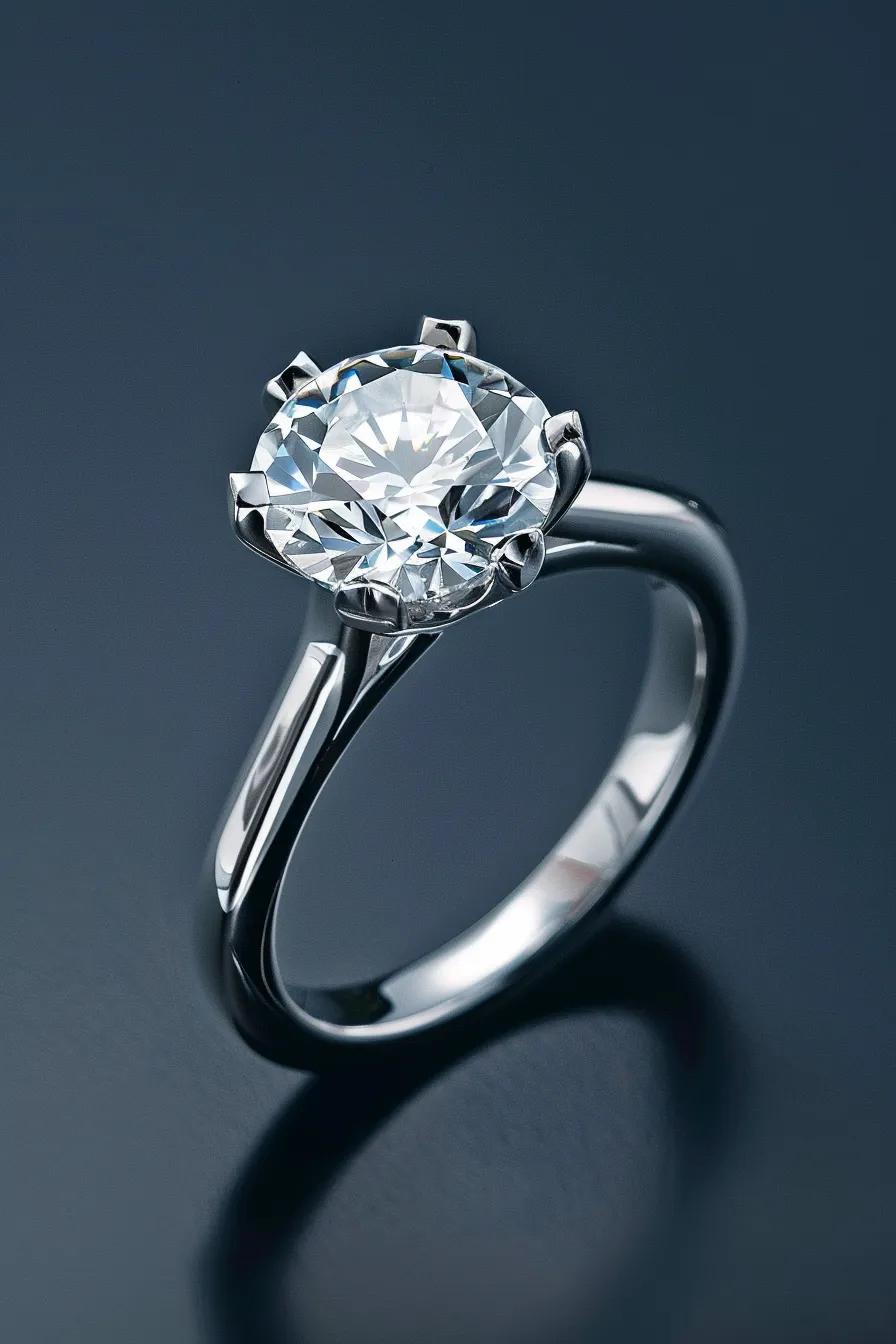
Choosing the best diamond colour for an engagement ring involves balancing its visual appeal, the chosen setting style, and your budget. Grades G, H, and I are very popular for bridal jewellery because they appear white to the naked eye while offering excellent value. Platinum and white gold settings enhance the appearance of near-colourless stones, while yellow and rose gold can beautifully complement warmer grades. By understanding these interactions, you can select a diamond that will dazzle on her hand and serve as a cherished symbol of your commitment.
Which Diamond Colours Are Most Popular for Engagement Rings?
Near-colourless grades G, H, and I are top choices because they offer a brilliant white appearance without the premium price of colourless stones. H-grade diamonds set in platinum settings exhibit very little detectable warmth, while G-grades provide exceptional brightness in various lighting conditions. These mid-range grades are favoured by a significant portion of couples seeking a blend of sparkle, smart investment, and elegant design.
How Do Different Metal Settings Affect Diamond Colour Perception?
The metal you choose for your setting can either enhance or subtly mask a diamond’s colour:
Metal Settings and How They Influence Diamond Colour Perception
The choice of metal for a diamond setting significantly impacts how the diamond’s colour is perceived. White metals like platinum and white gold tend to make diamonds appear whiter and more colourless. In contrast, yellow and rose gold settings can beautifully complement diamonds with warmer tones, adding to the overall aesthetic of the piece.
Smith, J., Journal of Gemology, (2023)
Ensuring your diamond and setting complement each other is key to achieving the perfect harmony of colour and metal, guiding you to consider how the diamond’s shape also influences its appearance.
How Does Diamond Shape Influence Colour Visibility?
Round brilliant cuts are excellent at concealing slight warmth due to their intense light return, often making G–J grades appear exceptionally white. However, fancy shapes like emerald or Asscher cuts have broader, more open facets that can reveal colour more readily. For these shapes, D–F grades are often recommended to maintain a crisp, colourless appearance. Understanding this interplay between shape and colour helps ensure your chosen silhouette showcases the hue you desire.
How to Balance Diamond Colour with Budget and Style Preferences?
Achieving the ideal balance involves prioritising the visual effect that matters most to you:
- If you prefer white metals, near-colourless grades offer the best combination of appearance and cost-effectiveness.
- For yellow-gold designs, embracing slight warmth in J or K grades can allow you to afford a larger carat size within your budget.
- Consider your personal style – whether you’re drawn to icy brilliance or a warm glow – and adjust the colour grade accordingly.
This balanced approach ensures your engagement ring reflects both your aesthetic preferences and financial considerations, preparing you to explore the captivating world of fancy colour diamonds.
How Do Fancy Colour Diamonds Differ and What Should You Know?
Fancy colour diamonds exist outside the standard D–Z scale and are graded based on the intensity, tone, and saturation of their vivid hues. Their unique colours are typically caused by trace element impurities or structural anomalies within the diamond, resulting in stunning natural colours like yellow, pink, blue, and more. Due to their rarity, fancy diamonds can be both breathtaking jewellery centrepieces and valuable investment assets, offering a spectrum of expressive possibilities that standard white diamonds cannot match.
What Is the Fancy Colour Diamond Grading System?
Fancy colour diamonds are evaluated based on their hue (the basic colour), tone (lightness to darkness), and saturation (the strength of the colour). Grades range from Faint to Fancy Vivid. This system quantifies the visual impact of each stone, allowing buyers to compare intensity levels—such as Fancy Light Pink versus Fancy Vivid Pink—and select a hue that delivers the desired vibrancy and rarity.
Which Fancy Colours Are Most Popular and Valuable?
The most sought-after and valuable fancy hues include Yellow, Pink, and Blue:
- Yellow Fancy Vivid diamonds offer a bold, sunlit brilliance.
- Pink Fancy Intense diamonds command high prices due to their romantic appeal.
- Blue Fancy Deep diamonds are prized for their captivating, ocean-like depth.
These top three colours often see faster appreciation than white diamonds, making them attractive choices for both style and as collectible assets.
How Does Rarity Impact the Value of Fancy Colour Diamonds?
Rarity significantly drives up the price of fancy diamonds. Fancy Vivid grades are exponentially rarer than Fancy Light stones, and certain hues, like red and green, are found in only a handful of diamonds worldwide. As colour intensity and unusual hues increase, prices can escalate dramatically, reinforcing the importance of selecting certified, high-grade fancy diamonds for long-term value.
What Are Lab-Grown Diamond Colour Grades and How Do They Compare?
Lab-grown diamonds are graded using the same GIA D–Z colour scale as natural diamonds, offering transparent grading and an environmentally conscious choice. Modern CVD and HPHT processes can produce diamonds with colourless and fancy hues of consistent quality. By understanding how lab-grown colour grading aligns with natural standards, you can enjoy identical optical properties at a significantly lower price point, typically 20–40 percent less, while supporting responsible sourcing.
How Are Lab-Grown Diamonds Graded on the GIA Colour Scale?
The GIA grades lab-grown diamonds from D to Z using the exact same criteria applied to natural diamonds. This allows for direct comparisons of hue, brilliance, and value. Lab-grown D–F diamonds match the highest colourless grades, G–J near-colourless grades appear white in everyday settings, and K–Z grades exhibit intentional warmth or fancy tints—all verified through the same rigorous certification protocols.
What Causes Colour Variations in Lab-Grown Diamonds?
Colour variations in lab-grown diamonds typically arise from trace impurities introduced during the synthesis process:
- The presence of nitrogen can result in yellow or brown tints, particularly in HPHT processes.
- Boron impurities are responsible for creating blue tones under CVD conditions.
- Controlled doping techniques are used to produce specific fancy hues on demand.
Understanding these factors helps you choose lab-grown diamonds that offer consistent colour performance and meet your aesthetic and budgetary requirements.
How to Choose Lab-Grown Diamond Colours for Best Value and Appearance?
When selecting lab-grown diamond colours, consider these tips:
- Opt for G–J near-colourless grades in white-metal settings for the best value and appearance.
- Embrace K–M warmth in yellow or rose-gold designs to potentially achieve larger carat sizes within your budget.
- Explore intentionally doped fancy lab-grown colours for unique, statement-making pieces.
This focused approach ensures you take full advantage of the cost benefits of lab-grown diamonds while achieving the precise hue and brilliance you desire.
How Do Diamond Colour and the Other 4Cs Interact to Affect Appearance?
A diamond’s colour works dynamically with its cut, clarity, and carat weight to shape its overall appearance. While colour refers to hue, cut determines how light performs within the stone, clarity indicates visible inclusions, and carat weight influences perceived size. Considering these relationships holistically allows you to prioritise the attributes that will deliver the most visual impact within your budget.
How Does Diamond Colour Influence Brilliance and Cut?
The proportions and facet arrangement of a diamond’s cut significantly influence how light reflects and refracts, which can either enhance or mask subtle colour. Excellent and Ideal cut grades maximise brightness in near-colourless diamonds, making G–I grades sparkle with a brilliance comparable to D–F stones. Understanding this synergy helps you allocate your budget wisely between cut and colour for the ultimate brilliance.
What Is the Relationship Between Colour and Clarity?
Diamonds with high clarity (VS2 and above) tend to reveal colour nuances more readily than those with lower clarity. Therefore, pairing near-colourless grades with high clarity optimises the perception of whiteness. Conversely, slight inclusions in SI-grade diamonds can distract the eye from minor colour tints, allowing you to balance clarity and colour to achieve beautiful results cost-effectively.
How Does Carat Weight Affect Colour Perception?
Larger carat diamonds tend to display colour more prominently because they absorb more light. For stones over 2 carats, choosing a D–F grade is recommended to ensure an icy, colourless appearance. For smaller sizes (under 1 carat), G–J grades can maintain an apparent whiteness, allowing you to invest more in size without significantly sacrificing perceived colour.
What Is Diamond Fluorescence and How Does It Impact Colour and Sparkle?
Diamond fluorescence occurs when a diamond emits visible light, most commonly blue, when exposed to ultraviolet (UV) light. Depending on its strength, fluorescence can either soften yellowish hues in lower colour grades or, in rare cases, make high-colour diamonds appear slightly milky under strong UV light. Understanding this phenomenon helps you decide whether to embrace fluorescence for its potential to improve colour appearance or avoid it to ensure maximum clarity and brilliance.
What Causes Diamond Fluorescence?
Fluorescence is caused by trace elements, primarily boron, within the diamond’s crystal structure. These elements absorb UV light and then re-emit it as visible light. The resulting glow is graded from None to Very Strong, with blue being the most common emission colour.
When Does Fluorescence Enhance or Detract from Diamond Colour?
Moderate to Strong blue fluorescence can effectively counteract faint yellow tints in K–M grades, resulting in a whiter appearance under daylight conditions. However, in high-colourless grades (D–F), Very Strong fluorescence might introduce a hazy or oily look under intense UV lighting. In such cases, diamonds with None or Faint fluorescence are generally preferred for their pure brilliance.
How Should Buyers Consider Fluorescence When Choosing Colour?
When selecting a diamond, always check the fluorescence rating on the certification report and, if possible, view the stone under UV-simulated lighting. If you’re looking for budget savings and a whiter appearance, moderate blue fluorescence in near-colourless grades can be a beneficial factor. For maximum fire and transparency, opt for diamonds with None or Faint fluorescence.
How Can You Use Diamond Colour Knowledge to Make Stunning Jewellery Choices in Australia?
Applying your understanding of diamond colour ensures you create jewellery that resonates with Australian preferences for quality, craftsmanship, and responsible sourcing. By leveraging local trends, considering ethical lab-grown options, and utilising interactive comparison tools from ADC Jewellery, you can design pieces that perfectly reflect both personal style and Australian market values.
What Are Australian Preferences and Trends in Diamond Colour?
In Australia, near-colourless G–I grades are highly favoured for engagement rings, offering a desirable blend of value and visual purity. There’s a growing interest in ethical sourcing and lab-grown diamonds, with a significant percentage of buyers now considering them for their environmental benefits. Round brilliant cuts remain the most popular shape, followed by ovals and emerald cuts, influencing colour choices that complement these favoured silhouettes.
How Do Ethical and Lab-Grown Diamonds Influence Colour Choices in Australia?
The increasing demand for responsible sourcing is driving the popularity of lab-grown diamonds, which are graded identically to natural stones. Australian buyers can confidently select D–Z colour grades, knowing their choice supports sustainable practices without compromising on hue or quality. This trend expands design possibilities and aligns with Australian values of transparency and environmental consciousness.
How Can Interactive Tools Help You Compare Diamond Colours and Settings?
ADC offers an online diamond colour slider that visually compares D–Z grades in various metal settings. Combined with 360-degree product views and the option for expert consultations, these interactive tools simplify the selection process. You can preview how each colour grade appears in platinum, white gold, yellow gold, or rose gold before making your final decision.
By mastering the principles of diamond colour, you can elevate every jewellery choice into a stunning work of art that celebrates life’s most meaningful moments. Explore ADC’s curated collection and let our certified gemologists guide you to a diamond that truly sparkles with your unique story.


