
Choosing the Perfect Diamond Clarity – Australian Diamond Company
Diamond clarity is the measure of a gem’s purity and sparkle, significantly influencing its brilliance and enduring value. This guide will illuminate why clarity is crucial, how the GIA grades imperfections, and the internal and surface characteristics that define a diamond’s grade. You’ll learn to identify an eye-clean diamond, harmonise clarity with popular cuts, balance it within the 4Cs, compare natural versus lab-grown options, and employ expert selection strategies. Whether you’re envisioning a bespoke engagement ring at adc.com.au or browsing certified stones online, this article empowers you to choose the ideal clarity grade for your distinct style and budget.
Understanding Diamond Clarity and Its Significance
Diamond clarity assesses the presence of internal inclusions and surface blemishes that can affect a stone’s light performance. A thorough understanding of clarity ensures you invest in a diamond that maximises brilliance, longevity, and value by minimising visible imperfections.
What Exactly Is Diamond Clarity?
Diamond clarity refers to the absence of microscopic internal characteristics like feathers, crystals, or clouds and surface imperfections such as scratches or polish lines. These features develop during a diamond’s natural formation or its cutting process. A diamond with fewer imperfections refracts light more effectively, resulting in a sharper sparkle and lasting beauty, making clarity a vital consideration when evaluating gem quality and price.
How Does Clarity Impact a Diamond’s Appearance and Value?
Higher clarity grades allow light to travel unimpeded through the diamond’s facets, creating intense fire and brilliance. Conversely, prominent inclusions can disrupt light paths, dulling sparkle and potentially affecting durability. As clarity improves, the price escalates significantly: diamonds graded Flawless (FL) command the highest market prices, while lower grades like SI2 or I1 offer more accessible options with minimal visual impact when chosen wisely.
Diamond clarity plays a substantial role in a diamond’s value, with higher clarity grades commanding premium prices. The presence of inclusions and blemishes can affect a diamond’s brilliance and overall appearance, influencing its market value.
Gemological Institute of America, Diamond Clarity: The 4Cs, (2024)
Diamond Clarity’s Place Within the 4Cs
Within the renowned 4Cs framework Cut, Colour, Clarity, Carat. Clarity works in tandem with cut precision and colour purity to influence overall optical performance. An exceptional cut can enhance the appearance of minor clarity flaws, while warmer coloured diamonds might better conceal slight inclusions. Carat weight amplifies the visibility of inclusions: larger diamonds necessitate stricter clarity standards to maintain an eye-clean appearance. Achieving a harmonious balance among these elements ensures a selection that aligns with your aesthetic preferences and financial plan, leading us to the detailed GIA grading system.
Navigating the GIA Diamond Clarity Scale
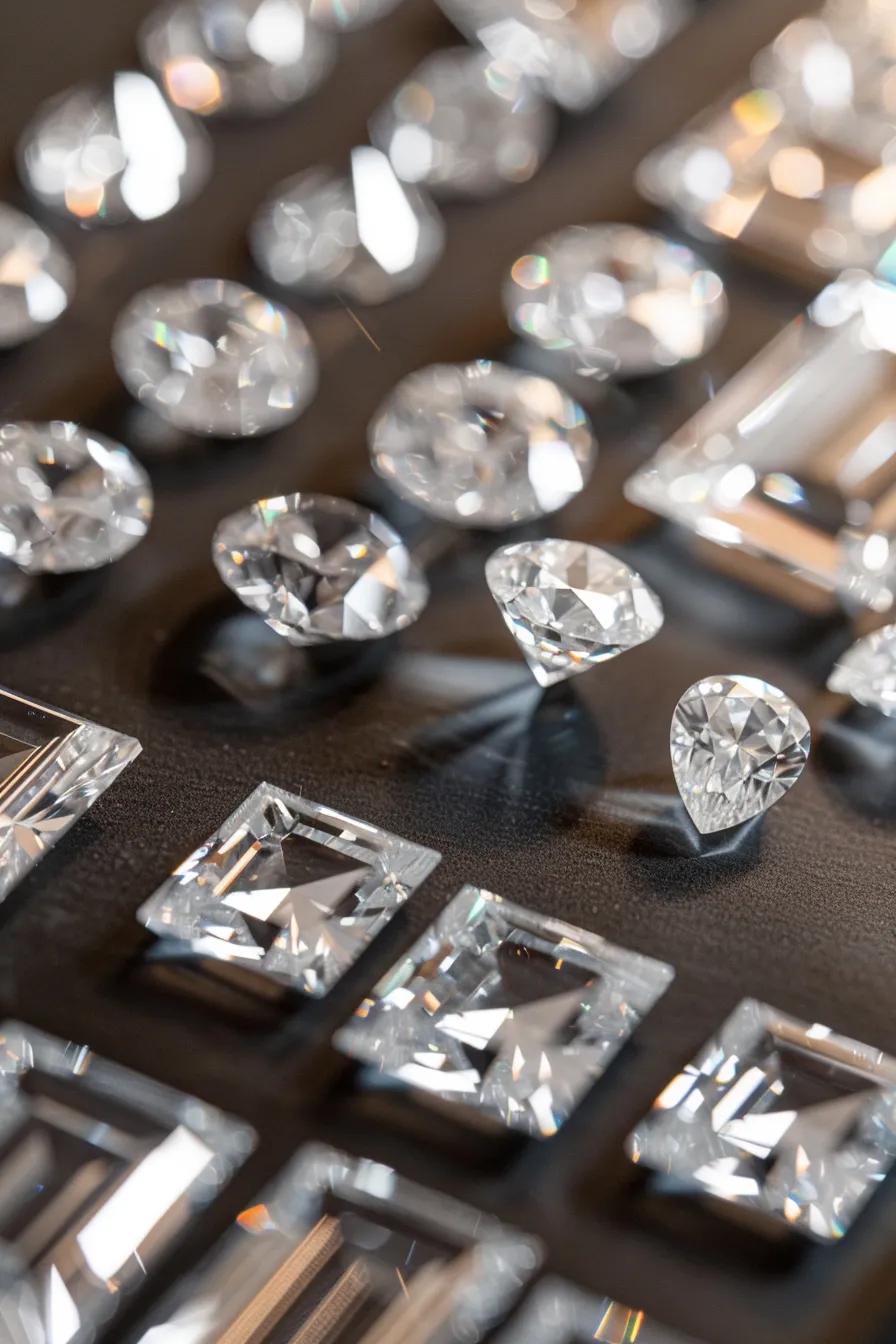
The Gemological Institute of America (GIA) clarity scale encompasses eleven precise grades, ranging from flawless purity to noticeable inclusions. This globally recognised standard underpins diamond valuation by consistently assessing inclusion type, size, number, position, and contrast under 10× magnification.
The GIA (Gemological Institute of America) established the diamond grading system, which serves as the benchmark for evaluating diamond clarity, utilising a scale from Flawless (FL) to Included (I3). This system meticulously assesses the size, number, position, and nature of inclusions and blemishes under 10x magnification to determine the clarity grade.
GIA, The GIA Diamond Grading System, (2024)
The 11 GIA Clarity Grades: From FL to I3
Below is a structured breakdown of the GIA clarity spectrum, illustrating how each grade corresponds to inclusion visibility and market positioning.
Distinguishing Between Flawless, Internally Flawless, and VVS Grades
Flawless (FL) diamonds exhibit no inclusions or blemishes when examined under 10× magnification, representing the zenith of diamond quality. Internally Flawless (IF) diamonds share this exceptional internal purity but may possess negligible surface marks, such as faint polish lines. Very, Very Slightly Included (VVS1 and VVS2) diamonds contain microscopic inclusions so minute they challenge even expert graders to detect. As you move from FL to VVS2, the price per carat decreases while the visual purity remains remarkably high.
Comparing VS, SI, and Included Grades
Very Slightly Included (VS1, VS2) diamonds feature small blemishes discernible only under magnification, offering an excellent balance between cost and visual appeal. Slightly Included (SI1, SI2) stones possess inclusions that trained eyes might detect when viewed face-up, yet many SI1 diamonds appear eye-clean and provide substantial savings. Included grades (I1–I3) display inclusions visible without magnification, which can affect brilliance and durability but are suitable for highly budget-conscious buyers.
How Inclusions and Blemishes Are Assessed in Grading
Graders meticulously evaluate each imperfection based on its size, nature (type), contrast (relief against the diamond’s background), number, and position relative to the stone’s face-up orientation. Internal characteristics, such as feathers or crystals, are distinct from surface blemishes like scratches or pits. The cumulative effect of these factors determines the final clarity grade, forming the basis for a diamond’s overall valuation and aesthetic performance.
Common Types of Diamond Inclusions and Blemishes
Familiarising yourself with specific inclusion and blemish types will help you anticipate their visual impact and durability implications before making a purchase.
Understanding Pinpoints, Clouds, Feathers, and Crystals
Common internal characteristics include:
- Pinpoints: Tiny dots that appear as minute white or black crystals.
- Clouds: Clusters of pinpoints that create a hazy area, potentially affecting transparency.
- Feathers: Internal fractures or fissures that, if significant, could impact durability.
- Crystals: Mineral inclusions within the diamond, varying in colour and size.
These types of inclusions differ in their visibility and effect on sparkle, influencing both the clarity grade and your confidence in the stone.
How Surface Blemishes Like Scratches and Polish Lines Affect Clarity
Surface imperfections, including fine scratches, polish lines, and pits, can occur during the diamond’s cutting and finishing stages. While they generally do not compromise the diamond’s structural integrity, blemishes can scatter light at the facet surfaces, slightly diminishing brilliance. Diamonds graded IF may exhibit such marks without compromising internal purity, highlighting why blemish characteristics play a secondary role to inclusions in clarity evaluation.
The Impact of Different Inclusions on Diamond Durability and Sparkle
Large feathers near facet edges pose a risk of chipping during wear, while dense clouds can diffuse light, softening the diamond’s fire. Pinpoints and small crystals typically present minimal structural concerns but can concentrate light refraction, leading to duller areas. By understanding these effects, you can prioritise clarity grades that offer both lasting durability and vibrant brilliance, which naturally leads into how cut selection further conceals or reveals imperfections.
Visibility of Inclusions in Different Diamond Cuts
The way a diamond is faceted significantly influences how inclusions are concealed. Brilliant-cut shapes (like Round and Cushion) intensely scatter light, effectively hiding minor inclusions in VS2 or SI1 grades. Step cuts (such as Asscher and Emerald) feature broad, open facets that act like windows, demanding higher clarity grades (VVS or above) to avoid obvious imperfections. Understanding these relationships guides your clarity grade choices based on the chosen shape.
Identifying an Eye-Clean Diamond: Which Clarity Grades Qualify?
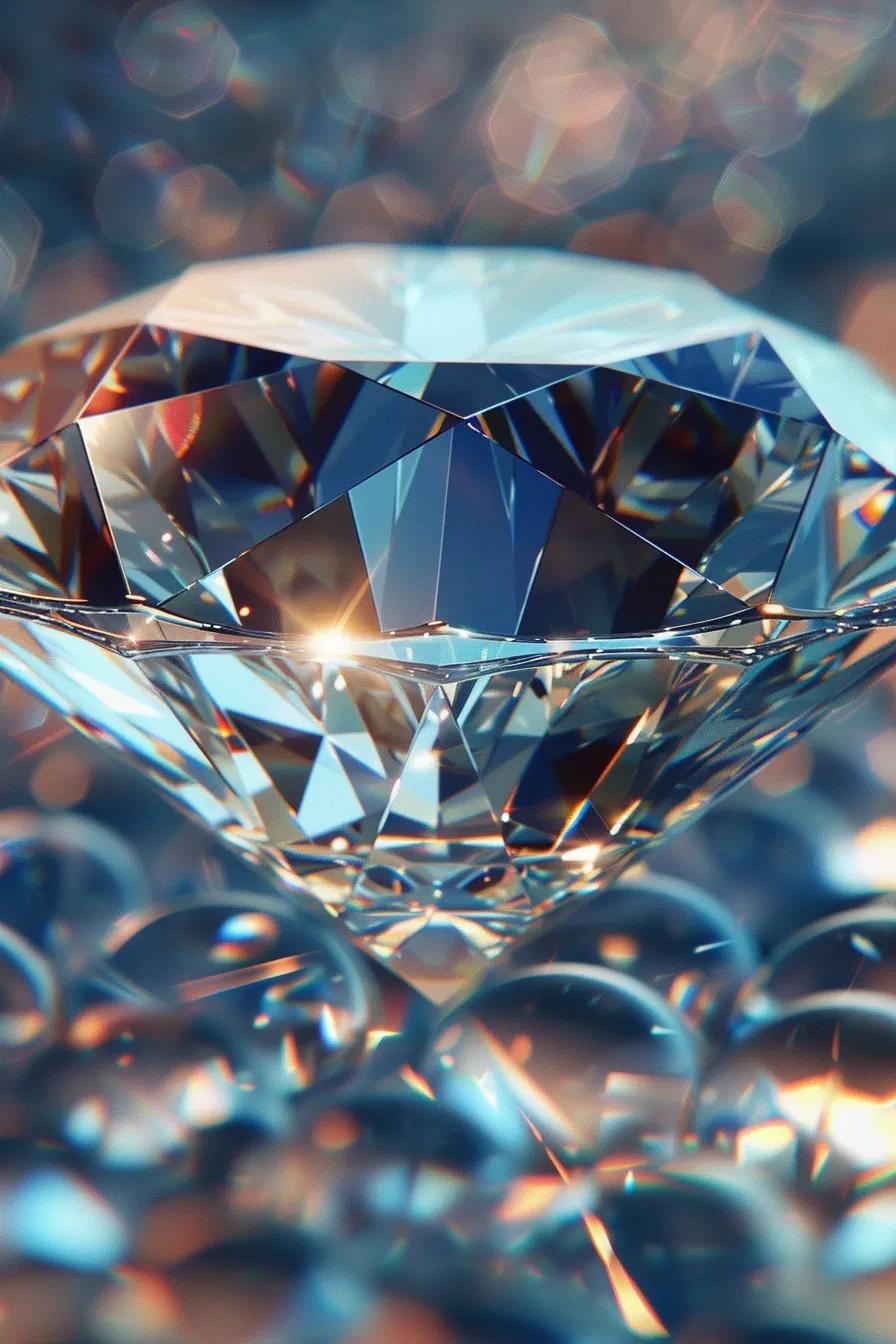
An “eye-clean” diamond is one that appears free of visible inclusions to the unaided eye, allowing for optimal sparkle at accessible price points.
What Does “Eye-Clean” Mean for Diamond Clarity?
“Eye-clean” describes a diamond whose inclusions are not discernible to the naked eye under typical lighting conditions. This characteristic ensures the wearer can appreciate the diamond’s full brilliance without the need for magnification, making it a practical benchmark for selecting mid-range clarity grades that maximise value without compromising appearance.
Which Clarity Grades Are Typically Eye-Clean?
Most VS2 and SI1 diamonds achieve eye-clean status, with inclusions only detectable by trained graders using a 10× loupe. VS1 stones also qualify, offering added assurance at a modest premium. Selecting within these ranges provides a smart balance between budget constraints and visual purity for everyday wear.
How Diamond Size and Cut Influence Eye-Clean Appearance
Larger carat weights tend to magnify the visibility of inclusions; therefore, an SI1 diamond of 1.5 carats might reveal internal features that appear hidden in a 0.75 carat equivalent. Similarly, intricate cuts with numerous facets, like Princess or Radiant, diffuse inclusion visibility more effectively than simpler step-cut styles. Matching the clarity grade to the diamond’s size and cut ensures consistent eye-clean performance across different carat weights.
Checking Diamond Clarity at Home: A Simple Guide
You can perform a preliminary assessment by:
- Viewing the diamond under bright, natural daylight.
- Holding the stone approximately 10 cm from your eye and rotating it gently.
- Observing for any dark spots, shadows, or lines that move with the diamond.
- Using a 10× loupe to confirm any suspected inclusions away from the girdle.
These steps can help you verify eye-clean status before finalising a certified purchase.
How Diamond Shape Affects Clarity Requirements
A diamond’s shape and its facet arrangement influence how inclusions are perceived, guiding clarity grade recommendations for each style.
Best Clarity Grades for Round Brilliant Cut Diamonds
Round brilliant cuts, with their 58 facets optimised for fire and brilliance, are adept at concealing minor inclusions. VS2 or SI1 grades often deliver an eye-clean appearance while reducing costs by up to 30 percent compared to higher clarity tiers, making them an excellent choice for budget-conscious buyers seeking maximum sparkle.
Clarity Visibility and Selection for Radiant Cuts
Radiant cuts combine brilliant facet patterns with trimmed corners, enhancing light dispersion but occasionally revealing inclusions along the pavilion facets. VS1 or VS2 grades ensure inclusions remain hidden, while SI1 may be suitable for smaller radiant stones under 1 carat. Opting for a radiant cut with a mid-range clarity grade balances brilliance with sensible spending.
Why Asscher and Emerald Cuts Demand Higher Clarity
Step cuts, such as Asscher and Emerald, feature large, open facets that act as transparent windows into the diamond’s interior. Any inclusion becomes clearly visible. VVS1 or VVS2 grades are recommended to maintain an unobstructed view, particularly in stones exceeding 1 carat, where window effects can magnify imperfections.
Clarity Considerations for Marquise, Oval, and Pear Cuts
Elongated shapes tend to concentrate light along their length, potentially stretching inclusions into eye-visible lines. VS2 and SI1 grades often remain eye-clean in smaller stones, but opting for VS1 provides added reassurance for diamonds above 1.2 carats. Paying attention to the location of inclusions preferring those near the girdle rather than the centre, helps ensure continued brilliance.
Diamond Clarity’s Influence on Price and Value
Improvements in clarity incrementally increase the per-carat cost, but selecting the optimal grade within your budget, balanced with cut, colour, and carat considerations, yields the greatest value.
Price Variations Across Different Clarity Grades
A typical price progression is as follows:
- FL to IF: Approximately 15–25 percent increase per grade step
- IF to VVS2: Approximately 10–15 percent increase per grade step
- VVS2 to VS2: Approximately 8–12 percent increase per grade step
- VS2 to SI1: Approximately 5–10 percent increase per grade step
- SI1 to I1: Approximately 20–30 percent decrease
Balancing Clarity with Cut, Colour, and Carat for Optimal Value
To maximise your investment:
- Prioritise cut excellence to enhance light return and overall brilliance.
- Choose VS2 or SI1 clarity when eye-clean qualities are confirmed.
- Opt for near-colourless (G–H) grades to minimise colour premiums.
- Adjust carat weight within ±0.1 carat thresholds to take advantage of price breaks.
This comprehensive approach ensures a brilliantly performing diamond at a competitive price.
The Value Proposition of Eye-Clean Diamonds
Eye-clean diamonds in the VS2 or SI1 grades offer cost savings of 30–50 percent compared to higher clarity tiers while maintaining full visual appeal. This sweet spot provides budget-conscious buyers with the confidence of an imperfection-free appearance under normal wear conditions, representing the most cost-effective clarity strategy.
Comparing Lab-Grown and Natural Diamonds in Clarity and Price
Lab-grown diamonds often achieve higher clarity grades at lower price points due to controlled growth environments that minimise inclusions. VS2 lab-grown diamonds can be approximately 40 percent less expensive than comparable natural gems, allowing purchasers to invest more in cut or carat weight while maintaining clarity excellence. While natural diamonds retain traditional prestige, lab-grown options present compelling value and sustainability advantages.
Expert Tips for Selecting the Perfect Diamond Clarity
Professional guidance and careful inspection techniques will ensure you select a diamond that aligns with your aesthetic expectations, ethical standards, and budget.
Using Certification Reports and GIA Grading for Clarity Verification
Review GIA certificates for:
- The clarity grade and a plot illustrating inclusion locations.
- Detailed descriptions of inclusions, including type, size, and position.
- Overall comments regarding finish quality and authenticity.
Comparing certification data across different diamonds guarantees you choose a stone that meets your eye-clean and value criteria.
When and How to Consult a Gemmologist for Clarity Assessment
Engage a qualified gemmologist when:
- You require confirmation of eye-clean status for SI grades.
- You are evaluating larger carat stones (over 1.5 carats) where inclusions become more pronounced.
- You need personalised advice on the impact and durability of specific inclusions.
Gemmologists utilise advanced microscopy and extensive experience to validate clarity beyond online descriptions, safeguarding your investment.
How Setting Metal Colour and Style Influence Perceived Clarity
The choice of setting can enhance or subtly conceal inclusions:
- Platinum: Reflects bright white light, accentuating sparkle but also revealing flaws more readily.
- Yellow Gold: Casts warm tones that can help mask minor inclusions.
- Rose Gold: Offers a rosy diffusion that can soften visible blemishes.
The number of prongs and bezel styles also influence light flow. Selecting a complementary metal and setting style can shift focus towards brilliance, which is ideal when balancing lower clarity grades with aesthetic goals.
Frequently Asked Questions About Diamond Clarity
Buyers commonly inquire about the relative importance of clarity versus colour, the optimal clarity for an engagement ring, and how magnification reveals imperfections. Questions often include whether SI1 stones can appear flawless, the trade-offs between clarity and carat weight, and how to verify inclusion severity without professional tools. Understanding these common concerns helps you address priority factors and achieve clarity confidence before making a purchase.
Diamond clarity is a fundamental aspect of diamond selection, directly influencing appearance, value, and durability. By understanding the GIA scale, types of inclusions, eye-clean thresholds, shape-specific requirements, and pricing dynamics, you can confidently choose a clarity grade that perfectly complements your design aspirations and budget. For personalised assistance and a curated selection of certified diamonds, explore the custom engagement ring options available at adc.com.au, your premier destination for crafting a timeless symbol of your commitment.


