
Choosing Your Perfect Diamond Shape with Australian Diamond Company
Selecting a diamond shape is the critical first step in finding the perfect diamond shape that complements your style, finger proportions, and budget. Many buyers struggle to balance brilliance, size perception, and ring design, this guide resolves that by unpacking the most popular cuts, matching shapes to hand types, weighing pros and cons, clarifying cut vs. shape, and aligning choices with budget and lifestyle. You will learn how round, princess, oval, and fancy shapes perform, which profiles flatter different fingers, where trade-offs lie, why cut quality matters, and how to secure value, all while exploring expert-vetted options at the Australian Diamond Company.
What Are the Most Popular Diamond Shapes and Their Key Features?
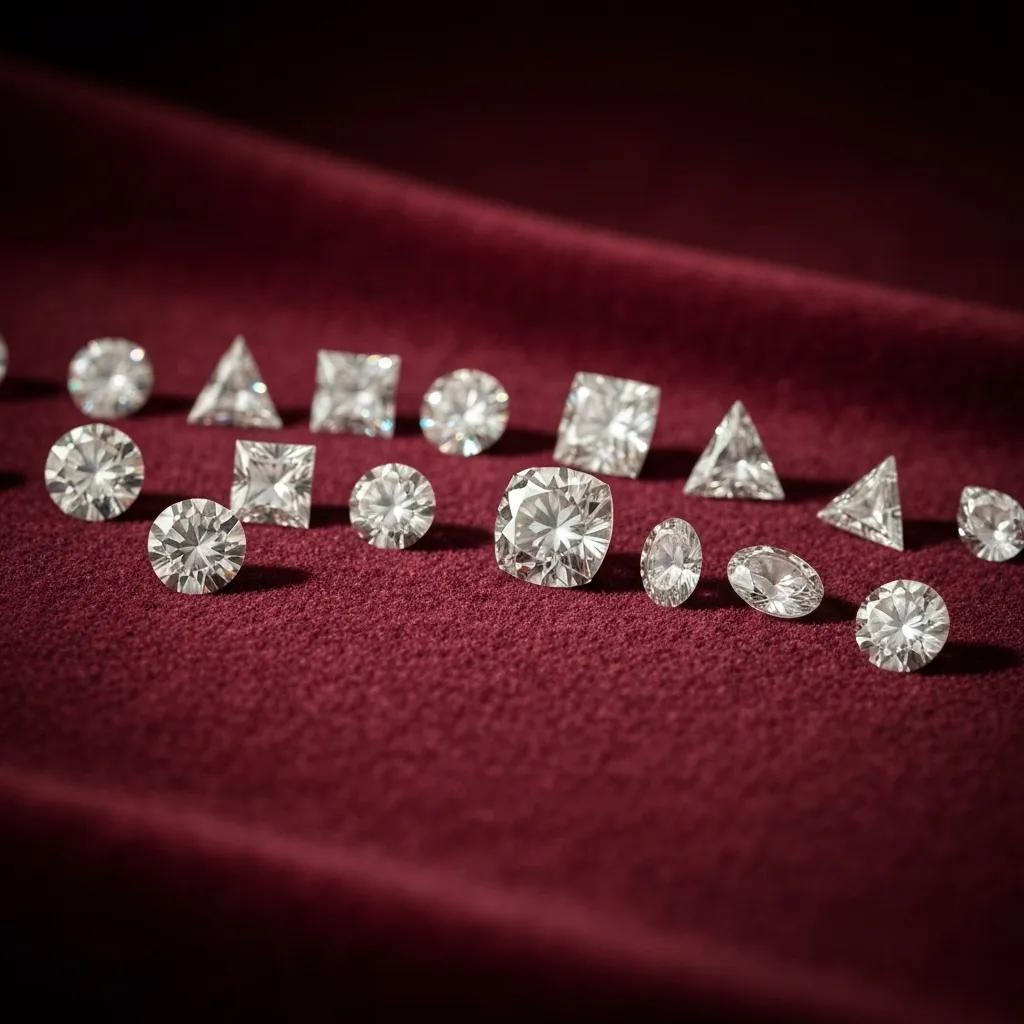
Popular diamond shapes balance light performance and aesthetic appeal by defining the outline (shape) and the facet arrangement (cut quality), ensuring maximum sparkle and a distinctive look. The following table compares key attributes for high-demand cuts:
Each shape offers distinct visual benefits that guide buyers toward the right profile, beginning with the unrivaled popularity of the round brilliant cut.
What Makes the Round Brilliant Diamond the Most Popular Choice?
Round Brilliant Diamond delivers exceptional brilliance by optimising facet angles to maximise light reflection.
- Precise facet arrangement enhances fire and scintillation.
- Universally flattering outline suits every setting style.
- Resale value remains strong due to enduring demand.
These strengths contrast with emerging fancy shapes that emphasise size or vintage charm.
How Do Oval and Princess Cut Diamonds Compare in Style and Size?
Oval Cut Diamond produces the illusion of greater length per carat, while Princess Cut Diamond offers a contemporary square look with high edge-to-edge sparkle.
- Oval often appears larger face-up than round.
- Princess retains sharp lines but can show “bow-tie” effects.
- Both shapes pair well with halo and solitaire settings.
Their stylistic differences guide personal taste toward soft curves or crisp geometry.
What Are the Unique Characteristics of Emerald, Cushion, and Pear Shapes?
Emerald Cut Diamond emphasises clarity through its broad, step-cut facets.
Cushion Cut Diamond combines a square outline with rounded corners for a romantic glow.
Pear Shape Diamond merges round brilliance with a tapered point for a distinctive silhouette.
Understanding these contrasts prepares you to match shapes to hand characteristics and fashion preferences.
How Do You Match Diamond Shapes to Your Finger Type and Personal Style?
Aligning diamond proportions with finger anatomy ensures a flattering effect by balancing perceived length and width, while style cues guarantee that the cut resonates with your wardrobe and lifestyle. Consider finger length, width, and daily activities to narrow your options before viewing actual settings.
Which Diamond Shapes Best Flatter Short or Wide Fingers?
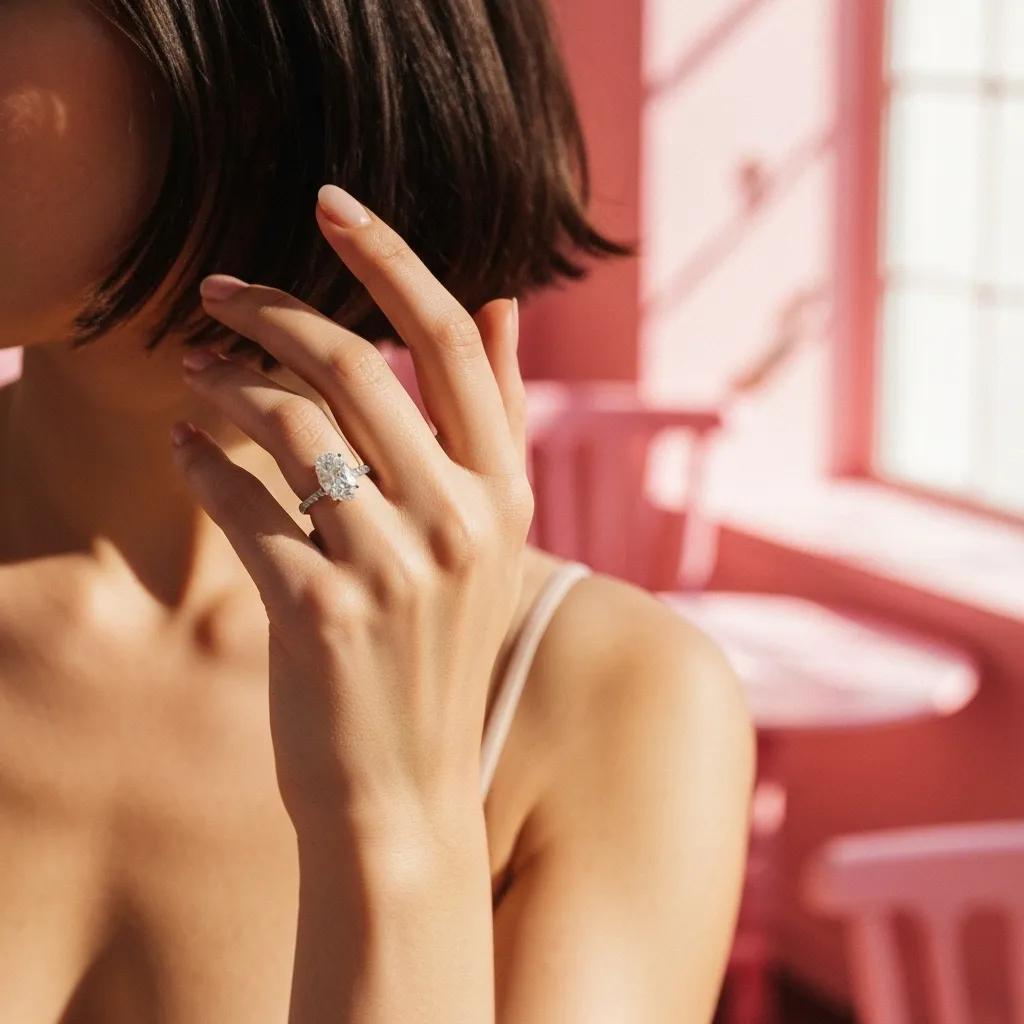
Elongated outlines such as oval and marquise shapes lengthen the finger visually, while round and cushion cuts avoid excessive width on broader fingers.
- Oval and Marquise: Direct the eye along the finger’s length.
- Pear: Tapers accentuate narrow tips and slim the hand.
Choosing an elongated profile transforms hand proportions discreetly.
Diamond Shape and Finger Type
Elongated diamond shapes like oval and marquise can create the illusion of longer, slimmer fingers, while round and cushion cuts offer a more balanced look.
Guide to Diamond Shapes That Complement Different Finger Shape – MTD (2023-08-15)
This source provides information on how different diamond shapes can complement various finger types, which directly supports the article’s advice on matching shapes to hand characteristics.
How Do Elongated Shapes Like Oval and Marquise Slim the Appearance of Fingers?
Elongated cut ratios use a length-to-width relationship that creates optical slimming. The table below illustrates typical elongation effects:
These elongation principles inform the final selection of shape and ratio.
What Diamond Shapes Suit Different Lifestyle and Fashion Preferences?
Everyday wearers benefit from durable shapes like round and radiant cuts, while vintage enthusiasts gravitate toward emerald and cushion cuts.
- Active Lifestyles: Round or Radiant for toughness and sparkle.
- Vintage Aesthetics: Emerald and Cushion for classic elegance.
- Modern Trends: Princess and Oval for contemporary flair.
Matching shape and style ensures your ring complements your routine seamlessly.
What Are the Pros and Cons of Each Diamond Shape to Consider?
Every diamond shape carries trade-offs in brilliance, durability, and price, so weighing advantages against drawbacks clarifies which profile aligns with your priorities.
What Are the Benefits and Drawbacks of Round Brilliant and Princess Cuts?
Diamond Durability and Shape
Round brilliant cut diamonds are generally the most durable due to their lack of sharp corners, which reduces the risk of chipping. Cushion and radiant cuts, with their rounded or beveled edges, also offer good durability.
Which are the Best Diamond Shapes for Durability? – Gabriel & Co. (2023-10-09)
This source supports the article’s discussion of diamond durability, specifically highlighting the round brilliant cut as the most durable shape.
How Do Cushion and Radiant Cuts Compare in Brilliance and Durability?
This comparison guides buyers toward shapes that balance luminous performance with wear resistance.
What Should You Know About Less Common Shapes Like Asscher and Marquise?
Asscher Cut Diamond features step facets and a square outline, showcasing clarity but requiring high-clarity material.
Marquise Cut Diamond maximises perceived size but can show “bow-tie” shadows if poorly cut.
Awareness of these nuances prevents surprises in sparkle and maintenance.
How Does Diamond Cut Differ from Diamond Shape and Why Does It Matter?
Diamond shape defines the silhouette, while cut describes facet quality that determines light performance, both must align to achieve optimal beauty and value.
What Is the Difference Between Diamond Shape and Cut?
Shape outlines the diamond’s form (round, oval, etc.), whereas cut quality grades how precisely facets reflect light, affecting brilliance.
How Does Cut Quality Affect the Sparkle of Different Diamond Shapes?
Diamond Cut and Brilliance
The cut quality of a diamond significantly impacts its brilliance, with excellent cuts maximising light return and sparkle. A well-cut diamond reflects light evenly, creating a bright and consistent sparkle.
The Diamond Cuts Guide
This source explains how the cut of a diamond is one of the most important factors in determining its brilliance and overall beauty, which directly supports the article’s emphasis on the importance of cut quality.
Why Is Understanding Both Shape and Cut Essential for Choosing the Right Diamond?
Combining a preferred shape with a superior cut grade ensures that the chosen profile delivers both the desired outline and maximum sparkle, securing long-term value.
How Can You Choose the Right Diamond Shape Within Your Budget and Preferences?
Balancing price per carat with perceived size and ethical considerations helps you select a shape that meets your aesthetic goals and financial plan.
Which Diamond Shapes Offer the Best Value for Size and Price?
Shapes with elongated outlines typically present larger face-up areas per carat at lower cost:
- Marquise and Oval: Up to 10–15% saving per mm face-up size.
- Pear and Radiant: Competitive pricing with strong brilliance.
How Do Lab-Grown Diamonds Fit Into Shape Selection and Ethical Considerations?
Lab-Grown Diamond provides identical physical and optical properties in every shape, delivering 20–40% cost savings and assured ethical sourcing.
Lab-Grown Diamonds and Ethics
Lab-grown diamonds offer an ethical alternative to mined diamonds, as they are conflict-free and have a smaller environmental footprint.
Lab Grown Diamonds | Shop Loose Lab Created Diamonds – Brilliant Earth
This source supports the article’s discussion of lab-grown diamonds, emphasising their ethical sourcing and environmental benefits.
What Settings and Metals Complement Different Diamond Shapes Best?
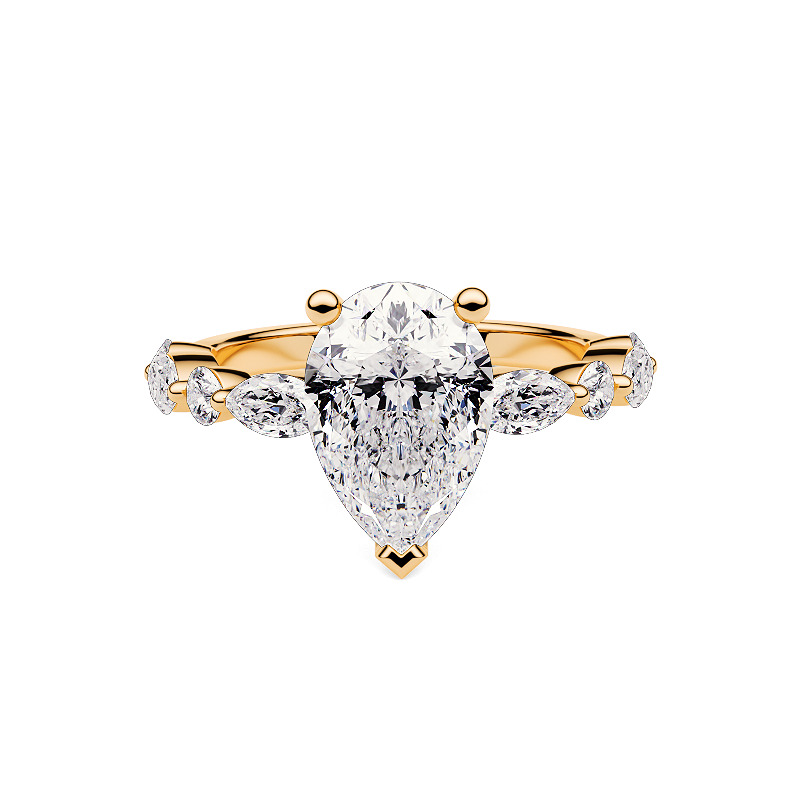
Choosing the right combination enhances each profile’s character and resilience while aligning with personal style and budget. Explore the full inventory of shapes and settings at Australian Diamond Company to find your ideal match.
Your understanding of shape attributes, cut quality, hand-flattering profiles, and budget constraints now equips you to choose with confidence. By combining these insights, you’ll secure a diamond that sparkles, fits your lifestyle, and endures as a lifelong symbol of beauty and value.


