
Mastering Diamond Cut Quality & Sparkle – Australian Diamond Company
Uncover why a diamond’s cut is paramount to its radiance, how industry benchmarks define superior craftsmanship, and the steps you can take to select or design a diamond that truly glows. This guide offers precise definitions, expert insights, and real-world examples to help you master the art of choosing a diamond cut that maximises its sparkle. We’ll delve into the fundamentals of cut and shape, the GIA grading scale, the enduring legacy of Ideal Cut proportions, advanced cut considerations, practical purchasing strategies, Australian Diamond Company’s commitment to excellence, and common misconceptions, all to empower your discerning jewellery selection.
What Exactly Is Diamond Cut, and Why Is It the Ultimate Factor for Sparkle?
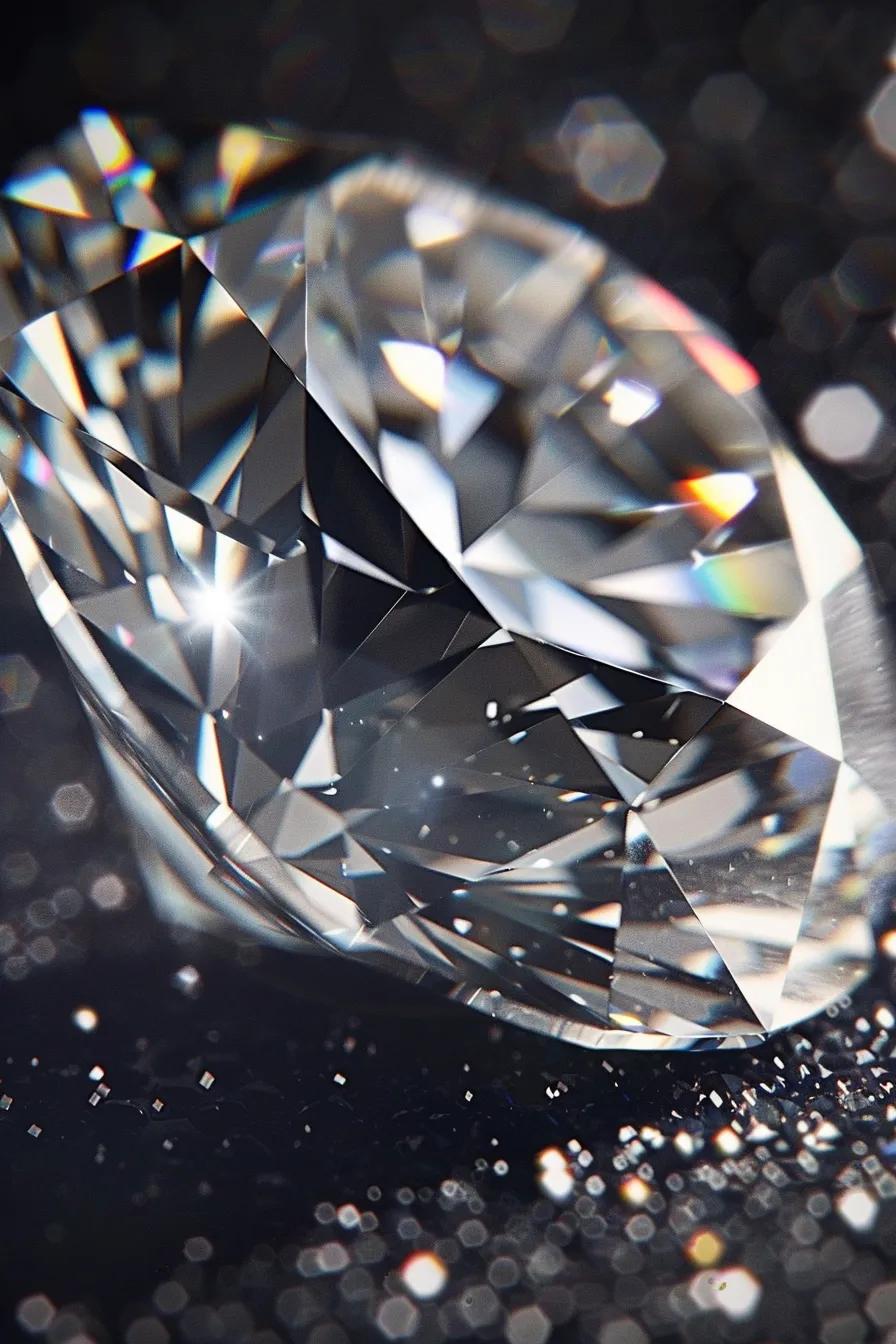
Diamond cut refers to the meticulous proportions, flawless symmetry, and exquisite polish of a diamond’s facets, dictating how light interacts within the stone. An exceptional cut quality optimises light return, resulting in unparalleled brilliance, captivating fire, and dynamic scintillation. For instance, a perfectly cut round brilliant diamond can reflect up to 97% of the light that enters its facets, creating a mesmerising display of white light and spectral colour.
By understanding cut as the primary driver of a diamond’s sparkle, we can then explore its three fundamental components and differentiate it from other visual characteristics like shape or carat weight. For more info read Diamond Brilliance.
How Do Diamond Cut Elements Influence Brilliance, Fire, and Scintillation?
A diamond’s cut orchestrates three interconnected optical phenomena:
- Brilliance – The total white light reflected back through the crown.
- Fire – The separation of light into vibrant rainbow flashes.
- Scintillation – The interplay of light and dark areas as the diamond moves.
These three elements converge to create a diamond’s overall sparkle, setting the stage for comparing cut with other attributes like shape or clarity.
What Distinguishes Diamond Cut from Diamond Shape?
Diamond shape defines the diamond’s external outline such as round, oval, or princess, while cut quality measures the precision with which the facets are fashioned within that outline. A heart-shaped outline (shape) might be aesthetically pleasing, but only a superior cut ensures optimal light performance. Grasping this distinction prevents confusion between the diamond’s silhouette and its optical brilliance.
Understanding this difference naturally leads to why cut quality holds precedence over the other Cs in determining a diamond’s inherent beauty.
Why Does Cut Outrank Colour, Clarity, or Carat in Importance?
Cut quality directly governs how light enters and exits a diamond, impacting its brightness more significantly than any other characteristic. Even a diamond with the highest colour grade (D) or flawless clarity (FL) can appear lifeless if its proportions fail to return light efficiently. For example, a well-cut diamond with SI1 clarity can exhibit more sparkle than a poorly cut stone with D colour. This principle underscores cut as the single most critical factor for achieving maximum brilliance.
Therefore, cut excellence becomes the foundational concept for exploring standardised grading systems and premium cut categories.
How Does the GIA Cut Grading System Define Diamond Cut Quality?
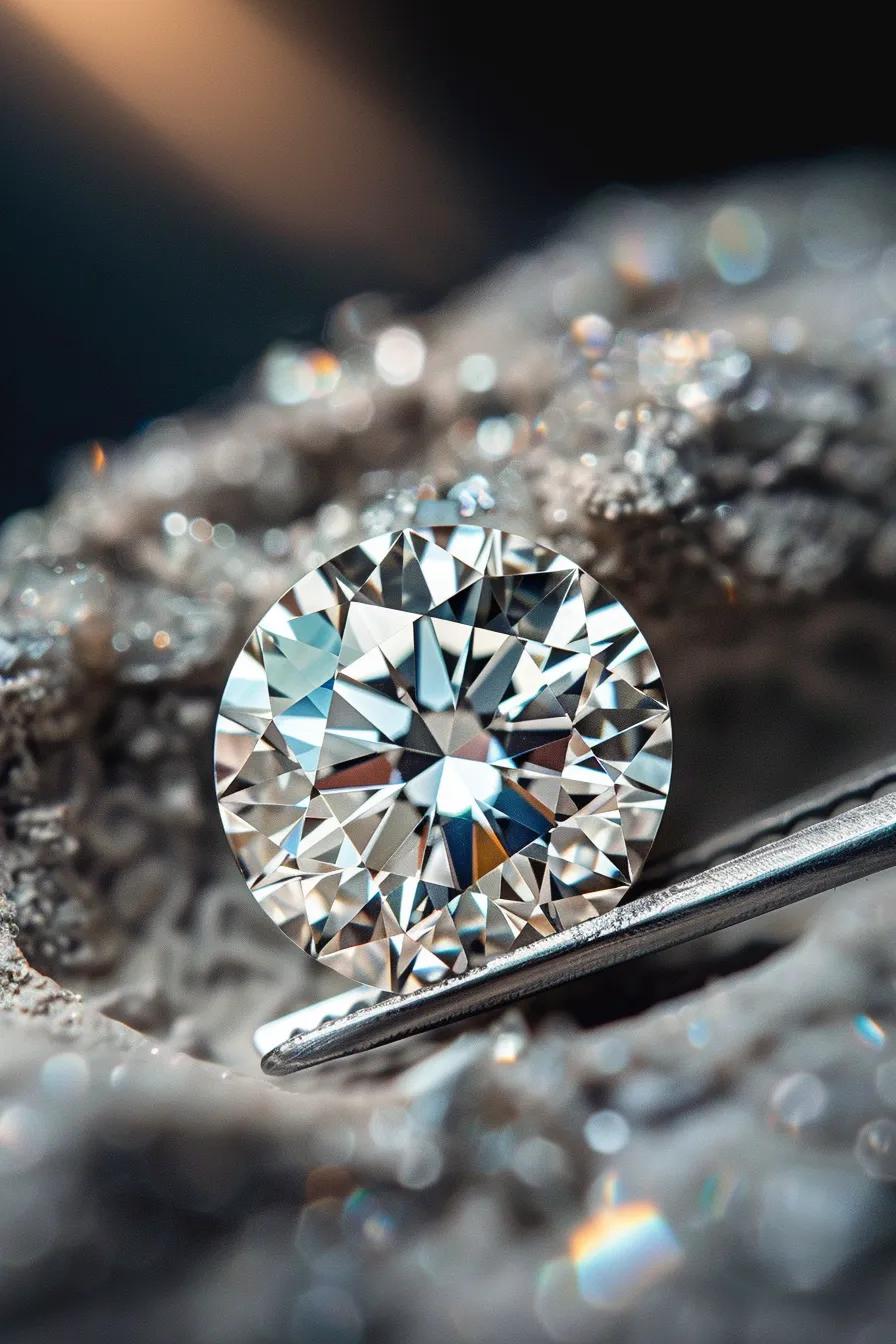
The Gemological Institute of America (GIA) assesses diamond cut based on objective measurements that predict light performance. By assigning grades ranging from Excellent to Poor, the GIA establishes a reliable benchmark for round brilliant diamonds. This grading system assists buyers and retailers in aligning expectations with actual visual results, ensuring consistent sparkle across the market.
The Gemological Institute of America (GIA) – Diamond Cut Grading System
The GIA developed a comprehensive diamond cut grading system to evaluate the proportions, symmetry, and polish of round brilliant diamonds. It assigns grades from Excellent to Poor, based on the diamond’s light performance. This system provides a standardised benchmark for assessing cut quality and its profound impact on a diamond’s brilliance, fire, and scintillation.
GIA, GIA Diamond Cut Grading System (2024)
This reference supports the article’s explanation of the GIA cut grading system and its crucial role in evaluating diamond quality.
What Are the GIA Cut Grades, from Excellent to Poor?
The GIA assigns five standard cut grades:
- Excellent – Achieves maximum light return and fire
- Very Good – Delivers high sparkle with only minor variances
- Good – Exhibits noticeable brilliance with slight light leakage
- Fair – Shows diminished sparkle due to proportion issues
- Poor – Suffers significant light loss, resulting in minimal visual performance
These classifications empower you to quickly compare diamonds and select the level of sparkle that best aligns with your budget and personal preferences.
What Are the Seven Key Components GIA Uses for Cut Grading?
The GIA’s cut evaluation is based on seven critical attributes:
- Brightness – Overall white light return
- Fire – Intensity of colour flashes
- Scintillation – Patterns of sparkle during movement
- Weight Ratio – Balance between dimensions and carat weight
- Durability – Strength and stability of facet junctions
- Polish – Surface smoothness, essential for light passage
- Symmetry – Precision of facet placement
Collectively, these factors provide a holistic assessment of a diamond’s optical potential and structural integrity.
How Does the GIA Grading System Apply Specifically to Round Brilliant Diamonds?
GIA cut grades are exclusively applied to round brilliant diamonds due to their standardised facet pattern, which consists of 58 precisely angled facets. This uniformity allows for accurate measurement of light performance. Fancy shapes, lacking such consistency, have their polish and symmetry graded by GIA, but not their overall cut, guiding buyers to rely on proportions and visual inspections instead.
Understanding the scope of GIA’s grading clarifies why round brilliants are central to the cut-quality discussion and prepares us to explore Ideal Cut proportions.
What Are Ideal Cut Diamonds, and How Do They Maximise Sparkle?
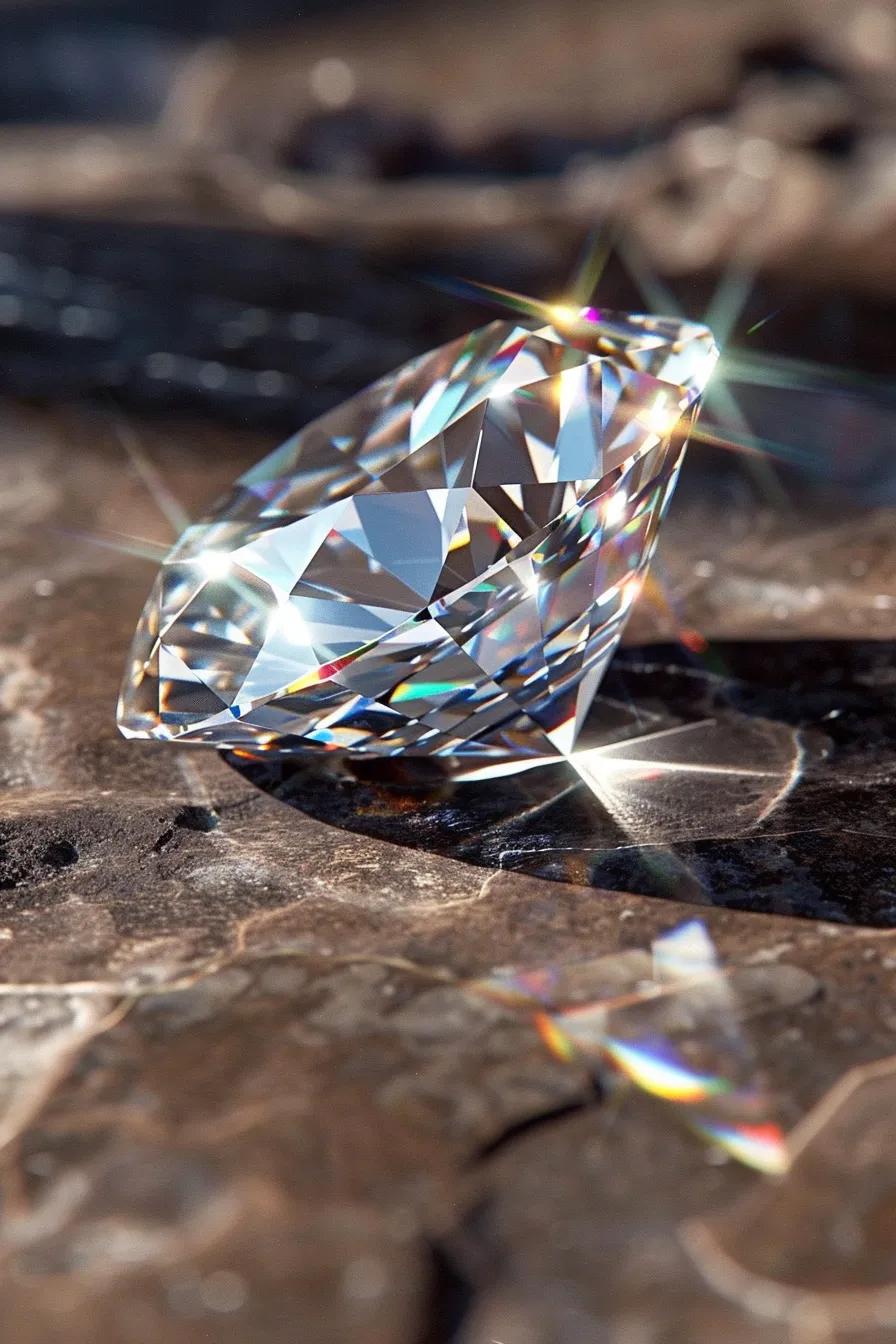
Ideal Cut diamonds adhere to precise proportions first conceived by Marcel Tolkowsky in 1919, meticulously balancing crown angle, pavilion depth, and table size for optimal light return. This precision engineering creates near-total internal reflection, transforming incoming light into intense brilliance and fire. For example, an Ideal Cut featuring a 34.5° crown angle and a 40.8° pavilion angle yields unmatched radiance under diverse lighting conditions.
By examining Tolkowsky’s foundational work and modern tolerances, we can reveal how Ideal Cut diamonds surpass even standard Excellent grades in light performance.
Who Was Marcel Tolkowsky, and What Is His Legacy in Ideal Cut Design?
Marcel Tolkowsky was a pioneering gemmologist whose mathematical analysis established an “ideal” relationship among table size, crown height, and pavilion depth. His 58-facet blueprint remains the cornerstone of premium cut design, significantly influencing contemporary cutter guidelines that strive to replicate his precise light-path calculations for maximum sparkle.
Tolkowsky’s groundbreaking work thus anchors our understanding of why Ideal Cut diamonds are so highly esteemed by both connoisseurs and skilled cutters.
Marcel Tolkowsky’s Ideal Cut Proportions
Marcel Tolkowsky’s seminal research in 1919 established the ideal proportions for diamond cuts, carefully balancing crown angle, pavilion depth, and table size to optimise light return and maximise brilliance. His foundational work continues to influence contemporary cutter guidelines for premium cut design.
Tolkowsky, M., Diamond Design: A Study of the Reflection and Refraction of Light in a Diamond (1919)
This citation substantiates the article’s discussion of Marcel Tolkowsky’s pivotal contribution to diamond cut design and the enduring concept of Ideal Cut proportions.
How Do Ideal Cut Proportions Optimise Light Performance?
These precise metrics work synergistically to minimise light leakage and maximise both white sparkle and coloured flashes, significantly elevating visual impact beyond standard Excellent cuts.
Is an Ideal Cut Superior to an Excellent Cut?
Yes, an Ideal Cut represents a more refined subset of the Excellent grade, featuring narrower tolerances for proportions, polish, and symmetry. While both grades deliver impressive sparkle, Ideal Cut diamonds demonstrate more consistent brilliance and fire under close examination. The difference may be subtle to the untrained eye but is demonstrably measurable through advanced light performance tools like ASET and Ideal-Scope imaging.
Appreciating this nuanced distinction empowers buyers to determine if the premium associated with an Ideal Cut aligns with their specific sparkle expectations.
What Factors Influence Diamond Cut Quality Beyond Standard GIA Grades?
Advanced cut quality extends beyond the GIA grade, encompassing the precision of facet proportions, the microscopic smoothness of polish, and the exactness of symmetry. These attributes further refine a diamond’s light performance, enhance its interaction with viewers, and contribute to its long-term durability. By examining these finer points, you gain a more profound understanding of what truly makes a diamond sparkle.
We will now analyse the most influential physical and structural characteristics that go beyond standard grading.
How Do Diamond Proportions Like Table, Depth, Crown, and Pavilion Angles Affect Sparkle?
Why Are Polish and Symmetry So Crucial for Cut Quality?
Polish refers to the smoothness of a diamond’s facets, while symmetry measures the accuracy of facet alignment. Excellent polish eliminates surface imperfections that can scatter light, and perfect symmetry ensures that facets meet at precise junctions to reflect light uniformly. Together, these elements prevent unwanted light diffusion and maximise the intensity of returned light, reinforcing the visual impact established by ideal proportions.
The refinement of polish and symmetry thus solidifies a diamond’s optical precision and ensures its lasting brilliance.
How Does Cut Quality Influence Diamond Price and Value?
Cut quality commands a significant premium because achieving ideal proportions and flawless finishing is exceptionally rare. Ideal Cut diamonds often carry a 10–20% price premium over Excellent cuts, reflecting the cutter’s additional labour and the yield loss incurred when meeting stringent angular requirements. Consequently, superior cut quality not only enhances sparkle but also preserves resale value, making it a wise investment for both beauty and financial appreciation.
The interplay of rarity, market demand, and exceptional light performance cements cut quality as a critical determinant in diamond valuation.
How to Select the Best Diamond Cut for Maximum Sparkle?
Choosing the perfect cut involves evaluating shape-specific ideal proportions, scrutinising grading certificates, and considering your personal style. By harmonising objective measurements with visual inspections, you can ensure your diamond delivers maximum brilliance within your budget. Australian Diamond Company’s curated educational resources and expert guidance streamline this process, helping you discover or design a stone that radiates confidence and joy.
Let’s explore shape preferences, emerging trends, certificate interpretation, and lab-grown alternatives.
Why Is the Round Brilliant Cut Renowned as the King of Sparkle?
The round brilliant cut features 58 precisely angled facets meticulously designed for ultimate symmetry and light return. Its perfectly round outline minimises contrast loss, delivering continuous brilliance and intense fire from every viewing angle. This unparalleled optical balance firmly establishes round brilliants as the benchmark for sparkle across all diamond shapes.
Recognising this pre-eminence clarifies why round brilliants are the dominant choice for engagement rings.
What Are the Cut Quality Considerations for Fancy Shape Diamonds?
Each fancy shape requires uniquely tailored proportions to optimise light performance:
- Oval & Marquise: Precise length-to-width ratios and effective management of the bow-tie effect
- Cushion: Balanced rounded corners and facet brightness
- Emerald: Step facets that prioritise clarity and subtle flashes of light
- Pear: Symmetrical taper and minimisation of the bow-tie effect
- Princess: Straight edges demanding sharp corner integrity
Understanding these shape-specific criteria guides you in comparing certificates and images to achieve the best sparkle outcome.
How Does Lab-Grown Diamond Cut Quality Compare to Natural Diamonds?
Lab-grown diamonds possess identical crystal structures and optical properties to their mined counterparts, allowing cutters to apply the same exacting proportion and finishing standards. As a result, lab-grown stones can achieve Excellent or Ideal cuts at competitive price points. This parity ensures that sustainable and ethical options are available without compromising on brilliance or fire.
Considering lab-grown alternatives expands your choices significantly without sacrificing sparkle performance.
How to Interpret a Diamond Certificate to Understand Cut Grades?
A certificate from the GIA or an equivalent reputable lab typically lists:
- Cut Grade – An overall assessment of proportions and light return
- Proportion Details – Table %, depth %, crown & pavilion angles
- Polish & Symmetry – Graded from Excellent to Poor
- Additional Notes – Specific measurements and girdle thickness
Reviewing these key data points provides confidence in selecting a diamond whose documented qualities precisely match its visual brilliance.
How Does Australian Diamond Company Ensure Exceptional Diamond Cut Quality and Sparkle?
Australian Diamond Company collaborates with master cutters and independent gemmologists to enforce stringent quality controls on every diamond we offer. Each stone undergoes detailed measurement, grading verification, and light performance imaging before it reaches you. This unwavering commitment to craftsmanship and transparency ensures that every diamond ordered online delivers the perfect sparkle you expect.
Discover how artisan skill, customisation options, and ethical sourcing converge to create unforgettable jewellery experiences.
What Craftsmanship Is Involved in Cutting Diamonds for Perfect Sparkle?
Highly skilled artisans employ precision micrometric tools to shape facets within ±0.1° tolerances and polish surfaces to a flawless finish. Real-time ASET or Ideal-Scope imaging guides adjustments to maximise light return. This meticulous process transforms rough crystals into masterpieces of optical performance.
Such exceptional craftsmanship underpins Australian Diamond Company’s reputation for delivering diamonds that shine brilliantly from every angle.
How Can You Customise Your Diamond Cut and Design?
Australian Diamond Company provides bespoke services that allow you to specify preferred proportions, facet styles, and mounting designs. Through virtual consultations, you can select ideal table sizes, angles, and shapes, with digital previews illustrating how each choice impacts sparkle. This personalised approach ensures your engagement ring or fine jewellery piece perfectly reflects both your aesthetic vision and optimal light performance.
Empowering you to co-create a custom design significantly elevates the emotional and visual impact of every diamond.
What Ethical Sourcing and Certification Standards Does Australian Diamond Company Adhere To?
All natural diamonds are sourced under the Kimberley Process certification to guarantee they are conflict-free, while lab-grown diamonds come with full origin transparency. Independent grading ensures each stone’s attributes are verified against GIA or IGI standards. By combining ethical integrity with industry-leading certification, Australian Diamond Company aligns moral responsibility with exceptional beauty.
This steadfast commitment to provenance and quality certifies that your investment sparkles with both brilliance and a clear conscience.
What Are Common Misconceptions About Diamond Cut and Sparkle?
Misunderstandings regarding cut, shape, carat weight, and visual performance can unfortunately lead buyers astray. Dispelling these myths equips you to make informed decisions, avoid potential regrets, and secure maximum sparkle. By clarifying these common errors, you can refine your criteria for selecting a diamond that truly shines.
We will now address the three most persistent misconceptions.
Is a Larger Carat Weight Always Better for Sparkle?
No, a larger diamond with suboptimal cut proportions can appear significantly duller compared to a smaller, exceptionally well-cut stone. Sparkle intensity is fundamentally dependent on how efficiently light is returned, not solely on size. Prioritising cut quality ensures that your diamond’s visual impact far exceeds its mere carat count.
Recognising this principle prevents overinvestment in size at the expense of true radiance.
Can Diamonds with Poor Cuts Still Appear Sparkly?
Yes, even substandard cuts can produce surface reflections and some degree of fire, but they invariably suffer from light leakage and muted brilliance. While a poorly cut stone might exhibit flashes under direct light, it lacks the consistent, intense sparkle of a well-cut diamond. Opting for higher cut grades guarantees more reliable and captivating performance in all lighting conditions.
Understanding this reality steers you away from deceptive online imagery and towards verifiable performance metrics.
How to Avoid Confusing Cut with Shape When Purchasing Diamonds?
Compare proportion diagrams and facet maps rather than relying solely on shape descriptors. Scrutinise certificates that specify the cut grade, angles, table, and depth percentages. Request interactive light performance visuals whenever possible. By focusing on documented cut parameters and visual proof, you ensure that cut quality, not just the outline drives your purchase decision.
These practical steps cement clarity between silhouette preference and optical excellence.
Diamonds possessing precise proportions, flawless finishing, and ethical sourcing not only radiate brilliance but also preserve lasting value and trust. Armed with this comprehensive guide, you can confidently select or customise a diamond that delivers perfect sparkle and timeless beauty. Let your next jewellery purchase be defined by expert insight, assured quality, and the unparalleled radiance that only a superior cut can achieve.


