
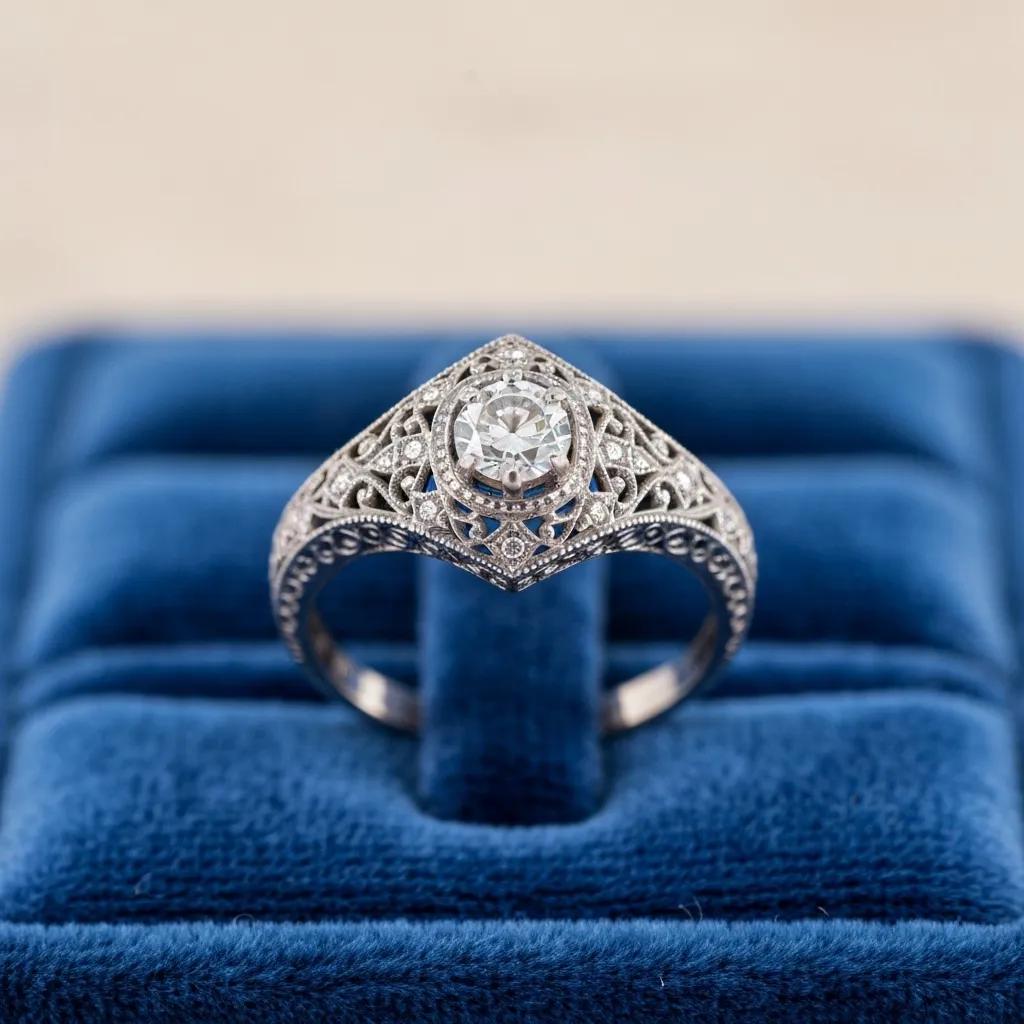
Timeless Vintage Engagement Ring Designs - Australian Diamond Company
Vintage engagement ring designs capture the artistry and history of bygone eras while offering unique symbolism and lasting value. In this guide, readers will discover what defines a vintage engagement ring, explore signature design elements, examine popular gemstones and metals, weigh the pros and cons of purchasing pre-owned heirlooms, and learn expert care and maintenance tips. Jewelry artisans at ADC Jewelry authenticate each piece and curate a selection of authentic vintage rings to inspire your perfect proposal. First, we’ll define period characteristics and historical context. Next, we’ll reveal hallmark artistry techniques and classic settings. Then, we’ll survey gemstone and metal choices. Afterwards, we’ll compare buying considerations, and finally share preservation strategies to maintain timeless beauty.
What Defines a Vintage Engagement Ring? Key Characteristics and Historical Context
A vintage engagement ring is defined as a ring aged between 20 and 100 years, reflecting period-specific craftsmanship that delivers distinctive character and cultural resonance. These rings often feature historic cuts, handcrafted metalwork, and design motifs emblematic of eras such as Victorian, Edwardian, or Art Deco. ADC Jewelry’s authentication process verifies provenance, condition, and hallmark stamps to ensure genuine period value. Understanding these defining traits clarifies how vintage styles differ from both antique masterpieces and contemporary designs, leading us to examine those distinctions in detail.
Defining Vintage Engagement Rings
A vintage engagement ring is generally defined as being between 20 and 100 years old, showcasing craftsmanship specific to its era and possessing a unique character and cultural significance. These rings often feature historical cuts, handcrafted metalwork, and design elements characteristic of periods like Victorian, Edwardian, or Art Deco.
ADC Jewelry
This source supports the definition of a vintage engagement ring by highlighting the characteristics and historical context that define it.
How Is a Vintage Engagement Ring Different from Antique and Modern Rings?
A vintage engagement ring differs from antique and modern rings in its age range, design details, and material usage.
- A true antique ring is typically over 100 years old, showcasing early metalworking techniques and often limited diamond cuts.
- A vintage ring spans 20–100 years in age, marrying handcrafted artistry with mid-century design innovations.
- A modern ring is under 20 years old, prioritising contemporary cuts, machine precision, and current trends.
These distinctions guide collectors and couples toward rings that align with their aesthetic preference, budget, and historical interest.
Which Historical Eras Influence Vintage Engagement Ring Designs?
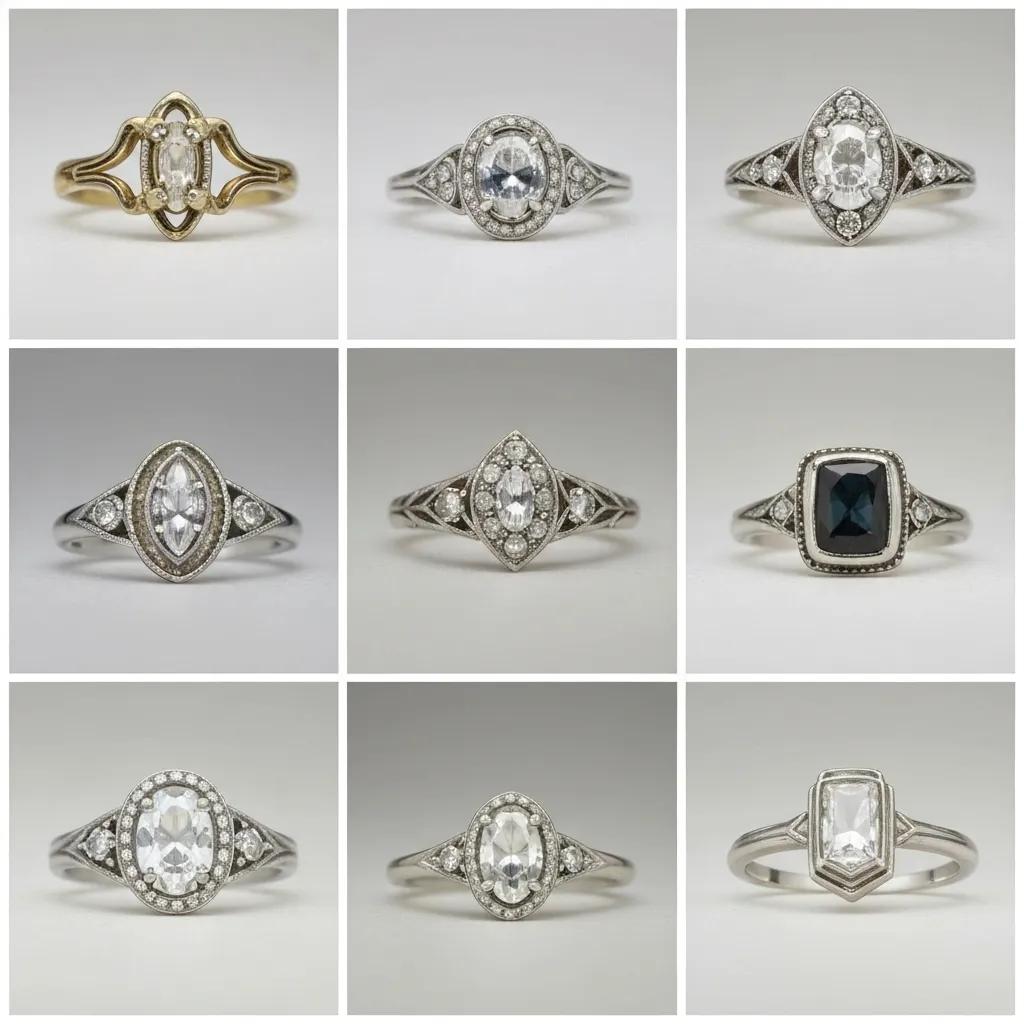
The historical eras shaping vintage engagement ring designs each contributed unique artistic influences and materials.
- Victorian era (1837–1901) emphasised romantic motifs, floral engraving, and foiled-back gemstones.
- Edwardian era (1901–1910) featured platinum lace-like filigree and Old European cut diamonds.
- Art Deco period (1920–1935) introduced bold geometric patterns, symmetry, and platinum settings.
- Georgian era (1714–1830) utilised rose gold, early table-cut diamonds, and intricate scrollwork.
- Retro era (1935–1950) embraced sculptural forms, colorful gemstones, and yellow or rose gold.
These era influences set the foundation for the most sought-after vintage styles.
What Are the Most Popular Vintage Ring Eras to Know?
Historical Eras in Vintage Ring Design
The Victorian era (1837–1901) is known for its romantic motifs, floral engravings, and the use of foiled-back gemstones. The Edwardian era (1901–1910) is characterised by platinum filigree with lace-like patterns and Old European cut diamonds. The Art Deco period (1920–1935) introduced bold geometric patterns, symmetry, and platinum settings.
Erstwhile Jewelry (Updated 2023)
This source provides information on the historical eras that influenced vintage engagement ring designs, including the Victorian, Edwardian, and Art Deco periods.
These era signatures continue to captivate modern buyers seeking timeless elegance.
What Are the Signature Design Elements of Vintage Engagement Rings?
Signature design elements of vintage engagement rings combine intricate metalwork, period-appropriate cuts, and distinctive settings to enhance visual depth and romantic appeal. Handcrafted techniques and authentic materials ensure each piece tells a story worth preserving, leading into detailed artistry methods.
How Do Filigree and Milgrain Enhance Vintage Ring Artistry?
Filigree and milgrain detailing enrich vintage rings by adding delicate scrollwork and beaded edging that accentuate shape and texture.
- Filigree involves twisting fine metal wires into lace-like patterns that trace ring shoulders and gallery arches.
- Milgrain consists of tiny beaded borders along bezel or shank edges, emphasising line definition and antique character.
- Together, these techniques boost visual complexity and underscore a ring’s handcrafted heritage.
Their combined effect highlights period craftsmanship and prepares us to explore classic settings next.
What Are Halo, Solitaire, and Unique Vintage Settings?
Vintage settings range from timeless solitaires to ornate halos and creative period interpretations:
- Solitaire settings showcase a single gemstone in a simple prong or bezel mount for timeless focus.
- Halo settings surround a center stone with a circle of smaller gems, adding sparkle and visual contrast.
- Unique vintage mounts include bypass shanks, cathedral arches, and cluster bouquets inspired by historical motifs.
These setting types illustrate how design variety meets wearer preference in vintage collections.
Which Diamond Cuts and Shapes Are Common in Vintage Rings?
Common vintage diamond cuts and shapes reflect technological advances and aesthetic trends of their time:
- Old European Cut – Round shape with high crown and small table, creating antique fire.
- Old Mine Cut – Cushion-like silhouette with large facets and soft luster.
- Emerald Cut – Rectangular step facets popular in Art Deco designs.
- Marquise Cut – Boat-shaped brilliance favored in Victorian and Retro eras.
- Oval Cut – Elongated round form embraced for elegant finger coverage.
These classic cuts continue to define the heritage charm of vintage engagement rings.
Which Gemstones and Metals Are Used in Vintage Engagement Rings?
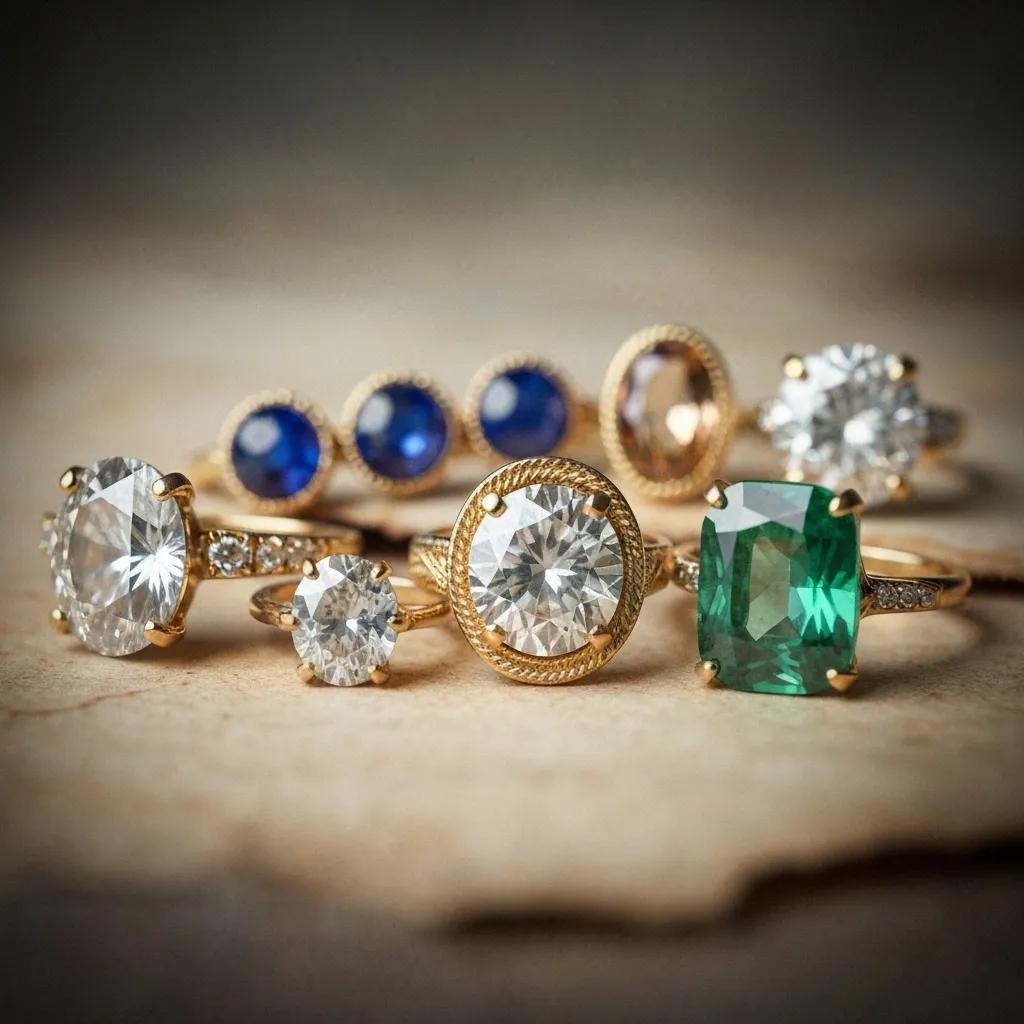
Gemstones and metals used in vintage engagement rings reflect both historical availability and desired durability, combining classic minerals with precious alloys for enduring beauty. We’ll detail popular mineral choices and metal characteristics next.
Why Are Diamonds, Sapphires, Emeralds, and Rubies Popular in Vintage Rings?
Metal and gemstone artisans of past eras selected these stones for their rarity, color, and cultural symbolism:
- Diamonds delivered brilliant fire and hardness for daily wear.
- Sapphires offered striking blue hues and strong durability.
- Emeralds provided vibrant green color linked to rebirth themes.
- Rubies conveyed passion with deep red saturation and toughness.
Popular Gemstones in Vintage Rings
Diamonds, sapphires, emeralds, and rubies were popular choices in vintage rings because of their rarity, color, and cultural symbolism. Diamonds offered brilliance and durability, while sapphires provided striking blue hues and durability. Emeralds offered vibrant green color, and rubies conveyed passion with deep red saturation and toughness.
Walton’s Jewelry
This source supports the popularity of specific gemstones in vintage rings, explaining the reasons behind their selection.
What Are the Benefits of Gold and Platinum in Vintage Ring Settings?
Gold and platinum each contributed distinct advantages to vintage designs:
- Yellow Gold added warmth and traditional allure, often alloyed for strength.
- Rose Gold imparted romantic pink tones through copper blends.
- White Gold mimicked platinum’s silver sheen with rhodium plating.
- Platinum offered superior density, hypoallergenic properties, and ability to support fine filigree.
These metals ensured period rings combined elegance with structural integrity.
How Do Aquamarine and Colored Gemstones Add Unique Vintage Appeal?
Colored gemstones like aquamarine, morganite, and spinel introduced soft pastel or vibrant tones that contrast diamond-centric styles. Aquamarine’s sea-blue hue reflects Art Deco and Retro palettes, while morganite’s blush pink complements warm gold settings. These colored accents create personalised looks and broaden the aesthetic range of vintage collections.
What Are the Pros and Cons of Buying Vintage Engagement Rings?
Purchasing a vintage engagement ring offers unique artistry and sustainability benefits but also requires careful evaluation of condition, authenticity, and potential restoration needs. We’ll outline key considerations to inform a confident acquisition.
What Should You Consider About Authenticity and Condition?
Evaluating authenticity and condition involves assessing hallmarks, gemstone grading, and wear:
- Verify maker’s marks or assay stamps to confirm era and origin.
- Examine gemstone settings for loose prongs, chips, or signs of repolishing.
- Consult professional appraisers for grading reports and repair histories.
Ensuring genuine provenance and structural soundness safeguards both aesthetic and investment value.
How Does Sustainability Influence Vintage Ring Popularity?
Choosing a pre-owned engagement ring supports eco-friendly practices by reusing existing metals and gemstones, reducing the need for new mining, and preserving heritage craftsmanship. This sustainable choice aligns with ethically conscious couples seeking meaningful expressions of commitment.
Are Vintage Engagement Rings More Affordable Than Modern Rings?
Vintage engagement rings can be more affordable due to lower supply costs for recycled metals and period stones, though rare examples or exceptional condition pieces may command premium prices. Balancing rarity, condition, and design complexity helps buyers find value within their budget.
How Do You Care for and Maintain Vintage Engagement Rings?
Proper care preserves the intricate details and structural integrity that define vintage engagement rings, ensuring they remain cherished for generations.
What Are Best Practices for Cleaning and Preserving Filigree and Milgrain Details?
Use gentle, non-abrasive cleaning methods to protect delicate metalwork:
- Soak the ring in a mild detergent solution at room temperature.
- Gently brush filigree and milgrain with a soft-bristled brush.
- Rinse with lukewarm water and pat dry with a lint-free cloth.
These steps maintain detailed embellishments without damaging fine edges.
Cleaning and Maintenance of Vintage Rings
Gentle, non-abrasive cleaning methods are recommended to protect delicate metalwork in vintage rings. Soaking the ring in a mild detergent solution, gently brushing filigree and milgrain with a soft-bristled brush, and rinsing with lukewarm water are effective methods. Professional inspections every 12–18 months can help preserve heirloom condition.
Lang Antiques
This source provides information on the proper care and maintenance of vintage engagement rings, including cleaning methods and professional inspections.
How Should You Handle Resizing and Repairs for Vintage Rings?
Resizing or repairing vintage rings requires specialised jewelers experienced with period techniques. Always consult an artisan who can match metal alloys, replicate engraving patterns, and minimise alteration to original components for authentic restoration.
When Should You Consult a Jewelry Expert for Vintage Ring Care?
Consult a jewelry expert whenever you notice loose settings, visible wear on shanks, or surface scratches on gemstones. Professional inspections every 12–18 months ensure preventive maintenance and help preserve heirloom condition for lifelong enjoyment.


