
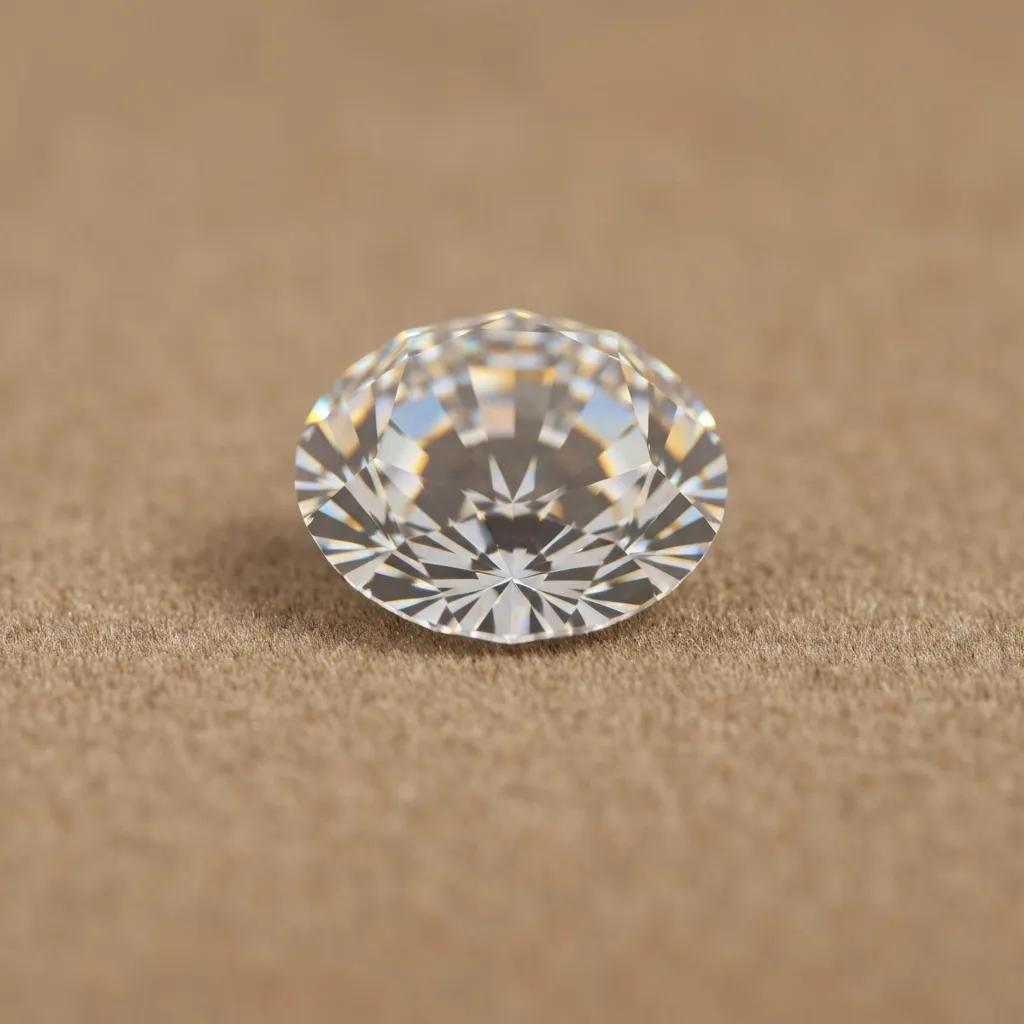
Diamond Clarity vs Colour: Your Guide to the Perfect Sparkle
Choosing the ultimate diamond is all about finding that sweet spot between clarity and colour to unlock its full brilliance, fire, and enduring beauty. Understanding the nuances of diamond clarity versus colour will guide you through the GIA grading scales, reveal how tiny imperfections and subtle tints impact value, and show you how cut, carat, and setting all play a role with the 4Cs. This guide breaks down what clarity and colour truly mean, compares grading systems for both natural and lab-grown stones, offers savvy budgeting tips, and highlights visual aids to help you choose with absolute confidence. Dive in to master clarity and colour, gain insights from the experts at Australian Diamond Company, and create a diamond that tells your unique story.
Diamond Clarity Shapes Sparkle & Value – Australian Diamond Company
Diamond clarity is all about how free a diamond is from internal inclusions and surface blemishes. It’s graded on a scale from Flawless to Included, and it’s key to a diamond’s beauty and strength. Higher clarity grades mean less light obstruction, allowing for maximum sparkle and brilliance. When you focus on clarity, you’re safeguarding that dazzling sparkle and ensuring long-term value.
What Does Diamond Clarity Really Mean?
Diamond clarity refers to the microscopic characteristics found either inside a diamond or on its surface. These are known as inclusions (internal) and blemishes (external), and they can affect how light travels through the stone and its overall visual purity. Inclusions, like tiny crystals or internal fractures (feathers), form as the diamond grows, while blemishes, such as polish lines, can occur after the diamond is cut. A diamond with fewer of these characteristics allows more light to pass through its facets, resulting in a sharper sparkle and greater enduring value.
How Does the GIA Clarity Scale Grade Diamonds?
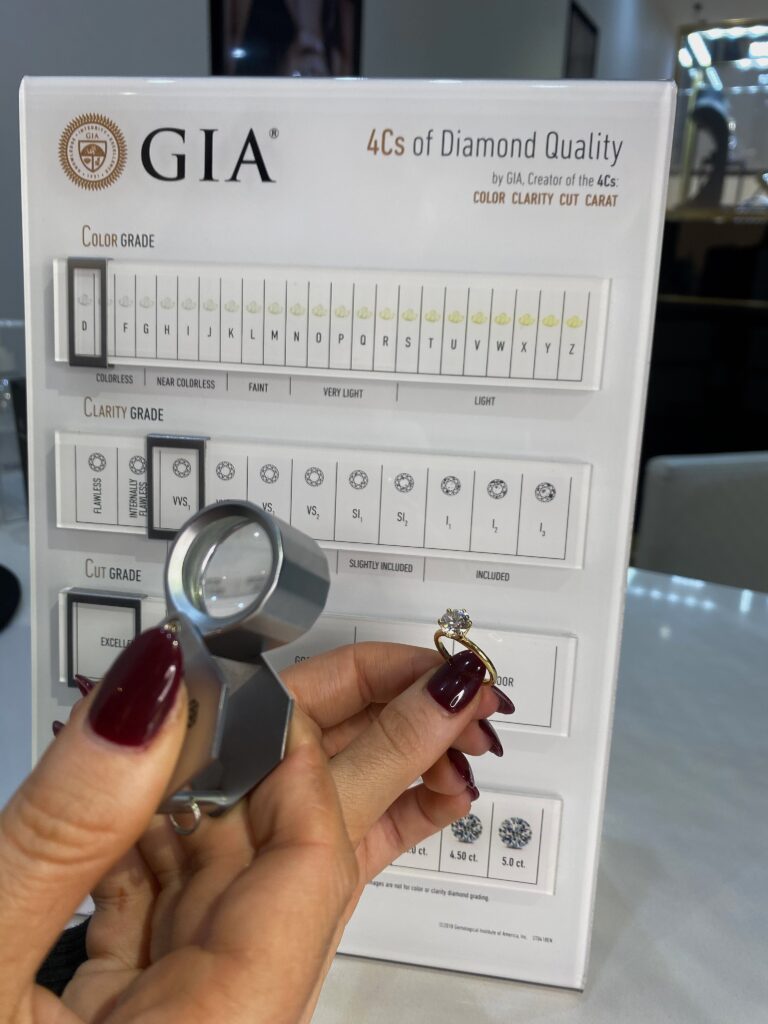
The GIA clarity scale spans from Flawless (FL) all the way to Included (I3). Each diamond is assigned a precise grade after a skilled grader examines it under 10× magnification. This grading considers the size, number, and location of any inclusions and blemishes, helping buyers find stones that perfectly match their desired sparkle and budget.
These grades set clear expectations for how a diamond will look and how well it will hold its value, forming the basis for choosing a diamond that truly glows.
Understanding the GIA Clarity Scale for Diamond Grading
The Gemological Institute of America (GIA) developed a comprehensive clarity scale, ranging from Flawless (FL) to Included (I3). This system meticulously assesses the size, quantity, and placement of inclusions and blemishes when viewed under 10× magnification. It’s an essential tool for buyers to understand how these characteristics might influence a diamond’s appearance and overall worth.
Gemological Institute of America, GIA Clarity Grading System (2024)
This reference backs up our explanation of the GIA clarity grading system.
What Are the Common Types of Diamond Inclusions and Blemishes?
Diamonds have specific types of inclusions and blemishes that help determine their clarity grade:
- Pinpoints: These are minuscule crystals, either white or black, found within the diamond.
- Clouds: Clusters of pinpoints that can create hazy areas, diffusing light.
- Feathers: Internal fractures that look like fine cracks and can sometimes impact durability.
- Crystals: Other mineral inclusions that might appear as dark or coloured specks.
- Polish Lines: Subtle surface lines left over from the polishing process.
- Naturals: Small areas of the diamond’s original rough surface that may remain on the girdle edges.
Knowing these imperfections helps you select grades that minimise visual distractions without overstretching your budget.
How Does Clarity Influence a Diamond’s Value and Appearance?
Diamonds with higher clarity grades naturally command higher prices. This is because fewer internal obstructions allow light to reflect and disperse more freely, leading to greater brilliance. However, beyond the VS2 grade, many inclusions become virtually invisible to the naked eye. This presents excellent value opportunities in the VS1 to SI1 range. By balancing the clarity grade with the diamond’s carat weight and cut, you can ensure you’re investing in stunning sparkle rather than paying for perfection that can’t be seen.
What Clarity Grades Are Ideal for Engagement Rings?
For engagement rings, grades within the VS2 to SI1 range often provide exceptional brilliance at a more accessible price point. Inclusions in these grades are typically hidden by the ring’s setting, especially under prongs. For step-cut shapes like emerald or asscher cuts, which tend to reveal inclusions more readily due to their broad facets, it’s wise to consider VS1 clarity or higher. Round brilliant and cushion cuts are more forgiving and can effectively mask minor inclusions, allowing you to potentially prioritise carat weight or colour without sacrificing visual purity.
What Is Diamond Colour and Why Does It Matter So Much?
Diamond colour is essentially a measure of how colourless a diamond is. For white diamonds, this typically means assessing the absence of yellow or brown tints, graded from D (completely colourless) to Z (lightly tinted). Colourless diamonds offer the purest fire and highest value, while near-colourless grades provide outstanding beauty at a more attractive price. The colour grade significantly impacts how bright a diamond appears and the emotional connection you feel with it, making it a crucial factor in your selection process.
How Is Diamond Colour Defined and Measured?
Diamond colour is assessed under precise lighting conditions and against a neutral background, comparing the stone to a set of master reference samples. The GIA colour scale assigns grades from D to Z. Diamonds graded D–F are considered colourless, G–J are near-colourless, K–M fall into the faint yellow category, N–R are very light yellow, and S–Z are light yellow or brown. This standardised approach ensures consistency and accuracy across all grading laboratories.
What Does the GIA Colour Scale Tell You About Diamond Quality?

The GIA colour scale communicates both rarity and visual purity:
Colourless grades (D–F) produce the most vibrant fire, while near-colourless (G–J) diamonds often appear perfectly white when set, offering significant savings without a noticeable compromise in appearance.
What Are Near Colourless Diamonds and Why Are They So Popular?
Near colourless diamonds, typically graded G, H, I, or J, appear visually white to the vast majority of observers. They can offer savings of up to 20% compared to their colourless counterparts. Any slight warmth they possess is usually masked effectively by brilliant cuts and white metal settings, making them an incredibly popular choice for engagement rings where beauty and budget need to be balanced.
How Do Metal Settings Affect How We Perceive Diamond Colour?
The choice of metal for your setting can significantly influence how the diamond’s colour is perceived:
- White Gold/Platinum: These bright metals enhance a diamond’s brilliance and are ideal for G–H colour grades, making them appear even whiter.
- Yellow Gold: This classic metal can effectively mask faint yellow tones, allowing you to comfortably choose I–K grades without any visible warmth.
- Rose Gold: The warm blush of rose gold complements lower colour grades beautifully, adding to the diamond’s overall glow and brilliance.
By selecting the right setting, you can optimise the appearance of your diamond’s colour grade and allocate your budget towards enhancements in carat weight or cut quality.
What Are Fancy Coloured Diamonds and How Are They Different?
Fancy coloured diamonds possess intense, natural hues such as pink, blue, yellow, or green. They are graded on a separate scale that focuses on their tone and saturation, rather than the absence of colour. These exceptionally rare gemstones command premium prices for their vibrant colours and are highly sought after for their uniqueness and collectible value, offering a distinct alternative to traditional white diamonds.
Which Is More Important: Diamond Clarity or Colour?
Deciding whether clarity or colour is more important really depends on the diamond’s shape, its size, and your personal preferences. In brilliant-cut diamonds, the intense sparkle and scintillation can often mask minor inclusions, making colour more noticeable. However, in step-cut diamonds, the broad, open facets can reveal both tints and inclusions equally, elevating the importance of both attributes. Prioritising one over the other will directly shape the diamond’s overall sparkle and how your budget is allocated.
How Do Clarity and Colour Work Together to Affect a Diamond’s Sparkle?
Clarity and colour are partners in determining a diamond’s brilliance, fire, and scintillation. They dictate how light enters, travels through, and exits the diamond’s facets. Fewer inclusions mean clearer pathways for light, while minimal colour tint ensures that spectral dispersion (fire) remains pure and vibrant. Together, they create the foundation upon which the cut quality works its magic to maximise sparkle and visual appeal.
How Should You Prioritise Clarity or Colour Based on the Diamond’s Shape?
The shape of a diamond plays a significant role in which attribute you should emphasise:
- Step Cuts (Emerald, Asscher): These shapes have large, open facets that readily show inclusions. Prioritise clarity, aiming for VS1 or higher, to ensure a clean appearance.
- Brilliant Cuts (Round, Cushion, Princess): These cuts are designed to maximise sparkle and can mask minor inclusions. Aim for G–I colour grades with VS2 clarity for a beautiful balance of performance and value.
- Fancy Shapes (Marquise, Pear, Oval): These shapes can sometimes show colour at their pointed tips. Choosing G–H colour grades and VS clarity helps maintain brightness and minimise any distracting tints.
How Diamond Shape Influences the Importance of Clarity and Colour
The shape of a diamond significantly impacts how visible inclusions and colour tints are. Step cuts, like emerald and asscher, feature broad facets that make inclusions more apparent, thus making clarity a higher priority. Conversely, brilliant cuts, such as round and cushion, are adept at masking inclusions, allowing for more flexibility when selecting colour grades.
American Gem Society, Diamond Cut and Shape (2023)
What Are Smart Budgeting Strategies for Balancing Clarity and Colour?
To get the most value for your money:
- Opt for near-colourless (G–I) grades instead of completely colourless (D–F).
- Select VS2–SI1 clarity, where inclusions are typically invisible to the naked eye.
- Invest any savings into superior cut quality and greater carat weight for maximum visual impact.
- Consider your setting style—yellow gold settings can beautifully complement lower colour grades without showing any warmth.
These smart strategies help you achieve stunning visual purity and emotional resonance while making every dollar count.
How Does Diamond Size Influence the Importance of Clarity and Colour?
As a diamond’s carat weight increases, any inclusions and colour tints tend to become more noticeable:
- Under 1–1.5 carats: SI1 clarity and G–H colour grades usually appear flawless to the naked eye.
- Above 2 carats: It’s advisable to upgrade to VS1 clarity and G–F colour to ensure uncompromised brilliance.
- Large Step Cuts: For these shapes, always aim for at least VS1 clarity, regardless of carat weight, to avoid visible imperfections.
How Are Lab-Grown Diamonds Graded for Clarity and Colour?
Lab-grown diamonds are graded using the exact same GIA and IGI 4Cs standards as natural diamonds. This means you get ethical sourcing and competitive pricing without compromising on quality. The controlled growth environment can sometimes result in fewer inclusions and higher colour grades, allowing buyers to secure premium attributes even in larger sizes.
Are the 4Cs the Same for Lab-Grown and Natural Diamonds?
Absolutely. Both lab-grown and natural diamonds are evaluated based on cut, clarity, colour, and carat weight, using identical GIA criteria. This ensures that lab-grown stones offer transparent quality comparisons and come with recognised certifications, giving you complete confidence in your purchase.
What Should You Know About Clarity in Lab-Grown Diamonds?
Lab-grown diamonds often exhibit VS to VVS clarity grades due to the precise control during their creation, which minimises the types of inclusions commonly found in natural diamonds. Buyers should still review clarity plots for any growth-related patterns and consider eye-clean SI grades as a smart way to balance rarity with budget.
How Does Colour Affect Lab-Grown Diamond Value and Appearance?
The controlled growth process for lab diamonds frequently results in high colour grades, typically D–G, but at significantly lower prices than natural equivalents. Near-colourless lab diamonds offer exceptional brightness, making G–H grades an excellent sweet spot, especially for larger carat weights where colour subtleties can become more apparent.
What Are the Best Clarity and Colour Choices for Lab-Grown Engagement Rings?
When choosing a lab-grown diamond for an engagement ring, consider these recommendations:
- Clarity: Aim for VS1–VS2 clarity to maximise brilliance while taking advantage of the cost savings.
- Colour: G–H colour grades offer a fantastic balance of value and visual purity.
- Shape & Cut: Round brilliant or cushion cuts are excellent choices to capitalise on the high quality of lab growth and deliver exceptional sparkle.
How Can You Visually Compare Diamond Clarity and Colour Grades?
Using visual comparison tools is a fantastic way to discern the subtle differences between adjacent grades, ensuring you make a selection you’ll love. Interactive charts, high-resolution images, and videos shot in controlled lighting conditions will show you exactly how clarity and colour manifest in real jewellery settings.
What Are the Differences Between Adjacent Clarity Grades?
Comparing grades like VS1 versus VS2, or SI1 versus SI2, under magnification reveals:
- Inclusion Size: Inclusions in a VS1 diamond are typically smaller and fewer than those found in a VS2.
- Inclusion Location: VS1 inclusions are often positioned near the girdle, away from the diamond’s most brilliant zones.
- Eye-Clean Threshold: Both grades can appear flawless to the naked eye. This makes SI1 a particularly budget-friendly option if the imperfections are located where they’ll be hidden by the setting.
How Can You Distinguish Between Similar Colour Grades?
Comparing diamonds like G versus H, or H versus I, will highlight:
- Tint Visibility: A G grade diamond will appear colourless under most lighting conditions, while an H might show a very slight warmth from certain angles.
- Setting Impact: White metal settings are excellent for G–H grades, as they help minimise any perception of tint.
- Neutral Background: Viewing diamonds against a neutral grey or white background makes it easier to spot subtle hue differences.
What Tools and Visual Aids Help in Understanding Diamond Quality?
Helpful interactive and visual aids include:
- High-resolution images that allow you to zoom in and compare grades side-by-side.
- Video demonstrations showcasing diamonds under various lighting conditions, such as daylight, fluorescent, and LED.
- Digital grading wheels or sliders that simulate how colour and clarity might change.
- Virtual try-on tools that let you see how a diamond would look in different ring settings.
How Does Lighting and Setting Influence the Perception of Clarity and Colour?
The way a diamond looks in real life is heavily influenced by its surroundings:
- Lighting Type: Natural daylight reveals a diamond’s true colour, while warmer yellow light can add a perceived tint.
- Setting Metal: Yellow gold can warm up faint colour tints, whereas platinum or white gold settings enhance the perception of colourless purity.
- Facet Reflections: The quality of the diamond’s cut can cleverly mask minor inclusions and improve its perceived colour.
Choosing the right viewing environment and setting ensures that the diamond’s grades align with how you’ll see and enjoy it every day.
What Are the Most Common Questions About Diamond Clarity and Colour?
While clarity and colour are distinct attributes, they work together to define a diamond’s beauty and value. Here are clear answers to the questions most buyers have when comparing these essential 4Cs.
What Is the Difference Between Diamond Clarity and Colour?
Diamond clarity refers to the presence or absence of internal inclusions and external blemishes that can affect light passage. Diamond colour, on the other hand, measures the degree of yellow or brown tint in a white diamond. Clarity impacts brilliance by ensuring light isn’t obstructed, while colour affects fire by ensuring spectral dispersion remains pure and vibrant.
Which Diamond Clarity and Colour Grades Offer the Best Value?
For the optimal balance of beauty and cost, we recommend SI1–VS2 clarity and G–H colour grades. In brilliant-cut diamonds, these grades typically appear visually flawless and bright, allowing you to allocate more of your budget towards carat size or cut quality.
Does Diamond Colour Affect Sparkle More Than Clarity?
A diamond’s sparkle is primarily determined by its cut quality. However, colour can influence perceived brightness. A well-cut diamond in the G–H colour range will reflect and refract light almost as effectively as a D–F stone. Conversely, visible inclusions in lower clarity grades can scatter light more noticeably, reducing scintillation.
How Do GIA and IGI Grading Standards Compare for Clarity and Colour?
Both the GIA (Gemological Institute of America) and IGI (International Gemological Institute) use the same D–Z and FL–I3 scales for grading. However, the GIA is often preferred due to its reputation for stricter grading and global consistency. IGI certificates might sometimes show slightly higher grades for the same stone, so it’s always wise to compare inclusion plots and colour references when evaluating certificates.
Where Can You Find Expert Guidance and High-Quality Diamonds?
At Australian Diamond Company, we combine expert diamond education with carefully curated collections of both natural and lab-grown diamonds. This empowers you to choose clarity and colour with complete confidence. Our bespoke design studios and certified gemologists are here to guide you through every step, from selecting the perfect grades to crafting your custom setting.
How Does Australian Diamond Company Help You Choose the Right Clarity and Colour?
Our diamond specialists offer personalised consultations, provide access to interactive visual grading tools, and share in-depth guides on clarity versus colour trade-offs. By blending comprehensive education with transparent pricing, we help you align your budget with the diamond attributes that matter most to you.
What Diamond Products Showcase Optimal Clarity and Colour Combinations?
Discover our signature engagement rings and exquisite loose diamond collection, featuring ideal combinations of G–I colour paired with VS1–VS2 clarity for exceptional sparkle. Our custom-designed halo, solitaire, and three-stone settings beautifully highlight these premium grades at accessible price points.
How Can You Customise Your Diamond to Balance Clarity and Colour?
Our customisation studio allows you to select your preferred diamond shape, clarity, colour, and setting metal. This ensures you can craft a ring that perfectly balances your desires, perhaps hiding minor inclusions with a yellow gold setting for I–K grades, or enhancing the pure white of G–H grades with platinum, guaranteeing your diamond shines flawlessly.
Why Trust GIA-Certified Diamonds for Clarity and Colour Accuracy?
GIA certification is the undisputed gold standard in diamond grading, guaranteeing unbiased and accurate assessments of clarity and colour. Every GIA-certified diamond available at Australian Diamond Company is backed by internationally recognised reports, offering you unparalleled peace of mind and transparent value.
Diamonds are more than just beautiful stones; they symbolise enduring love and meaningful moments. By mastering the insights into clarity and colour, you ensure an investment in joy that will last for generations. Applying grading knowledge, utilising visual tools, and employing smart budgeting strategies will help you select a diamond that sparkles with both brilliance and personal significance. Whether you choose a lab-grown gem or a natural treasure, the dedicated experts at Australian Diamond Company are ready to guide you on your journey to finding the perfect diamond.


