
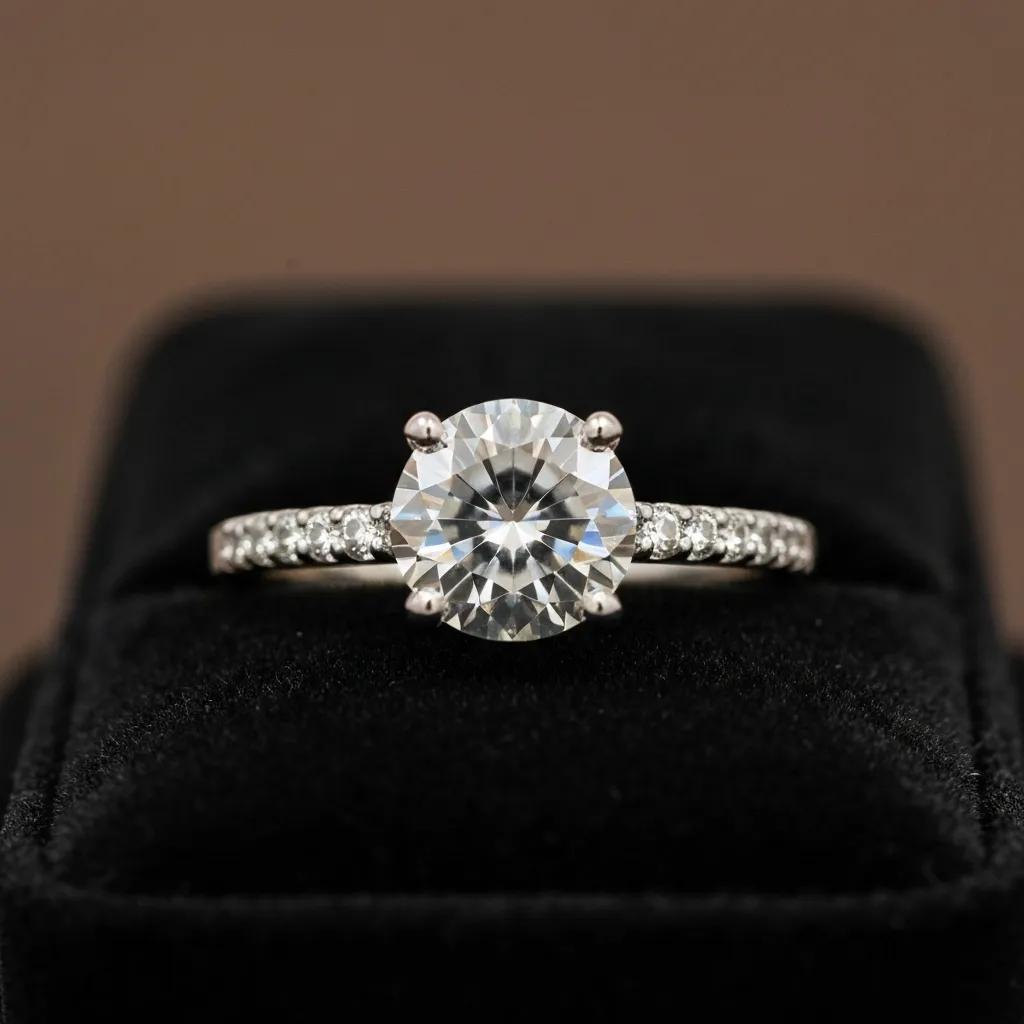
Understanding Diamond Cut Variations – Australian Diamond Company
Selecting the ideal diamond cut transforms an engagement ring into a dazzling symbol of commitment and ensures a lifetime of brilliance. Yet many couples struggle with understanding diamond cut variations: how facet proportions influence sparkle, which shapes flatter different hands, and how grading standards affect value. This guide will explain what diamond cut is and why it matters; explore popular shapes and their light performance; demystify grading scales; help match cuts to style and budget; and highlight certification essentials. As a trusted source in fine jewelry, ADC provides comprehensive resources, visit our diamond education hub ADC Diamond Education for in-depth guidance.
What Is Diamond Cut and Why Is It Crucial for Engagement Rings?
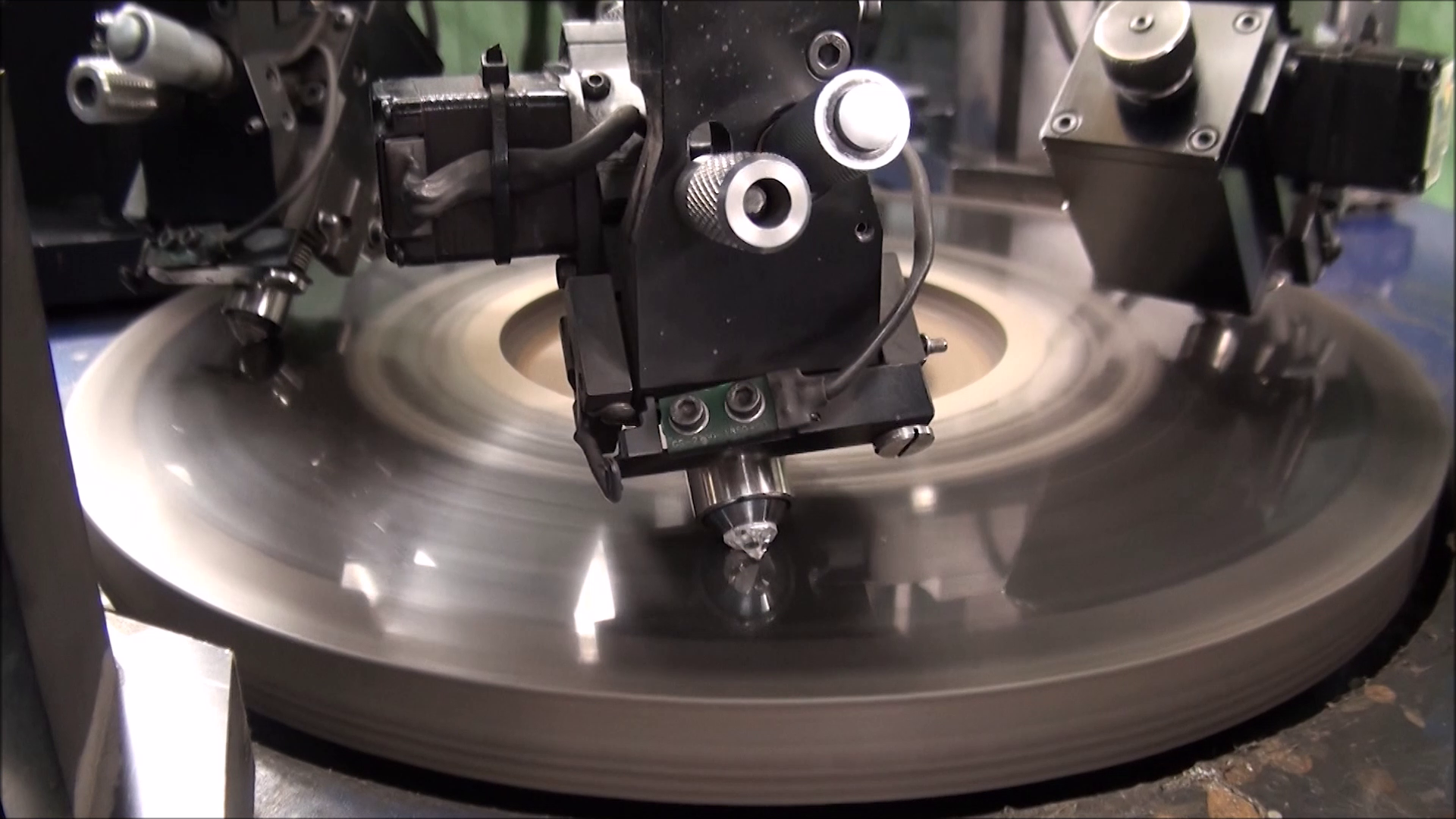
Diamond cut defines the arrangement of a gem’s facets, optimizing how light interacts with the stone to enhance brilliance, fire, and scintillation. A precise cut unlocks white light reflection (brilliance), spectral color dispersion (fire), and dynamic flashes (scintillation), making each ring catch the eye. Craftsmanship that balances proportions and symmetry elevates both sparkle and perceived size, so cut quality becomes the most influential factor in a diamond’s beauty and value.
Diamond Cut and Light Performance
Diamond cut quality significantly influences a diamond’s brilliance, fire, and scintillation, which are key factors in its visual appeal. A precise cut maximizes white light reflection (brilliance), spectral color dispersion (fire), and dynamic flashes (scintillation), enhancing the overall sparkle and value of the diamond.
Keyzar Jewelry, Understanding Diamond Sparkle: Cut, Fire, Brilliance, Scintillation (n.d.)
This research explains how the cut of a diamond affects its sparkle.
How Does Diamond Cut Affect Brilliance, Fire, and Scintillation?
Facet precision directly influences three light performance attributes:
- Brilliance – Maximized by ideal table and depth ratios, boosting white light return.
- Fire – Driven by crown and pavilion angles that disperse light into vivid color flashes.
- Scintillation – Created by symmetry and facet alignment, producing lively sparkle with movement.
These interactions define a diamond’s visual impact and lead us to clarify how cut differs from shape.
What Are the Differences Between Diamond Cut and Diamond Shape?
Diamond cut refers to the quality of facet arrangement and polish that controls light performance, whereas diamond shape describes the gem’s outline, round, oval, marquise and so on. Cut quality governs sparkle and value, while shape suits personal style and finger proportions.
Diamond Cut vs. Shape
Diamond cut refers to the quality of facet arrangement and polish that controls light performance, while diamond shape describes the gem’s outline. Cut quality governs sparkle and value, while shape suits personal style and finger proportions.
Robert Palma Designs, Diamond CUT Vs. Diamond SHAPE (2023-11-21)
This research explains the difference between diamond cut and shape.
Why Is Diamond Cut the Most Important of the 4Cs?
Cut outperforms color, clarity, and carat in determining a diamond’s overall brilliance. Even a high-carat diamond appears dull if cut poorly, whereas an excellently cut smaller stone radiates superior fire and scintillation. Prioritizing cut ensures maximum visual impact and long-term satisfaction.
Which Popular Diamond Cut Shapes Are Best for Engagement Rings?
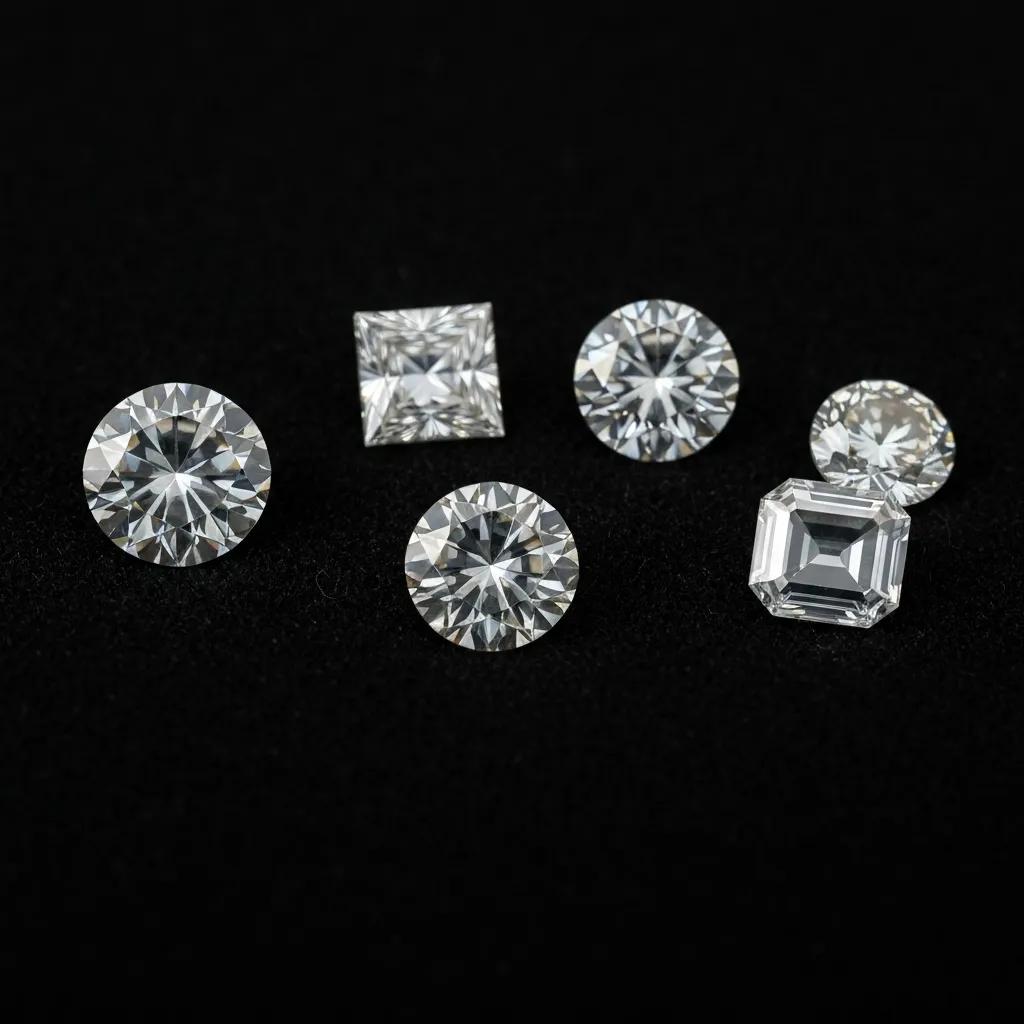
Popular shapes balance aesthetic appeal with light performance and personal style, creating rings that flatter both the gem and the wearer. Below are the top choices:
What Makes the Round Brilliant Cut the Ultimate Sparkle Choice?
Round brilliant diamonds feature 57 or 58 precisely placed facets engineered to enhance light return and maximize flash.
This universal favorite maintains timeless elegance and unlocks the highest sparkle, setting the standard for every other cut.
Round Brilliant Cut Facets
The round brilliant cut, a popular choice, features 57 or 58 facets designed to maximize light return, resulting in superior brilliance and fire. The precise arrangement of these facets is crucial for achieving the highest sparkle and is the standard against which other cuts are measured.
GIA, Diamond Cut: Anatomy of a Round Brilliant (2016-01-14)
This source provides information on the facets of a round brilliant cut diamond.
How Do Princess and Cushion Cuts Combine Style and Fire?
Princess cut combines modern clean lines with a faceting pattern that channels light vertically for dazzling brilliance. Cushion cut offers rounded corners and larger facets that yield soft fire and vintage charm-bridging classic romance and contemporary sparkle.
What Are the Unique Features of Oval, Pear, and Marquise Cuts?
Oval, pear, and marquise shapes stretch the gem’s silhouette, creating an elongating effect on the finger and delivering strong brilliance. Elongated outlines provide a larger appearance per carat and a distinctive, elegant profile for those seeking a standout ring.
Why Are Emerald, Radiant, and Asscher Cuts Trending for Clarity and Style?
Emerald and Asscher cuts showcase broad, open facets that emphasize clarity and step-cut shimmer, reflecting an Art Deco sensibility. Radiant cut blends those clean lines with a brilliant-cut facet pattern, producing both fire and geometric appeal for modern vintage designs.
How Is Diamond Cut Quality Graded and What Should Buyers Know?
Cut quality grading evaluates proportions, symmetry, and finish to predict a diamond’s light performance, guiding buyers toward stones that radiate maximum sparkle.
What Is the GIA Cut Grading Scale and Its Impact on Engagement Rings?
GIA Cut Grading Scale
The GIA cut grading scale, used for round brilliant diamonds, assesses cut quality based on proportions, symmetry, and finish, ranging from Excellent to Poor. An Excellent grade indicates top-tier brilliance and fire, making it ideal for engagement rings.
GIA, Ideal Cut Diamonds | GIA Diamond Cut Grades (n.d.)
This research explains the GIA cut grading scale.
Which Factors Influence Diamond Cut Quality: Proportions, Symmetry, and Polish?
Below is a breakdown of essential grading parameters:
These factors establish how efficiently a diamond returns light and informs budget-to-quality decisions.
How Do Brilliance, Fire, and Scintillation Relate to Cut Quality?
Higher cut grades translate to stronger light return (brilliance), sharper color flashes (fire), and more dynamic sparkle (scintillation). Optimal proportions and meticulous polish reinforce each attribute, resulting in an engaging visual performance.
How Can You Choose the Perfect Diamond Cut for Your Engagement Ring?
Choosing the right cut involves matching light performance to personal style, budget, and ethical preferences, ensuring the ring resonates with both vision and values.
How Do You Match Diamond Cut to Engagement Ring Style and Personality?
- Select a round brilliant for timeless elegance and maximum sparkle.
- Choose princess or radiant for contemporary flair and vibrant fire.
- Opt for emerald or asscher if clarity and geometric lines suit a refined, vintage-inspired aesthetic.
What Budget Considerations Affect Diamond Cut Quality Choices?
Allocating more budget toward cut grade often yields greater visual reward than additional carat weight. Prioritizing an Excellent or Very Good cut grade delivers superior sparkle while enabling flexibility on color and clarity tiers.
Should You Consider Lab-Grown Diamonds When Selecting Cut Quality?
Lab-grown diamonds adhere to the same cutting standards as natural stones, offering Excellent cut grades at a lower price point. They provide ethical and budgetary advantages without compromising on brilliance or fire.
What Role Does Certification Play in Trusting Your Diamond Cut?
Certification from reputable labs verifies cut quality, ensuring consumers receive the performance promised by grading reports.
Why Are GIA and AGS Certifications Essential for Diamond Cut Quality?
Certification and Diamond Quality
Certifications from reputable labs like GIA and AGS verify cut quality, ensuring consumers receive the performance promised by grading reports. These labs use rigorous methodologies to assess cut proportions, symmetry, and polish, with Excellent and Ideal grades confirming a diamond’s ability to deliver unmatched light performance and long-term value.
Whiteflash, A Guide to GIA and AGS Certified Diamonds (n.d.)
This research explains the importance of diamond certifications.
How Do You Read and Understand a Diamond Grading Report?
- Cut Grade – Check for Excellent or Ideal ratings to ensure top sparkle.
- Proportions Details – Review table and depth percentages to confirm balanced brightness and fire.
- Symmetry and Polish – Look for Very Good or better to guarantee uniform sparkle and clear reflections.
A thorough report empowers informed choices and confidence in your engagement ring’s brilliance.
Ultimately, grasping diamond cut variations enables couples to select an engagement ring that embodies both emotional significance and enduring radiance, creating a cherished heirloom for generations to come.


