
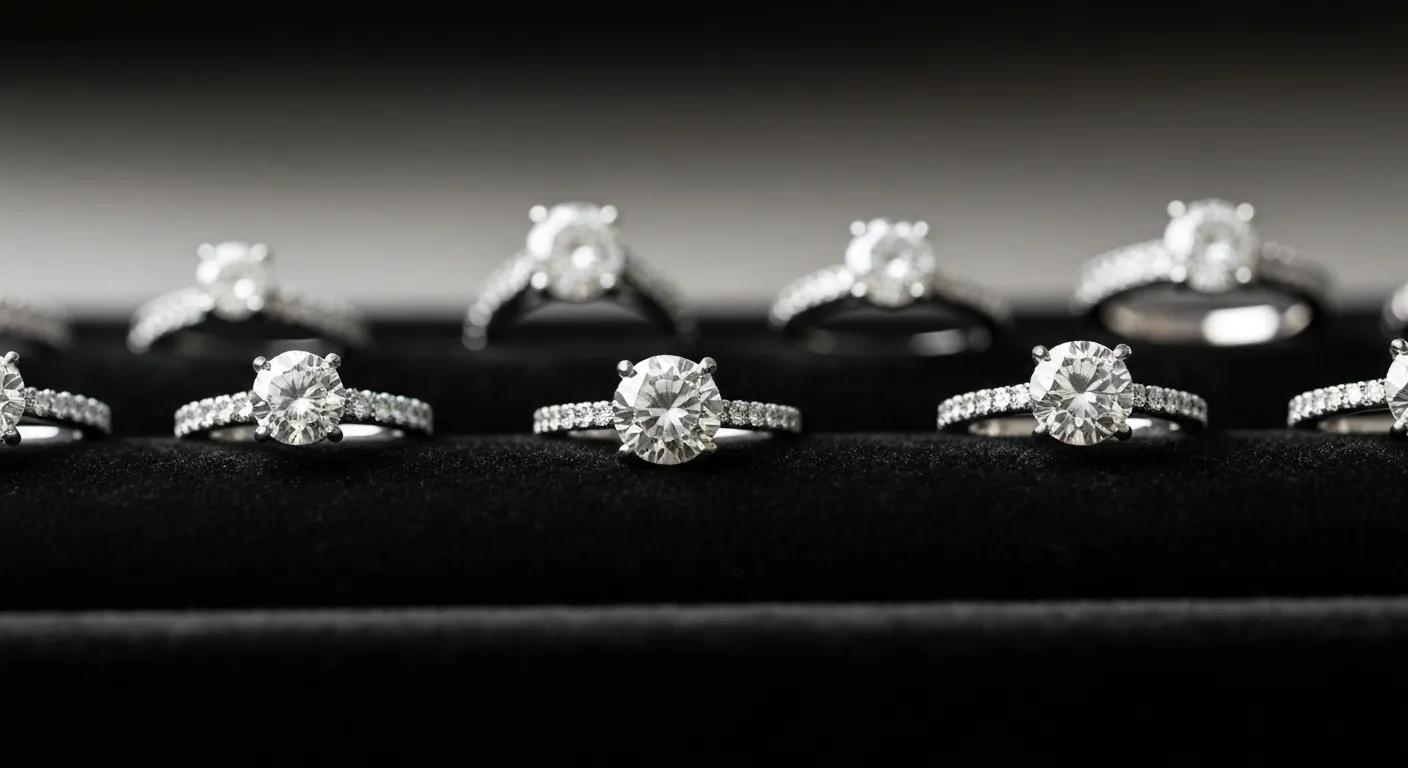
Discover Your Perfect Engagement Ring
Discovering a high-quality engagement ring is about harmonising stunning aesthetics, lasting durability, and ethical assurance, ensuring your chosen piece becomes a cherished heirloom. This comprehensive guide will illuminate what truly defines a “high-quality engagement ring” here in Australia. We’ll delve into how diamond characteristics and setting styles impact both their visual appeal and intrinsic value, and importantly, how to make informed choices that align with your lifestyle and budget. Many find navigating diamond certificates, comparing precious metals, and verifying a stone’s origin a daunting task. This guide offers straightforward, actionable steps to sidestep common pitfalls and focus on what matters most: the 4Cs, your metal selection, certification, and the allure of bespoke creations. You’ll find practical benchmarks for cut, colour, clarity, and carat weight, a clear comparison of metals for everyday wear, a checklist to confirm conflict-free sourcing, and an overview of the custom design process favoured by Melbourne’s leading jewellers. Read on to learn how to select the perfect diamond, choose a resilient metal, confirm certification, and budget wisely, empowering you to make a confident purchase for 2025 and well into the future. As you work through these points, you can browse our engagement rings to compare real examples of styles, settings and diamond options available in Australia.
Unpacking the 4Cs: The Pillars of Diamond Excellence
The 4Cs – Cut, Colour, Clarity, and Carat – form the fundamental basis of a diamond’s visual performance, its rarity, and its price. These attributes work in concert to define its overall quality. The Cut dictates the diamond’s brilliance and how it returns light; Colour influences its perceived whiteness; Clarity describes internal characteristics that might affect its eye-cleanliness; and Carat refers to its weight and scale. Together, these elements shape the diamond’s sparkle, its apparent size, and its potential resale value. A solid grasp of these factors empowers you to prioritise what’s most important for appearance versus size, providing a clear framework for comparing reports from esteemed bodies like the GIA or AGS. The following sections will explore each C in detail, offering practical buying guidelines and illustrative examples to help you select a diamond that shines brilliantly within your budget.
The Art of Diamond Cut: Crafting Brilliance and Sparkle
Diamond cut refers to the precise proportions, symmetry, and polish that govern how light interacts with the stone, directly influencing its brilliance and scintillation. A masterfully cut round brilliant diamond will reflect more light back to your eye, creating dazzling sparkle. Similarly, for fancy shapes, the correct table and depth percentages or the exact alignment of facets are crucial for optimal light performance. For round brilliant diamonds, aim for an ‘Excellent’ or ‘Very Good’ cut grade to maximise perceived brightness. For fancy shapes, look for grading that prioritises proportions and visual evidence of excellent light return. As cut often has the most significant visual impact, investing in a superior cut before increasing carat weight ensures maximum sparkle while managing your budget effectively.
Navigating the Diamond Colour Scale: Impact on Radiance and Worth
Diamond colour is meticulously graded on a scale from D (completely colourless) to Z (possessing a noticeable hue). This scale directly affects how white or warm a diamond appears, especially when set in different metals. For many settings, buyers can achieve a beautiful balance of value and appearance by targeting the G–H range for white metal settings, or H–J for warmer yellow or rose gold, where any subtle warmth is beautifully masked. Colour significantly influences price, particularly within the near-colourless to colourless spectrum. Therefore, opting for a slightly lower colour grade paired with an excellent cut can maintain exceptional brilliance while reducing the overall cost. Always consider your chosen metal and setting when selecting colour, as white metals enhance perceived whiteness, while yellow gold can elegantly conceal slight body colour.
Diamond Clarity: Enhancing Beauty and Optimising Price
Clarity grading spans from Flawless (containing no internal or external imperfections) down to Included (containing significant inclusions). This grading system measures internal characteristics and external blemishes that can affect a diamond’s transparency and durability. Many diamonds within the VS2–SI1 range appear “eye-clean” when viewed from a typical distance, offering superior value compared to stones with higher clarity grades. For larger carat weights or certain shapes, such as emerald cuts, a higher clarity grade may be necessary to ensure the stone remains eye-clean. Always request magnified images or a clarity plot on the certificate to confirm that any inclusions are not visible to the naked eye. The ideal clarity choice is a thoughtful balance of shape, carat weight, and your viewing expectations, ensuring beauty is preserved while optimising price.
Carat Weight: The Measure of Size and Investment Potential
Carat is the unit of a diamond’s weight, and it correlates strongly with its price. However, the perceived size of a diamond is influenced by its cut and shape just as much as its carat weight. For instance, round brilliant diamonds can appear smaller face-up than elongated shapes of the same carat weight. Furthermore, clever setting choices, such as a halo or a slender band, can significantly magnify a diamond’s apparent scale. Prices often experience a notable jump at popular “magic” weights (like 0.50ct or 1.00ct). Consequently, a slight reduction in carat weight can yield substantial savings without a discernible impact on visual size. When working within a budget, prioritising cut and setting design to maximise perceived size is often a wiser strategy than solely chasing a headline carat weight.
The Synergy of the 4Cs: Defining True Diamond Quality
The 4Cs are intrinsically interconnected. A superior cut can beautifully compensate for minor concessions in colour or clarity, while larger carat weights tend to magnify any existing inclusions or colour tint, necessitating careful adjustments elsewhere. A well-balanced diamond profile – perhaps an Excellent cut, G–H colour, VS2 clarity, and a slightly lower carat weight – often delivers the most impressive visual return for mid-range budgets. A simple decision-making flow can guide you: first, prioritise the cut; then, establish a colour and clarity range based on your chosen setting and diamond shape; finally, select the carat weight that achieves your desired scale. Practical examples illustrate this: a 1.00ct G VS2 round diamond with an Excellent cut will appear brighter than a 1.20ct J SI1 diamond with a poor cut. Understanding these nuanced trade-offs is key to making smarter purchasing decisions.
Diamonds trade value across the 4Cs in tangible ways:
- Prioritise Cut: A superior cut enhances brilliance far more effectively than minor improvements in colour or clarity.
- Harmonise Colour with Metal: Warmer metal tones can beautifully conceal lower colour grades.
- Select Clarity Based on Shape: Step-cut diamonds typically require higher clarity, while round diamonds can accommodate lower grades gracefully.
This strategic framework equips you to effectively compare certificates and visual evidence, naturally leading you to select metals and settings that perfectly complement your diamond choice.
This EAV-style summary provides a practical tool for buyers to apply these guidelines to real-world decisions, preparing you to confidently evaluate certificates and images.
Durable & Stylish Engagement Ring Metals at Australian Diamond Company
Selecting the right metal for your engagement ring involves balancing exceptional durability, hypoallergenic properties, ease of maintenance, and how the metal enhances the diamond’s colour. Your ideal choice will ultimately depend on your lifestyle and aesthetic preferences. Platinum is renowned for its density and hypoallergenic benefits, while 18ct and 14ct gold (available in white, yellow, and rose hues) offer a spectrum of colours and price points. Each metal has unique maintenance requirements, such as the need for rhodium replating for white gold. The table below compares durability, maintenance, and cost implications to help you make an informed decision based on your activity level and desired longevity. After considering the metals, reflect on how your choice will influence the perceived colour of your diamond and its long-term wear characteristics.
The Enduring Appeal of Platinum Engagement Rings
Platinum is highly prized for its remarkable density, inherent white lustre, and hypoallergenic qualities, making it an exceptionally durable choice for secure settings and everyday wear. Its substantial weight and unique wear resistance mean that platinum prongs and settings tend to hold gemstones more securely over time, making it an ideal choice for those with active lifestyles. Maintenance is generally minimal; platinum develops a beautiful satin patina over time that many find appealing. However, routine professional cleaning and inspections are still recommended. While platinum typically commands a higher initial investment, its exceptional longevity and low reactivity make it a superb choice for creating heirloom-quality pieces.
White, Yellow, and Rose Gold: A Comparative Look for Engagement Rings
White, yellow, and rose gold differ in their alloy compositions, colour stability, and maintenance needs. 18ct gold boasts a higher gold purity and a richer tone, while 14ct gold offers enhanced durability at a more accessible price point. White gold often requires periodic rhodium plating to maintain its bright white finish, whereas yellow and rose gold retain their colour naturally without plating, though they may show surface scratches more visibly. Current fashion trends, such as the resurgence of yellow gold, influence choices, but practical selection should always consider skin tone, complementary jewellery, and long-term maintenance expectations. Choosing the right karat and alloy allows you to strike a perfect balance between aesthetics, expected wear, and your budget.
This metal comparison offers clear insights into the trade-offs involved, enabling readers to align their material choice with their lifestyle requirements and aesthetic aspirations.
Selecting the Ideal Metal: Lifestyle and Budget Considerations
To simplify your metal selection, consider mapping common lifestyles to specific metal recommendations. Those with active lifestyles will benefit most from highly durable metals, individuals with sensitive skin should opt for hypoallergenic alloys, and budget-conscious buyers can find excellent strength and value in lower-karat gold options. For example, an avid outdoors enthusiast might favour platinum or a robust 14ct gold bezel setting. A fashion-forward individual seeking minimal upkeep could lean towards 18ct yellow or rose gold. Someone desiring a classic white appearance and willing to commit to periodic maintenance might choose 14ct or 18ct white gold with regular replating. Essential maintenance tips – including regular professional inspections, gentle home cleaning, and timely professional replating – will significantly extend your ring’s lifespan and preserve its exquisite appearance.
How Metal Choice Influences Diamond Appearance and Setting Design
The colour of your chosen metal plays a crucial role in how the diamond’s colour is perceived. White metals, such as platinum and white gold, tend to enhance a diamond’s perceived whiteness and brilliance. In contrast, warmer metals like yellow and rose gold can make diamonds appear warmer and are particularly effective at masking lower colour grades. The setting style further interacts with the metal choice. For instance, slender white-metal bands can amplify the sparkle of smaller stones, while halo settings on yellow gold can enhance both perceived size and warmth. It’s wise to align your metal and setting choice with the diamond’s specific characteristics: opt for white metals for diamonds graded D–H in colour, and consider warmer metals to beautifully complement grades of J or lower. Understanding these optical effects is key to harmonising your metal choice with both the desired aesthetic and practical maintenance expectations.
Ensuring Your Engagement Ring Diamond is Ethically Sourced
Verifying the ethical sourcing of your diamond involves requesting detailed provenance documentation, confirming adherence to recognised ethical frameworks, and evaluating the retailer’s transparency. This diligent approach helps safeguard against conflict diamonds and supports responsible supply chains. The Kimberley Process serves as a foundational international scheme aimed at curbing the trade in conflict diamonds through certification and compliance measures. However, for a more comprehensive assurance, buyers should also request chain-of-custody statements, documented origin information, and any additional third-party verifications. Lab-grown diamonds offer a compelling alternative with a potentially lower environmental and social impact, and their distinct lab certification clearly differentiates them from mined stones. Below, we outline practical verification steps and crucial red flags to be aware of when assessing ethical claims.
When scrutinising provenance, utilise a clear checklist to request essential documentation and pose direct questions to your retailer.
- Request Provenance Details: Ask for chain-of-custody or origin statements for mined diamonds.
- Confirm Kimberley Process Compliance: Ensure documentation verifies the stone is not sourced from conflict zones.
- Insist on Certification: Demand GIA/AGS reports for mined diamonds or appropriate lab-grown certifications.
- Seek Transparency: Encourage retailers to readily share grading reports and their sourcing policies.
These verification steps empower you to move beyond generic assurances and request tangible proof, fostering a deeper understanding of what the Kimberley Process entails and its inherent limitations.
Understanding the Kimberley Process: Its Role and Significance
The Kimberley Process is a vital international certification scheme established to prevent the trade in conflict diamonds. It achieves this by certifying rough diamond shipments and ensuring national compliance, forming a critical baseline for ethical sourcing. While it significantly reduces the risk of diamonds financing armed conflict, the scheme has limitations. Its primary focus is on conflict-related violence, not necessarily broader social or environmental impacts. Therefore, buyers seeking a higher degree of transparency should also request chain-of-custody documentation and detailed retailer-level sourcing policies. Don’t hesitate to ask jewellers about any additional measures they implement beyond Kimberley compliance, such as supplier audits or advanced provenance tracking. Understanding these nuances will equip you to ask the most pertinent questions during your purchase journey.
Australian Diamond Company’s Commitment to Ethical Diamonds
At Australian Diamond Company (ADC), we place paramount importance on ethical sourcing and conflict-free diamonds. We champion transparency through meticulously documented processes and comprehensive retail education, positioning our approach as a benchmark for best practices. ADC provides detailed information on diamond provenance and rigorously adheres to recognised sourcing frameworks. You are encouraged to discuss origin and chain-of-custody details during your private consultations. Our commitment is to provide you with complete confidence in purchasing responsibly sourced gemstones. When evaluating any retailer’s ethical claims, we advise asking for the same level of detailed documentation and clarity that ADC proudly offers, ensuring you can verify provenance before making your final decision.
Lab-Grown Diamonds: A Sustainable and Ethical Choice?
Lab-grown diamonds offer identical optical and structural properties to their mined counterparts, often at a lower cost and with a reduced environmental footprint. They come with their own distinct certification and possess different resale market dynamics. Key advantages include significant cost savings for a comparable visual size, traceable production information, and the avoidance of traditional mining impacts. Potential considerations include a less established historical resale market and differing perceptions around rarity. For many discerning buyers in 2025, lab-grown diamonds represent a compelling value proposition and an ethical alternative, particularly when certified by reputable laboratories and clearly documented by the retailer.
Verifying Ethical Certification and Transparency in Your Purchase
To thoroughly verify ethical claims, request a comprehensive package of documentation and answers from your retailer. This should include a Kimberley Process export/import document for mined stones, a chain-of-custody statement, the diamond’s official grading report, and explicit written sourcing policies from the retailer. Be wary of vague responses, reluctance to provide paperwork, or a lack of detail regarding their supply partners – these are significant red flags. Assert your right to transparency at the point of sale and ensure you receive copies of all relevant documentation for future reference, insurance valuations, or potential resale. Armed with this detailed information, you can objectively compare sellers and confidently choose a partner who prioritises traceability and ethical practices.
Exploring Popular Engagement Ring Setting Styles in Australia
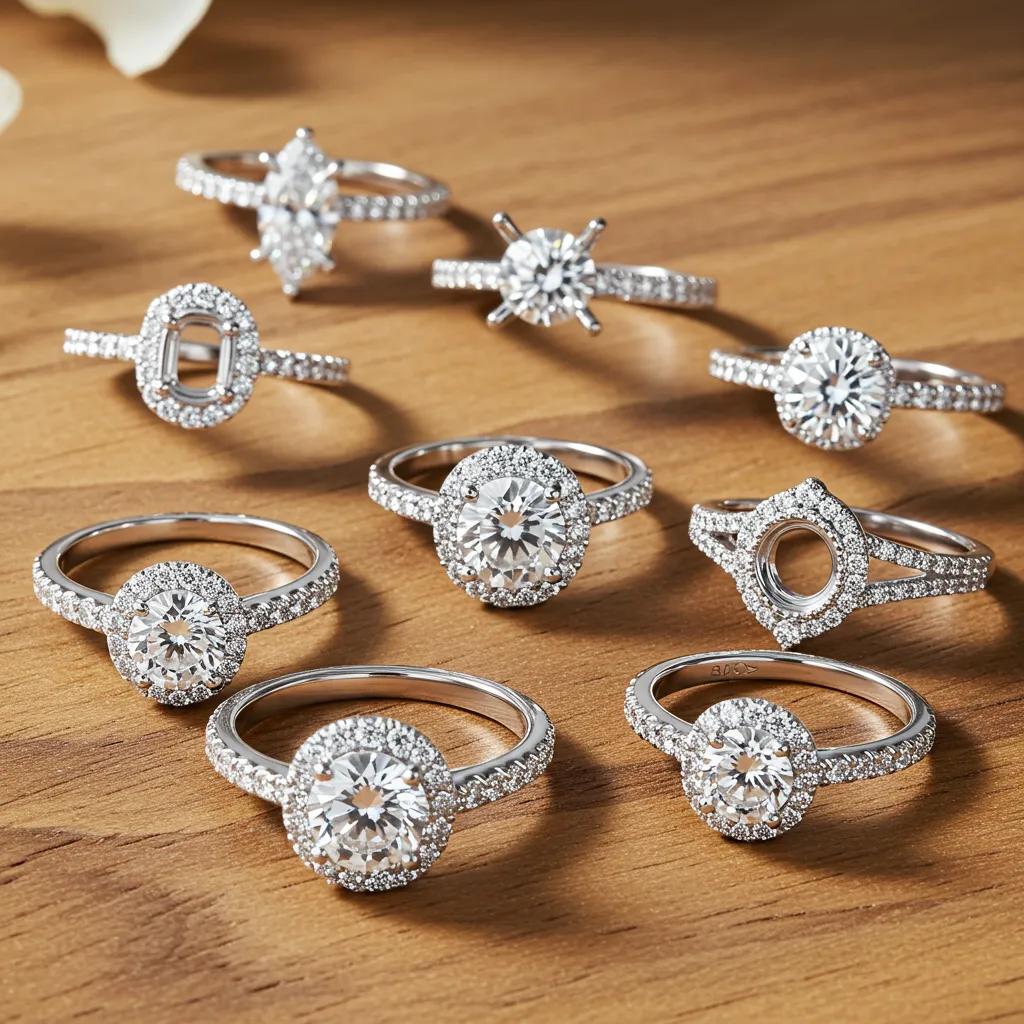
Setting styles are pivotal in how a diamond is showcased, its security, and the ring’s overall maintenance needs. Popular choices in Australia artfully blend contemporary trends with practical considerations for everyday wear. Classic solitaire settings draw all attention to a single, magnificent stone. Halo and pavé settings artfully amplify the diamond’s perceived size and brilliance, while bezel and three-stone designs offer enhanced durability and symbolic depth, respectively. Emerging 2025 trends highlight elegant oval solitaires, intricate vintage details, discreet hidden halos, and highly personalised custom features. The following sections will detail each major setting style, offering guidance on who they best suit, how they influence sparkle, and the expected maintenance.
The Solitaire Setting: A Timeless Showcase for Your Diamond
A solitaire setting is designed to elevate the centre stone, minimising visible metal to direct all focus onto the diamond’s inherent cut and brilliance. This design is perfect for buyers who prioritise exceptional cut quality and timeless elegance, and it pairs beautifully with high-grade cut stones to maximise sparkle. Solitaires also tend to be lower maintenance compared to pavé styles, as there are fewer accent stones to inspect or re-secure. Given these distinct advantages, the solitaire remains a universally versatile and enduring choice for those seeking classic emphasis on the centre diamond.
Halo and Pavé Settings: Maximising Sparkle and Presence
Halo and pavé settings are expertly designed to enhance the perceived size and surface sparkle of a diamond by encircling it with, or accenting it alongside, smaller stones. While visually striking, these styles do require more diligent maintenance and occasional stone tightening. Halos artfully make centre stones appear larger and add captivating scintillation, while pavé settings contribute to overall fire and brilliance through a continuous band of small diamonds, though they expose more small stones to potential wear. These settings are ideal for buyers who prioritise dazzling appearance and maximum flash over minimal maintenance, though planning for periodic professional checks to ensure all accent stones remain securely set is advisable.
This table serves as a helpful guide for buyers aiming to select a setting that perfectly balances their desired visual impact with practical upkeep expectations and their unique lifestyle.
When to Choose a Bezel or Three-Stone Setting
Bezel settings, which encircle the gemstone with a rim of metal, offer unparalleled protection and are exceptionally well-suited for active lifestyles. Three-stone designs, on the other hand, provide profound symbolic meaning and add extra sparkle through complementary side stones. Bezel settings are the definitive choice for those seeking the utmost security in a mount, minimising the risk of snagging. Three-stone rings appeal to buyers desiring a richer narrative or additional visual complexity. Both styles lend themselves beautifully to customisation and heirloom redesigns, making them practical and deeply personal choices for enduring pieces.
Embracing 2025 Trends in Engagement Ring Design
The year 2025 is marked by an emphasis on elegant elongation and a sophisticated vintage revival. Expect to see a rise in oval solitaires, delicate hidden halos, and a renewed appreciation for yellow gold and mixed metal combinations, alongside deeply personalised motifs. Vintage and heirloom-inspired details, such as intricate filigree and milgrain, are beautifully merging with contemporary minimalism. Furthermore, custom designs that incorporate unique gemstones or deeply personal symbolism continue to gain significant traction. When embracing current trends, it’s always wise to select elements that possess timeless appeal and genuinely reflect your personal style, ensuring your ring remains a meaningful and wearable treasure for years to come.
The Bespoke Engagement Ring Design Journey in Melbourne
Our structured custom design process transforms your unique vision into a finished ring through a collaborative journey of consultation, design, approval, and meticulous manufacture. This approach grants you complete control over every aesthetic and technical detail. Collaborating with our experienced designers ensures that the 4Cs, metal choice, setting style, and overall wearability are harmonised to perfectly align with your priorities. The following sections will guide you through the four-step bespoke journey favoured by Melbourne’s leading specialists, highlighting the crucial role of expert consultation, the extensive personalisation options available, and how exceptional craftsmanship and rigorous quality control culminate in a final product that exceeds your expectations.
ADC’s Four-Step Bespoke Design Journey: Clarity and Milestones
ADC’s signature four-step bespoke design journey provides a clear roadmap for our clients, encompassing consultation, concept design, client approval, and the final manufacture and finishing stages. This structured approach ensures clarity and predictable milestones throughout the entire process. The initial consultation is dedicated to understanding your design preferences, budget parameters, and any technical requirements. Concept design then brings your ideas to life through detailed sketches and precise CAD renders. Client approval signifies your final sign-off, allowing for any necessary revisions. Finally, the manufacture stage involves skilled bench work, expert stone setting, meticulous finishing, and thorough quality checks. While timelines can vary based on complexity, this staged methodology guarantees predictable deliverables and maintains transparent communication at every step.
- Consultation: We begin by defining your desired style, budget, and specific requirements.
- Design Development: We create detailed sketches and realistic CAD renders for your review.
- Client Approval: You finalise the design, confirming any requested revisions.
- Craftsmanship & Finishing: We meticulously craft, set, and rigorously quality-check your ring.
This step-by-step breakdown is designed to clarify expectations and encourage you to prepare questions and gather inspirational imagery for your initial consultation.
Leveraging Expert Consultation for Your Unique Ring Creation
Expert consultation is instrumental in translating your personal preferences into practical, technical solutions. Our consultants provide invaluable advice on diamond selection, metal choices, and setting mechanics, ensuring your design is both durable and aesthetically cohesive. A knowledgeable consultant can guide you through nuanced 4C trade-offs, present alternative design sketches, and clearly explain the maintenance implications of each choice. To maximise the effectiveness of your consultation, we recommend preparing visual references, a defined budget range, and notes on your lifestyle beforehand. This preparation enhances the outcome and streamlines the revision process. Many Melbourne showrooms offer complimentary consultations, providing an efficient pathway from initial concept to confident design finalisation.
Exploring Personalisation Options for Your Custom Ring
The possibilities for personalisation in custom rings are vast, ranging from subtle engravings and innovative mixed-metal designs to unique accent stones and the resetting of heirloom gems. Each option allows you to imbue your ring with profound personal meaning and influences both its final appearance and production timeline. You can select coloured accent stones, incorporate delicate millgrain or filigree details, and even design bespoke shank shapes to create a truly one-of-a-kind piece. These custom features typically affect the overall price and production time, so it’s essential to discuss your priorities during the initial consultation to ensure your chosen custom elements align perfectly with your budget and delivery expectations. Visual examples and detailed CAD renders are provided to help you finalise your choices with complete confidence.
The Role of Craftsmanship in Delivering High-Quality Final Products
Exceptional craftsmanship is the cornerstone of creating durable, beautifully finished rings that perfectly realise your design intent and meet the demands of daily wear. This involves a combination of highly skilled bench work, precise stone-setting techniques, and rigorous quality control protocols at every stage. Our skilled artisans conduct multiple checks, ensuring stone security, flawless polish, and perfect symmetry. Finishing processes, such as rhodium plating or hand-brushing, are executed with meticulous care where applicable. Comprehensive warranties and dedicated aftercare policies provide an additional layer of assurance, and scheduled professional inspection intervals help extend the piece’s longevity. Understanding these intricate production steps offers reassurance that your design vision is meticulously preserved through to the final, exquisite ring.
The Indispensable Role of Certification When Buying a Diamond Engagement Ring in Australia
Certification serves as the definitive verification of a diamond’s 4Cs, providing an independent and reliable record crucial for pricing, insurance, and future resale. It is imperative to insist on reports from reputable laboratories to prevent any misrepresentation. The Gemological Institute of America (GIA) and the American Gem Society (AGS) are globally recognised laboratories whose comprehensive reports document cut, colour, clarity, precise measurements, and detailed clarity plots. Certified diamonds command greater trust and market liquidity compared to their uncertified counterparts. Certification empowers buyers to compare diamonds objectively and confidently verify that the stone they receive precisely matches its documented attributes. The following sections will compare the major certification bodies, explore the implications for diamond value and resale, and provide a step-by-step guide to understanding a diamond certificate.
GIA and AGS Certifications: Understanding the Differences
Both the GIA and AGS employ rigorous, standardised grading methodologies. The GIA is universally acknowledged for its consistent, global standards, making its reports highly trusted worldwide. The AGS, conversely, places a particular emphasis on its precise cut grading scale, which appeals to buyers prioritising optimal light performance. Both institutions provide detailed reports that include clarity plots and precise measurements. For buyers focused intently on cut quality, the AGS scale is often considered more technically informative. When making your choice, consider which laboratory’s report best aligns with your priorities: buyers who prioritise cut excellence may favour AGS data, while GIA’s global recognition offers significant advantages for resale and general market confidence.
How Certification Impacts Diamond Value and Resale Potential
Certification fundamentally underpins a diamond’s pricing and its future resale value by meticulously documenting the exact attributes that determine its worth. This documentation significantly enhances buyer confidence and improves resale liquidity compared to uncertified stones. A certified diamond is more readily appraised and marketed, as both buyers and valuers can independently verify its grade without relying solely on the seller’s assessment. It is crucial to retain original reports and any associated online report numbers for future valuation purposes. Furthermore, always ensure the certificate accurately matches the physical stone by cross-referencing measurements and clarity plots during the purchase. This comprehensive documentation minimises ambiguity for insurers and prospective future buyers.
This concise comparison helps buyers determine which certification best supports their long-term goals and resale expectations.
Decoding Your Diamond Certificate: A Practical Guide
A diamond certificate provides a wealth of information, including precise measurements, proportions, a detailed clarity plot, and the official 4C grades. Begin by examining the cut details and proportions, then cross-reference the listed measurements with the physical stone. Inspect the clarity plot carefully to understand the location and nature of any inclusions. Crucially, confirm that the report number on the certificate precisely matches the number inscribed on the diamond’s girdle. Utilise any available imaging to validate the diamond’s visual appearance. Pay close attention to details like fluorescence, any accompanying comments, and the plotted inclusions, as these can significantly affect visual performance. Learning to interpret a certificate empowers you to compare diamonds with precision and avoid potentially mispriced purchases.
Mastering Your Engagement Ring Budget: Smart Strategies for Your Dream Ring
Effective budgeting for your engagement ring involves strategically focusing your spend on the attributes that deliver the most visual impact – primarily the cut and setting – while making intelligent trade-offs in colour, clarity, and carat weight to meet your financial goals. Begin by establishing a clear budget range, prioritise the key attributes mentioned, and leverage the ring’s setting to enhance its perceived size. Practical strategies include considering lab-grown diamonds for greater visual size at a lower price point, opting for warm metals to subtly mask lower colour grades, and avoiding overpayment for marginal clarity improvements. The following sections will outline realistic price ranges for high-quality rings in Australia, detail value-maximising tactics, highlight common mistakes to avoid, and discuss essential aftercare practices that preserve your ring’s value.
Realistic Price Ranges for High-Quality Engagement Rings in Australia
The price range for high-quality engagement rings in Australia varies significantly based on diamond grade, metal choice, and the complexity of the setting. Entry-level, high-quality options can be achieved with smart trade-offs starting at modest budgets. Mid-tier pieces typically prioritise a brighter cut and more robust metal choices. Premium rings are characterised by top-tier 4Cs and bespoke craftsmanship. Expect higher costs for premium metals like platinum and for intricate custom manufacturing and elaborate settings. Discussing your budget bands openly with a consultant is essential for aligning expectations with realistic outcomes and avoiding overspending based on perceived market trends alone.
Maximising Value Without Sacrificing Quality
To maximise the visual impact of your ring, prioritise an exceptional cut, select settings that artfully amplify perceived size, and consider modest concessions in colour or clarity where they won’t noticeably affect the diamond’s appearance. Lab-grown diamonds offer an excellent avenue for achieving greater visual size for your investment. Utilise setting styles – such as halos, slender bands, or bezels – to enhance the diamond’s perceived scale. When opting for custom work, negotiate transparent pricing by clearly defining all materials and labour involved, and request itemised quotes to facilitate value comparison. These strategic approaches ensure you receive exceptional quality while staying comfortably within your budget.
Common Pitfalls to Avoid When Purchasing an Engagement Ring
Buyers frequently overlook crucial steps such as verifying certification, overemphasising carat weight at the expense of cut quality, neglecting setting security, or failing to confirm provenance. Avoiding these common pitfalls can prevent future regret and safeguard your investment’s long-term value. Other frequent mistakes include failing to compare like-for-like certificates, rushing bespoke timelines without clear communication, and neglecting essential aftercare and insurance planning. Utilise a comprehensive checklist during your purchase process to ensure you confirm certification, meticulously inspect the stone, and document provenance and warranties before finalising your acquisition.
- Key mistakes to sidestep: Failing to request a grading report.Prioritising carat weight above cut quality.Overlooking the security and maintenance needs of the setting.
This concise list highlights prevalent errors and naturally leads into the importance of aftercare practices designed to protect your valuable investment.
The Crucial Role of Aftercare in Ensuring Your Ring’s Longevity
Consistent aftercare – encompassing professional inspections, regular cleaning, prong checks, and appropriate insurance – is vital for preserving your ring’s appearance and preventing loss or damage that could diminish its value over time. Schedule professional inspections at least annually, perform gentle home cleaning to maintain brilliance, and obtain formal valuations for insurance purposes. Proper aftercare not only extends the ring’s lifespan but also facilitates future resale or inheritance, ensuring the piece remains both a beautiful symbol and a well-documented asset.
For those ready to transition from guidance to action, Australian Diamond Company (ADC) in Melbourne offers complimentary design consultations and a meticulously structured four-step bespoke design process. This journey is expertly designed to translate your unique preferences and ethical requirements into a finished ring that perfectly embodies your vision. ADC proudly features GIA and AGS certified diamonds and showcases exclusive and signature engagement ring collections, providing ample opportunity to compare certified options and explore custom examples. If you seek a guided, transparent path to purchase or wish to embark on creating a bespoke design, booking a consultation with ADC’s expert team will provide personalised recommendations and the essential documentation to support your confident decision.
Your Questions Answered
What factors should guide my diamond shape selection?
When choosing a diamond shape, consider your personal style, the intended ring setting, and how the shape influences the diamond’s overall appearance. Popular choices like the round brilliant, princess, and oval cuts each offer distinct visual characteristics. Round diamonds are celebrated for their exceptional brilliance, while fancy shapes such as pear or marquise can create an illusion of greater size. It’s also important to consider how the shape complements the wearer’s hand and lifestyle, as some shapes may be more susceptible to chipping or require more specialised care than others.
How can I guarantee my engagement ring fits perfectly?
Ensuring a perfect fit for your engagement ring hinges on accurate ring size measurement. You can achieve this through a professional fitting at a jeweller or by using a reliable ring sizer at home. Remember that finger size can fluctuate with temperature, so consider the time of year. If you’re uncertain about the exact size, it’s often advisable to opt for a slightly larger size, as resizing a ring smaller is generally more straightforward than enlarging it. Additionally, factor in the band’s width, as wider bands may require a slightly larger size for optimal comfort.
What are the key advantages of custom-designed engagement rings?
Custom engagement rings offer the unparalleled advantage of creating a truly unique design that perfectly reflects your personal style and specific preferences. You have the creative control to select every detail, from the centre diamond and precious metal to the intricate setting style, ensuring your ring is absolutely one-of-a-kind. Custom designs also provide a wonderful opportunity to incorporate deeply sentimental elements, such as heirloom stones or personalised engravings. Furthermore, collaborating closely with a skilled jeweller throughout the design process ensures expert guidance on quality and craftsmanship, resulting in a high-quality piece meticulously tailored to your exact vision.
What is the best way to care for my engagement ring to maintain its sparkle?
To preserve the enduring beauty of your engagement ring, regular and gentle care is essential. Clean it periodically using a soft brush and a mild soap solution to effectively remove accumulated dirt and oils. Avoid using harsh chemicals, as these can potentially damage the metal or compromise the integrity of the gemstone. We strongly recommend scheduling professional cleanings and inspections at least once a year to check for any loose stones or signs of wear. Additionally, it’s prudent to remove your ring during activities that might expose it to harsh conditions, such as strenuous exercise or household cleaning, to prevent scratches and potential damage.
What is the cultural significance of the engagement ring across different traditions?
The engagement ring carries diverse and profound meanings across various cultures, frequently symbolising love, unwavering commitment, and the sacred promise of marriage. In many Western traditions, it is traditionally worn on the fourth finger of the left hand, stemming from the ancient belief in a direct vein connecting this finger to the heart. In contrast, some cultures, particularly in certain parts of Asia, may place less emphasis on engagement rings, with families often prioritising the wedding band. Understanding these cultural nuances can significantly enhance the ring’s significance for couples from diverse backgrounds.
What are the prevailing trends in engagement ring designs for 2025?
Engagement ring trends for 2025 are notably leaning towards elegant vintage-inspired designs, distinctive shapes, and highly personalised elements. Oval and pear-shaped diamonds are experiencing a surge in popularity due to their graceful appearance, while mixed metals and intricate detailing, such as delicate filigree and milgrain, are making a stylish comeback. Furthermore, an increasing number of couples are choosing lab-grown diamonds, drawn to their ethical sourcing and environmental benefits. Customisation remains a paramount trend, empowering couples to create rings that authentically reflect their individual stories and unique styles.
How Certification Impacts Diamond Value and Resale Potential
Understanding the role of certification in determining a diamond’s value and resale potential is crucial for making informed purchasing decisions. The following table outlines the key aspects of certification and their implications for buyers.
This table highlights the importance of certification in enhancing buyer confidence and ensuring a diamond’s value is well-documented, ultimately facilitating smoother resale opportunities in the future.
When you are ready to put this knowledge into practice, explore our engagement rings to compare styles, diamond quality and setting options that suit your budget and lifestyle before you visit our Melbourne showroom.


