
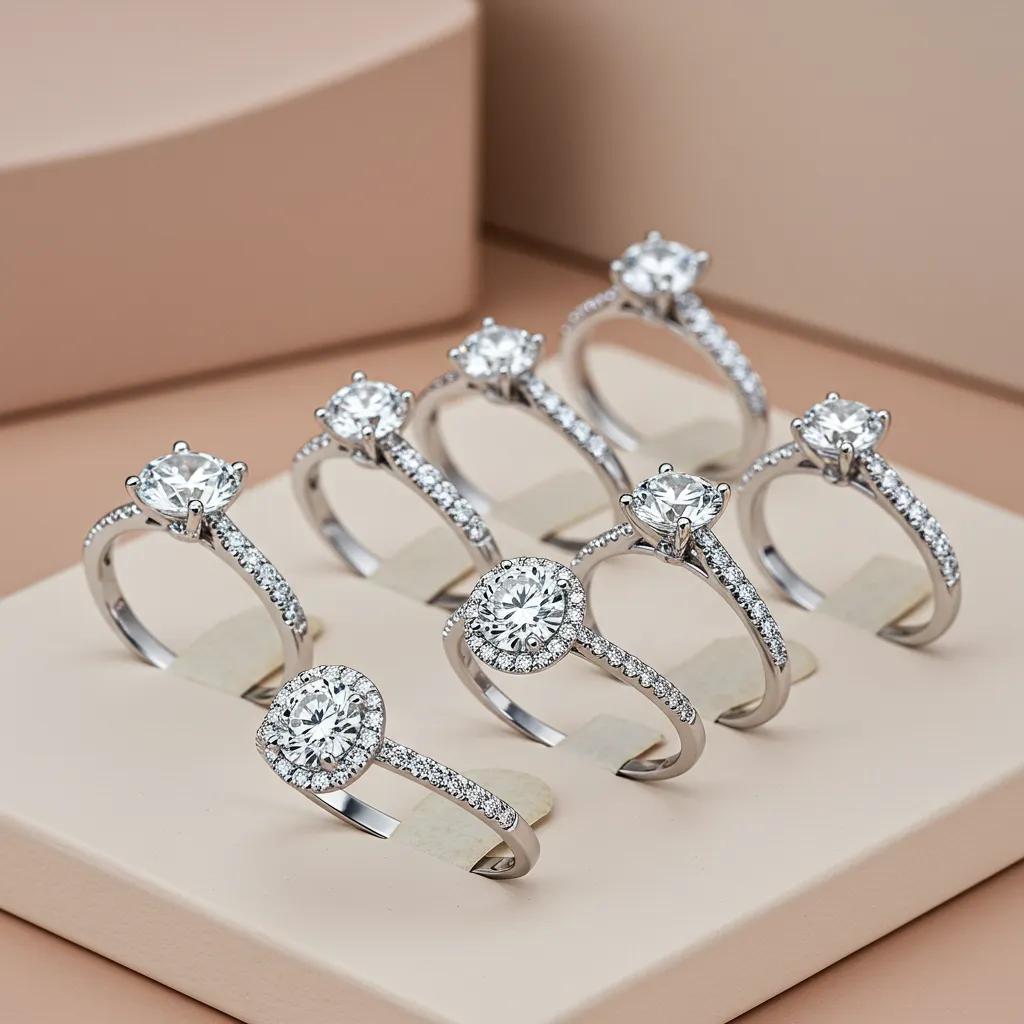
Australian Engagement Ring Price Guide – Australian Diamond Company
Navigating engagement ring prices in Australia means understanding how a diamond’s characteristics, the setting, the metal, and the overall design shape the final cost. Knowing the average figures for 2025 provides a solid foundation for your planning. As you work through the numbers, you can browse our engagement rings to see how different styles, diamond types and settings sit at various price points. This guide delves into current average expenses, how these figures shift based on carat weight and diamond type, and the smart choices that deliver the best visual impact for your budget. We’ll demystify the 4 Cs, compare natural and lab-grown diamonds, and explore how custom design choices in Melbourne and across the nation influence pricing. You’ll discover practical budgeting strategies, financing and insurance insights tailored for Australian buyers, and the 2025 trends shaping the demand for unique and ethically sourced pieces. Our content is structured for clarity, covering average costs and price tables, the key price drivers and the 4 Cs, a detailed natural vs. lab-grown comparison, transparent custom design costing, budgeting and finance advice, 2025 market trends, and a brief note on why Australian Diamond Company is a valuable resource for shoppers. Throughout, we’ll use precise terminology like carat weight, certification, metal type, and setting styles to ensure our comparisons are clear and actionable.
What’s the Average Engagement Ring Cost in Australia for 2025?
In 2025, the average engagement ring price in Australia typically ranges from AUD 5,000 to AUD 12,000 for a standard natural diamond ring, with lab-grown alternatives generally costing less. This broad range reflects the interplay of factors such as carat weight, the 4 Cs (carat, cut, colour, clarity), the chosen metal, and the complexity of the setting, all of which significantly impact the final price. Understanding these averages helps set realistic expectations and guides you in prioritising what matters most-for instance, opting for a superior cut on a slightly smaller carat can enhance visual brilliance while staying within budget. The table below offers a quick reference for price ranges based on carat size and diamond type, making it easier to compare your options. If you would like help turning rough price ranges into a realistic spending plan, our smart engagement ring budgeting strategies for every couple explains how to set and stick to a budget that works for you.
Typical price bands for common carat sizes and diamond types in Australia:
This table illustrates the expected price spectrum when comparing natural and lab-grown stones across common sizes. Remember that higher clarity and colour grades will increase prices. Use these bands to establish an initial budget, then refine your choices by balancing cut and setting style, which we’ll discuss next.
What’s the Typical Cost of a 1 Carat Diamond Ring in Australia?
A 1 carat diamond ring in Australia in 2025 typically ranges from AUD 5,000 to AUD 12,000 for a natural diamond, depending on its cut, colour, and clarity. For a lab-grown alternative of comparable visual quality, expect prices between AUD 1,800 and AUD 6,000. These ranges assume a standard quality, such as G–H colour and VS2–SI1 clarity, set in an 18ct white gold solitaire or a simple setting. Higher-end cuts and certifications will push prices towards the upper end of these bands. For maximum sparkle, prioritise cut quality over minor variations in colour or clarity, as cut has the most significant impact on brilliance. For example, a well-cut 1.0ct G VS2 diamond in an 18ct gold solitaire offers impressive visual appeal and falls within the mid-range for natural diamonds, while a lab-grown equivalent can provide a similar look at a more accessible price point.
What Are the Price Ranges for Different Carat Sizes?
The price of a diamond increases non-linearly with carat weight, as larger stones are rarer and command exponentially higher premiums; doubling the carat weight often more than doubles the price. The typical ranges for natural and lab-grown stones across common sizes highlight this escalating cost and help you weigh the trade-off between size and quality. This compact reference shows how prices jump from 0.5ct to 2.0ct and why a slightly smaller stone with a superior cut can offer better perceived size and brilliance.
Price bands by carat for natural vs lab-grown diamonds:
Use this table to understand how carat decisions influence your budget and to identify where lab-grown options can provide greater visual size for your investment. Choosing a superior cut on a slightly smaller carat is often a high-value trade-off.
How Do Natural and Lab-Grown Diamonds Compare in Price?
Lab-grown diamonds typically offer savings of 20–70% compared to natural diamonds, depending on size and grade, making them an appealing choice for those prioritising visual size and budget efficiency. This price difference stems primarily from supply and production costs; lab-grown stones bypass the rarity premiums associated with natural diamonds, resulting in significantly lower retail prices for equivalent grades. Quality and certification parity have improved, with lab-grown stones receiving grading from bodies like GIA or IGI and matching optical performance. However, resale value and long-term market perception can still differ. Buyers should weigh the immediate cost advantage and ethical considerations against potential resale outcomes when choosing between natural and lab-grown options.
The increasing acceptance and affordability of lab-grown diamonds are reshaping consumer choices, presenting a compelling alternative to traditional natural stones.
Lab-Grown Diamonds: Sustainable Alternatives and Consumer Perceptions
Lab-grown diamonds are set to transform the global gem industry, marking a shift towards sustainable and ethical alternatives to natural diamonds. This study investigates the impact of age on various factors influencing consumer perceptions, beliefs, and motivations regarding lab-grown diamonds. Employing a quantitative approach, the study tests hypotheses to determine if there is an association between age and aspects such as familiarity, opinions on quality and appearance, purchase motivations, and open-mindedness towards this industry revolution. Findings: The analysis revealed weak and statistically insignificant relationships across the tested variables, indicating that attitudes towards lab-grown diamonds are not significantly determined by age. These results suggest that consumer preferences are more closely aligned with shared values and product attributes, such as eco-friendliness and affordability, rather than demographic factors. The study highlights
New Era of Lab Grown Diamond, J Vidani, 2024
Are There Regional Price Variations Across Australia, Especially in Melbourne?
Regional price variations in Australia can be attributed to local supply, retail overheads, and market demand. Major cities like Melbourne may see slightly higher prices for showroom-purchased pieces compared to some regional outlets, often due to enhanced in-person services and higher operating costs. Melbourne’s jewellery market also provides competitive access to custom design services and certified stones, which can justify modest premiums through specialised expertise and traceability. For Melbourne buyers, using a showroom consultation to compare certified stones and try on settings helps refine expectations and reduces the risk of misjudging appearance-this hands-on advantage often offsets minor cost differences. If you prefer a blended approach, compare online listings with local showroom options, factoring in certification, aftercare, and the benefit of in-person selection.
After reviewing averages and regional factors, the next section details the key determinants of price, starting with the 4 Cs, so you can translate these ranges into actionable choices.
What Are the Key Factors Influencing Engagement Ring Prices in Australia?
Engagement ring prices in Australia are primarily influenced by the diamond’s attributes, the chosen setting and metal, and the jeweller’s craftsmanship and sourcing practices. Understanding these elements empowers you to control costs without compromising on visual impact. Each component-carat, cut, colour, clarity, metal type, and setting complexity-acts as a price multiplier, collectively determining the final retail price. Recognising how these factors interact allows for targeted trade-offs, such as prioritising cut for sparkle while accepting a slight reduction in colour or clarity. The following list breaks down the core components buyers should evaluate for efficient cost management.
Major price drivers to consider:
- Carat weight: The most significant price driver; larger stones are disproportionately more expensive.
- Cut quality: Crucial for perceived sparkle and can be prioritised for visual impact.
- Colour and clarity: Strategic trade-offs here can reduce price without noticeable visual loss.
- Setting and metal: Complex settings and premium metals materially increase labour and material costs.
How Do the 4 Cs-Carat, Cut, Colour, and Clarity-Affect Diamond Prices?
The 4 Cs collectively define diamond pricing: carat determines base scarcity, cut controls light performance, colour indicates body tint, and clarity measures internal flaws. Each dimension influences price differently and guides buyer trade-offs. Carat creates the steepest price curve due to exponentially increasing rarity with weight; a 1.5ct stone is substantially rarer than a 1ct stone and thus disproportionately costlier. Cut quality has an outsized influence on perceived value because a well-cut diamond appears brighter and larger than a poorly cut stone of identical carat, making cut a top priority for visual performance. Colour and clarity impact price based on the visibility of imperfections and tint; small concessions here often yield significant savings with minimal visual compromise. For buyers, focusing on an excellent cut, a slightly relaxed colour grade (G–I), and reliable clarity (VS2–SI1) frequently offers the best balance of appearance and cost.
How Does Metal Type Impact Engagement Ring Cost?
Metal choice affects both material cost and durability. Platinum is generally more expensive than 18ct gold, which in turn costs more than 9ct gold. Each metal also influences maintenance and the wearer’s experience. Platinum is denser and hypoallergenic, commanding a premium price and offering greater scratch resistance. 18ct gold provides a luxurious finish at a somewhat lower cost and is popular in white, yellow, and rose variations. 9ct gold has a lower gold content, is substantially less expensive, but is also less durable over decades. Metal selection interacts with setting complexity; intricate pavé or micro-setting work is more costly in harder metals due to increased labour and specialised tools. Buyers should consider initial price, long-term maintenance, and aesthetic preference when selecting their metal.
Choosing your metal strategically can free up budget for a superior stone, often yielding more visible value.
What Role Does Setting Style and Design Complexity Play in Pricing?
Setting style and design complexity add to labour and material costs. Simple solitaires are the most cost-efficient, while halo and pavé settings require more stones and skilled setting work. Bespoke design elements increase design time and artisan fees. The number of accent stones, micro-prong work, and custom engraving all increase manufacturing hours, specialist finishing, and quality control, costs which are passed on to the buyer. Intricate settings also raise the risk and cost of future repairs or resizing, which buyers should factor into lifetime value calculations. When balancing cost, consider a classic solitaire with a superior cut stone for visual impact, or use accent stones strategically in a halo to enhance the perceived size of the centre stone while managing carat cost.
How Does the Jeweller’s Brand and Ethical Sourcing Influence Price?
Jewellers with established reputations and transparent ethical sourcing practices can command premiums because buyers gain assurance through certification, traceability, and consistent aftercare-these services reduce purchase risk and add measurable value. Ethical sourcing practices, conflict-free assurances, and visible chain-of-custody documentation often involve sourcing costs and auditing fees that are reflected in price tags but provide buyers with confidence in the provenance. Craftsmanship and warranty policies from reputable jewellers deliver long-term service that supports ring longevity and resale considerations. The next section contrasts natural and lab-grown diamonds, where ethical and value trade-offs frequently influence buyer decisions.
How Do Natural Diamonds and Lab-Grown Diamonds Compare in Price and Value?
Natural and lab-grown diamonds present distinct price and value profiles: lab-grown stones generally offer substantial upfront savings, while natural diamonds retain different market perceptions and historically stronger resale dynamics. Price differentials are primarily a function of supply and rarity-natural diamonds carry a scarcity premium, whereas lab-grown diamonds benefit from controlled production and lower rarity premiums. Quality parity for cut, colour, and clarity is achievable in both types, but buyers should consider certification, traceability, and long-term value differences when choosing. The next subsection quantifies typical savings and offers a small comparison to guide your decisions.
What Are the Average Price Differences Between Natural and Lab-Grown Diamonds?
Average savings for lab-grown diamonds compared to natural stones commonly range from 20–70%, depending on carat and grade, with larger relative savings for bigger carats where natural market premiums are steeper. For instance, a well-cut 1.0ct natural diamond might retail between AUD 5,000–12,000, while a lab-grown equivalent of comparable cut and colour may be priced between AUD 1,800–6,000, illustrating a significant budget advantage. The price gap can narrow or widen based on market demand and supply conditions; buyers should request comparable certified reports to ensure accurate comparisons. Market trends in 2025 indicate increasing lab-grown adoption, which may gradually compress price differentials over time.
The evolution of lab-grown diamond technology and market acceptance highlights a significant shift in consumer purchasing power and ethical considerations.
Cultured Diamonds: The Future of Ethical Jewellery and Consumer Choice
Cultured diamond: a description that evokes mystery, associating one of the Earth’s most renowned gemstones with the scientific expertise developed over years of research. Primarily recognised as a precious gift for significant occasions like engagements and weddings, diamonds continue to captivate with their dazzling allure, convincing countless couples. As the luxury industry increasingly embraces more conscious manufacturing practices and consumers gravitate towards ethical consumption and distinctive products, cultured diamonds are gaining prominence over the often-problematic narratives surrounding mined stones. With this epigram in focus, this article offers a comprehensive perspective on how the industry is poised to adapt to this new revolution. Cultured diamonds are diamonds produced in laboratories, the result of nearly 70 years of development. To assess whether this new alternative represents a legitimate opportunity to meet the demands of the evolving jewellery market, this research sought to observe the genuine potential of this man-made gemstone through a thorough understanding of its characteristics, market perception, and available concrete sustainable solutions. Consequently, it is observed that there is a discernible interest in finding a new alternative possessing the same attributes to reassure all stakeholders. A gemstone is defined simply by the combination of its chemical composition and crystal structure. This fact has led to divergent viewpoints, with no single position being definitively correct, but rather a matter of brand positioning. New generations of consumers increasingly recognise the importance of ethical consumption in luxury products. Negative press, child labour, and conflicts such as those surrounding ‘blood diamonds’ have created an uncertain environment in which today’s Gen Z consumers are uncomfortable purchasing without full awareness. Once again, arguments for and against laboratory-grown diamonds are emerging.
Lab-grown diamond–the shape of tomorrow’s jewelry, 2021
What Ethical and Quality Considerations Should Buyers Know?
Ethical considerations vary: natural diamonds can be certified as conflict-free with traceability measures, while lab-grown diamonds avoid mining impacts but have their own energy and production footprints. Both types can be ethically sourced when sellers provide transparent documentation. Certification and grading (e.g., GIA, IGI) remain crucial for both natural and lab-grown stones to verify the 4 Cs and detect treatments. Quality parity means visual performance can be equivalent, but buyers should insist on independent grading reports and clear provenance statements to validate ethical claims. Assessing supplier transparency and aftercare policies helps ensure a trustworthy purchase, regardless of diamond origin.
Are Lab-Grown Diamonds a Budget-Friendly Alternative in Australia?
Lab-grown diamonds often represent the most budget-friendly route to achieving larger visible carat sizes or higher cut grades within a fixed budget, making them attractive for buyers prioritising perceived size and sparkle. Scenarios where lab-grown offers superior value include couples seeking larger centre stones within a strict budget, or buyers who prioritise lower upfront cost and prefer not to focus on resale value. Considerations include potential resale limitations and evolving market perceptions; for many buyers, the immediate cost efficiency and ethical clarity of lab-grown diamonds outweigh long-term resale uncertainty. To make a fair decision, compare certified stones side-by-side for cut and brilliance rather than relying solely on carat numbers.
What Does Custom Engagement Ring Design Cost in Melbourne and Australia?
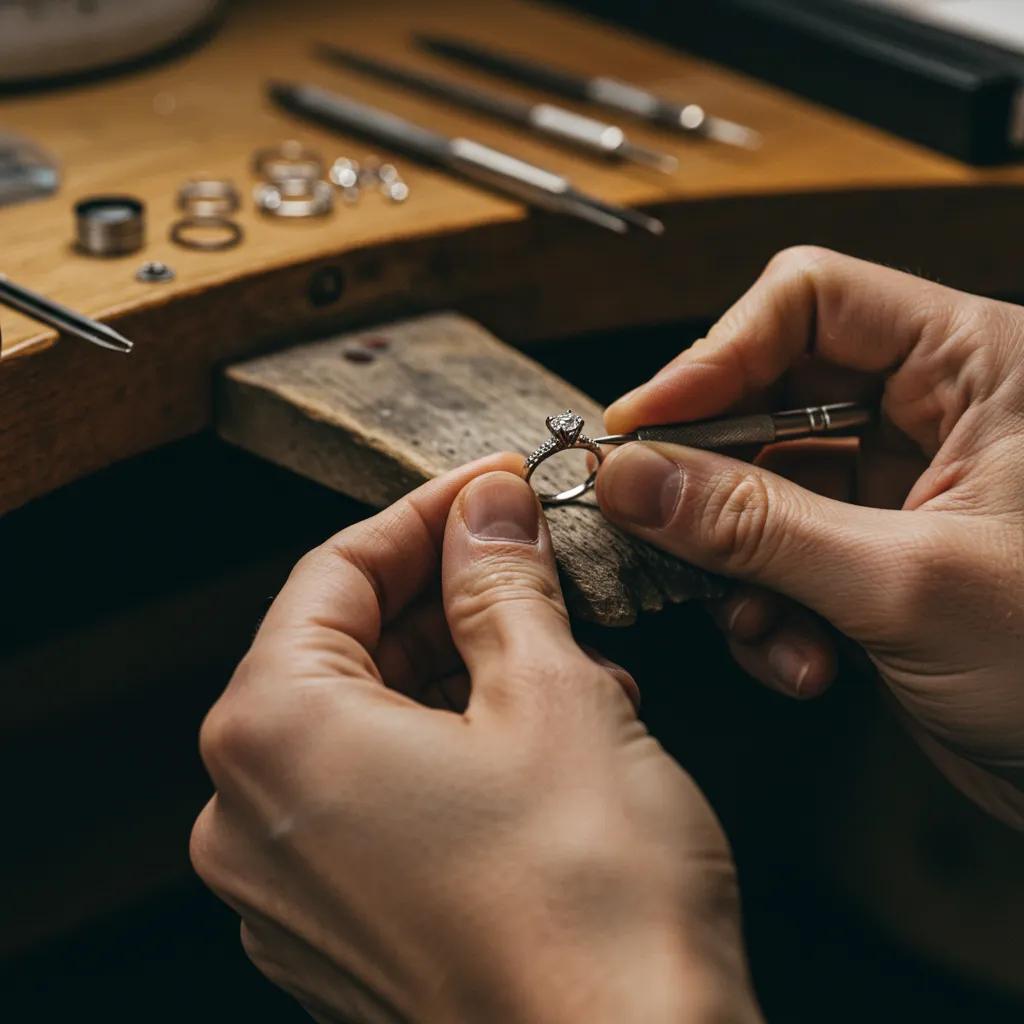
Custom engagement ring pricing in Melbourne and across Australia is determined by design complexity, stone selection, metal choice, and artisan labour. Transparency in these components helps buyers anticipate the total cost and decide where to allocate their budget. Custom designs involve distinct cost elements-design fees, stone procurement, manufacturing, and finishing-which aggregate into a final quote. Typical starting prices for custom pieces reflect baseline design and material costs and can rise significantly for unique stones or highly complex fabrication. The table below summarises typical additional costs for common custom elements to enhance pricing transparency for buyers considering bespoke work.
Customisation cost drivers and typical additional cost ranges:
How Is the Price of a Custom Engagement Ring Determined?
A custom ring’s price is a sum of discrete elements: a design fee covering consultation and CAD or sketch work, the stone cost which often dominates, and manufacturing plus finishing costs reflecting labour and material choices. Design fees typically cover the initial creative process and iterative approvals, while stone sourcing may include premiums for certified natural stones or rare coloured gems and the logistics of traceability. Manufacturing costs scale with setting complexity, the number of accent stones, and specialist techniques like micro-setting or hand carving. Buyers should request an itemised quote detailing each component to identify potential savings; for example, choosing a high-quality lab-grown centre stone can reduce stone cost, allowing for investment in a more elaborate setting.
What Are Typical Starting Prices for Custom Rings at Australian Diamond Company?
Australian Diamond Company offers custom design services with typical starting-price guidance to help buyers understand baseline costs before stone selection and bespoke options are added. Starting prices for custom engagement rings commonly include a consultation and initial design work, presented as conservative ranges to manage expectations. Buyers are encouraged to book a Melbourne showroom consultation for a precise, tailored quote. At entry-level custom budgets, clients can expect a basic bespoke ring framework with standard finishing and modest accent stones, whereas higher tiers include unique stones, complex settings, and premium metals. For precise pricing and to explore sample price points, booking a personalised consultation in Melbourne will provide accurate, customised estimates.
Australian Diamond Company’s in-showroom custom design consultations help translate preferences into practical budgets and ensure transparency across design, sourcing, and production stages.
How Does the Custom Design Process Work at ADC’s Melbourne Showroom?
The custom design workflow at Australian Diamond Company’s Melbourne showroom typically begins with an in-person consultation to capture style preferences and budget. This is followed by design proposals and stone selection, then fabrication, finishing, and collection-each stage includes client approvals. During the initial consultation, measurements, inspiration, and practical wear considerations are discussed to shape a CAD sketch or hand-drawn concept for review. Once a design is approved, stone sourcing and procurement occur, prioritising certification and ethical traceability. Skilled artisans then manufacture the item and apply finishing touches before client inspection. Production timelines vary by complexity but are communicated upfront, and aftercare advice and valuation documentation are provided upon collection.
This in-person process underscores the value of local consultations in Melbourne for buyers seeking bespoke confidence and transparency.
How Should Australian Couples Set Their Engagement Ring Budget?
Setting an engagement ring budget should be a personalised process based on financial reality, mutual priorities, and informed trade-offs, rather than adherence to outdated rules. Pragmatic frameworks help couples allocate funds efficiently toward what matters most in a ring. A good approach begins with establishing a clear overall budget range, deciding which attributes (size, brilliance, metal, bespoke design) are most important, and reserving funds for insurance and ongoing care. Practical budgeting frameworks focus on savings percentages, shared goals, and financing options rather than fixed salary rules. The list below offers modern, practical budgeting steps for Australian couples preparing to buy.
A modern budgeting checklist includes:
- Set a realistic total range: Establish low, medium, and high targets based on savings and priorities.
- Prioritise attributes: Decide whether carat, cut, or bespoke design is most important.
- Reserve for protection: Allocate funds for insurance, valuation, and potential resizing.
- Compare alternatives: Evaluate lab-grown options and setting choices to maximise perceived value.
Is the “Three-Month Salary Rule” Still Relevant for Engagement Ring Spending?
The three-month salary rule is largely outdated as a prescriptive benchmark because it ignores personal financial context and couples’ shared priorities. Modern advice emphasises affordability and shared decision-making over arbitrary formulas. The rule’s origin was more about marketing than financial prudence, and contemporary buyers benefit from frameworks tied to savings goals, emergency funds, and long-term plans. Practical replacements include setting a fixed percentage of joint savings, creating low/medium/high budgets, or sharing the cost with a partner to align spending with values. Emphasising financial responsibility and mutual agreement reduces stress and supports a purchase that fits your lifestyle rather than advertising narratives.
What Are Effective Tips for Prioritising Your Engagement Ring Budget?
Prioritise cut and visual performance first, as a superior cut increases perceived size and brilliance more than incremental carat increases. Then, reallocate savings to the setting or metal as desired. Consider lab-grown diamonds to gain carat weight for the same budget, or choose a halo setting to make a centre stone appear larger without substantially increasing carat weight. Allocate a portion of the budget to insurance and valuation to protect your investment, and request clear certification to ensure you are paying for verified quality. Making a list of must-haves versus nice-to-haves before shopping simplifies trade-offs and keeps the purchase aligned with long-term financial priorities.
What Financing and Insurance Options Are Available for Engagement Rings in Australia?
Australian buyers commonly use a combination of retail payment plans, personal loans, and credit cards for financing, and jewellery-specific insurance or named-item home contents cover for protection. Each option has trade-offs in cost, flexibility, and long-term impact. Retail payment plans may offer interest-free periods but require careful attention to terms; personal loans provide predictable payments while affecting credit; credit cards are convenient but can be expensive if not paid off quickly. For insurance, specialised jewellery policies or a nominated item on home contents cover are common. Buyers should secure professional valuations and keep documentation to support claims. Discussing payment and protection options with your jeweller can reveal practical plans and documentation steps that simplify purchasing and insurance.
Consulting a trusted jeweller or insurance provider helps match financing and cover to individual circumstances, supporting confident buying decisions.
What Are the Latest Engagement Ring Trends and Statistics in Australia for 2025?
In 2025, Australian engagement ring trends show growing demand for custom pieces, ethically sourced stones, and lab-grown diamonds, with buyers increasingly prioritising visual impact, provenance, and personalised design. Market data indicates moderate increases in average spend, while consumers emphasise cut and bespoke services over simple carat maximisation. Popularity of alternative shapes and mixed-metal looks is rising, and lab-grown diamonds continue to capture a larger share of entry-to-mid market segments. The following lists and short analysis outline key consumer preference shifts and shape/metal trends for 2025.
How Are Consumer Preferences Shifting Towards Custom and Ethical Rings?
Consumers increasingly value bespoke design and verified ethical sourcing, driving growth in custom commissions and demand for traceable diamonds. Buyers seek one-of-a-kind aesthetics paired with assurances on origin, making certified provenance and transparent supply chains influential purchase factors. This shift supports jewellers who offer clear documentation, in-showroom consultations, and tailored design workflows that align aesthetic goals with ethical standards. As a result, custom design services and ethically focused suppliers are becoming primary destinations for buyers who prioritise values and individuality.
What Are the Popular Diamond Shapes and Metal Choices in 2025?
Diamond shape popularity in 2025 leans towards oval, round brilliant, cushion, and emerald cuts, each chosen for different visual effects: oval for elongation, round for maximum brilliance, cushion for vintage character, and emerald for clarity emphasis. Metal choices favour white gold and platinum for contemporary looks and durability, while rose gold remains popular for warm tones and vintage-inspired designs. Shape and metal choices influence price through availability and the amount of metal required for certain settings, and they interact with cut and carat decisions to shape final appearance and cost.
Top shapes and metals currently trending:
- Oval: Elongated profile for perceived size.
- Round brilliant: Maximum brilliance and resale familiarity.
- Cushion: Vintage appearance and softer sparkle.
- Platinum & white gold: Durable, modern finishes.
How Is the Demand for Lab-Grown Diamonds Evolving in Australia?
Demand for lab-grown diamonds in Australia continues to increase throughout 2025 as buyers prioritise affordability and ethical clarity, with market share growing particularly among buyers seeking larger visual carat for a given budget. Motivations include cost efficiency, a desire for traceability, and the ability to select larger or higher-cut stones without the natural rarity premium. As adoption grows, pricing dynamics may shift, potentially narrowing the gap with natural diamonds and increasing second-hand market complexity. Buyers should consider immediate value, ethical preferences, and long-term resale when deciding whether lab-grown suits their goals.
Why Choose Australian Diamond Company for Your Engagement Ring Purchase?
Australian Diamond Company is a Melbourne-based jeweller offering high-quality, ethically sourced diamond jewellery, custom design expertise, and an in-person showroom experience, making it a practical choice for buyers seeking transparency and bespoke services. The company’s approach emphasises certified stones, traceable sourcing, and collaborative design processes that guide clients from concept to collection with clarity on pricing and options. For couples wanting to combine local consultation with online convenience, this blend of showroom access and curated collections provides a pathway to custom and ready-made engagement rings that reflect both budget and values. The following subsections detail quality assurances, the custom service, and practical booking steps.
How Does ADC Ensure High-Quality, Ethically Sourced Diamonds?
Australian Diamond Company sources diamonds with a focus on ethical supply chains and quality assurance, using certification and traceability to validate origin and characteristics and to reduce purchase risk for buyers. Quality control includes third-party grading and transparent reporting of the 4 Cs so purchasers know exactly what they are buying. Ethical sourcing practices emphasise conflict-free supply channels to align with conscientious buyer expectations. Traceability and clear documentation also support valuation and insurance, protecting both buyer and seller interests. These practices allow clients to prioritise both quality and provenance without sacrificing clarity.
What Makes ADC’s Custom Design Service Unique in Melbourne?
ADC’s custom design service combines personalised consultations, iterative design collaboration, and skilled artisan manufacture within a Melbourne showroom setting, allowing clients to visualise materials and approve designs in person. This hands-on process helps clients refine priorities – cut, carat, metal, and setting complexity – while ensuring design choices align with budget and wearability. Skilled craftsmen translate approved designs into finished pieces with meticulous attention to finishing and longevity, and the showroom environment allows for accurate try-ons and material inspection. The result is a bespoke piece that balances aesthetic goals with practical considerations.
How Can You Book a Consultation or Explore ADC’s Engagement Ring Collections?
To explore your options, Australian Diamond Company invites prospective buyers to arrange an in-person showroom consultation in Melbourne for personalised advice, stone selection, and custom design planning, or to review curated engagement ring collections for ready-made alternatives. The consultation workflow guides clients through priorities and budget, produces design concepts, and clarifies timelines and pricing before manufacture commences. For buyers who prefer to prepare, compiling inspiration images, a budget range, and a list of preferences before a consultation will expedite the process and improve outcomes. Booking a consultation provides the clarity needed to convert average price expectations into a realistic, personalised quote.
Frequently Asked Questions
What are the benefits of choosing a lab-grown diamond over a natural diamond?
Lab-grown diamonds offer several advantages, including significant cost savings, typically ranging from 20% to 70% less than natural diamonds. They are also considered more ethical, as they avoid the environmental and social issues associated with diamond mining. Additionally, lab-grown diamonds can be produced with fewer impurities, often resulting in higher clarity and colour grades. Buyers can enjoy larger or higher-quality stones within their budget, making lab-grown diamonds an appealing option for many couples.
How can I ensure the quality of the diamond I purchase?
To ensure the quality of your diamond, always request certification from reputable grading organisations such as GIA or IGI. These certificates provide detailed information about the diamond’s 4 Cs: carat, cut, colour, and clarity. Additionally, consider purchasing from established jewellers who offer transparent sourcing practices and ethical assurances. Inspect the diamond in person if possible, and ask about the jeweller’s return policy and aftercare services to ensure you are making a well-informed purchase.
What should I consider when choosing a setting for my engagement ring?
When selecting a setting for your engagement ring, consider the style, durability, and how it complements the diamond. Popular settings include solitaires, halos, and pavé styles, each offering different aesthetics and levels of complexity. Think about your lifestyle; for example, active individuals may prefer lower-profile settings that are less prone to damage. Additionally, consider the metal type, as it can affect both the ring’s appearance and its long-term durability. Ultimately, choose a setting that reflects personal style while ensuring practicality.
Are there financing options available for purchasing engagement rings in Australia?
Yes, many jewellers in Australia offer various financing options to help couples manage their engagement ring purchases. Common options include interest-free payment plans, personal loans, and credit card financing. It’s essential to review the terms and conditions of each option, as they can vary significantly in terms of interest rates and repayment periods. Additionally, consider setting a budget that includes not just the ring’s cost but also insurance and potential resizing to ensure a comprehensive financial plan.
What are the current trends in engagement ring designs for 2025?
In 2025, engagement ring trends are leaning towards custom designs, ethically sourced materials, and lab-grown diamonds. Couples are increasingly prioritising unique aesthetics and provenance, leading to a rise in bespoke commissions. Popular diamond shapes include oval, round brilliant, and cushion cuts, while metal choices favour white gold and platinum for their modern appeal. Additionally, mixed-metal designs and intricate settings are gaining traction, reflecting a desire for individuality and personal expression in engagement rings.
How can I effectively budget for an engagement ring?
To budget effectively for an engagement ring, start by establishing a realistic total budget based on your financial situation and priorities. Consider the key attributes that matter most to you, such as carat size, cut quality, and metal type. Allocate funds for insurance and potential resizing, and explore alternatives like lab-grown diamonds to maximise value. Creating a checklist of must-haves versus nice-to-haves can help streamline your decision-making process and ensure that your purchase aligns with your long-term financial goals.
Conclusion
Understanding engagement ring prices in Australia empowers buyers to make informed decisions that align with their budget and preferences. By considering factors such as the 4 Cs, metal choices, and design complexity, couples can achieve a balance between quality and cost. Exploring options like lab-grown diamonds can offer significant savings while maintaining visual appeal. For personalised guidance and to discover our curated collections, book a consultation with Australian Diamond Company today and browse our engagement rings to see which styles, diamond qualities and settings fit comfortably within your budget.


