
Engagement Ring Metals Style & Durability | Australian Diamond Company
Introduction
Choosing the right ring metal impacts the longevity, look, and comfort of an engagement ring from day one. This guide delivers actionable insights into precious and alternative metals, matching your lifestyle, budget, and skin sensitivity while reflecting the craftsmanship available at Australian Diamond Company. You will learn: 1) the most popular precious metals, 2) suitable alternative materials, 3) durability versus lifestyle factors, 4) skin tone and allergy considerations, and 5) cost comparisons.
What Are the Most Popular Precious Metals for Engagement Rings?
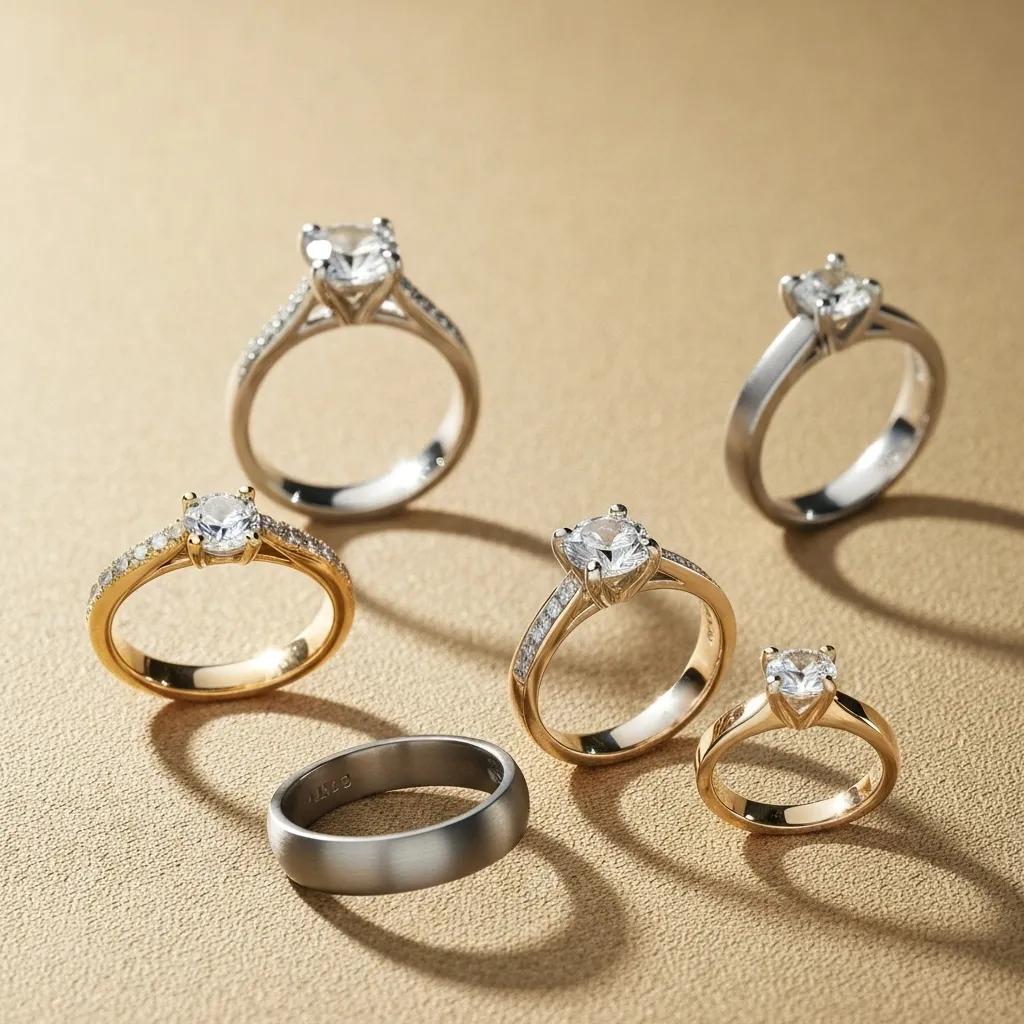
Precious metals such as platinum, gold, and palladium form the cornerstone of engagement ring construction owing to their durability, aesthetic appeal, and hypoallergenic properties. These materials set the stage for a lasting symbol of commitment and guide our examination of each option’s strengths.
Why Is Platinum Considered the Most Durable and Hypoallergenic Metal?
Platinum’s high density and natural resistance to corrosion make it exceptionally durable, while its alloy-free purity minimises skin reactions. It retains its white lustre without rhodium plating and develops a protective patina over time. This durability sets the benchmark for ring longevity.
Platinum’s Hypoallergenic Properties
Platinum is considered the most hypoallergenic metal for engagement rings due to its high purity, typically 95%, and its resistance to corrosion, which minimises skin reactions. This makes it an ideal choice for individuals with sensitive skin, as it is less likely to cause irritation compared to alloys containing nickel.
What Should You Know About Gold and Its Different Colours?
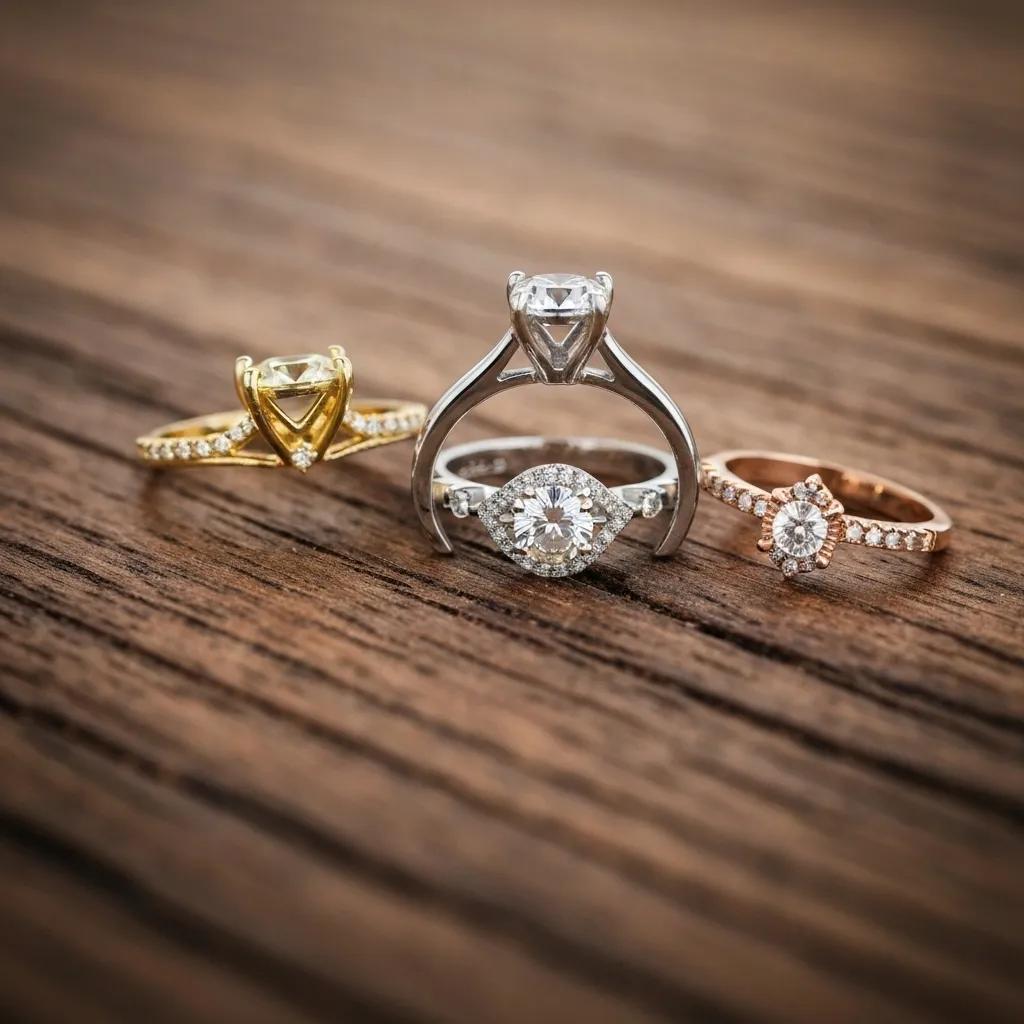
Gold alloys vary by purity and hue, influencing both appearance and price. Key distinctions include:
- Yellow gold blends gold, silver, and copper to deliver a warm classic tone.
- White gold combines gold with nickel or palladium and requires rhodium plating for a bright white finish.
- Rose gold mixes gold with copper for a pinkish hue that deepens over time.
These colour variations inform both style preference and maintenance needs, leading us to explore alloy composition.
Gold Alloy Composition and Colours
Gold alloys achieve different colours through the addition of other metals. For example, yellow gold combines gold with silver and copper, white gold combines gold with nickel or palladium, and rose gold mixes gold with copper. These variations in composition affect both the appearance and the care requirements of the metal.
How Do White Gold, Yellow Gold, and Rose Gold Differ in Composition and Care?
Each gold alloy yields unique upkeep and wear characteristics:
These care differences inform durability expectations as we shift to alternative metals.
Which Alternative Metals Are Suitable for Engagement Rings?
Modern couples often choose alternative metals for strength, affordability, and contemporary style. Understanding titanium, tungsten, and sterling silver helps match ring performance with personal taste.
What Are the Benefits and Drawbacks of Titanium Rings?
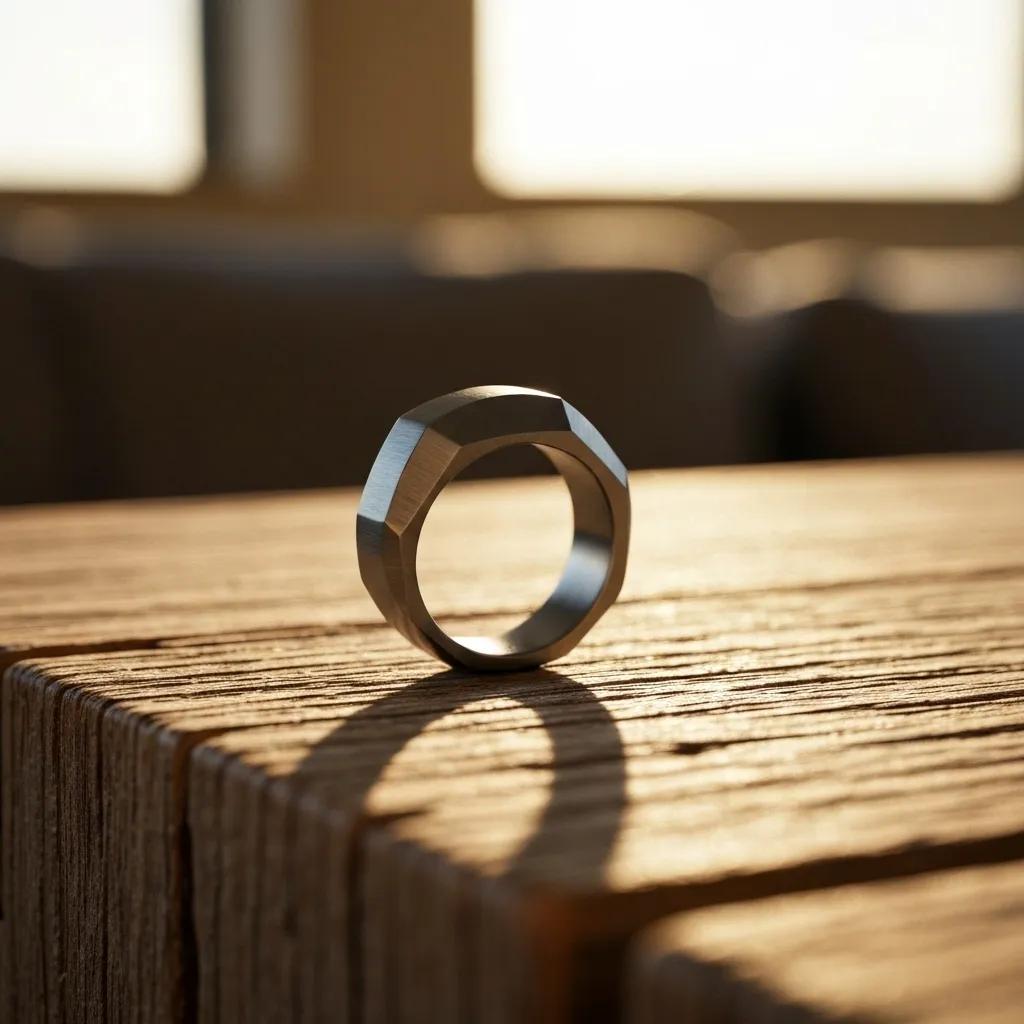
Titanium offers impressive tensile strength at a lightweight profile, ensuring all-day comfort without sacrificing durability. However, resizing can be difficult and its grey colour lacks the classic precious-metal sheen.
Titanium’s Durability and Benefits
Titanium is a popular alternative metal for engagement rings due to its impressive tensile strength, lightweight nature, and scratch resistance. It is also hypoallergenic, making it a good option for those with metal sensitivities. However, it is important to note that titanium rings can be difficult to resize.
How Does Tungsten Compare for Scratch Resistance and Durability?
Tungsten ranks near the top of the Mohs hardness scale, making it virtually scratch-proof under everyday conditions. Its rigidity, however, increases brittleness, so heavy impact may cause cracks rather than minor dings.
Should You Consider Sterling Silver for an Engagement Ring?
Sterling silver provides an affordable entry point with its bright finish, but it tarnishes and scratches more easily than other metals. Regular maintenance is essential to preserve its appearance. These trade-offs highlight why many opt for alternative durability.
How Do Durability and Lifestyle Influence Your Metal Choice?
Engagement ring longevity depends on metal hardness and wearer activity. Matching metal properties to daily routines ensures the ring endures alongside life’s milestones.
This hardness comparison guides targeted recommendations.
What Metals Are Best for Active Lifestyles and Daily Wear?
Tungsten, titanium, and platinum excel under constant movement, offering resistance to scratches and corrosion without frequent upkeep.
How Does Metal Hardness Affect Longevity and Scratch Resistance?
Higher Mohs ratings directly translate into reduced surface abrasion over years of wear, preserving finish and structural integrity.
Which Metals Require the Least Maintenance and Care?
Platinum and tungsten demand minimal upkeep due to their stable alloys, whereas gold and silver need periodic polishing or plating to remain bright.
How Can You Match Engagement Ring Metals to Your Skin Tone and Allergies?
Selecting metal in harmony with complexion and sensitivities enhances both comfort and style, avoiding irritation while boosting visual appeal.
Which Metals Are Hypoallergenic and Safe for Sensitive Skin?
Platinum, palladium, and titanium rank among the most hypoallergenic metals, as they contain negligible nickel content that commonly triggers reactions.
How Do Different Metal Colours Complement Various Skin Tones?
- Cool Skin Tones: Platinum and white gold enhance cooler complexions with silvery brightness.
- Warm Skin Tones: Yellow and rose gold accentuate warmth and offer a flattering contrast.
These tone-driven choices bridge comfort and style seamlessly.
What Are the Cost Differences Among Engagement Ring Metals?
Metal choice accounts for a significant portion of ring price, with factors like purity and rarity driving costs. Understanding price drivers helps balance budget and quality.
How Does Metal Purity Affect Price and Quality?
Higher-purity gold (18K, 24K) commands greater value but reduces hardness, while lower-purity alloys improve durability at a lower cost. Platinum typically carries a premium due to its rarity.
What Are the Most Affordable Yet Durable Metal Options?
Tungsten and titanium offer budget-friendly alternatives with exceptional scratch resistance and comfort, rivaling the performance of more expensive precious metals.
Choosing the right engagement ring metal ensures a lasting symbol that endures daily life, complements personal style, and feels comfortable against your skin. By balancing durability, maintenance, aesthetic preferences, and budget, you can select a metal that celebrates your commitment for years to come.


