
Lifetime Engagement Ring Warranty by Australian Diamond Company
The Australian Diamond Company Lifetime Warranty provides long term protection for diamond jewellery by covering manufacturing defects and supporting proactive care, giving customers clarity and peace of mind. If you are comparing options for engagement rings in Melbourne, understanding how our engagement rings warranty works helps you weigh long term support alongside design and price. This guide explains what that lifetime warranty means in plain English, how it applies to engagement rings and other diamond pieces, what it excludes, and how routine care and professional inspections preserve coverage. Many customers wonder what “lifetime” actually covers, how to make a claim, and whether they still need insurance for loss or theft; this article answers those questions with practical examples and step by step workflows. You will learn which defects are covered, clear scenarios that void the warranty, maintenance routines that keep coverage valid, the exact claim process and timelines, and how certification and ethical sourcing relate to warranty outcomes. The article uses targeted terms like engagement ring warranty, diamond warranty, lab grown diamond warranty policy and jewellery inspection services to make key points concise and searchable. Read on for actionable checklists, EAV tables that compare coverage and exclusions, and recommended next steps for protecting high value pieces.
What Does the Australian Diamond Company Lifetime Warranty Cover?
The Australian Diamond Company Lifetime Warranty covers manufacturing and workmanship faults by repairing or replacing affected items, ensuring the structure and setting of diamond jewellery remain secure. This protection operates by identifying defects that originate in production, such as poor solder joints or flawed settings, and correcting them so the piece functions as intended, which preserves wearer safety and long-term value. The benefit is straightforward: owners receive remediation for covered workmanship issues without recurring repair fees, while routine inspections help detect problems early. Below we list common covered items and include an EAV comparison table to clarify which components and faults fall under the warranty. Understanding the specific covered elements leads naturally into the types of manufacturing defects that are included.
This section lists primary coverage areas and immediate practical examples.
- Setting and Mounting: Covers failures due to workmanship that leave stones loose or at risk of loss.
- Metalwork and Joinery: Repairs solder failures, porosity, and structural defects in gold or platinum.
- Workmanship Flaws: Corrects issues like mis-set stones or inconsistent finish arising from production.
These coverage points show the warranty focuses on manufacturing faults rather than damage from external events, which we will contrast with exclusions next.
This table clarifies how the warranty maps specific manufacturing faults to remedial actions, helping owners recognise legitimate claims. The next paragraph explains the manufacturing defects that trigger these remedies in more detail.
Which Manufacturing Defects Are Included in the Lifetime Warranty?
Manufacturing defects under the Lifetime Warranty include faults that arise during production such as porosity in metal, weak solder joints, and incorrectly set stones that compromise structural integrity. These defects result from the manufacturing process and are not the product of normal wear, accidental damage, or third-party alterations; the warranty repairs or replaces items where the failure is demonstrably due to workmanship. For example, a ring that fractures along a poor solder seam during normal wear would be classed as a covered manufacturing defect and may be eligible for a complimentry repair. Documenting the defect with photos and proof of purchase assists the assessment process and expedites repair approval. Understanding these defect categories helps owners distinguish between covered workmanship failures and issues that may fall outside warranty scope.
How Does the Warranty Protect Your Diamond Engagement Ring? What Jewellery Items Are Covered Under the Lifetime Warranty?
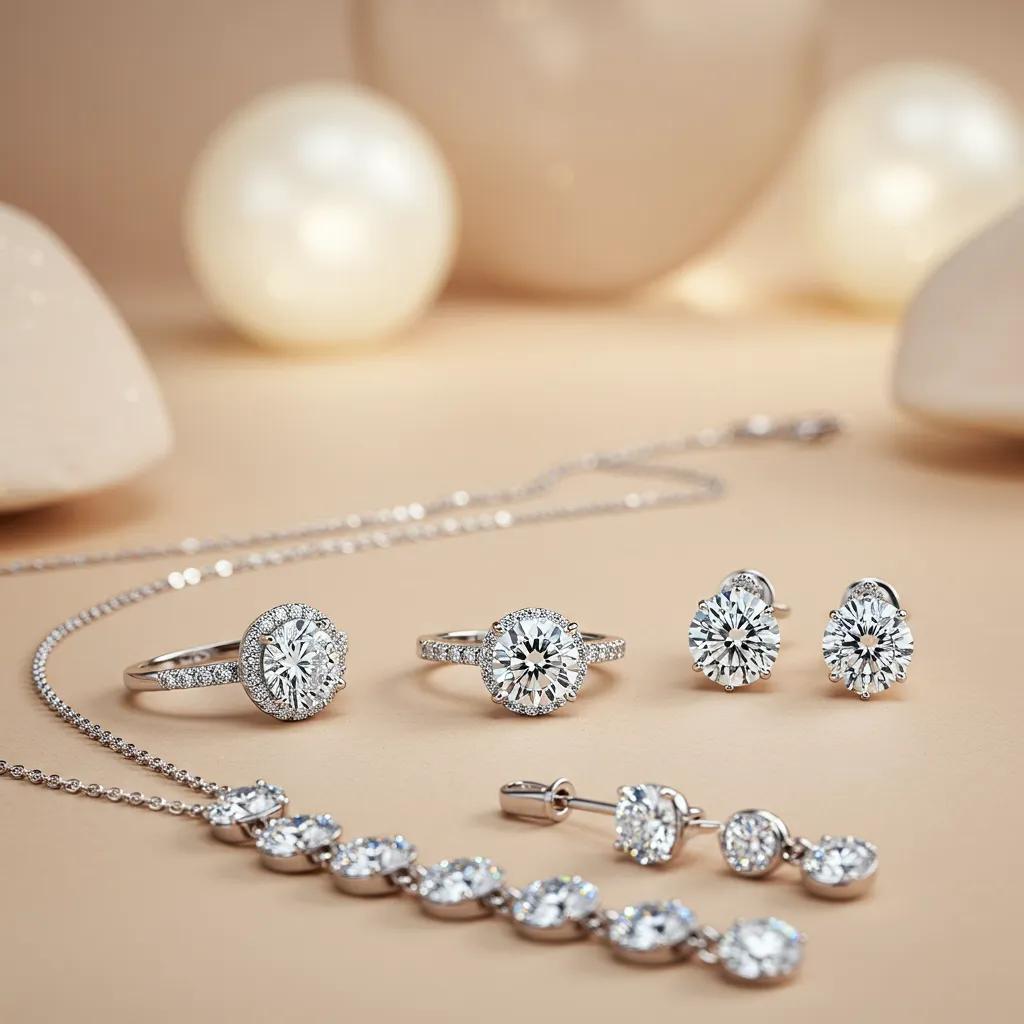
The Lifetime Warranty typically applies to diamond rings, necklaces, bracelets and earrings produced by the company where the fault can be traced to manufacturing or workmanship errors. Coverage notes vary slightly by item type, settings and mountings for rings are treated differently from chain soldering on necklaces, but the central principle is consistent: faults originating in production are eligible for remedy. Bespoke or customised pieces are covered when the defect results from manufacture, though some bespoke materials or third-party components may carry special conditions. Knowing which categories are covered helps owners plan both everyday care and decisions about insuring high-value or heirloom pieces.
What Are the Exclusions and Limitations of the Lifetime Jewellery Warranty?
The Lifetime Jewellery Warranty excludes damage arising from normal wear and tear, accidental damage, loss or theft, and unauthorised third-party alterations, so customers should understand these limits to avoid surprises. These exclusions exist because the warranty addresses manufacturing faults rather than events outside the manufacturer’s control; routine erosion of finish, scratches from everyday use, and damage from impacts are therefore generally not covered. The result is that customers should treat the warranty as a remedy for workmanship issues and use separate insurance for loss or theft. Clear examples of exclusions and scenario-based guidance follow so readers can see common borderline cases and take preventative steps that protect warranty status.
Below is a concise list of typical exclusions and why they are excluded.
- Wear and Tear: Everyday abrasion, surface scratches and polish loss are normal and excluded.
- Accidental Damage: Damage from knocks, drops or blunt force, bent bands and settings are not covered under manufacturing warranty.
- Loss or Theft: Missing items due to loss or theft require insurance rather than warranty coverage.
Which Conditions Void the Australian Diamond Company Warranty?
The warranty is voided by neglect, misuse, and unauthorised repairs or alterations that compromise the original workmanship or change the piece’s structure. For instance, having a third party alter a setting or solder additional components without authorisation typically invalidates coverage because it obscures whether subsequent faults are manufacturing related. Customers can avoid voiding the warranty by using authorised service channels for modifications and following recommended maintenance schedules. If a customer performs or commissions work outside the company, reinstatement of warranty coverage may require inspection and documented authorised repair; taking these preventive steps minimises the risk of forfeiting protection.
How Are Wear and Tear, Accidental Damage, and Loss Treated?
Wear and tear are treated as normal ageing of jewellery and are not covered under the Lifetime Warranty; owners may be offered paid polishing and refurbishment services instead. Accidental damage, such as a bent shank from a heavy impact, is usually diagnosed as outside warranty scope, though repair options and cost estimates will be provided when possible. Loss or theft is explicitly outside warranty responsibility and should be managed through a jewellery insurance policy for replacement value and claims assistance. Recognising these distinctions helps owners decide when to rely on warranty remedies and when to engage insurance or paid repair services for non-covered incidents.
Are Third-Party Alterations Covered by the Warranty?
Third-party alterations typically void the Lifetime Warranty because external work changes the item’s original construction and obscures the source of any later faults. Authorised modifications carried out by the company or agreed service partners are usually required to retain coverage; owners should seek approval before commissioning changes. If third-party work has already occurred, the company may require a professional inspection to determine what coverage, if any, remains and whether remedial work can reinstate warranty status. Understanding this policy guides owners to use authorised channels for alterations and protects long-term warranty validity.
How to Maintain Your Diamond Jewellery to Keep Your Warranty Valid
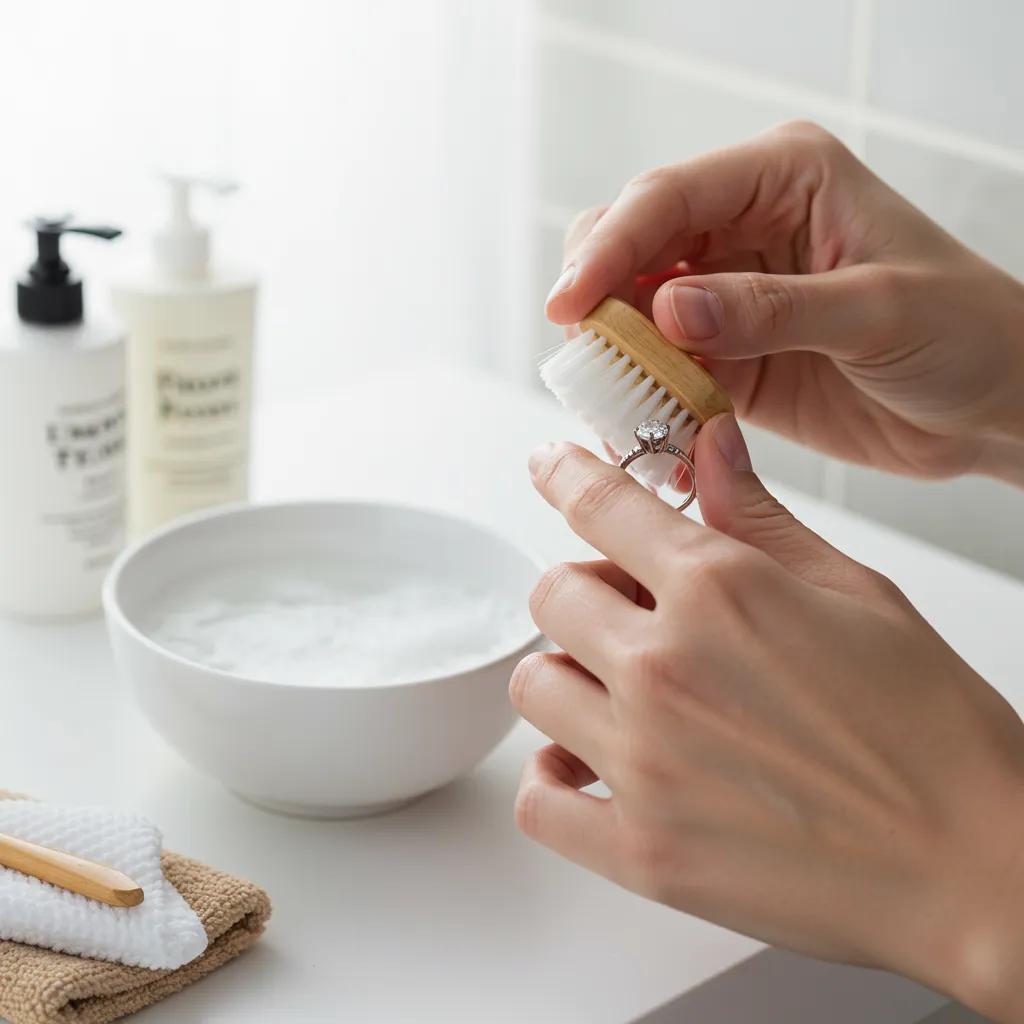
Maintaining diamond jewellery combines daily care, scheduled professional inspections, and use of complimentary maintenance services when available to meet warranty conditions and extend the life of a piece. Daily care reduces abrasive contact and exposure to chemicals, while periodic professional checks detect early signs of loosened settings or metal fatigue that indicate manufacturing or wear issues. The practical benefit is a lower risk of stone loss and fewer costly emergency repairs, which aligns with the warranty’s intent to remedy manufacturing faults rather than damage from neglect. Below are concrete care tips and inspection schedules recommended for warranty compliance.
Follow these essential maintenance steps to protect both the piece and warranty status.
- Clean Carefully: Use a mild, non-abrasive cleaner and a soft brush; avoid strong household chemicals.
- Avoid High-Impact Activities: Remove jewellery during exercise, manual labour or tasks with impact risk.
- Store Safely: Keep items in separate soft pouches or compartments to avoid abrasion and contact.
These basic practices minimise surface wear and reduce the likelihood of accidental damage, leading into inspection frequency guidance.
This table explains how routine services underpin warranty compliance and why booking these services is valuable. The next subsection outlines essential at-home care practices.
If you are still weighing up where to buy and what to look for before you commit, our guide on what you need to know before buying an engagement ring in Australia walks through the key questions to ask about quality, value and service.
What Are Essential Diamond Care Tips for Warranty Compliance?
Essential care practices include gentle daily cleaning with mild soap and warm water, avoiding exposure to chlorine or abrasive chemicals, and removing jewellery for activities that stress the setting. These steps protect metalwork and settings from accelerated wear and reduce the likelihood of accidental damage that falls outside warranty coverage. Regular at-home inspection, looking for abnormal movement in stones or visible cracks, helps owners catch issues early and book professional checks promptly. Consistent care habits support warranty validity and reduce the need for corrective repairs.
How Often Should You Have Your Jewellery Professionally Inspected?
Professional inspection every 6–12 months is recommended to maintain warranty compliance and detect manufacturing or emerging wear issues before they lead to stone loss. Items subject to frequent wear, such as engagement rings, benefit from inspections at the shorter end of that range or immediately after any noticeable impact event. Professional inspections include prong checks, setting integrity testing and assessment of metal fatigue, which directly align with warranty assessment criteria. Scheduling these inspections regularly reduces repair turnaround and preserves long-term value.
What Complimentary Cleaning and Maintenance Services Does the Company Offer?
Complimentary cleaning and periodic inspections provided by ADC support warranty care obligations by offering no-cost professional checks and surface cleaning to qualified customers; these services help identify manufacturing defects and minor adjustments before they escalate. These complimentary services typically include visual inspection, ultrasonic cleaning and minor prong re-seating where appropriate, and they allow technicians to document condition for future claims. Booking instructions and any frequency limits are managed through the company’s service channels, and using these services strengthens warranty standing. Regular use of complimentary services is a practical way to protect investment and is consistent with the Lifetime Warranty’s preventative emphasis.
Regular maintenance extends the life of a piece by preventing minor issues from becoming major repairs, which leads into why maintenance protects value.
How Does Regular Maintenance Protect Your Investment?
Regular maintenance preserves structural integrity and resale value by preventing progressive damage such as metal fatigue and stone loosening, which often start as small, fixable problems. By identifying and correcting minor defects early, through cleaning and inspection, owners avoid cascading failures that can require extensive restoration or replacement. Preventive care also documents consistent stewardship of the piece, which is valuable for future claims or insurance assessments. Maintaining jewellery proactively supports both the functional life of the item and the practical benefits of the Lifetime Warranty.
How to Make a Warranty Claim with Australian Diamond Company
Making a warranty claim follows a clear workflow: contact for assessment, provide documentation, send the item for inspection or in-store evaluation, and await repair or replacement decision; this structured process ensures transparent outcomes and predictable timelines. The mechanism works by verifying whether an issue is a manufacturing defect or excluded event, then applying the appropriate remedy under the Lifetime Warranty. Understanding required documentation, shipping precautions and expected turnaround times reduces friction and helps owners plan while their piece is serviced. A step-by-step presentation and an EAV table below explain each stage and approximate timing.
The numbered list below outlines the main steps to file a claim.
- Initial Contact: Notify the company with photos and a brief description of the fault and proof of purchase.
- Assessment: The company performs a technical evaluation or requests the item be sent for inspection.
- Repair Quotation / Approval: If covered, repairs are authorised; if not, a quotation for repair is provided.
- Return & Follow-Up: Repaired items are returned with documentation; follow-up inspections are recommended.
This clear workflow helps owners prepare documentation and choose appropriate shipping methods, which the next table summarises with expected times.
This table gives a realistic timeline for each stage, aiding customer expectations and aligning with recommended shipping and insurance practices described below. The next subsection expands each claim step with practical details.
What Are the Shipping and Handling Procedures for Warranty Services?
When shipping jewellery for warranty assessment, owners should pack items securely in protective materials, insure shipments for full replacement value and use tracked, signed-for courier services to minimise transit risk. Insuring the package protects customers against loss in transit, while tracking and signature requirements provide a clear chain of custody during assessment and repair. The company typically notifies customers on receipt and provides status updates throughout the repair process to maintain communication. Following these shipping recommendations reduces delays and supports a smooth claims experience.
How Does the Australian Diamond Company Lifetime Warranty Compare to Jewellery Insurance?
A warranty and jewellery insurance serve different protective roles: the Lifetime Warranty covers manufacturing defects and workmanship, while insurance addresses loss, theft and accidental damage with monetary replacement. The warranty obliges the manufacturer to repair or replace faults arising from production; insurance provides financial compensation for events outside the manufacturer’s control. Combining both yields the most complete protection, warranty for structural integrity and insurance for off-premises loss or high-impact incidents. Practical examples and a comparison list below help owners decide when to rely on warranty remedies and when to secure insurance.
Here are the primary differences summarised for quick reference.
- Coverage Trigger: Warranty covers manufacturing issues; insurance covers loss, theft, and accidental damage.
- Remedy: Warranty offers repair or replacement; insurance typically offers monetary compensation or replacement value.
- Cost to Owner: Warranty repairs are covered for qualifying faults; insurance premiums and deductibles apply to claims.
These distinctions guide owners on when to pursue warranty claims versus an insurance claim, and the next subsection expands on decision triggers for purchasing insurance.
What Are the Key Differences Between Warranty and Insurance Coverage?
The key difference is liability: the warranty addresses faults traceable to manufacture and assigns remedial responsibility to the company, while insurance assumes financial responsibility for unpredictable external events like theft or accidental destruction. Claims processes differ accordingly, warranty claims focus on technical assessment of workmanship, whereas insurers require proof of value and incident reports. Timeframes and outcomes also vary: warranty repairs restore the item, while insurance payouts may replace value or fund a new purchase. Recognising these differences helps owners choose complementary protections.
When Should You Consider Jewellery Insurance in Addition to the Warranty?
Consider insurance when items are worn off-site frequently, used during travel, or when pieces have significant replacement value or sentimental importance that exceeds repair options. Insurance is also recommended for loss or theft scenarios that warranties do not address; high-value stones and heirloom pieces commonly require separate insurance coverage. To insure an item, retain receipts, certification documentation and repair history as these support valuations and claims. Using insurance alongside the Lifetime Warranty provides comprehensive protection across both manufacturing faults and unpredictable external risks.
What Role Do Diamond Certifications and Ethical Sourcing Play in Your Warranty?
Diamond certifications and ethical sourcing underpin warranty assessments by providing documented provenance, grading information and traceability that assist technical evaluations and authenticity checks during claims. Certifications such as GIA or IGI establish a baseline for diamond identity and key characteristics, which help determine value and appropriate repair standards if a claim arises. Ethical sourcing practices influence manufacturing quality and transparency, enhancing confidence that materials meet expected standards and that any warranty obligations will be fulfilled responsibly. The next subsections outline how certification documents are used with claims and how lab-grown diamonds are addressed.
How Do GIA and IGI Certifications Support Your Warranty?
GIA and IGI certifications support warranty claims by documenting a diamond’s cut, colour, clarity and carat weight, which helps technicians confirm identity and assess condition relative to the original specification. Providing certification with a warranty claim expedites verification and avoids disputes about authenticity or pre-existing damage. Owners should retain certification paperwork or digital records and include them with any claim submission to strengthen the assessment. Clear documentation streamlines the claim process and can influence repair decisions and valuation outcomes.
Are Lab-Grown Diamonds Covered by the Lifetime Warranty?
Lab-grown diamonds are often treated similarly to natural diamonds when determining workmanship coverage, provided the piece and its documentation identify the stone as lab-grown and the defect is manufacturing-related. Coverage parity depends on whether the fault stems from production or external damage; the warranty’s core principle, remedying manufacturing defects, applies regardless of stone origin. Any special inspection or certification requirements for lab-grown stones will be identified during assessment, and owners should include lab-grown certification when initiating a claim. This parity ensures modern diamond technologies and ethical sourcing trends fit within warranty frameworks.
How Does Ethical Sourcing Influence Warranty and Product Quality?
Ethical sourcing strengthens product traceability and supplier vetting, which correlates with consistent manufacturing standards and reliable warranty fulfilment. When materials and supply chains are transparent, it is easier to verify provenance and production conditions during warranty assessments, which supports fair and efficient resolution of claims. Ethical sourcing also signals investment in quality control at the supplier level, reducing the incidence of manufacturing defects that prompt warranty claims. Emphasising sourcing standards therefore contributes to long-term product reliability and customer confidence in warranty outcomes.
Why Choose Australian Diamond Company for Your Lifetime Jewellery Investment?
Choosing the Australian Diamond Company for a lifetime jewellery investment aligns buyers with a retailer that pairs diamond craftsmanship with a Lifetime Warranty and complementary care services that protect ownership value over time. The company’s Lifetime Warranty serves as an authoritative protection for covered defects and is supported by complimentary maintenance and inspection services designed to detect issues early and keep coverage valid. Personalised consultations and bespoke design options integrate warranty registration and certification into the purchase process, helping owners maintain documentation for future claims.
Key warranty and service benefits are summarised here to guide decision-making.
- Lifetime Protection for Manufacturing Defects: Repairs or replacements for workmanship faults help secure long-term value.
- Complimentary Maintenance Services: Free cleaning and periodic inspections support proactive care and warranty compliance.
- Personalised Support and Consultation: Tailored advice on care, insurance recommendations and documentation management.
These benefits illustrate the company’s approach to long-term jewellery stewardship and lead into how the personalised experience supports warranty outcomes.
What Unique Benefits Does the Lifetime Warranty Offer?
The Lifetime Warranty offers concrete benefits such as covering manufacturing defects without recurring repair fees, providing documented repair standards, and linking complimentary care services that help detect faults early. This combination reduces the total cost of ownership and preserves both sentimental and resale value by ensuring pieces are maintained to consistent technical standards. Clear documentation and condition reports produced during service also make future claims or insurance assessments more straightforward. Highlighting these benefits helps owners prioritise regular care and makes the warranty a core part of long-term jewellery strategy.
How Does the Company Provide a Personalised Jewellery Experience?
The company provides a personalised experience through consultations, bespoke design options and a purchase process that integrates warranty registration and certification submission, ensuring every item has documented provenance. This flow supports long-term care by linking bespoke choices to specific maintenance schedules and warranty terms, which reduces ambiguity in future claims. Personalised service includes tailored advice on inspection timing, insurance considerations and safe handling practices that align with each owner’s lifestyle. These personalisation steps help maintain warranty validity and enhance long-term satisfaction.
What Do Customers Say About Their Warranty Experience?
Customers consistently report that structured warranty processes, clear communication during claims and complimentary maintenance services contribute to confidence in their jewellery investment. Anonymised case summaries commonly highlight prompt assessment, transparent repair decisions and follow-up inspections that restored piece integrity with minimal hassle. These themes: speed of response, clarity of outcome and quality of repair, demonstrate the practical value of pairing a Lifetime Warranty with consistent care. Positive experiences encourage owners to maintain inspection schedules and document services, which further safeguards coverage and value.
Once you understand what our Lifetime Warranty covers and how to keep it valid, the next step is to choose a piece that deserves that level of protection. Explore our diamond engagement rings to compare designs, diamond grades and settings that are all crafted to meet the standards required for long term warranty support.


