
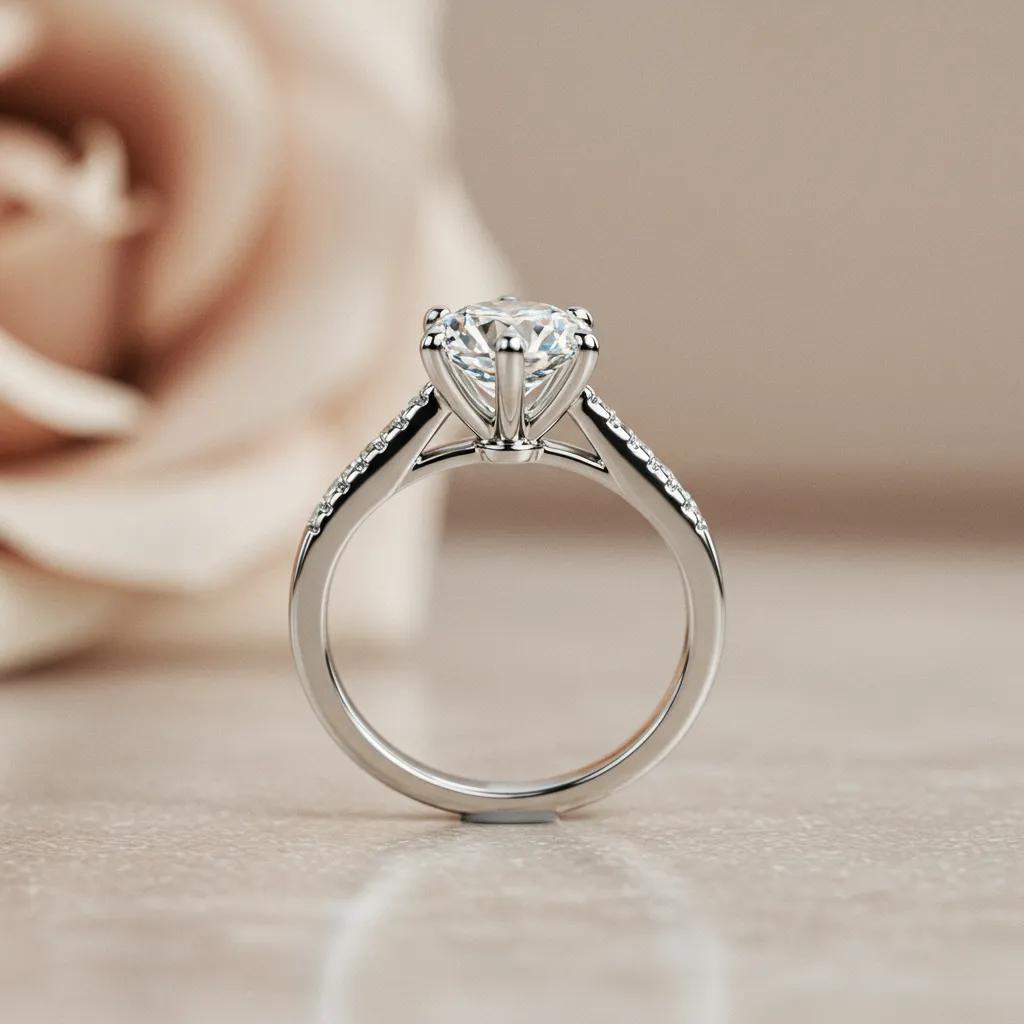
2-Carat Diamond Rings: Pricing & Sizes – Australian Diamond Company
A 2 carat diamond equals 0.4 grams of pure gemstone weight and represents a meaningful step up in rarity and visual impact compared with smaller centre stones, which is why buyers seek clear guidance on price, size and selection. If you would like to see how these numbers translate into real pieces, browse our 2 carat diamond engagement rings to compare 2 carat designs alongside smaller and larger centre stones. This guide explains pricing bands, the face up dimensions of common 2 carat shapes in millimetres, the 4Cs specifically for 2 carat stones, and ring setting choices that balance brilliance, security and style. Many shoppers struggle to translate carat weight into on finger presence and to decide where to trade off colour, clarity or shape to maximise sparkle within budget. This article solves that by mapping typical price ranges, showing size to mm conversions, recommending 4C targets for different buyer priorities, comparing lab grown and natural options, and outlining certification checks to verify quality. You’ll find comparison tables for price and dimensions, concise buying lists to guide decisions, and practical tips for choosing settings, metals and verification steps before purchase. Throughout, keywords like 2 carat diamond engagement ring, 2 carat loose diamond and 2 carat diamond ring price are used naturally to help you make a confident, well documented purchase.
How Much Does a 2 Carat Diamond Cost? Price Ranges and Influencing Factors
A 2 carat diamond’s cost depends primarily on the 4Cs, cut, color, clarity, and carat, as well as shape, origin (natural vs lab-grown), and certification; together these attributes determine market price per carat and total value. Cut quality often drives visible sparkle and can command premium pricing even if color or clarity is slightly lower, while color and clarity changes near common thresholds produce steep price steps around 2.00 carats. Market demand, retailer margins, and certification lab also influence final cost, so two visually similar stones can differ materially in price. Understanding these drivers helps buyers allocate budget efficiently and identify where small grade compromises preserve visual impact without disproportionate expense. Below are the main price drivers and a short list of practical factors to evaluate when comparing 2 carat options.
What determines the price of a 2 carat diamond is a combination of objective measurements and market perceptions, and focusing on the attributes below helps explain typical price spreads.
- Cut quality: Excellent/GIA Ideal cuts preserve brilliance and typically cost more.
- Color grade: Higher color (D-F) increases cost; near-colorless (G-H) often balances value.
- Clarity grade: Eye-clean grades (VS2-VS1) offer value; loupe-visible inclusions raise discounts.
- Shape and yield: Round cuts command premiums due to cutting loss; fancy shapes can be less expensive.
- Origin and certification: Natural diamonds usually cost more than lab-grown equivalents; reputable certificates affect price confidently.
These price influences clarify where buyers can optimize; next we compare natural vs lab-grown price behaviour and offer a price-range table to illustrate typical bands.
What Determines the Price of a 2 Carat Diamond?
Price is determined by the interplay of the 4Cs, shape, certification, and market origin, with cut typically having the largest visible impact and color/clarity shifting price in stepped thresholds. Cut grade alters light return and face-up appeal, meaning an Excellent cut can look significantly brighter than a Good cut at the same weight; this brightness often justifies higher per-carat pricing. Color and clarity affect both the appearance and rarity; moving from G to D or from VS2 to VVS2 produces clear price increases due to scarcity and consumer preference. Shape influences yield from rough: round brilliants cost more because more rough is consumed, while elongated shapes often offer better face-up size for the same carat. Certification validates these attributes; a verified report from a recognised lab reduces price uncertainty and supports higher asking prices.
Understanding these drivers lets buyers prioritise attributes that maximise perceived value, and the next subsection compares natural and lab-grown pricing so you can weigh the trade-offs.
If you want a broader view of how different sizes and qualities compare, our guide to engagement ring prices in Australia explains typical price ranges across a variety of carat weights and styles.
How Do Natural and Lab-Grown 2 Carat Diamonds Compare in Price?
Natural 2 carat diamonds typically command higher prices per carat than lab-grown counterparts because natural supply and perceived rarity increase market value, while lab-grown production efficiencies and growing market acceptance generally lower cost. The typical differential varies by shape and quality tiers but can be substantial at equivalent 4C grades, making lab-grown stones an attractive option for buyers prioritising size or budget. Lab-grown diamonds provide near-identical chemical and optical properties yet often retail at a discounted rate, reflecting different supply chains and market positioning. Certification for lab-grown stones should explicitly state origin, which helps explain price differences and ensures transparent comparisons when shopping.
Comparing natural vs lab-grown price bands allows buyers to decide whether to invest the premium for natural origin or leverage cost savings for larger size or higher cut quality in a lab-grown option.
Can You Maximise Your Budget When Buying a 2 Carat Diamond?
Maximising budget for a 2 carat diamond requires strategic trade-offs: prioritise cut and face-up spread, accept slightly lower colour if pairing with warm metals, and choose eye-clean clarity grades to avoid paying for microscopic perfection. Examples of budget optimisation include selecting an elongated fancy shape (oval, pear, marquise) to increase perceived size, choosing G-H colour with a platinum or white-gold setting when slight warmth is acceptable, or opting for VS2 clarity where inclusions are not visible to the naked eye. Another tactic is to consider lab-grown diamonds to reallocate savings to superior cut or a premium setting. Whatever approach, set firm priorities, sparkle, colourlessness, or absolute clarity, and negotiate around the remaining attributes.
These budget strategies prepare you for shape-specific pricing differences, which are laid out in the next table showing typical price range tiers by shape.
What Are Typical Price Ranges for Different 2 Carat Diamond Shapes?
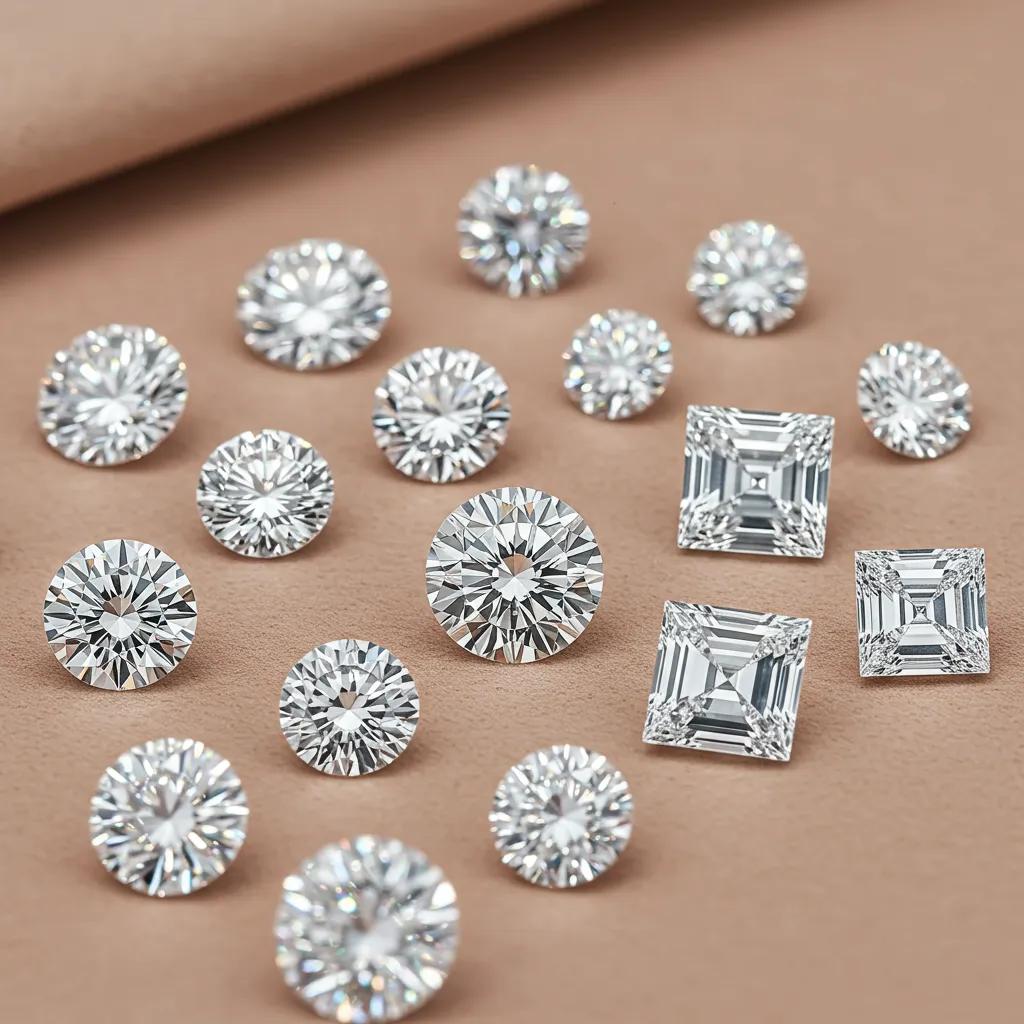
Different shapes command different premiums due to cutting yield, popularity, and demand, with round brilliants generally most expensive and some fancy shapes offering better value per carat. The following table summarises typical comparative ranges to illustrate relative cost differences for similarly graded 2 carat stones; ranges are approximate and intended for budgeting and comparative decision-making.
This comparison clarifies how shape influences price; next, we translate carat into actual size so you can visualise on-finger presence.
What Is the Actual Size of a 2 Carat Diamond? Dimensions and Visual Impact
A 2 carat diamond’s face-up dimensions depend on shape and cut proportions; the same weight can produce varied millimeter diameters, which directly affect perceived size and finger coverage. Round brilliant 2.00 ct stones typically measure in a defined mm diameter range, while elongated shapes like oval or marquise concentrate weight differently to appear larger face-up. Finger size, shank width, and setting style influence the perceived presence of a 2 carat centre stone; a thin shank and low-profile setting maximise visual spread, whereas wide shanks reduce emphasis. Knowing shape-to-mm relationships helps buyers select stones that deliver desired on-hand impact without overspending on unnecessary carat weight. Below are precise mm conversions for common shapes to guide expectations and visual comparisons.
The next subsection provides a compact table of typical millimeter ranges for common 2 carat shapes to support selection.
How Big Is a 2 Carat Diamond in Millimeters?
A 2 carat round brilliant typically measures around 8.0–8.3 mm in diameter, while fancy shapes vary: oval and pear shapes often present longer dimensions (e.g., 10–12 mm length depending on ratio) that increase perceived size. Cut depth and pavilion proportions alter face-up size: a shallower cut spreads weight and increases diameter while a deeper cut concentrates weight into depth and reduces face-up measurements. Exact mm values depend on a stone’s table, depth, and length-to-width ratio, so buyers should compare measurements on certificates rather than relying on carat alone.
Intro: The following EAV-style table maps common shapes to representative mm dimensions for typical 2.00 carat proportions.
Summary: These dimensions show how shape and cut proportions create meaningful differences in on-finger presence for 2 carat stones and explain why measurement comparison is essential before purchase.
Which 2 Carat Diamond Shapes Appear Larger on the Finger?
Elongated shapes such as oval, marquise, and pear typically appear larger face-up than a round of the same carat weight because length-to-width ratios create more visible surface area and perceived spread. A higher length-to-width ratio enhances apparent size but can also create a bow-tie effect in some cuts, affecting light performance. Choosing a balanced ratio, that maximises face-up area while preserving optical performance, helps achieve the largest apparent size without visible optical compromises. Settings that show more table area and minimise surrounding metal also amplify perceived size.
These shape perception factors guide practical selection; next, examine how finger size alters appearance and proportion choices.
How Does Finger Size Affect the Appearance of a 2 Carat Diamond?
Finger size strongly influences how a 2 carat diamond looks: the same stone will dominate a small finger more conspicuously than a larger hand, and proportion recommendations help maintain balanced aesthetics. For smaller fingers, thinner shanks and lower-profile settings keep scale appropriate while still emphasising the centre diamond; for larger hands, broader shanks or additional side stones help maintain proportional harmony. Visual examples comparing small, medium, and large ring sizes illustrate these effects and assist in selecting a setting that complements both stone size and wearer proportions.
Understanding finger proportion leads into distinguishing weight from visual size, which is essential when comparing stones with similar carat weights.
What Are the Differences Between Weight and Size in 2 Carat Diamonds?
Carat measures weight while millimeters measure face-up size; cut depth and pavilion design determine how much of a diamond’s weight shows on the surface versus below the girdle. Two 2 carat diamonds can therefore have noticeably different apparent diameters: a shallow-cut stone may face-up larger, while a deep-cut stone may appear smaller despite equal weight. Buyers should compare measurements and depth percentages on certificates and, when possible, view stones in person or via 360° video to assess real face-up presence versus nominal carat weight.
These distinctions emphasise why certificate measurements and light performance matter when choosing a visually impactful 2 carat diamond.
What Are the 4Cs for a 2 Carat Diamond? Cut, Color, Clarity, and Carat Explained
The 4Cs, cut, color, clarity, and carat, form the foundation for evaluating 2 carat diamonds, and prioritising them correctly determines visual performance and price efficiency. Cut influences brilliance and should be prioritised for sparkle, color affects hue perception particularly in larger stones, clarity impacts visibility of inclusions which become more noticeable at larger sizes, and carat controls rarity and price jumps near round numbers like 2.00 carats. For 2 carat buyers, recommended grade bands often balance: Cut, Excellent; Color, G–H for white-metal settings or I–J if yellow metal is chosen; Clarity, VS2–VS1 or eye-clean SI1 depending on the stone and shape. The following list summarises recommended 4C priorities for different buyer goals to clarify trade-offs.
Practical recommendations help buyers choose the right balance for sparkle, colourlessness, and price.
- Sparkle-first buyers: Prioritise Excellent cut, accept G–H color, VS2 clarity.
- Budget-focused buyers: Prioritise cut, accept I–J color and SI1 clarity if eye-clean.
- Colorless preference: Opt for D–F color with VS1–VVS1 clarity and Excellent cut.
These target bands guide selection; next we detail cut-grade impacts on brilliance.
How Does Cut Grade Affect a 2 Carat Diamond’s Brilliance?
Cut grade governs light return, fire, and scintillation, which are the observable qualities that define a diamond’s brilliance, making cut the most visually significant of the 4Cs for a 2 carat stone. An Excellent or Ideal cut maximises face-up brightness and can conceal slightly lower color or clarity better than a poor cut can, so prioritising cut often yields a more attractive stone per dollar. Price implications arise because top-cut grades are rarer and more costly; however, buyers typically achieve greater perceived value by spending more on cut and saving modestly on color or clarity where acceptable.
Recognising cut’s primacy helps explain suggested color and clarity bands provided in the next subsection.
What Color Grades Are Ideal for 2 Carat Diamonds?
Color grades for 2 carat stones are chosen with setting metal and personal preference in mind: G–H often delivers a white appearance in platinum or white-gold settings while offering cost savings; I–J can be an excellent value in yellow or rose gold where warmth hides slight body color. Color perception increases with stone size, so larger diamonds expose hue differences more readily, making a conservative color choice prudent for those who want absolute neutrality. Pairing color grade to metal and setting style allows buyers to cut cost without sacrificing visible whiteness.
These color strategies inform appropriate clarity selection, which is explored next.
Which Clarity Grades Are Recommended for 2 Carat Diamonds?
For 2 carat diamonds, eye-clean clarity grades such as VS2–VS1 are frequently recommended because they balance price and appearance: inclusions at these grades are typically invisible to the naked eye while remaining substantially less expensive than VVS or IF stones. SI1–SI2 can be acceptable when the stone is eye-clean and the inclusion position is favourable; step-cuts like emerald or asscher demand higher clarity due to their open facets. Buyers should review plotted inclusion diagrams on certificates and request videos or 360° imagery to confirm eye-clean status before purchase.
Evaluating clarity together with cut and color allows an optimised selection for both visual performance and budget, which leads into how carat weight affects rarity and price.
How Does Carat Weight Influence Overall Diamond Quality?
Carat weight creates rarity thresholds that magnify price per carat around popular weights; a 2.00 carat stone is rarer and often priced disproportionately higher per carat than a 1.9 carat stone with similar 4Cs. Small weight differences near 2.00 carats can therefore lead to significant price jumps, so buyers sometimes choose slightly below or above the threshold to balance cost and visual impact. Carat interacts with other Cs: larger stones display color and inclusions more readily, so cut, color, and clarity choices should be tightened as carat increases to maintain a desirable appearance.
Understanding the interplay of all 4Cs prepares buyers to evaluate shapes and their unique features.
What Are the Most Popular 2 Carat Diamond Shapes and Their Unique Features?
Popular 2 carat shapes each offer different visual signatures: round brilliants maximise brilliance, ovals and pears extend perceived size, princess cuts present a modern square profile, and step-cuts like emerald create elegant flashes emphasising clarity. Buyer considerations include desired brightness, face-up size, setting compatibility, and maintenance: points on pears or marquises require protective settings while step-cuts need high clarity. When selecting a shape, evaluate length-to-width ratios, potential bow-tie effects on elongated cuts, and how the shape fits with personal style and ring design. The next list summarises pros and cons for common shapes to aid selection.
- Round Brilliant: Superior sparkle; typically highest cost.
- Oval & Pear: Greater face-up length; perceived larger for same carat.
- Princess: Contemporary square look; efficient yield lowers cost.
- Emerald/Asscher: Step-cut sophistication; clarity prioritised.
These pros/cons inform specific comparisons that follow.
How Does a Round Brilliant 2 Carat Diamond Compare to Other Shapes?
The round brilliant is the benchmark for light performance, delivering the most scintillation and fire due to its facet structure, but it often costs more per carat because of cutting yield and demand. Fancy shapes can offer equal visual appeal at a lower price, particularly when they maximise face-up area or suit personal style preferences, though some may show different optical effects such as bow-ties in ovals or marquises. Availability and resale perception also influence shape choice: rounds remain most liquid while rare fancy shapes can attract niche premiums.
Comparing round vs other shapes helps buyers decide if paying a premium for ultimate brilliance matches their priorities.
What Are the Benefits of Oval and Pear-Shaped 2 Carat Diamonds?
Oval and pear shapes elongate the finger and often present a larger face-up appearance relative to their carat weight, making them efficient for buyers prioritising visible size. Recommended length-to-width ratios vary by taste, ovals often between 1.3–1.6, pears around 1.4–1.8, and these ratios affect symmetry and perceived elegance. Buyers should examine potential bow-tie areas and choose stones where light performance remains strong across the table.
These elongated shapes are also highlighted in setting recommendations to maximise on-finger impact.
Why Choose Emerald or Asscher Cut for a 2 Carat Diamond?
Emerald and Asscher cuts are step-cuts that emphasise broad flashes of light and require higher clarity and color standards because inclusions and hue are more visible through large, open facets. Their vintage and art-deco aesthetic appeals to buyers prioritising sophistication over maximum brilliance, and settings that accentuate the geometric lines, such as bezel or cathedral styles, complement these cuts. The clarity premium is justified by the unique, elegant visual character that step-cuts provide.
Step-cut choices tie directly to clarity and setting decisions, which are explored in the next subsection.
How Do Heart and Marquise Shapes Affect 2 Carat Diamond Appeal?
Heart and marquise shapes offer distinctive fashion and emotional appeal: hearts convey symbolism and require precise symmetry, while marquise emphasises dramatic length and finger-elongation. Both shapes demand careful setting decisions, protective prongs or bezels for points and scalloped settings for hearts, to avoid damage and to maintain visual balance. Buyers seeking statement pieces often choose these shapes for their uniqueness, but they should verify symmetry and check for bow-tie effects or irregular faceting that can reduce light performance.
Choosing the right shape naturally leads into selecting a complementary setting for a 2 carat centre.
How to Choose the Perfect 2 Carat Diamond Engagement Ring Setting?
The ideal setting for a 2 carat diamond balances appearance, security, and comfort: solitaires focus attention on the centre stone, halos and pavé increase perceived size and sparkle, and three-stone styles add symbolic balance and additional carat weight. Setting choice affects maintenance and durability, thin pavé can trap dirt while heavy halos require cleaning to preserve brilliance, so buyers should weigh daily wear against desired aesthetics. Metal selection also matters: platinum offers durability and hypoallergenic properties while yellow or rose gold can mask lower color grades. The list below outlines setting benefits and trade-offs to guide selection.
- Solitaire: Minimalist, highlights centre stone, easier maintenance.
- Halo: Enhances perceived size, adds sparkle, increases maintenance.
- Pavé: High sparkle, delicate appearance, requires careful upkeep.
- Three-stone: Symbolic, balances visual weight, adds cost with side stones.
After weighing settings, consider concrete advantages of solitaire designs in the next subsection.
What Are the Advantages of Solitaire Settings for 2 Carat Diamonds?
Solitaire settings showcase the centre diamond with minimal metal, maximising visual focus and making the stone appear prominent on the finger. Prong styles, such as four- or six-prong, affect security and visibility, six-prong settings can protect higher-value stones while four-prong settings maximise exposure for light. Solitaires are also versatile across shapes and are typically easier to resize and service, making them a practical long-term choice. For those prioritising the stone itself, a well-executed solitaire balances elegance and durability.
This leads naturally to how halo and pavé settings amplify perceived size and sparkle.
How Do Halo and Pavé Settings Enhance a 2 Carat Diamond’s Appearance?
Halo and pavé settings surround the centre stone with smaller diamonds, creating a larger apparent centre and increasing overall sparkle through added facets and light return. Halos can add significant face-up visual weight and make a 2 carat centre look even bigger, while pavé bands create continuous shimmer around the finger. Trade-offs include increased maintenance, potential for stone loss in pavé work, and higher cost for additional diamonds, but for many buyers the perceived size and brilliance justify the investment.
Understanding these trade-offs helps when considering three-stone options described next.
What Are the Features of Three-Stone Settings for 2 Carat Diamonds?
Three-stone settings pair a central 2 carat diamond with two side stones that can balance visual weight and add symbolic meaning, often representing past, present, and future. Side stones can be tapered baguettes, round brilliants, or mixed gemstone accents, and proportional sizing rules help maintain harmony, side stones are typically smaller so the centre remains the focal point. The added carat weight and symmetry create a substantial, luxurious appearance but also increase price and maintenance requirements.
Considering metal pairings is the final element when choosing a ring configuration.
Which Metal Types Best Complement 2 Carat Diamond Rings?
Metal choice affects color perception, durability, and aesthetic: platinum suits buyers seeking a stark white backdrop and long-term durability, white gold provides a similar look at lower cost with periodic re-plating, while yellow and rose gold can flatter warmer color grades and create vintage or romantic styles. Hardness and scratch resistance differ, platinum is dense and durable but can develop a patina; 18k gold provides richness while 14k gold offers greater scratch resistance. Matching metal to color grade and lifestyle ensures the finished ring looks cohesive and wears well.
If you want to see setting examples or discuss custom options, consider contacting a specialist who can show certified setting illustrations and sizing recommendations.
Why Consider Lab-Grown 2 Carat Diamonds? Ethical, Cost, and Quality Insights
Lab-grown 2 carat diamonds are chemically and optically equivalent to natural diamonds but differ in origin, pricing, and supply chain traceability, offering a compelling alternative for buyers prioritising size or cost. Environmental and ethical benefits often cited include reduced mining impact and clearer chain-of-custody, though lifecycle assessments vary and should be reviewed in context. Certification for lab-grown stones is essential to confirm origin and quality attributes, and reputable reports will state whether a stone is lab-grown. For many buyers in 2025, lab-grown options enable either a larger centre stone or a higher cut grade for the same budget, creating strong value propositions.
This section explains chemical parity and the practical considerations buyers should weigh.
How Do Lab-Grown 2 Carat Diamonds Compare Chemically and Visually to Natural Diamonds?
Lab-grown diamonds share the same crystal lattice, chemical composition, and optical properties as natural diamonds, so they display equivalent brilliance and hardness when cut and polished to similar standards. Only specialised gemological testing can reliably differentiate origin, and certificates should explicitly identify growth method. Visually, a well-cut lab-grown diamond will perform indistinguishably from a natural stone to the naked eye, making them an attractive option for buyers who prioritise appearance and size.
Given this parity, environmental and ethical benefits form a core rationale for lab-grown consideration.
What Are the Environmental and Ethical Benefits of Lab-Grown Diamonds?
Lab-grown diamonds typically avoid the mining processes associated with natural diamonds, which can reduce certain environmental impacts and enhance traceability and conflict-free assurances; however, energy use and production methods vary and lifecycle assessments should be consulted. Ethically, lab-grown origin eliminates many sourcing concerns and simplifies transparency across the supply chain. Buyers seeking lower mining-related impacts or assured conflict-free provenance often find lab-grown stones align with those values, though nuanced evaluation of production practices is recommended.
Certification specifics for lab-grown stones help buyers confirm these benefits, as discussed next.
How Does Certification Work for Lab-Grown 2 Carat Diamonds?
Certification for lab-grown diamonds follows similar reporting structures to natural stones but must explicitly state origin; reputable labs provide measurements, cut, color, clarity, and a clear notation when a diamond is laboratory-grown. Key certificate fields to verify include carat weight, cut grade, color, clarity, measurements, and a unique report number that can be checked with the issuing lab. Buyers should request and review the certificate before purchase and ask for additional imagery that matches report measurements.
Verifying certificates ensures transparency and supports reliable price comparisons between lab-grown and natural 2 carat options.
Are Lab-Grown 2 Carat Diamonds a Good Value for Engagement Rings?
Lab-grown 2 carat diamonds often represent strong value for buyers who want maximum face-up size or superior cut quality within a constrained budget, allowing reallocation of savings to settings or upgrades. Buyer profiles who benefit most include those prioritising size, ethical sourcing, or cost efficiency. For others who prefer natural-origin stones for emotional or resale reasons, the premium for natural diamonds may be acceptable; both options require rigorous certificate checks and careful 4C balancing.
These value considerations naturally lead to why certification matters for any high-value 2 carat purchase.
How Important Is Certification for 2 Carat Diamonds? Understanding GIA and IGI Reports
Certification is crucial when buying a 2 carat diamond because the report documents the stone’s attributes, carat, cut, color, clarity, measurements, and inclusions, and provides an objective basis for valuation, insurance, and resale. GIA reports are widely regarded for consistency in grading, while IGI is often used for lab-grown stones; understanding differences in market perception helps buyers interpret pricing and negotiation. A valid certificate reduces risk when purchasing online or from distant sellers by enabling independent verification of reported measurements and plotted inclusions. The checklist below highlights the essential certificate fields every buyer should verify before purchase.
- Report number: Verify in the issuing lab’s database.
- Carat weight and measurements: Confirm match to the stone.
- Cut, color, clarity grades: Use these to compare like-for-like.
- Inclusion plot and comments: Locate potential eye-visible features.
- Origin statement: Especially important for lab-grown stones.
These checks prepare buyers to interpret GIA reports in detail, starting with what a GIA certificate includes.
What Information Does a GIA Certification Provide for a 2 Carat Diamond?
A GIA certificate lists carat weight, cut grade, color grade, clarity grade, precise measurements, depth/table percentages, polish and symmetry assessments, fluorescence, and an inclusion plot with a unique report number that can be verified with the laboratory. These elements together allow objective comparison between stones and support insurance appraisals and resale valuation. For 2 carat stones, measurements and inclusion plots are particularly important because they clarify face-up size and internal features that affect price and appearance.
Knowing the full contents of a GIA report helps buyers compare stones rigorously and confidently.
How Does IGI Certification Differ from GIA for 2 Carat Diamonds?
IGI certification is commonly used, particularly for lab-grown diamonds, and while it provides similar fields, carat, color, clarity, measurements, the market sometimes perceives IGI grading as more lenient than GIA in certain cases, which can affect price expectations. IGI reports remain useful, especially when they accompany lab-grown stones that require clear origin statements, but buyers should consider the issuing lab’s market reputation when comparing prices and grades. For high-value purchases, some buyers prefer the consistency and market recognition of GIA grading.
These lab differences emphasise why verification matters, next we list practical online verification steps.
Why Is Certification Crucial When Buying a 2 Carat Diamond Online?
Certification is the primary safeguard for online purchases because it documents the stone’s attributes independently and supports authentication, price justification, and legal recourse if discrepancies arise. Buyers should verify the report number with the issuing lab, request high-resolution images and 360-degree videos that match certificate measurements, and confirm return and inspection policies. Certificates also aid in obtaining insurance and help ensure the stone received matches the description.
Proper verification reduces purchasing risk and enables confident comparison across retailers.
How to Verify the Authenticity of a 2 Carat Diamond Certificate?
Verifying authenticity involves checking the report number against the issuing lab’s database, comparing certificate measurements and plotted inclusions to seller imagery, requesting a matching inscription on the diamond’s girdle if available, and asking for additional provenance or chain-of-custody documentation. Red flags include reluctance to share certificates, mismatched measurements, or absence of a verifiable report number. Always request supplementary 360-degree imagery or video to confirm the stone matches the certificate before finalising a high-value purchase.
These verification steps ensure you can trust certificate claims and proceed with purchase confidence.
What Are the Latest Trends and Market Insights for 2 Carat Diamonds in 2025?
As of 2025, demand for larger centre stones like 2 carats has increased alongside improved availability of high-quality lab-grown stones, creating more options for buyers who want size, cut quality, or ethical assurances at varied price points. Market trends include greater adoption of virtual try-on tools, 360-degree imagery for remote inspection, and price transparency features such as price-per-carat filters. Lab-grown production improvements have lowered costs for large sizes, while natural diamond pricing continues to reflect long-term scarcity and market sentiment. The next list outlines current retail innovations buyers should expect when shopping for 2 carat stones.
- Virtual try-on and augmented reality visualisers that show 2 carat stones on different hand sizes.
- 360-degree videos and high-resolution imaging for remote verification of face-up performance.
- Interactive price-per-carat filters and downloadable price charts for budgeting.
These features improve buyer confidence and support more data-driven decision-making; finally, consider practical steps retailers should offer below.
Why Are 2 Carat Diamonds Increasing in Popularity?
Cultural preferences for visually impactful engagement rings, social media emphasis on standout stones, and improved price accessibility through lab-grown options have driven increased interest in 2 carat diamonds. Buyers seeking a balance of presence and quality often view 2 carat stones as aspirational yet achievable, especially when trade-offs in color or clarity are managed intelligently. Market availability of well-cut, eye-clean stones has also improved, enabling broader adoption.
Rising popularity coincides with lab-grown market evolution discussed next.
How Is the Lab-Grown Diamond Market Evolving for 2 Carat Stones?
The lab-grown market continues to expand for larger carat sizes as production scales and cost-per-carat declines, making high-quality 2 carat lab-grown diamonds more accessible. Production refinements produce fewer color and clarity variances, increasing availability of premium cuts in larger sizes. Market acceptance grows as certification and traceability improve, enabling buyers to choose lab-grown stones with confidence.
These supply and demand shifts influence current price trends for natural vs. lab-grown stones.
What Are Current Price Trends for Natural vs. Lab-Grown 2 Carat Diamonds?
Recent trends show lab-grown 2 carat diamonds generally retail at lower price-per-carat rates than natural equivalents, allowing buyers to either save money or allocate budget to superior cut or settings. Natural diamond prices remain supported by scarcity and market perception, with premiums for top grades and rounds. Buyers should monitor price-per-carat filters and downloadable price charts to compare offers and negotiate based on comparable 4C attributes.
Transparent pricing tools help buyers make informed comparisons; next we summarise retailer improvements.
How Are Online Retailers Enhancing the 2 Carat Diamond Buying Experience?
Online retailers increasingly offer virtual try-on, 360-degree videos, interactive filters by price-per-carat and 4C attributes, and clear certificate matching to replicate in-person inspection and reduce purchase friction. Shoppers should demand certificate verification, high-resolution media matching the report, and reasonable return policies for high-value purchases. For assistance with selection, request guided consultations or virtual appointments where specialists review certificates and imagery in detail.
For those ready to explore certified 2 carat options, request a price sheet or virtual try-on session through your chosen jeweller to compare certified listings and confirm measurements and certificates before purchase.
Diamond Pricing: Carat Weight Elasticity and Price Thresholds
The price of diamonds increases markedly with the carat weight, with a price elasticity equal to 1.94. However, estimates from unconditional quantile regressions show that the price-weight elasticity is not constant since it rises along the price distribution of diamonds. Finally, we observe the existence of significant increases in prices for diamonds featured with round weights compared to gems just below these threshold weights.
Understanding diamond pricing using unconditional quantile regressions, N Vaillant, 2013
Once you have a clear sense of 2 carat pricing and how the 4Cs affect value, explore our diamond engagement rings in Melbourne to see which designs, shapes and settings deliver the look you want within your budget.


