
Engagement Ring Value & Price Guide – Australian Diamond Company
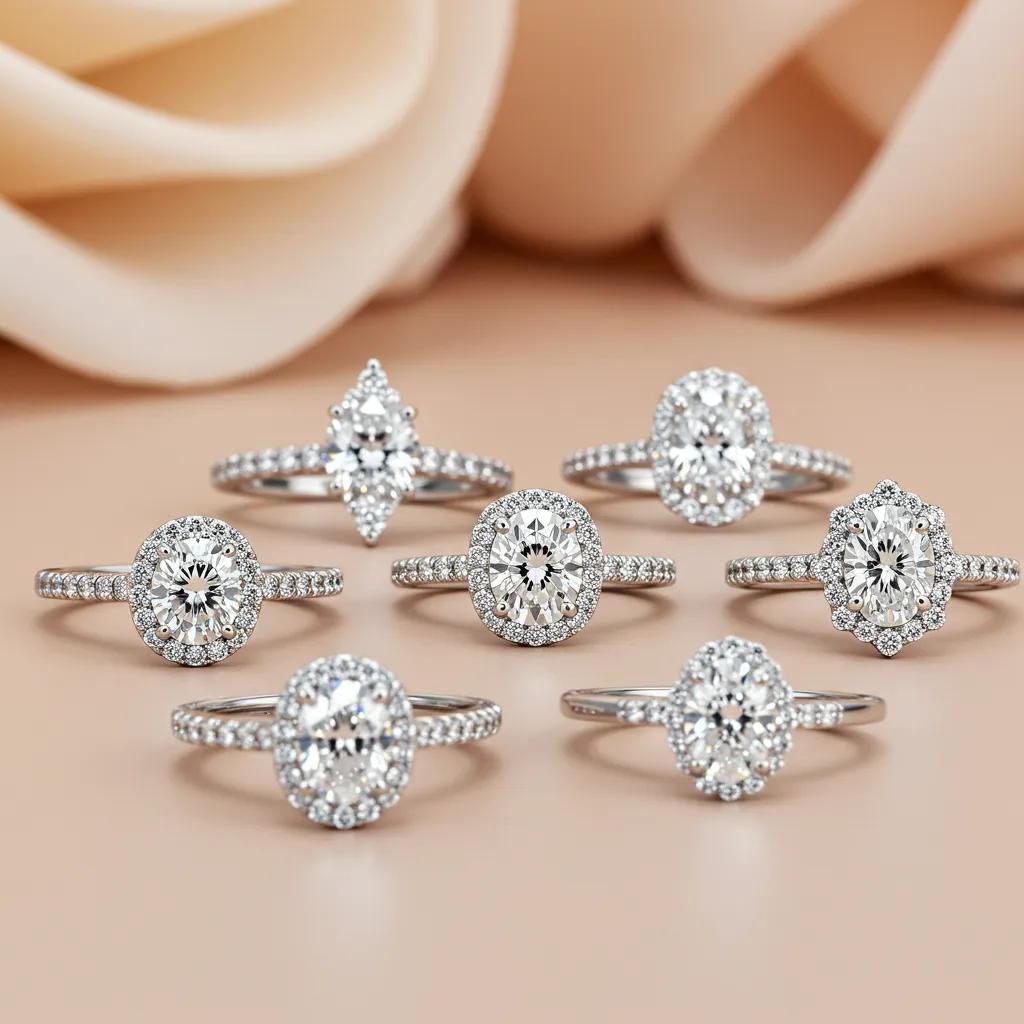
Choosing an engagement ring means finding the perfect balance of enduring quality, clear pricing, and personal style to ensure you feel completely confident in your selection. If you would like to see how these principles play out in real designs, browse our engagement rings in Australia to compare styles, price points and quality across a curated range of pieces. This guide will help you compare how leading Australian jewellers present value and how to assess offers across the market. You’ll discover what truly defines diamond and ring quality, how to compare different price points and retailer types, the key distinctions between natural and lab-grown diamonds, and which styles and metals are shaping trends and perceptions in 2025. Many shoppers find it challenging to translate technical details like the 4Cs, certification specifics, and setting artistry into tangible value. This article breaks down these elements, provides step-by-step comparison methods, and offers handy checklists to simplify your decision-making. We’ll also explore how in-person consultations and personalised service can enhance your buying experience and offer real-world price examples to illustrate typical market offerings. The guide is structured with clear H2 sections covering quality indicators, price comparison frameworks, the natural vs. lab-grown debate, 2025 style trends, how to select the right jeweller, and best practices for evaluating rings online versus in-store. Throughout, we’ve integrated key phrases like “engagement ring price comparison Australia” and “how to compare diamond quality across retailers” to help you find exactly what you’re looking for.
What Defines Engagement Ring Quality in Australia?
The quality of an engagement ring in Australia is determined by a combination of diamond characteristics (the 4Cs), the precision of the ring’s craftsmanship and finishing, the reliability of its certification reports, and the ethical sourcing and metal provenance that build buyer confidence and influence long-term value. Each element plays a distinct role: the 4Cs impact the diamond’s visual appeal and price; craftsmanship affects its durability and wearability; certification validates its assessed grades; and ethical sourcing ensures traceability and brand integrity. Together, these factors shape the ring’s perceived and objective worth, so it’s crucial to evaluate them holistically. The following sections delve into the 4Cs, signs of excellent craftsmanship, the importance of certification, and ethical sourcing checks, equipping you with a practical system for comparing offers.
How Do the 4Cs Shape Diamond Quality?
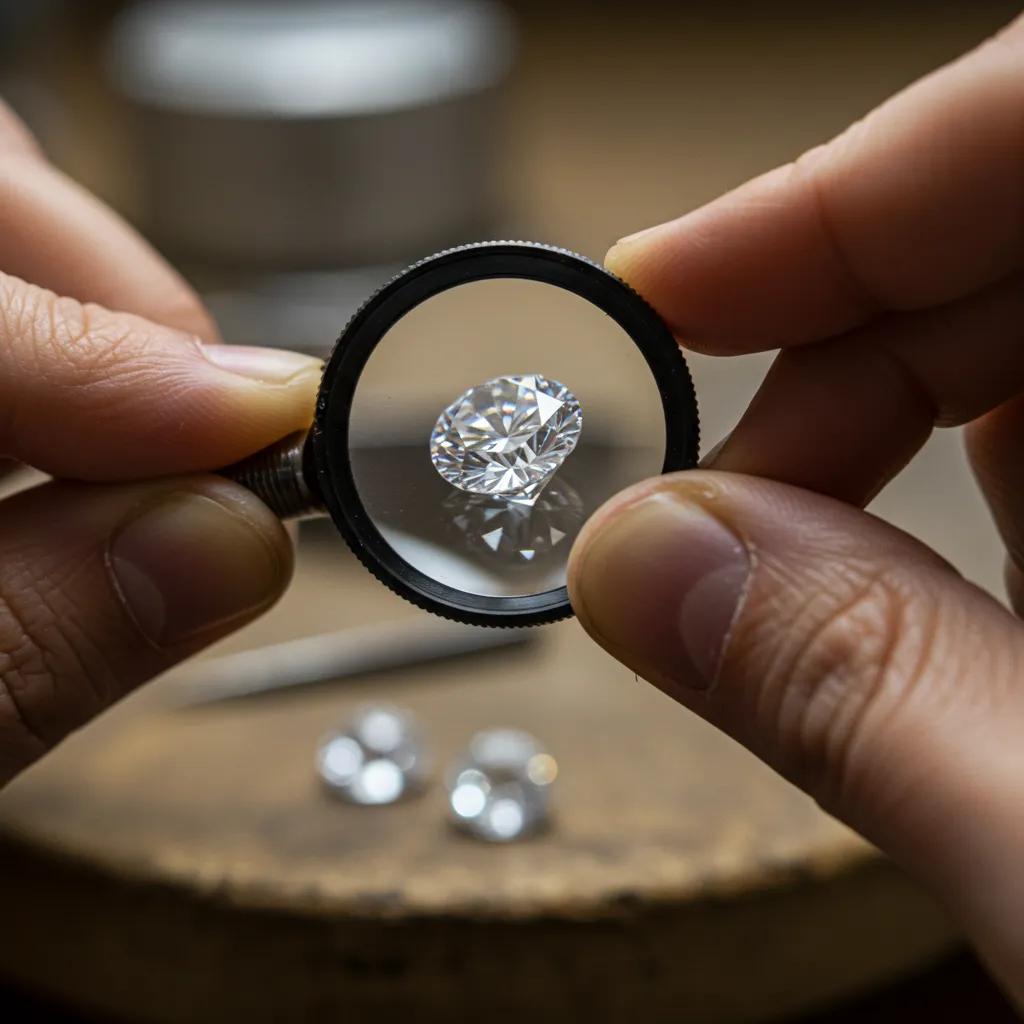
The 4Cs: Cut, Colour, Clarity, and Carat are the universal standards for assessing diamond quality, describing its brilliance, hue, internal purity, and size. Each C significantly influences the diamond’s appearance and price. Cut is paramount, dictating how light interacts with the stone to create sparkle and often having the most dramatic visual impact for a given carat weight. Colour and clarity affect the diamond’s face-up appearance and can be strategically balanced with cut to maximise perceived brilliance. Carat weight increases price exponentially, with notable price jumps occurring at common thresholds like 0.50ct or 1.00ct. The price-per-carat typically escalates at these points, meaning a slightly smaller diamond with a superior cut can appear larger and more brilliant for less cost. Practical advice suggests prioritising cut for solitaire rings, accepting a slightly lower colour grade if the cut is exceptional, and focusing on clarity grades that ensure no visible inclusions rather than striving for flawless perfection. These strategic trade-offs are key to making smart price comparisons between retailers.
This introductory table outlines how each ‘C’ influences consumer perception and pricing, before we explore the finer points of craftsmanship.
What Role Does Craftsmanship Play in Ring Quality?
Craftsmanship encompasses the security of the setting, the quality of the metal finishing, the symmetry of the design, the precision of the prongs, and the overall integrity of the ring’s construction. Subpar workmanship can diminish the beauty and longevity of even the finest diamond. Expertly crafted settings (such as flush, bezel, or secure prong settings), clean solder joints, and perfectly symmetrical stone placement not only protect the diamond from damage but also enhance the ring’s comfort and perceived value. Key indicators of quality include uniformly shaped prong tips, seamless gallery work, smooth inner bands, and the absence of visible tool marks. These details translate to superior daily wear and can positively impact resale value. Understanding craftsmanship allows you to assess whether a retailer’s price accurately reflects the ring’s build quality, which is particularly important when comparing online offerings with pieces curated in a showroom.
The practical checklist below highlights craftsmanship details to look for, whether you’re viewing a ring in person or examining high-resolution images, leading seamlessly into the verification of certification details.
- Examine prong geometry for secure fit and uniform tips.
- Feel the inner band for smoothness and consistent metal finish.
- Confirm symmetry and precise stone alignment, especially under magnification.
How Are Certifications Like GIA and IGI Important?
Certifications from reputable laboratories like GIA and IGI provide an independent, standardised assessment of a diamond’s 4Cs, often including precise measurements and inclusion plots. These reports lend significant weight to grading accuracy and influence resale expectations. A certificate allows you to verify a diamond’s reported specifications, compare similar stones across different retailers, and identify any discrepancies, such as mismatched measurements or missing report numbers. When evaluating a diamond, always confirm the lab name, report number, and key details like cut grade, colour, clarity, measurements, and proportions. Prioritise diamonds with traceable report IDs. As grading standards can vary slightly between labs, understanding the reputation of each lab helps calibrate your assessment of value. Reviewing certificates complements in-person craftsmanship checks, as a strong certificate combined with excellent build quality typically signifies fair pricing and reduced purchase risk.
This focus on certification sets the stage for our next topic: how ethical sourcing integrates with certification to create a complete framework of trust.
Why Is Ethical Sourcing Essential for Quality Rings?
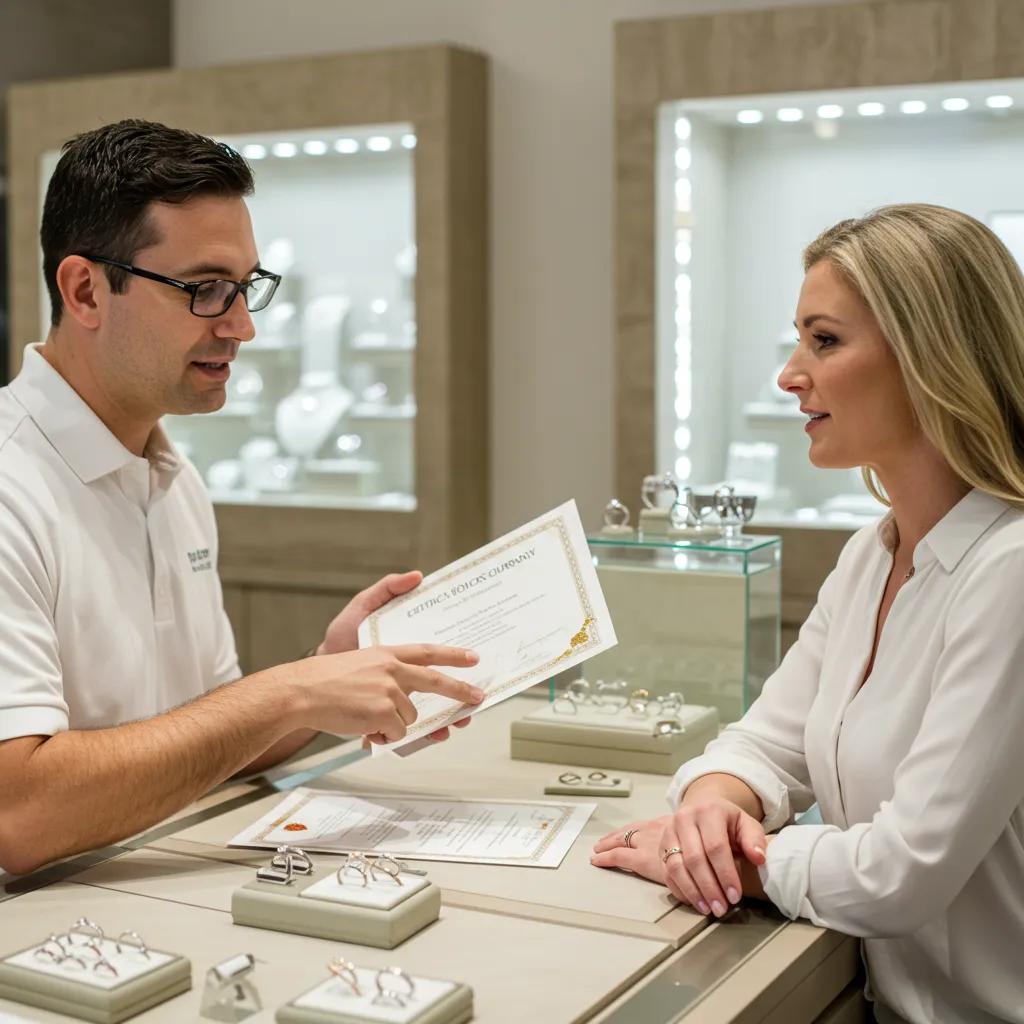
Ethical sourcing, encompassing conflict-free diamonds, verifiable chain-of-custody, and the use of recycled metals, is crucial for building consumer confidence and ensuring long-term value through traceability and socially responsible practices. Retailers who openly share their sourcing policies and provide evidence of third-party audits allow buyers to validate their claims. Documented provenance not only mitigates reputational risk but also aligns your purchase with your personal values. For those prioritising sustainability, look for explicit sourcing statements, clear disclosure of whether diamonds are natural or lab-grown, and options for recycled metals. These attributes often influence pricing predictably due to supply chain costs. Considering the ethical dimension alongside technical assessments ensures that a high-quality diamond, backed by transparent sourcing, offers the most comprehensive assurance of value when comparing jewellers.
A structured comparison of price drivers follows, illustrating how these quality attributes translate into retail pricing differences.
How to Compare Engagement Ring Prices Across Australian Retailers?
To effectively compare prices across Australian jewellers, you need a framework that distinguishes between the cost of the stone (driven by the 4Cs), the setting and labour, retailer overheads (showroom versus online), and any brand premium. Using a standardised checklist allows for like-for-like comparisons. Begin by establishing baseline specifications: shape, carat, cut grade, colour, and clarity. Then gather itemised quotes that detail stone specifications, metal type, and labour costs. Consistent specifications are essential for meaningful price-per-carat or price-per-specification comparisons. Consider price brackets for popular styles and factor in showroom premiums and custom design fees to assess true value rather than just the headline price. The following sections will explain key pricing factors, carat weight dynamics, typical price ranges for various styles, and how custom design influences the total cost.
What Are the Key Pricing Factors for Engagement Rings?
The primary factors influencing engagement ring prices include the diamond’s 4Cs, the choice of metal, the complexity of the setting, labour costs, and the retailer’s operational model (physical showroom versus online). Diamonds, particularly their carat weight and cut quality, represent the largest portion of the cost. Metal choice (e.g., platinum versus gold) and intricate settings add to both material and labour expenses. Showroom-based jewellers typically price to cover their overheads, while online retailers may offer lower prices due to reduced overheads but must build trust through strong certification and return policies. Understanding how each factor contributes to the final price allows you to normalise offers and compare rings with similar visual appeal but different price tags on a fair basis.
This list details the operational and quality-related pricing drivers to consider during your comparisons.
- Diamond Specifications: The 4Cs and the grading laboratory determine the base cost of the diamond.
- Setting Complexity: Styles like halos, pavé bands, and intricate vintage designs increase labour requirements.
- Metal Choice: Platinum generally commands a higher price per gram than gold.
- Retail Model: Showroom operational costs versus online savings impact profit margins.
Use these drivers to request detailed quotes and compare across different retailer types, which will help you observe the price curves associated with carat weight.
The introductory table below provides typical price ranges and 4C specifications for common retailer types to facilitate quicker comparisons.
How Does Diamond Carat Weight Affect Price?
Carat weight influences price non-linearly because market demand tends to concentrate around popular weight thresholds, leading to significant price increases at half and full-carat marks. Consequently, the price-per-carat rises sharply with size. For instance, the jump from a 0.90ct to a 1.00ct diamond can incur a disproportionately higher premium compared to incremental weight gains elsewhere. Savvy buyers often target stones slightly below these thresholds to maximise value. It’s generally advisable to prioritise cut quality over marginal carat increases for a better face-up appearance; an excellently cut 0.90ct diamond can look as impressive as a poorly cut 1.00ct diamond, but at a lower cost. When comparing retailer prices, always calculate the price-per-carat and adjust for cut quality and certificate reliability to avoid being misled by headline carat-based pricing.
This brief checklist explains how to apply carat pricing knowledge during negotiations and selection.
- Calculate price-per-carat for a direct, like-for-like comparison.
- Compare stone measurements and visual spread, not just carat weight.
- Prioritise excellent cut to maximise perceived size and brilliance.
If you would like a deeper breakdown of typical price brackets, our guide to engagement ring prices in Australia explains common ranges across different carat weights, diamond qualities and styles.
What Is the Price Range for Popular Ring Styles in Australia?
Popular engagement ring styles such as solitaires, halos, vintage-inspired designs, three-stone settings, and pavé bands have distinct typical price ranges due to variations in setting complexity and the labour involved. Solitaire rings offer a broad price spectrum depending on the centre stone’s specifications but generally involve less intricate labour. Halo and vintage styles, however, incorporate additional smaller stones and detailed metalwork, which increases the overall cost. Sample starting prices can provide a benchmark for market entry points and help normalise comparisons across different jewellers. For example, bespoke pieces from boutique showrooms with exclusive designs are typically priced higher due to the custom finishes. When comparing styles, always request itemised costs for the centre stone, any accent stones, and labour to understand where the price increases originate.
This short list summarises the typical style-to-price implications.
- Solitaire: Lower labour cost; price is primarily determined by the centre stone’s specifications.
- Halo: Increased cost due to the addition of smaller accent stones and more intricate labour.
- Vintage: Higher labour costs associated with detailed metalwork, engraving, and restoration techniques.
How Does Custom Design Impact Engagement Ring Cost?
Opting for custom design typically involves additional fees for design work, prototype creation, potential CAD modelling, and increased labour, which can elevate the total cost but results in a unique, highly personalised piece. The custom design process usually includes initial consultation, design sketches or CAD renderings, client approval, and final manufacturing with rigorous quality checks. This staged approach helps manage both cost and the final outcome. Buyers should budget for design fees and any necessary adjustments, and request phased quotes to maintain control over the project scope. Bespoke elements like hand-engraving or complex pavé settings will incur incremental labour charges. Weigh the premium for customisation against the intrinsic value of uniqueness and the potential to precisely prioritise the 4Cs, thereby enhancing perceived value within your budget.
This discussion prepares you to evaluate whether custom options offer better long-term value than off-the-shelf pieces. Concrete examples will follow when we discuss diamond origin choices.
What Are the Differences Between Natural and Lab-Grown Diamonds in Australia?
Natural and lab-grown diamonds share many optical similarities, but they differ significantly in their origin, market pricing, resale expectations, and certain ethical considerations that buyers should carefully weigh. Lab-grown diamonds typically offer comparable visual performance at a lower price point due to manufacturing efficiencies and different market dynamics. Natural diamonds, on the other hand, retain their value based on historical scarcity and market demand. Reputable certification labs grade both types, but clear disclosure of origin is essential. The following sections will examine quality parity, affordability, and ethical aspects to help you decide which diamond type best aligns with your priorities.
How Does Quality Compare Between Natural and Lab-Grown Diamonds?
When comparing quality, lab-grown diamonds can achieve the same standards of cut, colour, and clarity as natural diamonds. Modern growth methods produce stones with virtually identical optical properties, and reputable grading labs provide consistent assessments for many attributes. Subtle differences may be observed in inclusion patterns or growth characteristics visible under high magnification, but these rarely impact the diamond’s face-up appearance to the unaided eye. Regardless of origin, buyers should focus on cut quality and the details provided on the certificate, as visual brilliance is primarily determined by proportions and polish. Understanding these parallels allows consumers to prioritise appearance and certification when comparing stones from different origins and retailers.
This verification checklist for lab-grown versus natural grading will help you assess claims and certificates accurately.
- Confirm that the diamond’s origin (natural or lab-grown) is clearly stated on the certificate.
- Compare cut grades and precise measurements for stones of similar specifications.
- Request magnified photos or arrange for in-person viewing to examine inclusion patterns.
Are Lab-Grown Diamonds More Affordable in Australia?
Lab-grown diamonds are generally more affordable, often costing a significant percentage less than comparable natural diamonds. These savings can vary by carat weight and quality but commonly range into double-digit percentage reductions. Market dynamics, certification transparency, and consumer demand all influence the exact discount. Some sizes and qualities exhibit larger price gaps as the supply of lab-grown diamonds increases. For budget-conscious buyers focused on visual appeal, lab-grown diamonds can offer greater perceived size or higher cut grades for the same price point compared to natural diamonds. When comparing offers, always request like-for-like certificates and calculate the price-per-carat, adjusted for origin, to determine the true savings.
This short list summarises key affordability considerations.
- Price Comparison: Always compare certificate-matched stones using price-per-carat for an accurate assessment.
- Resale Expectation: Natural diamonds may retain a higher resale premium relative to lab-grown diamonds.
- Certification Clarity: Ensure the origin is explicitly disclosed to avoid mispricing or misunderstandings.
What Ethical Considerations Affect Diamond Choice?
Ethical considerations encompass conflict-free sourcing for natural diamonds, the environmental and energy footprint of lab-grown production processes, and the use of recycled metals and supply chain transparency for both types. Buyers prioritising social responsibility should inquire about retailers’ chain-of-custody policies, third-party audits, and options for recycled or responsibly sourced metals. While lab-grown diamonds eliminate many conflict concerns associated with mining, they may have different environmental impacts depending on their energy sources. A straightforward verification checklist can help ethics-focused buyers validate claims and ensure their purchases align with their personal values.
Ethics verification checklist:
- Request the retailer’s sourcing policy and details of any third-party audits.
- Confirm clear disclosure of the diamond’s origin (lab-grown versus natural).
- Inquire about recycled metal options and traceability for the ring setting.
Which Engagement Ring Styles and Trends Are Popular in Australia for 2025?
For 2025, Australian buyers are favouring oval solitaires, hidden halos, vintage-inspired detailing, three-stone arrangements, and warm-toned metals like yellow or rose gold. This reflects a blend of timeless silhouettes and a growing appreciation for personalised, vintage aesthetics. Style trends can influence perceived value and price, as certain shapes, metals, or intricate designs may command premium craftsmanship or require additional accent stones. Metal trends include a resurgence of yellow gold and continued demand for durable platinum, both impacting the ring’s appearance and cost. Buyers should align their metal and style choices with their lifestyle and maintenance preferences. The following sections highlight top designs, compare the effects of different metals, and explain the increasing appeal of vintage and custom styles.
What Are the Most Sought-After Ring Designs in Australia?
The most popular designs for 2025 include oval solitaires, celebrated for their flattering finger coverage and perceived size; hidden halo settings, which add sparkle without a visible halo; vintage engagement rings featuring milgrain and filigree for a unique touch; three-stone rings symbolising past, present, and future; and minimalist bezel settings, ideal for active lifestyles. Each design carries distinct labour and setting complexities that affect price. For example, hidden halos and vintage filigree involve more intricate metalwork than a classic solitaire. Buyers select designs based on aesthetics, symbolism, and practicality, balancing their desired look with expected maintenance and cost. Understanding these trade-offs helps shoppers choose styles that align with both their budget and daily wear requirements.
This list offers design-to-budget guidance:
- Oval solitaire: Maximises perceived size; moderate labour cost.
- Hidden halo: Enhances sparkle; involves extra labour for micro-pavé or intricate gallery work.
- Vintage: High labour cost for hand-finishing and detailed engraving; commands a premium for craftsmanship.
How Do Metal Choices Like Gold and Platinum Affect Style and Price?
Metal choices significantly impact a ring’s durability, colour palette, and overall cost. Platinum is denser and typically more expensive per gram than gold. Yellow gold offers a warm hue that can beautifully complement diamonds, sometimes even masking slight colour tints. Rose gold provides a distinctive, on-trend colour and is generally priced similarly to yellow or white gold, depending on the alloy and market fluctuations. White gold often features a rhodium plating that requires periodic maintenance, whereas platinum maintains its colour but may develop a unique patina over time. Lifestyle considerations such as daily wear intensity, skin sensitivity, and willingness to maintain the piece should guide your metal selection, as these factors influence long-term value and satisfaction. Choose your metal by balancing aesthetic preference with budget and practical wear concerns.
A quick list of pros and cons for metal selection:
- Platinum: Exceptionally durable, higher cost, hypoallergenic.
- Yellow gold: Warm, classic aesthetic, moderate cost, can enhance diamond brilliance.
- Rose gold: Trendy, unique tone, similar cost to yellow gold, offers a romantic look.
Why Are Vintage and Custom Styles Gaining Popularity?
Vintage and custom styles are increasingly sought after because they offer unparalleled uniqueness, rich personal storytelling, and sustainability benefits, especially when utilising reclaimed or recycled metals. Today’s buyers often seek rings that reflect their individual narratives rather than mass-produced designs. Custom work provides precise control over the 4Cs and setting details, allowing buyers to strategically allocate their budget to the most visually impactful attributes and to create true heirloom pieces. These options typically require longer lead times and may incur additional costs for design and specialised finishing, but many buyers view this premium as an investment in individuality and lasting satisfaction. For shoppers considering these options, thoroughly reviewing custom designers’ portfolios and understanding their process transparency is essential before making a commitment.
A brief checklist outlines additional considerations for custom or vintage purchases.
- Confirm lead times and establish a phased approval process for custom work.
- Request clear, itemised pricing for any restoration or bespoke elements.
- Verify the provenance of metals when reclaimed or recycled materials are specified.
How to Choose the Best Engagement Ring Retailer in Australia?
Selecting the ideal retailer involves evaluating their reputation, the transparency of their certification and pricing, the availability of showroom consultations, their custom design capabilities, and the quality of their after-sales services, which are crucial for protecting your investment. Assess jewellers based on objective indicators such as itemised quotes, readily available certificates, visible craftsmanship, and clear returns/warranty policies rather than solely on branding. These indicators help predict long-term satisfaction and potential resale value. Personalised consultations and custom design services often provide added assurance through in-person evaluation and tailored recommendations. The following sections offer practical checks for assessing reputation, explain the value of consultations (using a factual example from ADC), and list essential after-sales guarantees to prioritise.
What Should You Look for in a Jeweller’s Reputation and Expertise?
Indicators of a jeweller’s strong reputation include transparent presentation of certificates, clearly photographed craftsmanship details, verified customer reviews with dated photo evidence, and demonstrated expertise in custom design and ethical stone sourcing. Red flags to watch for include vague specifications, missing report numbers, or reluctance to provide laboratory documentation, as these gaps increase purchase risk. Verify claims by requesting certificates, inspecting pieces in person whenever possible, and checking for consistent workmanship across multiple items in their showroom or detailed online gallery. These verification steps minimise uncertainty and prepare you to recognise the value of personalised consultation services as the next crucial indicator of quality.
How Important Are Personalised Consultations and Custom Design Services?
Personalised consultations and custom design services are invaluable because they allow you to view stones face-up in real light, test settings for comfort, and refine designs with expert guidance, thereby reducing the risk of misaligned expectations. Consultations facilitate informed trade-offs between the 4Cs, setting complexity, and budget, often leading to greater long-term satisfaction as choices are tailored specifically to the wearer. As an example of a consultation-driven approach, Australian Diamond Company (ADC), a Melbourne-based jeweller established in 1982, excels in offering expert personalised consultations and custom design services. Their exclusive collections and bespoke offerings exemplify how a consultative process can guide choices that perfectly balance visual impact and value. Consultations also empower you to request detailed itemised quotes and select appropriate certification standards.
What After-Sales Services and Guarantees Matter?
Essential after-sales services to prioritise include comprehensive warranties covering manufacturing defects, resizing and polishing services, clear and fair returns policies, and trade-in or upgrade options that protect your long-term investment. Reasonable service timeframes and transparent conditions for warranty coverage are important for convenience and managing future ownership costs. Always request written service commitments from retailers such as complimentary first-year check-ups or discounted maintenance to ensure ongoing care and protection of the workmanship. Having these service guarantees in place reduces risk and provides recourse should any issues arise, which is particularly vital when purchasing higher-value stones or bespoke pieces.
Why Choose Australian Diamond Company for Your Engagement Ring Purchase?
Australian Diamond Company (ADC) stands out as a premier showroom jeweller committed to ethically sourced, conflict-free diamonds, transparent 4Cs-based pricing, exclusive collections, and bespoke custom design services, including personalised consultations in their Melbourne showroom. ADC’s core value propositions centre on meticulous craftsmanship, advanced custom design capabilities, and a physical showroom experience that facilitates in-person stone evaluation and collaborative design. Notable product examples include their exclusive “Adele” and “Amelia” styles, both starting from $3,900.00 inc. GST for a 0.30ct, colourless, SI graded diamond. These price points illustrate how ADC presents accessible starting prices for their curated collections. For buyers seeking a consultation-led selection process and a commitment to ethical sourcing, ADC’s integrated showroom and custom services model offers a clear benchmark for the retailer attributes to prioritise.
How Does ADC Ensure Quality and Ethical Sourcing?
ADC outlines its approach as fundamentally centred on ethical, conflict-free sourcing and the use of recognised certification standards to guarantee stone quality and provenance. These practices are designed to foster consumer trust and ensure traceability. The company combines certificate-based transparency with in-person assessments, enabling buyers to reconcile lab reports with the diamond’s face-up appearance and the ring’s craftsmanship. ADC’s emphasis on the 4Cs in its pricing structure and disclosed examples reflects a transparent pricing philosophy that aids buyers in making like-for-like comparisons with other retailers. Nevertheless, it is always recommended to request certificates, provenance documentation, and itemised quotes when evaluating ADC or any other jeweller to independently verify stated claims.
What Custom Design Options Does ADC Offer in Melbourne?
ADC offers custom design as a collaborative, consultation-led process where clients discuss their preferences, approve designs, and review prototypes within their Melbourne showroom. This hands-on approach allows for the careful selection of stones, settings, and finishes. The typical workflow progresses from an expert personalised consultation to detailed CAD or sketch proposals, followed by client feedback and final manufacture with thorough quality checks. This staged process helps effectively manage both cost and the final outcome. Showroom sessions provide the invaluable opportunity to view similar stones side-by-side and assess setting options under natural light, minimising potential surprises after the ring is completed. This consultative process highlights how custom design expertise, combined with a physical showroom presence, delivers bespoke pieces precisely tailored to individual aesthetic and budget priorities.
How Transparent Is ADC’s Pricing Compared to Other Retailers?
ADC states that its pricing is firmly based on the 4Cs, with itemised presentations of stone and setting costs. The provided starting prices for styles like “Adele” and “Amelia” (from $3,900.00 inc. GST for a 0.30ct, colourless, SI graded diamond) serve as concrete examples of this transparent methodology. Key transparency indicators to expect from any reputable retailer include clear certificate references, detailed diamond measurements, and itemised quotes that separate stone, accent stones, metal, and labour costs. This level of disclosure simplifies direct price and quality comparisons across different sellers and significantly reduces the likelihood of hidden mark-ups. When comparing ADC to alternative jewellers, always request the same itemised detail to ensure a consistent and objective evaluation.
What Are the Best Practices for Comparing Engagement Rings Online and In-Store in Australia?
Effective comparison involves combining digital verification of certificates and images with in-person checks of face-up appearance, fit, and craftsmanship. Utilising both channels provides the most reliable assessment of quality and value. Online, prioritise high-resolution images, video or 360° views, explicit certificate links, and itemised quotes. In-store, verify the diamond’s face-up brilliance, try on rings for comfort, and test the security of the setting under good lighting. Reviews and ratings offer valuable context but should be validated for authenticity. Combine these inputs with a thorough understanding of return policies and warranty details to make a well-rounded purchase decision. The following sections offer checklists for evaluating images and certificates, highlight the benefits of showroom visits, and explain how to interpret customer reviews effectively.
How to Evaluate Ring Quality Through Images and Certifications?
Evaluating ring quality online relies heavily on the quality of images, the availability of face-up and scale shots, video or 360° views, and the clear display of certificate details, including the issuing lab and report number. High-quality images should showcase the diamond under various lighting conditions and include magnified views of any inclusions. Certificates should be downloadable and clearly present the cut, colour, clarity, measurements, and inclusion plot. Cross-reference certificate data with visual evidence, and don’t hesitate to ask the retailer for additional visuals or a live video session if anything is unclear. This diligent verification process minimises the risk of discrepancies between online listings and the delivered item, leading to more informed decisions, whether you proceed online or visit a showroom.
Checklist for image-and-certificate verification:
- Ensure the certificate’s issuing lab and report number are clearly visible.
- Look for face-up photos and 360° views that effectively showcase the diamond’s sparkle.
- Request magnified inclusion photos or a live video consultation if further detail is needed.
What Are the Benefits of Visiting a Physical Showroom?
Visiting a physical showroom allows you to personally assess the diamond’s face-up brilliance in varied lighting conditions, try on different ring profiles for comfort, and receive immediate expert feedback and personalised consultation. This direct interaction clarifies trade-offs between the 4Cs and setting styles. Showroom visits reveal subtle craftsmanship details such as prong finishing, gallery work, and overall symmetry that may not be apparent in photographs. They also enable direct side-by-side comparisons of different stones and metals. An in-person consultation can significantly shorten the decision-making process by allowing for live adjustments, fit checks, and discussions about custom options with a designer. Prepare for your visit by creating a checklist of questions and items to compare to maximise the value of your appointment.
Showroom visit checklist:
- Request certificate copies and compare face-up performance under different lighting.
- Test the ring fit for comfort and check for any potential snagging risks.
- Discuss customisation possibilities and realistic timeline expectations.
How to Use Reviews and Ratings to Inform Your Choice?
Leverage customer reviews to gauge service quality, delivery reliability, and the effectiveness of after-sales support. Prioritise recent, photo-backed, and verified-buyer reviews, and look for consistent patterns in feedback rather than focusing on isolated comments. Be aware of red flags such as recurring issues with resizing, unclear warranty fulfilment, or inconsistent certificate disclosure. Conversely, consistent positive mentions of excellent consultations and reliable repair services are strong positive indicators. Cross-reference reviews across multiple platforms and, if possible, consider contacting past customers or viewing case studies to deepen your verification. When combined with direct inspection and certificate checks, an informed use of reviews completes a robust decision-making framework.
How to Use Schema.org Markup to Enhance Engagement Ring Listings
Implementing Schema.org markup for products and offers enhances clarity for both buyers and search engines by structuring key product attributes like the 4Cs, price, and availability. This structured data makes it easier for consumers to compare listings effectively. Product pages should embed schema for Product, Offer, and FAQPage, including quantitative values for price and clearly defined terms for 4C attributes, ensuring machine-readability. Using schema increases the likelihood that crucial data such as certificate details, price, and stock status are prominently displayed in search previews, assisting buyers who are comparing numerous listings. Structured markup complements the visual and textual information, improving transparency and comparability.
What Visual Content Best Supports Engagement Ring Comparison?
High-resolution images, 360° videos, magnified inclusion photos, and infographics detailing the 4Cs are essential tools for buyers to assess face-up performance and verify certificate claims. Clear ALT text and descriptive filenames further support accessibility and search engine optimisation. Interactive tools like virtual try-on features or scale references help buyers visualise proportions and expected appearance. Visual assets should always be paired with itemised specifications, ensuring that images and data corroborate each other and reduce ambiguity in online purchases. This comprehensive visual strategy supports confident comparisons and mitigates the limitations of remote shopping.
How to Leverage FAQs for Engagement Ring Buying Questions
A well-structured, schema-enabled FAQ section effectively addresses common buyer concerns such as interpreting certificates, understanding resizing policies, warranty coverage, and customisation timelines while also helping to capture “People Also Ask” snippets in search results. FAQs should provide clear, authoritative, and concise answers that directly resolve buyer uncertainties and encourage informed follow-up questions. Implementing FAQ schema enhances discoverability and offers quick factual reassurance that complements the in-depth guidance provided throughout this guide. Use FAQs to summarise key decision points and to direct readers towards consultation requests or itemised quotes when appropriate.
Frequently Asked Questions
What Should I Consider When Choosing Between Natural and Lab-Grown Diamonds?
When deciding between natural and lab-grown diamonds, consider factors such as origin, price, resale value, and ethical implications. Natural diamonds are formed over millions of years and often carry a higher resale value due to their rarity. In contrast, lab-grown diamonds are typically more affordable and can offer better quality for the price. Additionally, lab-grown diamonds are conflict-free, which may align better with your ethical values. Ultimately, your choice should reflect your personal preferences and budget considerations.
How Can I Ensure I’m Getting a Fair Price for an Engagement Ring?
To ensure you’re getting a fair price for an engagement ring, start by researching the 4Cs (cut, colour, clarity, and carat) and understanding how they influence value. Collect itemised quotes from multiple retailers to compare prices for similar specifications. Look for transparency in pricing, including details on the diamond and setting costs. Additionally, consider the retailer’s reputation and customer reviews to gauge their reliability. This comprehensive approach will help you make an informed decision and avoid overpaying.
What Are the Benefits of Custom Designing an Engagement Ring?
Custom designing an engagement ring allows for a unique and personalised piece that reflects your partner’s style and preferences. It provides the opportunity to select specific diamonds, settings, and metals that may not be available in standard collections. Custom designs can also incorporate meaningful elements, such as engravings or specific motifs, making the ring even more special. While custom pieces may come with higher costs and longer lead times, many buyers find the investment worthwhile for the personal touch and exclusivity.
How Do I Verify the Authenticity of a Diamond Certificate?
To verify the authenticity of a diamond certificate, check for the issuing laboratory’s reputation, such as GIA or IGI, which are known for their rigorous grading standards. Ensure the certificate includes a unique report number that can be cross-referenced on the lab’s official website. Review the details on the certificate, including the 4Cs and measurements, and compare them with the diamond you are considering. If possible, request to see the certificate in person or ask the retailer for a digital copy to confirm its legitimacy.
What Should I Expect During a Personalised Consultation for an Engagement Ring?
During a personalised consultation for an engagement ring, you can expect to discuss your preferences, budget, and any specific design ideas you have in mind. The jeweller will guide you through the selection of diamonds and settings, explaining the 4Cs and how they impact quality and price. You may also have the opportunity to view stones in person and assess their appearance under different lighting conditions. This interactive process helps ensure that the final design aligns with your vision and meets your expectations.
How Can I Maintain My Engagement Ring’s Quality Over Time?
To maintain your engagement ring’s quality, regular cleaning and inspections are essential. Clean your ring periodically using a gentle solution of warm water and mild soap, and use a soft brush to remove dirt. Avoid exposing your ring to harsh chemicals or extreme temperatures. Schedule professional cleanings and inspections at least once a year to check for loose stones and wear on the setting. Proper care will help preserve the ring’s brilliance and ensure it remains a cherished symbol of your love for years to come.
Conclusion
Understanding the intricacies of engagement ring quality and pricing empowers you to make informed decisions that perfectly reflect both personal style and budget. By carefully evaluating factors such as the 4Cs, craftsmanship, and ethical sourcing, you can confidently navigate the diverse offerings available from Australian jewellers. Take the next step in your engagement ring journey by exploring our curated selection and personalised consultation services. Discover the perfect ring that embodies your unique love story today.
After comparing quality signals, price ranges and retailer offerings, the final step is to see how those principles apply to real designs. Explore our diamond engagement rings to compare styles, settings and diamond grades side by side before you visit our Melbourne showroom or book a consultation.


