
Engagement Ring Styles & Settings Guide: Australian Diamond Company
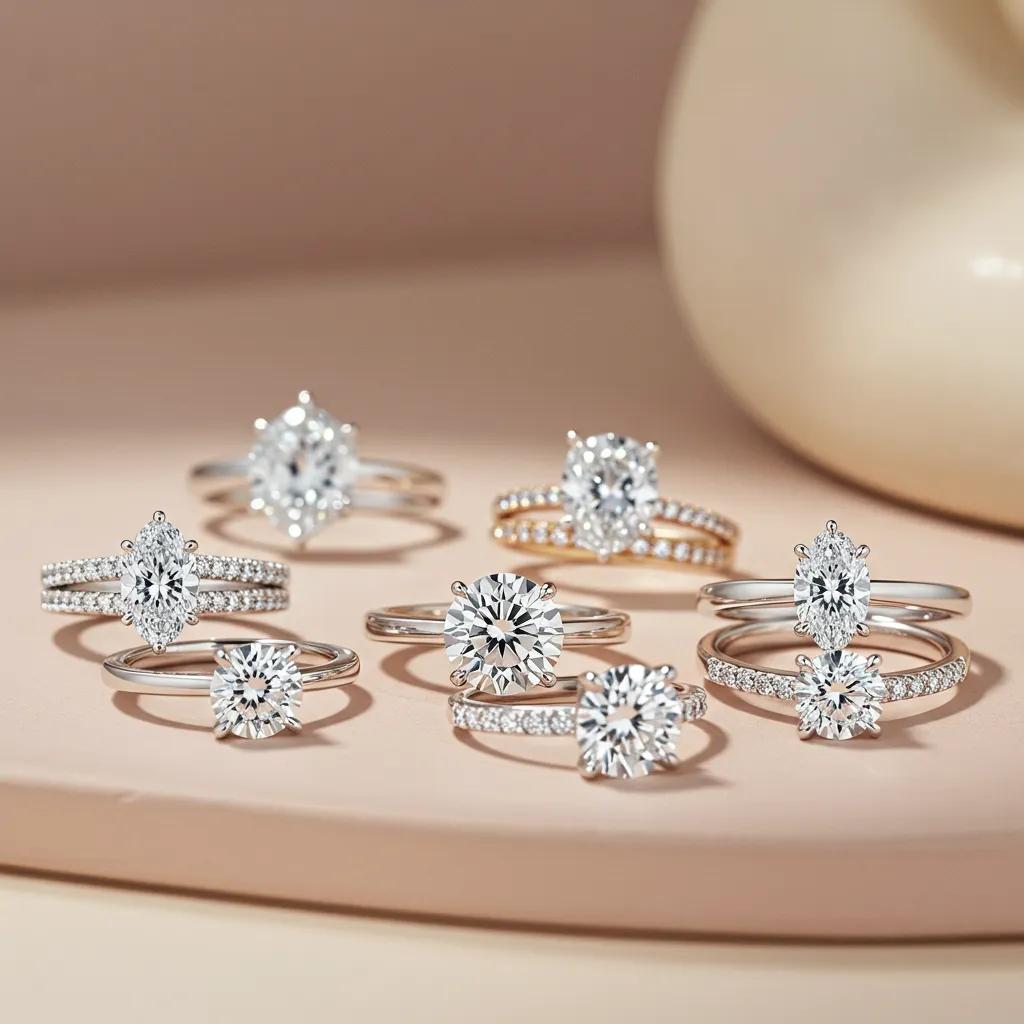
Choosing an engagement ring is a journey that blends deep sentiment with careful decisions about gemstones, settings, and precious metals. If you would like to see how these ideas look in real pieces, browse our engagement rings to compare different designs, diamond types, and settings as you read. This comprehensive guide aims to clarify those choices, empowering you to select or create a ring with complete confidence. You’ll explore the essence of lab-grown diamond rings, understand how key settings enhance sparkle and ensure security, identify diamond shapes that best complement various hand types, and navigate the practical steps involved in commissioning a bespoke design. An engagement ring is a piece of fine jewelry that unites a central gemstone with a band and setting, meticulously balanced for aesthetics, enduring quality, and your budget. This article delves into each of these components with detailed explanations. Many prospective buyers find it challenging to translate technical terms like cut, clarity, and setting into tangible outcomes; this guide offers clear decision-making frameworks, comparative insights, and actionable timelines to resolve these uncertainties. Furthermore, you’ll find practical advice on care and maintenance, a breakdown of metal selection trade-offs, and an overview of the latest trends shaping choices for 2025, all curated to assist you in selecting, designing, or preserving a ring that will be cherished for a lifetime. The subsequent sections will explore lab-grown diamonds, popular settings, diamond shapes, the custom design process, metal choices, essential care & maintenance, and emerging trends, each enriched with practical lists, comparative tables, and smooth transitions to the next topic.
What Are Lab Grown Diamond Rings and Why Are They Popular?
Lab-grown diamond rings feature a center stone meticulously created in a controlled laboratory environment. Utilizing advanced processes like high-pressure high-temperature (HPHT) or chemical vapor deposition (CVD), these diamonds achieve the identical crystalline structure as their natural counterparts. Consequently, they possess the same optical brilliance and physical hardness as mined diamonds, often at a more accessible price point. This makes them an appealing option for discerning buyers who prioritize exceptional visual quality within their budget. Additionally, consumers are increasingly drawn to the ethical and environmental narrative surrounding lab-grown stones, with recent market data indicating a significant rise in demand driven by enhanced transparency and price parity. Understanding these compelling advantages is crucial for determining if lab-grown diamonds align with your priorities regarding cost, certification, and long-term impact. Following this, we will present a direct comparison of lab-grown and natural diamonds across key attributes to clarify practical differences for your purchasing decisions.
Lab-grown diamond rings are frequently selected for three primary advantages:
- Enhanced Affordability: Lab-grown diamonds typically offer a lower cost per carat for stones of equivalent cut and clarity.
- Ethical Provenance: They bypass the social and environmental concerns sometimes associated with conventional mining operations.
- Uncompromised Quality: They exhibit physical and optical characteristics that are indistinguishable from natural diamonds.
These compelling reasons underscore why many buyers perceive lab-grown diamonds as a smart, pragmatic choice that doesn’t necessitate a compromise on brilliance. The subsequent section provides a direct comparison with natural diamonds.
How Do Lab Grown Diamonds Compare to Natural Diamonds?
From a material standpoint, lab-grown and natural diamonds are identical, both are composed of crystalline carbon. This means their visual appeal and durability are equivalent when comparing cut, color, clarity, and carat weight. The primary distinction lies in their certification pathways: natural diamonds are commonly accompanied by GIA or AGS reports, while lab-grown stones are typically certified by laboratories that explicitly state their growth origin. Current market recommendations advise verifying the lab-grown origin on reports to ensure complete transparency. Historically, natural diamonds have held an advantage in terms of price and resale value; however, lab-grown stones offer superior initial value, enabling buyers to allocate their budget towards a larger or higher-quality center stone. Understanding the nuances of certification, long-term value expectations, and visual equivalence will help you weigh resale concerns against immediate value. The following subsection will delve into the ethical and environmental considerations in more detail.
If you are curious about man made options as well, our lab grown diamonds guide explains how they compare to natural stones in appearance, durability, ethics and price.
What Are the Ethical and Environmental Benefits of Lab Grown Diamonds?
Lab-grown diamonds significantly mitigate or entirely eliminate many social risks associated with mining and substantially reduce land disturbance. Lifecycle analyses consistently demonstrate a lower environmental footprint per carat compared to certain mined diamonds. By their very nature, they support conflict-free sourcing claims. When paired with recycled metals, they represent an ethically conscious bridal choice for consumers who prioritize sustainability. It is important to note, however, that the energy source and specific production methods employed can influence the overall environmental impact. Therefore, inquiring about the energy mix and laboratory certifications is advisable when environmental outcomes are a key consideration. These ethical advantages make lab-grown diamonds particularly attractive to buyers who value traceability and a reduced impact from mining. The subsequent subsection will explore settings that best showcase the brilliance of lab-grown diamonds.
Sustainable Lab-Grown Diamonds: Production and Impact
Lab-grown diamonds present a sustainable alternative to deep-seated diamond mining by simulating natural conditions to produce the precious stones above ground in a span of six weeks. The emergence of lab-grown diamonds in Surat and its potential repercussions are examined in this article. The paper describes the technological process by which lab-grown diamonds are produced by simulating the underground natural diamond formation process through the application of high pressure and heat to diamond embryos in plasma reactors. This allows for up to a 30% reduction in the cost of diamond production compared to conventional mining methods. Nevertheless, energy demands give rise to concerns regarding sustainability. Sustainable Sparkle: The Emergence and Impact of Lab-Grown Diamonds in India’s Diamond Capital, AS George, 2024
Which Styles and Settings Best Showcase Lab Grown Diamonds?
Settings designed to maximize visible surface area and light return, such as solitaire and halo configurations, are exceptionally effective at highlighting the inherent brilliance of lab-grown diamonds. Pavé and micro-pavé accents can add further surface sparkle without necessitating a more substantial center stone. A solitaire setting places the optical focus squarely on the stone’s quality and cut grade, while a halo setting visually enhances the perceived size of the center stone and can beautifully complement the value proposition of a lab-grown diamond. For individuals with active lifestyles, bezel or low-profile settings offer enhanced protection for the center stone while maintaining a contemporary aesthetic. These strategic pairing guidelines assist buyers in achieving combinations that strike an ideal balance between visual impact, security, and budget. This naturally leads into a structured comparison of common setting types.
What Are the Most Popular Diamond Ring Settings for Engagement Rings?
Diamond ring settings are pivotal in determining how a center stone is positioned, how light interacts with it, and the ring’s overall durability and wearability over time. Popular options include solitaire, halo, pavé, bezel, and three-stone settings, each offering a unique balance of brilliance, security, and maintenance requirements. Settings can significantly alter the perceived size and sparkle of a diamond, halo and pavé settings multiply surface facets and reflections, whereas a solitaire setting emphasizes the inherent quality of the center stone. They also influence everyday practicality, ranging from exposed prongs to more encompassing metal coverage. The selection of a setting should align with your desired silhouette, lifestyle, and long-term wearability considerations. Therefore, it’s essential to weigh maintenance needs alongside aesthetic preferences when making your choice. The following subsections will define key settings, explain their visual mechanics, and map which settings are most suitable for particular diamond shapes.
The most sought-after settings, along with their core benefits, are:
- Solitaire: Showcases the center stone exclusively, offering timeless simplicity and elegance.
- Halo: Encompasses the center stone with smaller diamonds to dramatically enhance perceived size and sparkle.
- Pavé: Adorns the band with closely set accent stones, creating a continuous surface of brilliance for added shimmer.
- Bezel: Encircles the stone with a metal rim, providing exceptional protection and a sleek, modern appearance.
This ranked list is designed to help buyers quickly identify the setting that best aligns with their priorities. The subsequent subsection will provide an in-depth look at solitaire basics.
What Defines a Solitaire Diamond Ring and Why Is It Timeless?
A solitaire diamond ring is characterized by a single, prominent center stone, meticulously mounted to maximize its visibility and the entry of light. The design relies on minimal metalwork to elevate the gemstone’s presence and accentuate its cut quality. Rooted in classic design principles, the solitaire remains a perennial favorite due to its remarkable versatility across various metals and its compatibility with virtually any diamond shape, from the traditional round brilliant to the elegant marquise. The number of prongs, typically four or six, can subtly alter the ring’s silhouette and enhance security. Furthermore, hybrid approaches, such as combining a bezel with a solitaire setting, offer a sophisticated balance between stone protection and prominence. The next subsection will explore how halo and pavé settings intentionally manipulate light to amplify apparent sparkle and size.
How Do Halo and Pavé Settings Enhance Diamond Brilliance?
Halo and pavé settings are expertly designed to increase the apparent size and surface scintillation of a diamond. They achieve this by encircling the center stone with numerous smaller diamonds, which reflect additional light back into the focal stone, creating a magnified brilliance effect. A halo setting forms a visual border that enlarges the perceived diameter of the center stone, while a pavé setting creates a continuous, glittering surface across the band, enhancing the overall sparkle. The trade-offs for this increased brilliance include more frequent maintenance, as the tiny accent stones require regular checks and cleaning, and a slightly higher cost due to the additional gems and mounting complexity. Understanding these trade-offs is key to selecting a setting that aligns with your priorities for brilliance versus upkeep. The following subsection will explore unique and vintage setting options.
What Are Unique and Vintage Ring Settings to Consider?
Unique and vintage settings, such as those featuring Art Deco filigree, delicate millegrain detailing, and discreet hidden halos, offer distinctive historical character and intricate metalwork that appeal to buyers seeking truly one-of-a-kind expression. These settings often incorporate hand-engraved motifs and unconventional stone placements that underscore individuality. However, they may require specialized repair skills and careful preservation. Customizing vintage elements into contemporary designs allows for the fusion of classic aesthetics with modern materials, enabling buyers to capture period style without compromising structural integrity. Considering repairability and maintenance from the outset is crucial for ensuring the longevity of ornate designs. Next, we will map specific settings to diamond shapes for practical pairing advice.
Which Settings Are Best for Different Diamond Shapes?
Choosing the optimal setting for a specific diamond shape involves balancing aesthetic appeal with essential protection. Pointed shapes, such as pear or marquise, benefit significantly from bezel settings or protective prongs to safeguard their delicate tips. Conversely, round stones are ideally suited for solitaire or halo settings, which are designed to maximize their brilliance. Elongated shapes like oval and emerald cuts can visually lengthen the finger and often appear most striking in settings that maintain their symmetry, such as east-west mounts or four-prong solitaires. Square cuts, like the princess cut, require corner protection to prevent chipping, making bezel or reinforced prong settings particularly attractive. Matching the setting’s protective capabilities to the shape’s vulnerability is key to safeguarding the stone while optimizing its visual harmony. This leads directly into guidance on selecting a diamond shape based on individual style and finger anatomy.
How to Choose the Perfect Diamond Shape for Your Engagement Ring?
Selecting the ideal diamond shape is guided by three fundamental decision rules: how the shape enhances finger proportions, the desired level of brilliance, and the durability requirements dictated by the facet structure. Each shape creates a distinct visual effect, the round brilliant maximizes sparkle, the emerald cut emphasizes clarity and elegance, and pear or oval shapes can visually elongate the fingers. It’s essential to align the chosen shape with both your style aspirations and practical daily wear considerations. Budget also plays a role, as certain cuts command price premiums. Achieving an optimal balance between carat weight, cut quality, and shape is key to maximizing value. The subsections that follow will compare key shapes and explain how shape interacts with setting choice and finger appearance.
To guide your shape selection, consider these four essential decision rules:
- Finger Proportion: Elongating shapes tend to visually lengthen fingers, while round shapes can create a perception of wider fingers.
- Brilliance vs. Clarity: Brilliant cuts are engineered for maximum sparkle; step cuts, like emerald, highlight the stone’s clarity and internal structure.
- Durability: Shapes with pointed corners necessitate protected settings; the toughness of square or faceted cuts can vary.
- Budget Impact: Rarer shapes or those requiring more precise cutting may incur a higher cost per carat.
These rules simplify the selection process and prepare you for the detailed characteristics of each shape discussed next.
What Are the Characteristics of Oval Cut Engagement Rings?
Oval cut diamonds offer an elegant, elongated silhouette combined with brilliant faceting, resulting in exceptional sparkle and a visually lengthening effect on the finger, making them a sophisticated choice for a wide range of hand shapes. A potential characteristic of oval cuts is the “bow-tie” effect, a dark area across the center, which can be minimized by prioritizing excellent cut quality to ensure uniform brilliance. Popular settings for oval diamonds include solitaires and halos, which complement their elongated appearance and enhance their perceived size. Selecting an oval diamond with superior cut quality strikes an ideal balance between brilliance and form. The next subsection will contrast the round brilliant and princess cuts in terms of performance and value.
How Do Round Brilliant and Princess Cuts Compare?
Round brilliant diamonds are renowned for delivering the highest possible light return due to their meticulously optimized facet structure. They typically command a premium price, reflecting cutting yield and market demand, making them the premier choice when maximizing scintillation is the primary objective. Princess cuts, conversely, offer a contemporary square silhouette with excellent brilliance relative to their cost, often providing a more favorable price-per-carat ratio while maintaining a strong visual impact for modern styles. The decision hinges on whether maximum sparkle (round brilliant) or a modern square profile with cost efficiency (princess) better aligns with your personal taste and budget. Understanding these distinct trade-offs will help you allocate your budget effectively between cut grade and carat weight. The following subsection will outline other popular diamond cuts.
Lab-Grown Diamonds: Sustainable and Ethical Alternatives
Lab-grown diamonds will see the transformation of the global gem industry: a shift toward sustainable and ethical alternatives to natural diamonds. This study examines the impact of age on various factors interacting with consumer perceptions, beliefs, and motivations toward lab grown diamonds. The study adopts a quantitative approach for the testing of hypotheses in determining whether there exists an association between age and aspects like familiarity, quality and appearance opinions, purchase motives, and open-mindedness towards the industry revolution. Findings The analysis of weak and statistically insignificant relationships across the tested variables showed that attitudes towards lab-grown diamonds are not significantly determined by age. These results suggest that consumer preferences are more aligned with shared values and attributes of the product, like eco-friendliness and affordability, rather than demographic factors. The study points New Era of Lab Grown Diamond, J Vidani, 2010
What Are the Benefits of Emerald, Cushion, and Pear Cuts?
Emerald cuts utilize step facets that emphasize the diamond’s clarity, creating a captivating hall-of-mirrors effect that is particularly suited to stones with high clarity grades, resulting in an elegant and understated brilliance. Cushion cuts, known for their vintage appeal, blend rounded corners with square proportions, offering a softer sparkle than round brilliants but a distinctly romantic, antique aesthetic. Pear cuts combine the elongating properties of oval shapes with a distinctive pointed tip that requires secure settings; they visually slim the finger and present a unique teardrop silhouette. The choice among these cuts depends on your preferred optical effect, whether it’s clarity emphasis, vintage shimmer, or elegant elongation, and will influence the necessary protective measures for the setting, which we will discuss next in the context of custom design.
How Does Diamond Shape Affect Ring Style and Finger Appearance?
Diamond shape plays a crucial role in creating visual illusions: elongated cuts like oval, marquise, and pear are adept at visually lengthening the finger, while round and cushion shapes tend to broaden the visual plane. Step cuts, such as the emerald cut, create a refined, architectural look that pairs beautifully with minimalist bands. Scale is also paramount: the center stone’s diameter should appear proportionate to the finger’s width; an excessively large stone on a slender hand can seem overpowering, just as a modest stone on a larger hand might appear understated. Maintaining stylistic coherence, ensuring the shape harmonizes with the band width, metal color, and setting, is essential for both visual unity and comfortable wear. These considerations naturally lead into guidance on how to design a custom engagement ring that perfectly reflects your personal style and technical requirements.
How Can You Design a Custom Engagement Ring That Reflects Your Style?
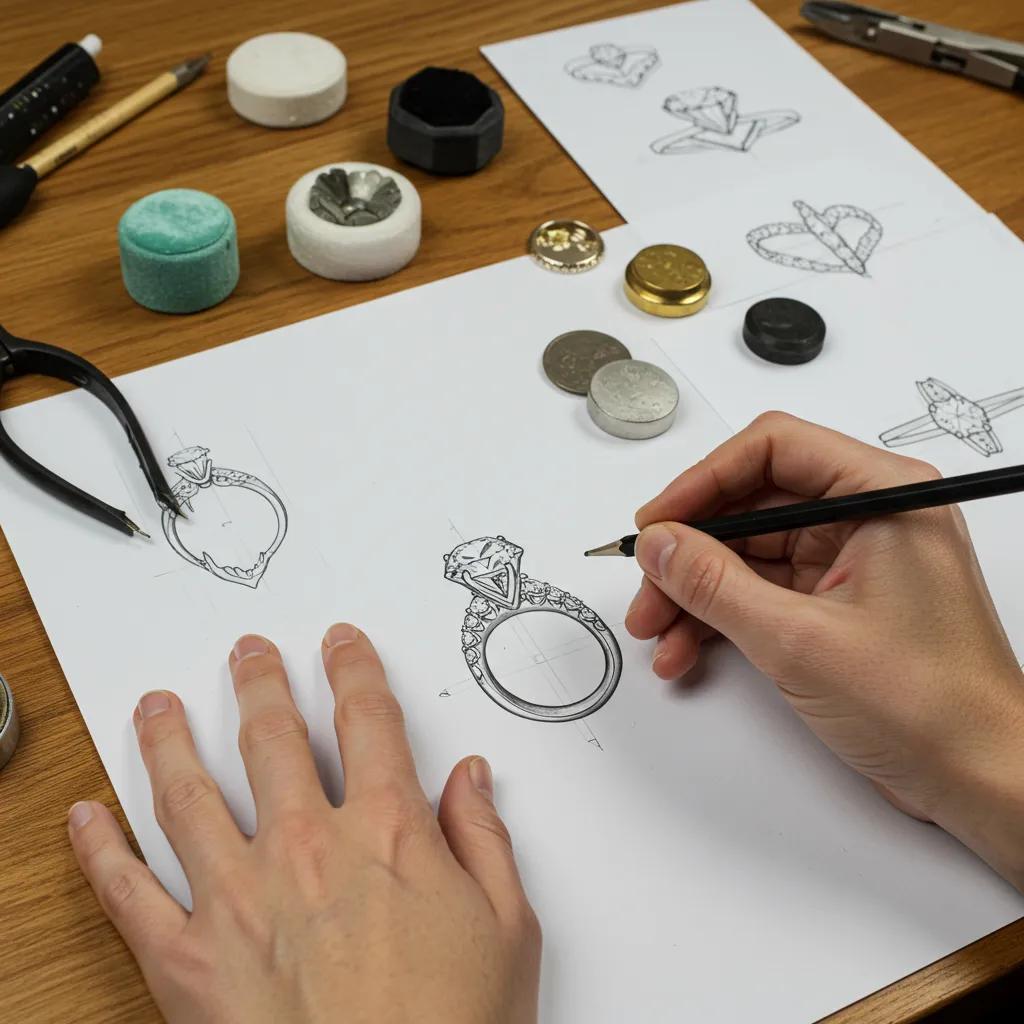
Designing a custom engagement ring is a structured, multi-stage process that integrates inspiration, technical specifications, and iterative feedback. This typically involves creating mood boards, engaging in detailed consultations, developing CAD renders, producing prototypes, and final production. This methodical approach demystifies the bespoke creation process and effectively manages expectations. Establishing a clear timeline with defined decision checkpoints, such as concept approval, CAD sign-off, prototype review, and final inspection, is crucial for keeping projects on schedule and within budget. Custom work offers the unique opportunity to select specific metals, incorporate alternative gemstones, and specify intricate details like personal engravings or hidden halos for added symbolic meaning. Below, we outline the step-by-step milestones, followed by guidance on integrating metals and gemstones, popular customization options, and effective budget strategies.
The process of designing a custom ring typically unfolds through these practical stages:
- Inspiration & Concept Development: Curate images, styles, and essential features to establish a clear design brief.
- Consultation & CAD Modeling: Collaborate with a jeweler to translate the brief into detailed CAD renders and technical drawings.
- Prototype Creation & Approval: Review a wax or metal sample to confirm proportions and comfort, requesting any necessary revisions before final production.
- Production & Final Inspection: Oversee the manufacturing process, including stone setting, polishing, and a thorough final inspection prior to delivery.
This structured process clarifies expectations and establishes realistic timelines. The next subsection will detail expected durations and critical decision points.
What Are the Steps to Create a Bespoke Engagement Ring?
The creation of a bespoke engagement ring generally commences with an initial consultation to align on design priorities and budget. This is followed by the development of CAD models and a crucial prototype review to confirm proportions, fit, and overall comfort. Typical project durations range from a few weeks for straightforward customizations to 6–12 weeks for highly intricate designs that may require specialized stone sourcing or complex fabrication techniques. The CAD approval stage serves as a critical checkpoint, preventing potentially costly revisions later in the process. Following prototype approval, the production and finishing phases encompass meticulous stone setting, expert polishing, and a final inspection to guarantee adherence to security and finish standards. Maintaining clear communication at each milestone is essential for minimizing surprises and ensuring the final piece perfectly embodies the intended style and quality. Next, we will explain how jewelers expertly combine different metals and gemstones.
How Do Jewelers Incorporate Different Metals and Gemstones?
Jewelers meticulously select metals and gemstones by carefully evaluating color interactions, alloy characteristics, and technical constraints, such as hardness and thermal sensitivity. For instance, rose gold beautifully complements warmer-toned gemstones, while platinum provides a bright, white backdrop that accentuates the colorless brilliance of diamonds. Alloy choices, such as 14k versus 18k gold, influence durability and color saturation. The strategic use of mixed metals allows for striking contrast, imagine a rose-gold shank paired with a platinum head, to highlight design elements without compromising structural integrity. Gemstone pairing considers hardness and facet durability: diamonds can be paired with colored gems that are robust enough for daily wear or are set within protective mountings. These compatibility decisions profoundly shape both the ring’s aesthetic appeal and its long-term wearability. The following subsection lists popular customization options.
What Are Popular Customization Options for Settings and Bands?
Popular customization choices include the addition of hidden halos to introduce extra sparkle without altering the primary silhouette, the use of mixed metals for striking contrast, intricate engraving for profound personalization, milgrain detailing for a touch of vintage texture, and tapered or knife-edge bands for unique profiles. Each option influences the final cost and maintenance requirements, micropavé or delicate milgrain, for example, necessitates more frequent inspections. Therefore, it’s advisable to prioritize features that deliver the most emotional or visual value within your budget. A tiered approach to customization, starting with the core structure and progressing to secondary embellishments and personalized details, can help phase costs while preserving the ring’s central impact. These considerations are vital for budget discussions, which we will address in the next subsection.
How to Balance Budget and Personalization in Custom Rings?
Achieving a balance between budget and personalization in custom rings begins with prioritizing the center stone and essential structural elements. The remaining budget can then be allocated to decorative features such as accent stones, intricate engraving, or complex shank designs. Strategic substitutions, such as opting for lab-grown diamonds or moissanite for side stones, can free up budget for a larger center stone or more elaborate metalwork. Phased customization, where decorative elements are added at a later stage, allows buyers to spread the cost while securing the foundational ring first. Clear prioritization and transparent, milestone-based payments are key to keeping projects on budget and ensuring the desired level of personalization is achieved. As a practical next step, consider scheduling a personalized design consultation with a trusted jeweler.
For those ready to embark on designing a custom piece, we recommend scheduling a design consultation with a reputable jeweler. This allows for a thorough review of CAD options and an opportunity to view metal swatches or prototypes in person. This crucial step helps translate your inspiration into precise technical specifications and ensures all sample approvals are obtained before production commences. This neutral, practical next step solidifies the alignment between your vision and the jeweler’s technical plan.
What Are the Best Metals for Engagement Rings and How Do They Affect Style?
The choice of metal significantly influences a ring’s color, durability, weight, and maintenance needs. Common options include platinum, white gold, yellow gold, and rose gold, each offering distinct visual characteristics and performance attributes that should align with the wearer’s lifestyle and aesthetic preferences. Metal selection impacts long-term appearance, white gold may require periodic rhodium replating, while platinum develops a unique surface patina over time but retains its metal volume, so it’s essential to factor maintenance into your decision. Increasingly, sustainable options such as recycled metals and traceable sourcing are becoming available for ethically conscious buyers. The following subsections will compare the properties of various metals, discuss their wear patterns, and present sustainable options to guide your selection.
Before reviewing the metal comparison table, please note that many jewelers provide sample swatches, allowing you to compare color and weight in person. Requesting metal-specific samples is highly recommended to confirm the final appearance under natural lighting conditions. Now, let’s examine the comparative metal properties.
This metal comparison table clarifies the trade-offs between appearance, durability, and maintenance requirements. Next, we will discuss technical differences and aesthetic nuances.
What Are the Differences Between Platinum, White Gold, Yellow Gold, and Rose Gold?
Platinum is exceptionally dense and hypoallergenic for most individuals, offering a lasting white appearance that develops a soft, elegant patina over time rather than losing metal. White gold achieves a similar bright white look through the use of alloys and rhodium plating, though it requires periodic replating to maintain its initial luster. Yellow gold provides a classic, warm hue and is highly resistant to visible patina. Rose gold, with its copper content, imparts a distinctive warm-pink tone that beautifully complements a wide range of skin tones. These visual and physical contrasts influence both long-term maintenance needs and the ring’s overall emotional resonance, making it important to choose a metal that aligns with your daily wear habits and preferred aesthetic. The next subsection will expand on maintenance and wear patterns.
How Does Metal Choice Impact Durability and Maintenance?
The choice of metal directly influences scratch resistance, the visibility of wear over time, and the necessary maintenance routines. Platinum, while highly durable, shows surface scratches as a patina rather than losing metal, whereas gold alloys can scratch more readily and may require polishing more frequently. White gold typically needs rhodium replating every few years, depending on wear, to preserve its bright white finish. Rose and yellow gold generally require less frequent cosmetic upkeep. Consider your lifestyle: active hands and frequent exposure to chemicals will increase maintenance frequency regardless of the metal. Establishing an inspection and maintenance schedule tailored to your chosen metal is key to preserving its long-term appearance and structural integrity. The following subsection covers sustainable metal options.
What Are Sustainable and Ethical Metal Options?
Sustainable metal options encompass recycled gold and platinum, as well as suppliers who provide chain-of-custody or traceability certifications that document origin and processing standards. This appeals strongly to buyers who prioritize environmental stewardship. Inquiring about recycled content, responsible sourcing practices, and third-party auditing from jewelers helps verify sustainability claims and ensures supply-chain transparency. Recycled metals possess the same physical properties as newly mined metals but significantly reduce the demand for additional mining. Combining recycled metals with lab-grown diamonds offers a compelling option for a lower-impact bridal set. Knowing the right questions to ask empowers buyers to verify sustainability claims and align their material choices with their personal values. The next section focuses on maintaining your ring’s beauty over time.
Before proceeding to the trends section, we recommend scheduling periodic professional cleaning or inspection services. Additionally, review your insurance policies after purchase to confirm adequate coverage and appraised value. These standard practices are essential for protecting both the sentimental and financial value of your engagement ring.
How to Care for and Maintain Your Engagement Ring for Lasting Beauty?
Proper care is essential for preserving your engagement ring’s brilliance and preventing common types of damage, such as prong wear, stone loosening, and metal abrasion. A consistent regimen involving gentle at-home cleaning, periodic professional inspections, and adequate insurance coverage provides comprehensive protection. Cleaning frequency and methods should be tailored to the specific materials, mild soap and a soft brush are suitable for many rings, while plated or delicate settings may require professional attention. Regular inspections, ideally every 6–12 months, can identify worn prongs or loose accent stones before they lead to loss, and insurance provides crucial protection against loss, theft, or accidental damage. Below, we outline best practices for cleaning, guidelines for insurance and resizing, and common repairs with preventative measures.
Safe and effective cleaning approaches are detailed in the following checklist:
- Daily Care: Remove your ring before engaging in activities that risk impact or chemical exposure.
- At-Home Cleaning: Utilize mild dish soap and a soft brush for most metal and diamond combinations.
- Professional Services: Schedule professional cleaning and inspection appointments every 6–12 months.
- Avoid Harsh Chemicals: Chlorine and common household cleaners can potentially damage certain metals and settings.
This checklist provides a framework for routine steps to maintain both the appearance and structural integrity of your ring. The next subsection details specific cleaning methods for different materials.
What Are the Best Practices for Cleaning Different Ring Materials?
For most diamonds set in gold or platinum, a simple yet effective method involves soaking the ring in warm water with mild dish soap, followed by gentle brushing with a soft-bristle brush. Rinse thoroughly and dry with a lint-free cloth. This safe routine effectively removes oils and surface grime. It is advisable to avoid ultrasonic cleaners for fragile settings or certain gemstones prone to cleavage, and never use bleach or chlorine solutions on plated metals, as these can strip the plating or damage the underlying alloys. For plated white gold, limit at-home polishing and opt for professional rhodium replating when the luster begins to fade. Adhering to material-specific cleaning guidelines is crucial for preserving the finish and preventing inadvertent damage. The next subsection addresses insurance and resizing.
How Often Should You Insure and Resize Your Engagement Ring?
It is recommended to insure your engagement ring at the time of purchase or following any significant upgrade. Ensure you document appraisals and certifications to support any potential claims, and revisit your coverage after major life events or significant appraisals to confirm that replacement values remain current. Resizing is generally safe within a range of two full sizes, depending on the band’s construction, and should always be performed by a skilled jeweler. Repeated resizing can potentially weaken settings or shanks, so it’s best to minimize resizes by confirming accurate sizing from the outset. Periodic insured appraisals and a proactive resizing strategy are key to reducing risk and maintaining the ring’s structural integrity. The next subsection covers common repairs and strategies to avoid damage.
What Are Common Repairs and How to Avoid Damage?
Common repairs include prong re-tipping, shank reinforcement, and replating for white gold. These issues typically arise from daily wear, accidental impacts, or exposure to chemicals and are often preventable through routine inspections and careful handling. Avoid activities that carry a risk of impact or abrasions, remove your ring during strenuous manual labor, and schedule professional check-ups so jewelers can rebalance prongs before stones become loose. Maintaining records of appraisals and service history is beneficial for insurance claims and long-term care planning. Preventive maintenance is the most effective way to extend your ring’s lifespan and preserve both its security and aesthetic appeal. The final section summarizes the key trends shaping choices for 2025.
What Are the Latest Engagement Ring Trends for 2025?
Engagement ring trends for 2025 are strongly characterized by a focus on personalization, sustainability, and the continued ascendancy of lab-grown diamonds. Buyers are increasingly seeking distinctive silhouettes, including hidden halos, innovative two-stone arrangements, and elongated shapes such as oval and emerald cuts. The demand for customization is fueling a rise in bespoke creations, incorporating elements like mixed metals and symbolic details. Simultaneously, traceability and the use of recycled metals are gaining prominence among eco-conscious consumers. Digital tools, such as virtual try-on experiences, high-resolution 360° imagery, and online customization platforms, are enhancing confidence for remote purchases, though it remains important to verify certifications and return policies. The following subsections will highlight emerging trends in shapes and settings, the influence of sustainability, and the pivotal role of online tools in contemporary ring shopping.
Key trend highlights for 2025 include:
- Personalization Dominance: Hidden halos, custom engravings, and mixed-metal designs are experiencing significant popularity.
- Shape Evolution: Oval and emerald cuts are steadily gaining traction, often surpassing previously dominant profiles.
- Sustainability Focus: Lab-grown diamonds and recycled metals are increasingly preferred as buyers prioritize ethical sourcing and traceability.
- Digital Integration: Virtual try-on features and detailed 360° images are enhancing online buying confidence and accessibility.
These trends reflect significant market shifts toward individualized expression and responsible sourcing. The next subsection will explore which specific diamond shapes and settings are currently gaining the most popularity.
Lab-Grown Diamonds: The Future of Jewelry
Lab-grown diamond: such a mysterious description embodied in the association of one of the most famous gemstones on earth with the technical know-how that scientists developed through years of research. Mostly known for being one of the precious gifts to offer for a significant event such as engagement and wedding, diamonds continued to spread its admiration for the dazzling effect which convinced more than one couple. Since the luxury industry is migrating towards a more conscious way of manufacturing products and consumers are thriving towards ethical consumption and bold products, lab-grown diamond is gaining in popularity against the bleak stories of the mined ones. Keeping this epigram in spotlight, this article provides the complete view of how the industry is going to adapt to this new revolution. Lab-grown diamonds are diamonds that have been processed in laboratories thanks to almost 70 years of development. Lab-grown diamond–the shape of tomorrow’s jewelry, 2021
How Is Sustainability Influencing Engagement Ring Choices?
Sustainability is profoundly shaping consumer preferences, driving increased interest in lab-grown diamonds, recycled metals, and transparent sourcing disclosures. This trend is encouraging jewelers to provide more consistent information regarding materials and certifications. Buyers are actively seeking details about recycled content, chain-of-custody, and the energy sources used in laboratory production, elevating traceability as a critical purchasing factor. A common and effective approach is combining lab-grown stones with recycled metals to minimize environmental impact while retaining complete design freedom. This evolving landscape of responsible sourcing is reshaping product offerings and placing a premium on verified sustainability claims in purchasing decisions. The final subsection addresses the role of online shopping tools.
What Role Does Online Shopping and Virtual Try-On Play?
Online shopping platforms and virtual try-on tools are expanding accessibility to high-resolution images, comprehensive 360° views, and interactive customization previews. These features empower buyers to effectively compare shapes and settings without the need for an in-person visit, significantly boosting confidence in remote purchases. Virtual try-on technology aids in proportion decisions by providing scaled visualizations on various hand types. However, clear return policies and transparent certification remain indispensable for mitigating the limitations of remote inspection. Combining digital previews with in-person sample viewing or professional consultations offers the most secure pathway to a confident purchase. As virtual tools continue to mature, they serve as valuable complements, rather than replacements, to professional guidance and verification practices that ensure long-term satisfaction.
This comparative table of diamond shapes is designed to help readers align their visual goals with practical setting options, informing the selection of shapes that best suit both personal style and wearability requirements.
Ultimately, finding your dream engagement ring is about aligning design, quality and meaning with how you live every day. With a clear understanding of gemstones, settings, metals and the custom design process, you can choose or create a piece that genuinely feels like yours. To see how these ideas come together in finished designs, browse our engagement rings and start shortlisting styles that match your taste before visiting our Melbourne showroom.


